What are invisible doors?
Introduction to Invisible Doors
What is an Invisible Door?
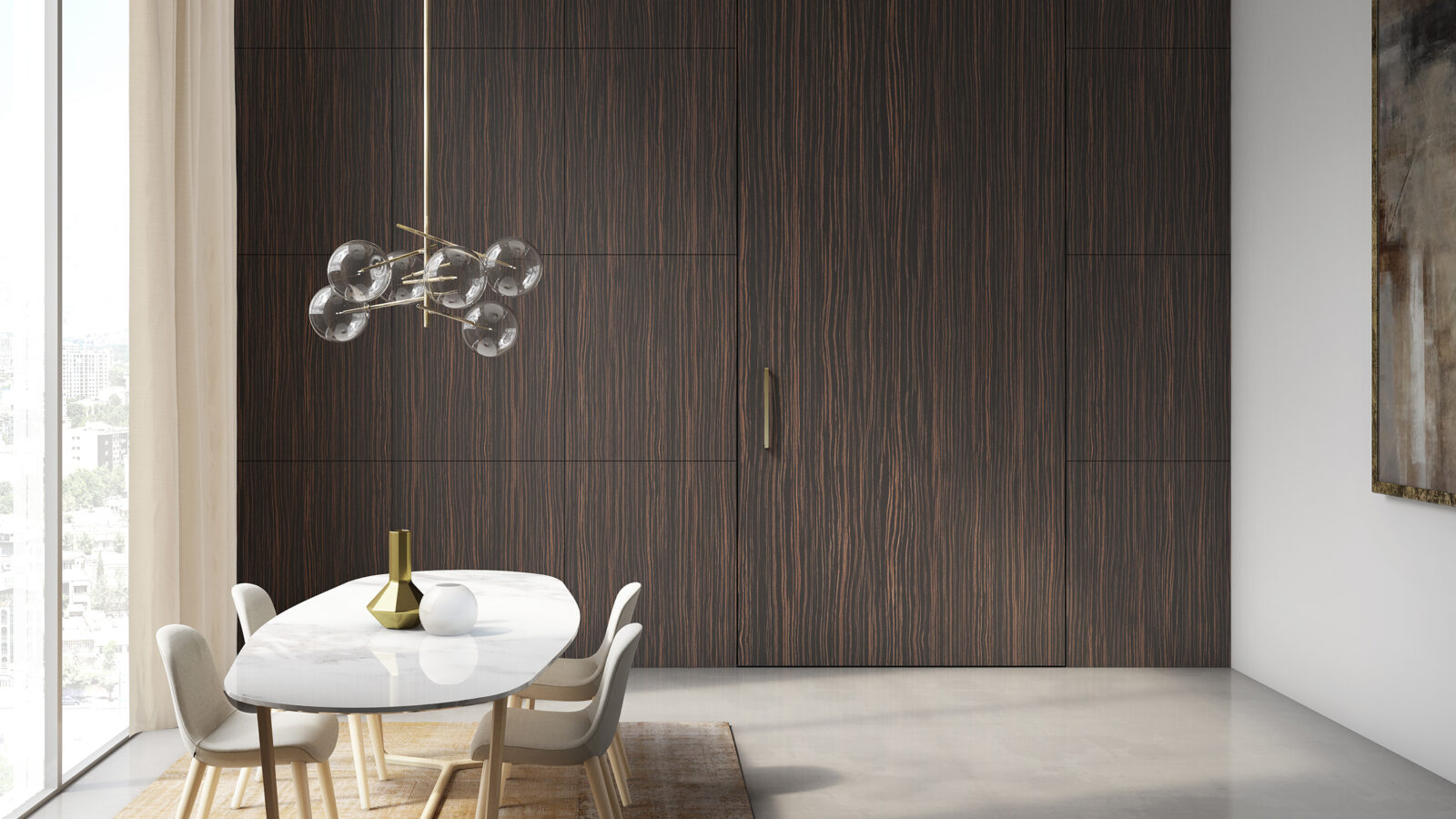
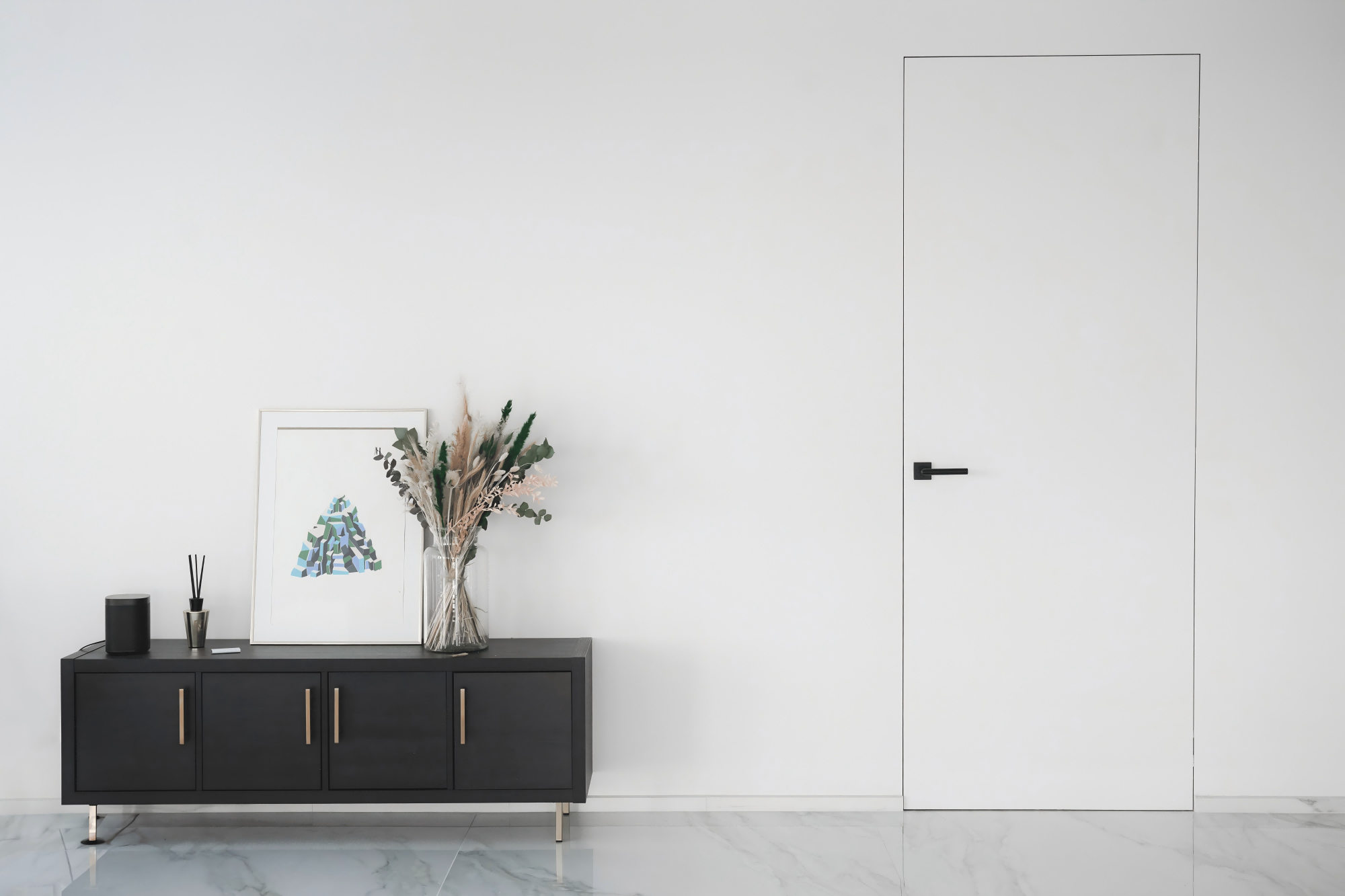
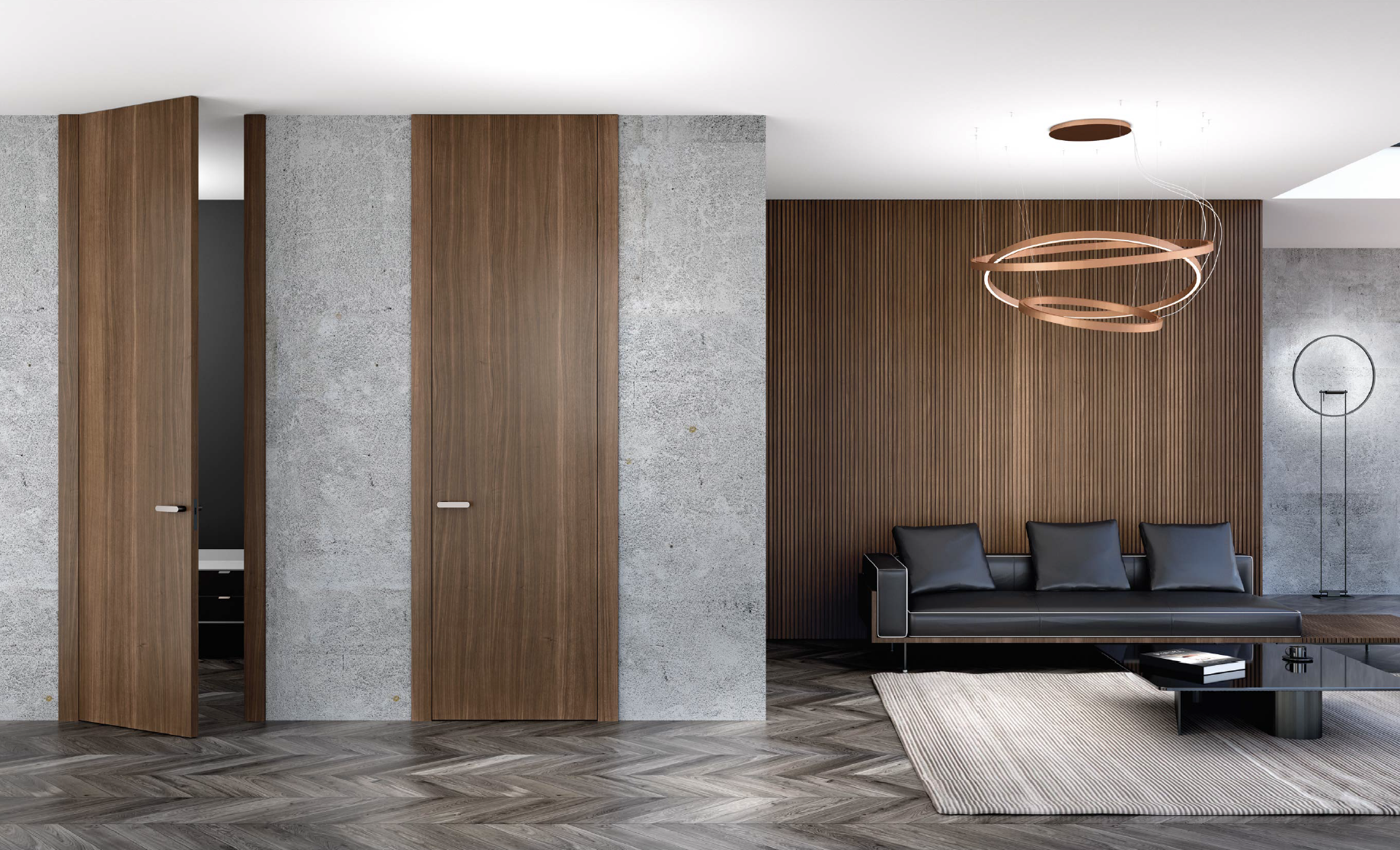
An invisible door is a sleek, modern solution designed to blend seamlessly with its surrounding wall or structure. Unlike traditional doors, these doors are designed to be almost “invisible.” They often have no visible frames, handles, or hardware, making them blend perfectly with the wall, whether it’s painted, tiled, or made of wood. The idea is simple: create a door that you barely notice, but still provides full functionality.
The beauty of invisible doors lies in their minimalist design. They can be made from various materials, such as glass, wood, or metal, and are often built using clever technology that makes them open and close with ease. You might see these doors in luxury homes, offices, or commercial spaces where style and function need to go hand in hand.
When you look at an invisible door, it’s hard to tell where the door ends and the wall begins. This seamless integration is what makes them so appealing to modern design lovers. They help create spaces that feel more open and less cluttered while still offering the privacy and practicality a door provides.
Why Are Invisible Doors Gaining Popularity?
Invisible doors have become a popular choice in modern architecture, and for good reason. First and foremost, they offer a sleek, minimalist look that’s perfect for today’s design trends. In a world where open-concept living and clean lines are highly sought after, these doors provide a stylish solution that doesn’t disrupt the flow of a room.
One reason for their growing popularity is the demand for privacy without compromising on aesthetics. Invisible doors are a great way to divide spaces elegantly. For example, in homes with open floor plans, an invisible door can discreetly separate a living room from a private study or bedroom, all while maintaining the room’s open feel.
In addition, invisible doors help optimize space. Traditional doors often require room to swing open or close, but invisible doors, especially sliding or pivoting versions, don’t take up any additional space. This makes them ideal for smaller spaces where every square inch counts.
Another factor driving their popularity is the rise in luxury design. As homeowners and businesses alike seek to create sophisticated, high-end spaces, invisible doors fit perfectly into the equation. Their ability to hide in plain sight is a hallmark of modern luxury, offering a clean and refined look without the distractions of visible hardware or bulky frames.
Lastly, invisible doors are also favored for their versatility. They can be custom-designed to match any wall or surface, allowing them to blend into nearly any room. Whether it’s a hidden pantry door in a kitchen, a secret passage in a home library, or a concealed office entryway, invisible doors add an element of surprise and intrigue.
The Mechanics Behind Invisible Door
How Do Invisible Doors Work?
Invisible doors are designed to operate smoothly while remaining hidden from view. The key to their functionality lies in their clever construction. These doors often use sliding, pivot, or even push-to-open mechanisms, allowing them to move effortlessly without drawing attention. The door itself might be flush with the wall or designed to open with the slightest touch.
One of the most popular types of invisible doors uses a sliding mechanism, which is perfect for saving space. Since the door slides into the wall, it doesn’t need any clearance to swing open like traditional doors. Some designs even incorporate motorized systems that open the door with just a touch or a swipe of a hand, making them both practical and high-tech.
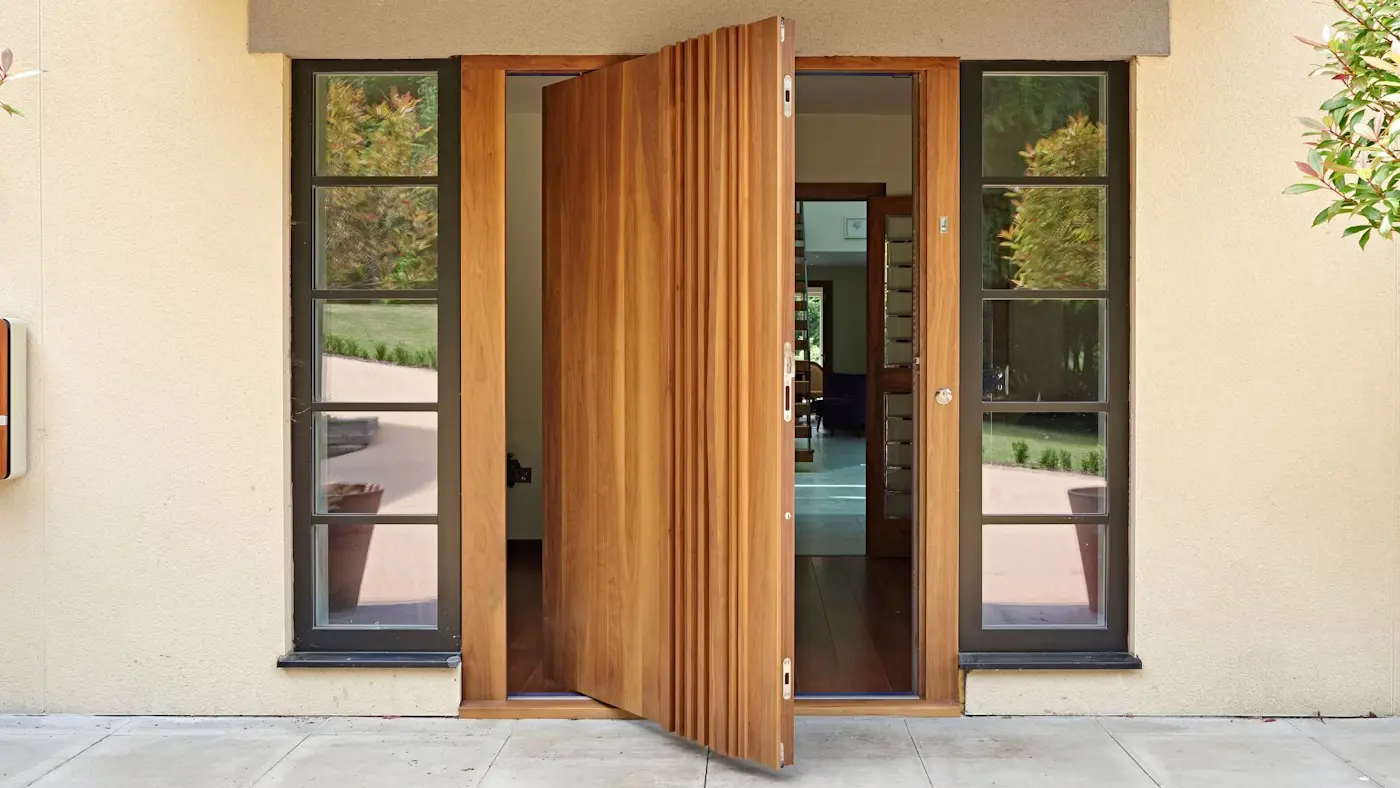
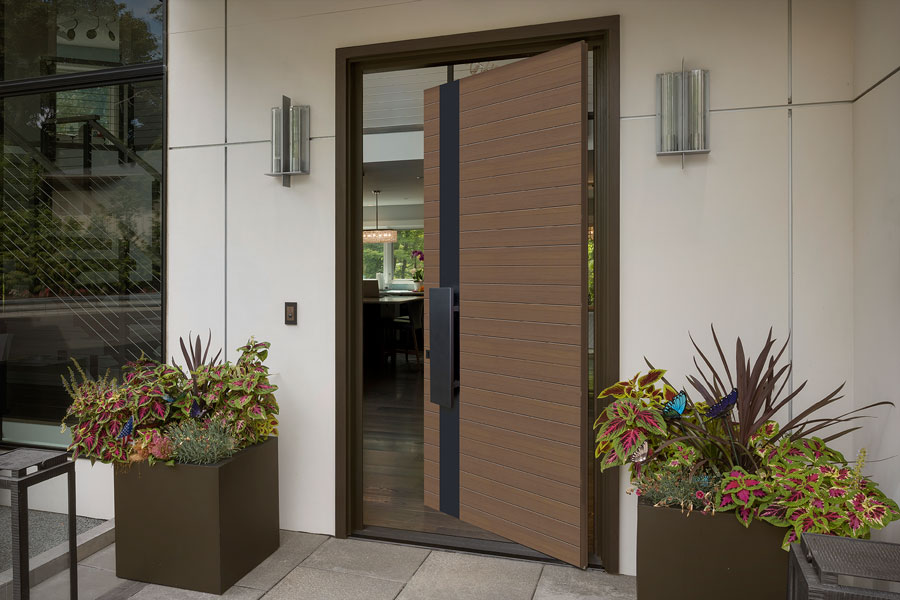
Invisible doors can also feature pivot hinges, which allow them to swing open, yet remain entirely concealed when closed. These hinges are cleverly hidden within the frame, further enhancing the door’s ability to blend into the surrounding wall. The use of soft-close technology ensures the door closes gently without making noise, which is another feature making them ideal for luxury homes or offices.
In short, invisible doors work by incorporating advanced mechanisms and seamless integration with the wall, offering both style and function without compromising on ease of use.
Materials Used for Invisible Door
The materials used to create invisible doors play a huge role in their appearance and functionality. The most common materials include glass, wood, and metal, each offering its own set of benefits.
Glass:
Glass invisible doors are often used in spaces where transparency and openness are key. They allow natural light to flow freely while still offering privacy when closed. Glass doors can be framed with thin metal or wood edges, but the goal is always to make them as unobtrusive as possible. Some glass doors even use frosted or tinted glass for added privacy without sacrificing the sleek look.
Wood:
Wooden invisible doors are a popular choice for more traditional or rustic designs. The wood is typically matched with the surrounding wall, either painted or veneered to blend in. Solid wood doors offer durability and a natural look, while also being easily customized with finishes that suit the room’s aesthetic. For a truly invisible effect, the door can be made from a single piece of wood, with no visible seams or handles.
Metal:
For a more industrial or modern vibe, metal invisible doors are often used. These are typically made of lightweight yet strong materials like aluminum or steel. Metal doors are highly durable and can withstand wear and tear, making them perfect for high-traffic areas. They can be designed to fit flush with the wall, offering a smooth, uninterrupted look.
Installation Process of Invisible Doors
Installing an invisible door is a delicate process that requires precision and expertise. Since these doors must blend seamlessly with the wall, the installation process often involves custom framing and detailed measurements.
Step 1: Planning and Measurement
Before installation begins, it’s important to take accurate measurements of the space where the invisible door will be placed. The size of the door and the wall surrounding it will dictate the type of invisible door that can be installed. This is a critical step to ensure the door fits perfectly and remains hidden when closed.
Step 2: Wall Preparation
Invisible doors typically require the wall to be prepped and reinforced to support the door’s weight and mechanisms. For sliding doors, this means installing a recessed track inside the wall. For pivot doors, special hinges and supports need to be placed inside the wall, which may require cutting into the wall and making structural adjustments.
Step 3: Door Installation
Once the wall is prepared, the door itself is carefully installed. If it’s a sliding door, the track and roller system are placed first. Then the door is attached and tested to ensure it opens and closes smoothly. If it’s a pivot door, the hinge mechanism is installed, and the door is mounted securely.
Step 4: Finishing Touches
After the door is installed, the final steps involve painting, sealing, or veneering the door to match the surrounding wall. This step is crucial for making the door “invisible.” For example, a wooden door might be stained or painted to match the exact color of the wall, while a glass door might be framed with a thin, discreet metal or wood border to maintain its seamless look.
Invisible Door in Different Spaces
Household Invisible Door
Invisible doors have become a popular choice for homeowners who want to maintain a clean, minimalist look while still having functional doors. In homes, these doors blend seamlessly with the surrounding walls, creating a smooth and uninterrupted flow between rooms. Whether it’s in the living room, kitchen, or even a bedroom, invisible doors add a touch of modern sophistication without drawing attention to themselves.
For example, in an open-concept living area, an invisible door can discreetly separate a home office or library from the rest of the space. The beauty of these doors is that they provide privacy and functionality, yet remain virtually undetectable when not in use. You can also use invisible doors to hide storage spaces or closets, maintaining a tidy and clutter-free look.
In smaller homes or apartments, invisible doors are especially beneficial because they maximize space. Traditional doors require room to swing open, but sliding or pivoting invisible doors don’t need that extra space, which is perfect for tight areas. Whether you prefer a hidden pantry door in the kitchen or a secret passage behind a bookshelf, invisible doors can transform your home into a stylish and functional haven.
Invisible Door for Offices
Invisible doors aren’t just for homes; they’re also making waves in office design. In professional environments, these doors offer a practical solution for maintaining privacy while maintaining an open, collaborative feel. Whether in a corporate office, a design studio, or a co-working space, invisible doors allow for a fluid design that doesn’t disrupt the space’s flow.
For offices, invisible doors are often used to create private meeting rooms or to hide storage areas. They can be installed in walls to separate workstations without creating a barrier that feels closed off. The seamless design ensures that the office feels more spacious and open, while still offering employees the privacy they need for focused work or private conversations.
Moreover, invisible doors contribute to the sleek, modern aesthetic that many businesses strive for. They provide a polished and professional look, which is especially important in industries that value cutting-edge design and innovation. By choosing invisible doors, companies can create spaces that are not only functional but also visually impressive.
Invisible Door in Commercial and Luxury Spaces
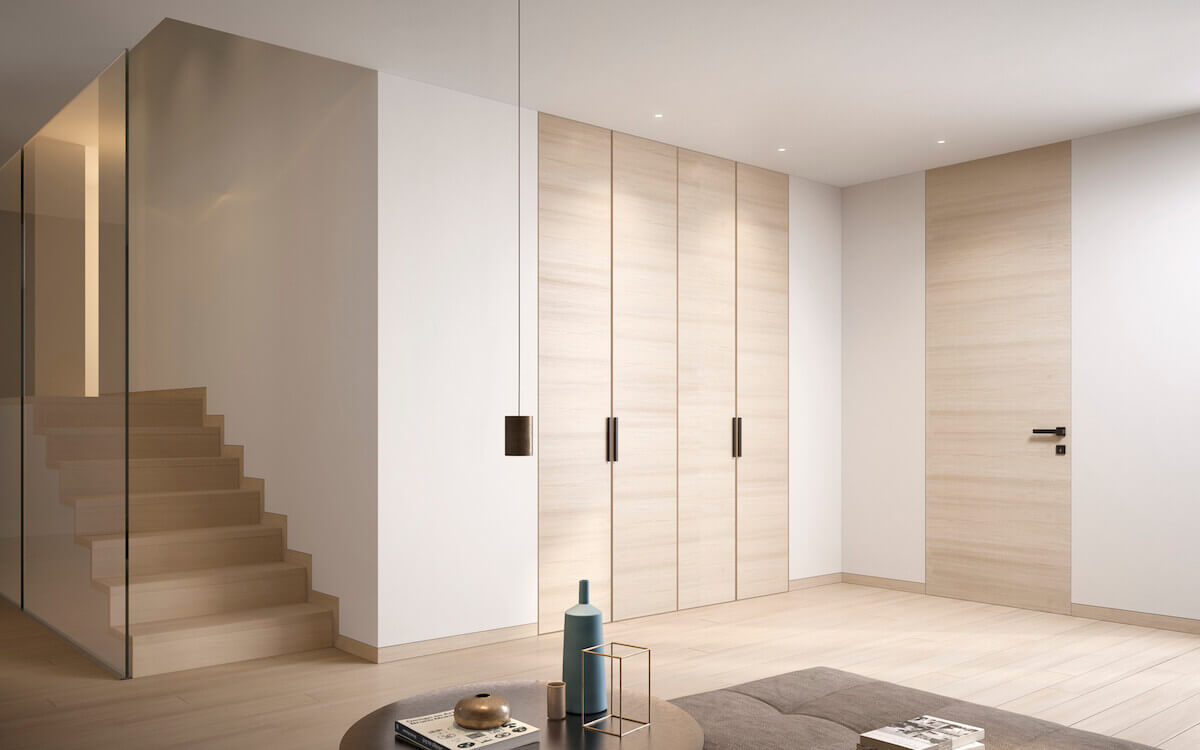
In commercial and luxury spaces, invisible doors play an important role in creating a high-end, sophisticated atmosphere. These spaces often demand the very best in design and functionality, and invisible doors provide just that. They’re frequently used in luxury hotels, high-end restaurants, boutiques, and even art galleries, where style and elegance are essential.
For instance, in a high-end restaurant, an invisible door might be used to hide the kitchen from diners discreetly or to create a hidden restroom or storage area. This design choice helps maintain the seamless aesthetic of the space, ensuring that the focus remains on the customer experience, not on doors or hardware.
In luxury hotels, invisible doors can be used to create private suites or hidden rooms for guests. They might also be incorporated into spa areas or exclusive lounges, where a smooth, uninterrupted design enhances the feeling of tranquility and privacy. When done right, invisible doors can add an air of mystery and exclusivity, making the space feel like a true hidden gem.
Retail spaces also benefit from the use of invisible doors. High-end boutiques often use them to hide stock rooms or private areas for staff, maintaining a chic, minimalist look on the sales floor. Whether it’s an upscale shop, a gallery, or a private club, invisible doors allow businesses to blend style with function, offering customers an unforgettable experience.
Benefits of Invisible Door
Maximizing Space with Invisible Door
Invisible doors are a game-changer when it comes to maximizing space, especially in smaller homes or apartments. Traditional doors often require clearance to swing open, which can waste valuable square footage. In contrast, invisible doors, particularly sliding or pivot doors, don’t need extra space to function. This makes them perfect for rooms that feel tight or have limited space.
For example, in a compact apartment, an invisible sliding door can separate the kitchen from the living area without taking up any additional room. Since these doors slide into the wall or pivot on hidden hinges, they allow for smooth transitions between spaces while keeping the overall layout open and airy. This is especially beneficial in homes with open-concept designs, where creating distinct zones without walls is essential.
Invisible doors can also help make smaller rooms feel larger. By blending seamlessly into the surrounding wall, they prevent the eye from being distracted by bulky door frames or hardware. This gives the room a more continuous, unobstructed feel, helping to create a sense of openness and freedom.
Invisible Door and Privacy
Invisible doors offer a perfect balance between privacy and openness. In modern homes, offices, and commercial spaces, maintaining privacy can be a challenge, especially in environments that thrive on transparency and flow. Invisible doors provide an elegant solution by offering a discreet way to separate spaces without disrupting the room’s visual flow.
For instance, in an open-concept home, an invisible door can provide a quiet, private area for a home office or a bedroom, while still maintaining the feeling of an open space. The beauty of invisible doors is that they can be easily hidden when not in use, offering privacy without creating a permanent barrier or wall. This is especially useful in multifunctional spaces that need to adapt to different activities.
In offices, invisible doors create private meeting rooms or quiet zones without compromising the open, collaborative environment. These doors allow for a flexible workspace where privacy is needed, but without the imposing look of a traditional door. The result is a workspace that’s both functional and aesthetically pleasing.
Aesthetics and Design Flexibility
Invisible doors are perfect for those who value sleek, modern aesthetics. They offer design flexibility that traditional doors simply cannot. Whether you want to create a seamless look in your living room, office, or commercial space, invisible doors can be customized to fit almost any design style.
One of the main reasons invisible doors are so popular in modern architecture is their ability to blend in perfectly with any wall. Whether it’s a painted wall, a wood panel, or even a wallpapered surface, invisible doors can be made to match or disappear entirely into their surroundings. This level of customization makes them ideal for those who want a clean, minimalist look that enhances their space’s overall design.
Invisible doors can also be designed with a variety of materials, including glass, wood, and metal, allowing for endless possibilities in terms of design. Whether you prefer a luxurious wooden door that blends seamlessly with the surrounding wall or a glass door that lets in natural light, invisible doors offer the flexibility to match your unique style and needs. This versatility extends to the door’s function as well. You can have a simple, sleek sliding door or a high-tech motorized invisible door that opens with a touch, adding both elegance and innovation to your space.
The ability to choose materials, finishes, and door types means that invisible doors are not just functional but also a statement piece. They allow homeowners, designers, and business owners to create spaces that are both beautiful and practical.
Challenges and Considerations
The Cost of Invisible Doors
One of the first things you’ll need to consider when choosing invisible doors is the cost. Invisible doors are often more expensive than traditional doors due to the advanced technology, custom design, and materials involved in their production. While the price can vary widely, the cost of an invisible door can be a significant investment.
The price typically depends on several factors, including the size of the door, the materials used, and the complexity of the installation. For instance, glass invisible doors may be more affordable compared to wooden or metal ones, but custom-made designs with special finishes or motorised features will increase the price. You should also factor in the installation cost, as the process requires precision to ensure the door blends seamlessly with the wall, which may lead to higher labour costs.
That said, while invisible doors come with a higher price tag, they can be well worth the investment, especially if you’re looking to enhance the design of a modern home or commercial space. They offer unique benefits, such as maximising space and providing a sleek, minimalist aesthetic that adds value to your property. Over time, the cost may be justified by the increased appeal and functionality they bring to your space.
Maintenance of Invisible Door
Like any other part of your home or office, invisible doors require regular maintenance to keep them in good working order. One of the advantages of invisible doors is their simplicity, which can make maintenance easier. However, there are still a few important things to consider to ensure your door stays functional and looks great.
For sliding invisible doors, you’ll want to check the track and rollers regularly. Dirt, dust, or debris can accumulate in the track, causing the door to slide less smoothly. Cleaning the track and keeping it free from obstructions will help the door operate efficiently. If your door has motorized features, ensure the mechanism is well-lubricated and functioning correctly.
Wooden invisible doors may need periodic re-staining or re-painting to maintain their appearance, especially in high-traffic areas where the finish can wear down over time. For glass invisible doors, regular cleaning with a glass cleaner will keep them looking spotless and ensure they remain transparent and elegant.
While the maintenance for invisible doors isn’t excessive, neglecting small issues could lead to bigger, more expensive problems down the road. It’s a good idea to schedule occasional checks for the hinges, mechanisms, and tracks to ensure that everything remains in good condition.
Choosing the Right Invisible Door for Your Space
When it comes to selecting the right invisible door for your space, there are a few key factors to keep in mind. The perfect invisible door will depend on your specific needs, style preferences, and the functional requirements of the space.
Space and Functionality:
Start by considering the size of the room and the purpose of the door. If you need to create a private space, such as a home office or bedroom, consider a more substantial, solid wood invisible door. For areas where you want to maintain openness, such as between the kitchen and living room, a glass door might be a better choice. Sliding doors are ideal for smaller rooms since they don’t require clearance to open, while pivot doors can be a stylish option for larger spaces.
Design Style:
Invisible doors can be designed to match the aesthetic of any room, from modern and minimalist to rustic or industrial. Think about the materials and finishes that will complement your existing decor. If you want the door to blend in with the wall, a painted or veneered wood door may be best. For a more contemporary look, a frameless glass door could be a great option.
Durability and Maintenance:
Consider the amount of traffic the door will experience and its ease of maintenance. For high-traffic areas, metal or high-quality wooden doors are more durable and can withstand wear and tear. If you prefer a low-maintenance solution, glass doors are easy to clean, while wood doors may need occasional upkeep, such as re-staining or sealing.

Relate FAQ
How do invisible doors work?
Invisible doors function by hiding their mechanisms and blends with the surrounding wall, often through the use of advanced hardware like concealed hinges, touch-activated locks, and magnetic closures. The door panels themselves are usually designed to look like part of the wall, often featuring the same material, color, and texture.
Are invisible doors easy to install?
The installation of an invisible door requires careful planning and precision. It’s a more complex process than installing traditional doors, as it involves creating a seamless fit between the door and the wall. Professional installation is typically recommended for optimal results.
Where are invisible doors commonly used?
Invisible doors are often used in luxury homes, modern offices, and high-end commercial spaces. They’re especially popular in secret rooms, hidden cabinets, or as part of minimalist designs that prioritize sleek aesthetics. They can also be used to hide pantries, media rooms, or wine cellars.
Can invisible doors be soundproof?
Invisible doors can be designed with soundproofing materials to reduce noise transmission between rooms. This makes them ideal for home theaters, music studios, or private offices where noise control is important.
Can invisible doors be customized?
Yes, invisible doors are highly customizable. Homeowners or designers can choose the materials, finishes, and mechanisms that suit the design and function of the space. Some manufacturers even offer doors that are camouflaged with artworks, mirrors, or custom panels.
Are there different types of invisible doors?
Yes, there are several types of invisible doors, including pivot doors, sliding doors, and hinged doors. The type chosen depends on the specific needs of the space, such as the desired opening mechanism and the available space for installation.