What is the most popular interior door style?
Introduction to Interior Doors
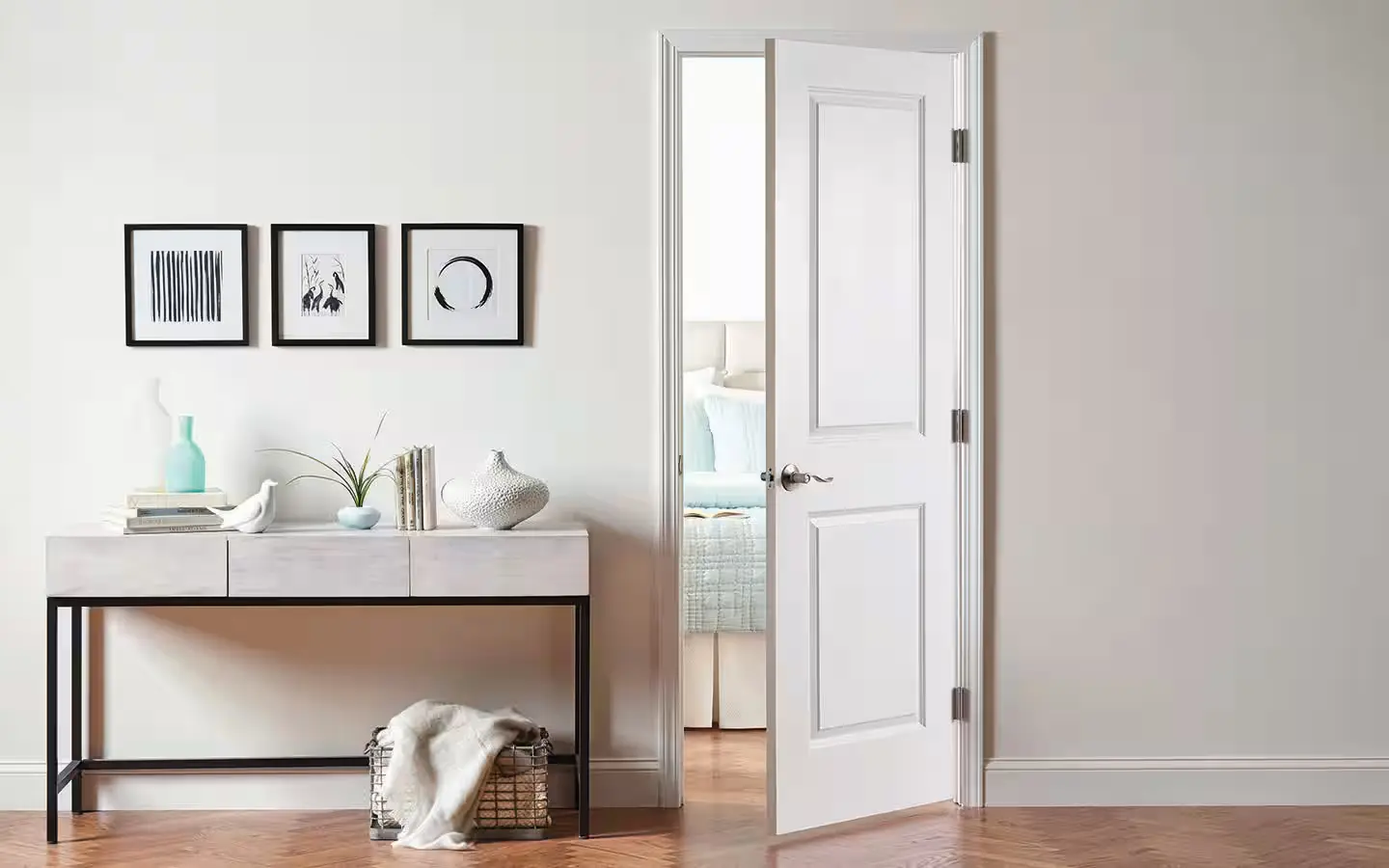
Interior doors are not just functional elements of your home. They play an essential role in defining your space’s overall aesthetic and setting the tone for each room. Whether you are renovating a room or building a new house, choosing the perfect interior door is key to achieving both style and function.
Why the Right Interior Door Matters in Home Design?
The right interior door doesn’t just complete a room—it elevates the entire space. When you choose the right style, material, and design, the door helps tie the other elements of the room together. For example, a sleek, modern flush door can add a minimalist touch, while a detailed wooden panel door might add warmth and traditional charm.
Aside from aesthetic value, interior doors also contribute to practical considerations like noise reduction, light control, and privacy. For instance, solid wood doors can help block sound between rooms, making them ideal for bedrooms or home offices. On the other hand, glass-panel doors can help brighten up a space by letting in natural light, without completely sacrificing privacy.
The right door also enhances your home’s functionality. Doors act as barriers to define rooms and offer privacy. They guide traffic flow and often serve as the first thing guests notice upon entering a room. Whether you’re after a statement piece or something simple and subtle, interior doors are a crucial part of your home’s design.
Overview of the Different Types of Interior Doors
Interior doors come in various styles, materials, and designs. Choosing the right one depends on your space, budget, and desired aesthetic. Below, we’ll explore the most popular types of interior doors to help you better understand your options.
1. Traditional Wood Panel Doors
Wood panel doors are classic and timeless. These doors typically feature raised or flat panels and are made of solid wood or engineered wood. Wood panel doors are perfect for traditional and rustic-style homes. They offer a warm, inviting look and are durable and sturdy. The wood used can range from oak to mahogany, allowing for a range of finishes, from natural to stained or painted.
2. Modern Flush Doors
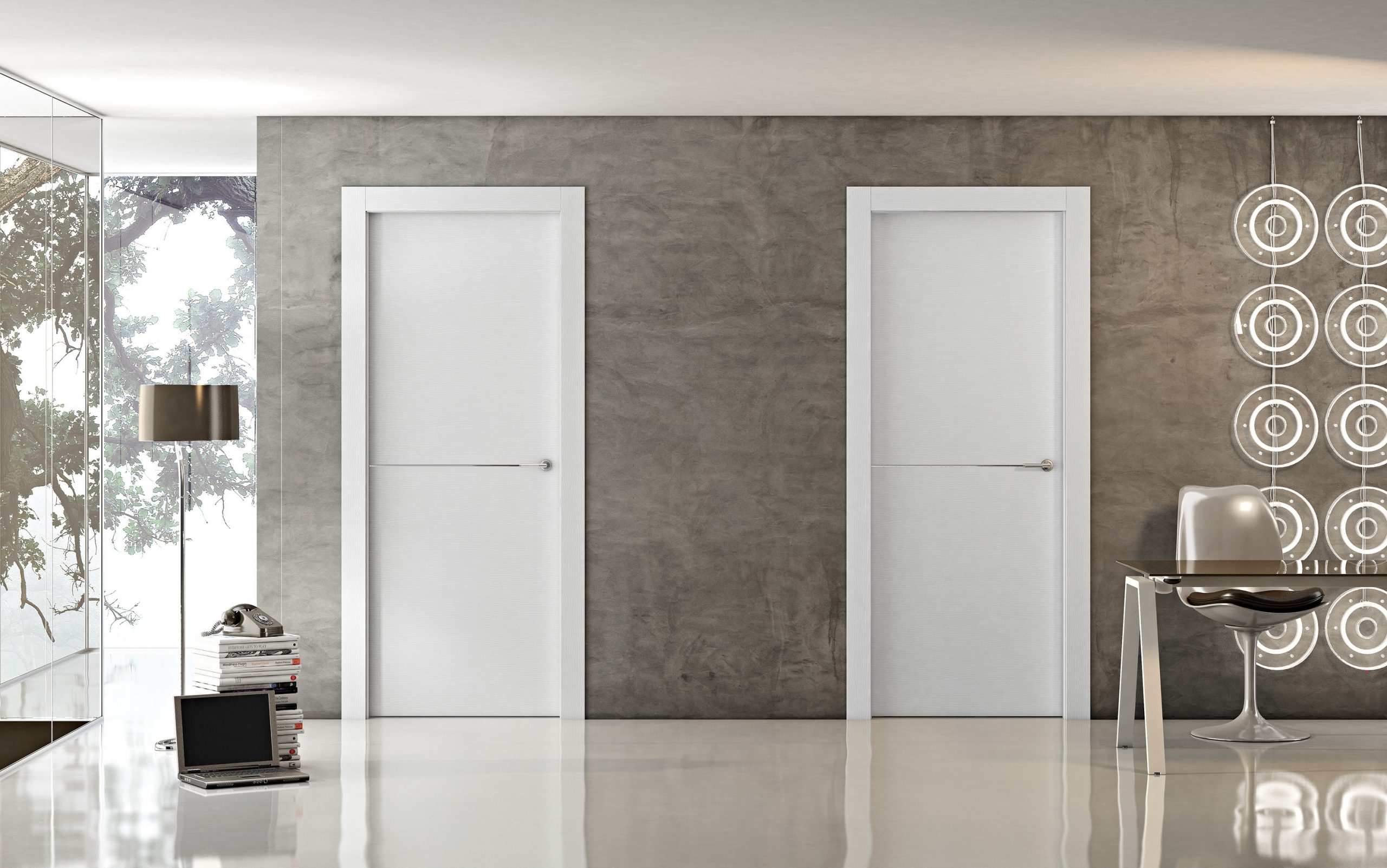
Flush doors are sleek and minimalist. Unlike panel doors, flush doors have a smooth, flat surface with no visible panels or designs. This style is great for contemporary and modern homes, where clean lines and simplicity are key. Flush doors are often made from medium-density fiberboard (MDF), which can be painted or veneered to match your design needs.
3. Glass Panel Doors
If you’re looking to brighten your home or create a sense of openness, glass-panel doors are an excellent option. These doors feature one or more glass panels, allowing light to flow from one room to another. Glass doors are perfect for areas where privacy is less of a concern, such as between a living room and dining room. They come in a variety of designs, including frosted or clear glass, and can be framed in wood, aluminum, or steel.
4. Barn Doors
Barn doors are a unique, rustic choice for homeowners looking to make a statement. Typically mounted on a sliding track, barn doors add character and charm to kitchens, bathrooms, and bedrooms. While barn doors are stylish, they also save space, as they don’t require the swing space that traditional hinged doors do. This makes them ideal for smaller rooms.
5. French Doors
French doors are elegant and timeless, often featuring two glass-paneled doors that swing open. They are commonly used to connect indoor spaces to outdoor patios or gardens, but they are also a great choice for rooms inside the house. French doors can give your home a sense of openness, and they come in many materials, including wood and aluminum, to suit various styles.
Summary
Each of these interior door styles has its unique benefits and is suited for different purposes within your home. The key is to choose one that not only fits your aesthetic but also serves your functional needs. By understanding the types of interior doors available, you can make an informed decision that enhances the look and feel of your home.
Top Interior Door Styles to Consider
Choosing the right interior door for your home is more than just a functional decision—it’s about style, ambiance, and creating the right atmosphere. The style of door you select can set the tone for the entire room and add character to your home.
Traditional Wood Panel Doors
Traditional wood-panel doors are often regarded as the gold standard of interior door design. These doors feature one or more solid-wood panels, giving them a distinct, classic look. Not only do they bring natural beauty to any room, but they also add a sense of richness and warmth that many modern designs lack.
Wood-panel doors are incredibly versatile and work well in both traditional and contemporary homes. Whether you have a cozy cottage or a modern farmhouse, these doors can complement your space beautifully. Their durability is another reason why they remain a top choice for homeowners. Solid wood doors tend to last for many years and can easily be refinished if needed, making them a long-lasting investment.
Classic Elegance with Wood Paneling
The timeless appeal of wood panel doors lies in their classic elegance. When you walk into a room with these doors, they immediately create a sense of warmth and sophistication. The wood’s natural grain, paired with the paneling design, gives the door a refined, upscale appearance.
In many homes, especially those with traditional or rustic décor, wood-panel doors serve as the focal point of a room. The beauty of wood lies in its ability to blend effortlessly with other materials, such as metal, glass, or stone, creating a balanced look that never goes out of style.
Additionally, wood panel doors can be stained or painted to match any design scheme. Whether you prefer a dark mahogany finish or a light oak shade, the options are endless. This flexibility in finishing allows you to personalize the door to suit your home’s unique aesthetic.
Variations: Raised Panel vs. Flat Panel
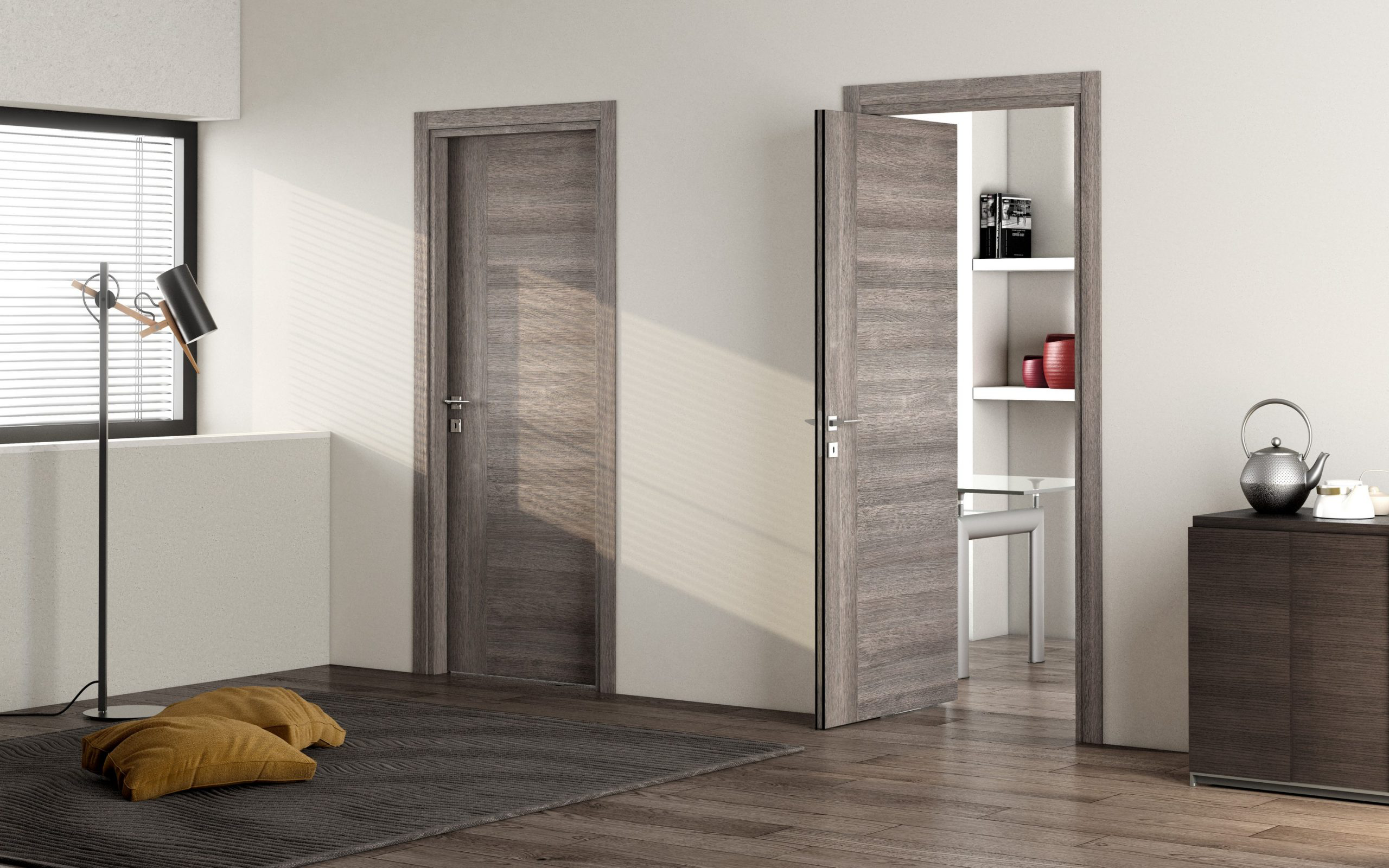
When it comes to wood-panel doors, there are two primary styles to consider: raised-panel and flat-panel. Each style offers a different look, so it’s important to understand its key differences before making your decision.
Raised Panel Doors:
Raised panel doors are a more traditional option. These doors feature panels slightly raised from the door surface, adding depth and texture. The raised design gives the door a more ornate and sophisticated look. Raised panel doors are often associated with more classic, formal spaces, such as dining rooms, libraries, or study areas. If you’re looking to create a sense of grandeur in a room, raised panel doors are an excellent choice.
Flat Panel Doors:
Flat panel doors, on the other hand, have a simpler, more streamlined design. The panels on flat doors are flush with the door surface, creating a clean, modern look. While they may lack the depth of raised-panel doors, flat-panel doors offer a sleek, minimalist aesthetic that can complement contemporary interiors. They are especially well-suited for homes with a more modern or minimalist design.
Modern Flush Doors
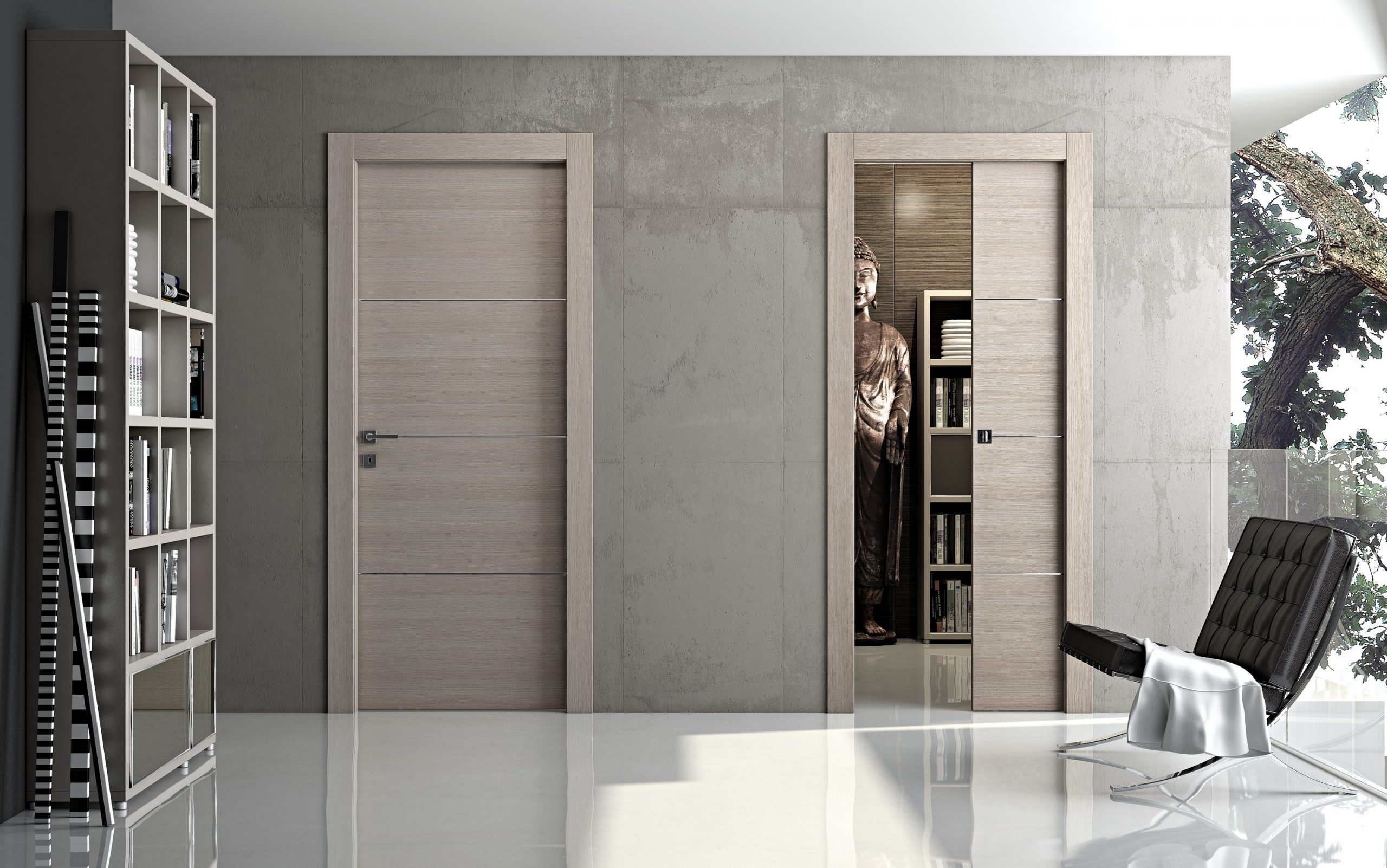
Modern flush doors epitomize simplicity and elegance. These doors feature a flat, smooth surface, offering a clean, uninterrupted look. Unlike traditional panel doors, flush doors lack visible grooves, panels, or embellishments, making them ideal for minimalist interiors.
The flush design works well in a variety of settings, including bedrooms, living rooms, bathrooms, and even office spaces. The sleek surface allows the door to blend into the surroundings, offering a contemporary, subtle look that enhances the room’s overall design.
What makes modern flush doors so appealing is their versatility. Whether you prefer a solid wood finish, a painted design, or even a high-gloss lacquer, flush doors can be customized to suit any home décor. This adaptability has made them a favorite for those seeking a clean, modern, and understated door design.
Clean Lines and Minimalistic Design
The hallmark of modern flush doors is their clean lines and minimalist design. With no elaborate detailing or raised panels, these doors create a smooth, uniform surface that works perfectly in contemporary interiors. The lack of ornamentation gives the door a simple yet refined look, which is ideal for homes with modern, industrial, or Scandinavian styles.
Flush doors contribute to a room’s overall sense of openness and airiness. Their unadorned design draws attention to the architecture of the space rather than competing with it. If you’re looking to create a modern, uncluttered look, a flush door is an excellent choice.
In addition, the clean lines of flush doors make them highly functional. They can be used in a variety of interior layouts and door configurations, including sliding, hinged, and bi-fold options. This flexibility allows homeowners to choose the perfect door for their space, whether they need a space-saving option for a smaller room or a more grand statement piece for a larger, open-plan space.
Popular Materials for Flush Doors
Modern flush doors come in a range of materials, each with its own set of benefits. The material you choose will depend on your budget, desired aesthetic, and the specific requirements of your home.
MDF (Medium-Density Fiberboard):
MDF is a popular choice for flush doors due to its affordability and versatility. It’s a composite material made from wood fibers, wax, and resin, which gives it a smooth, dense surface. MDF doors are easy to paint, making them highly customizable. Whether you want a matte finish, a glossy look, or a color that matches your room’s design, MDF doors can be tailored to your preferences. They are also resistant to warping and shrinking, making them a great option for areas with fluctuating humidity.
Wood Veneer:
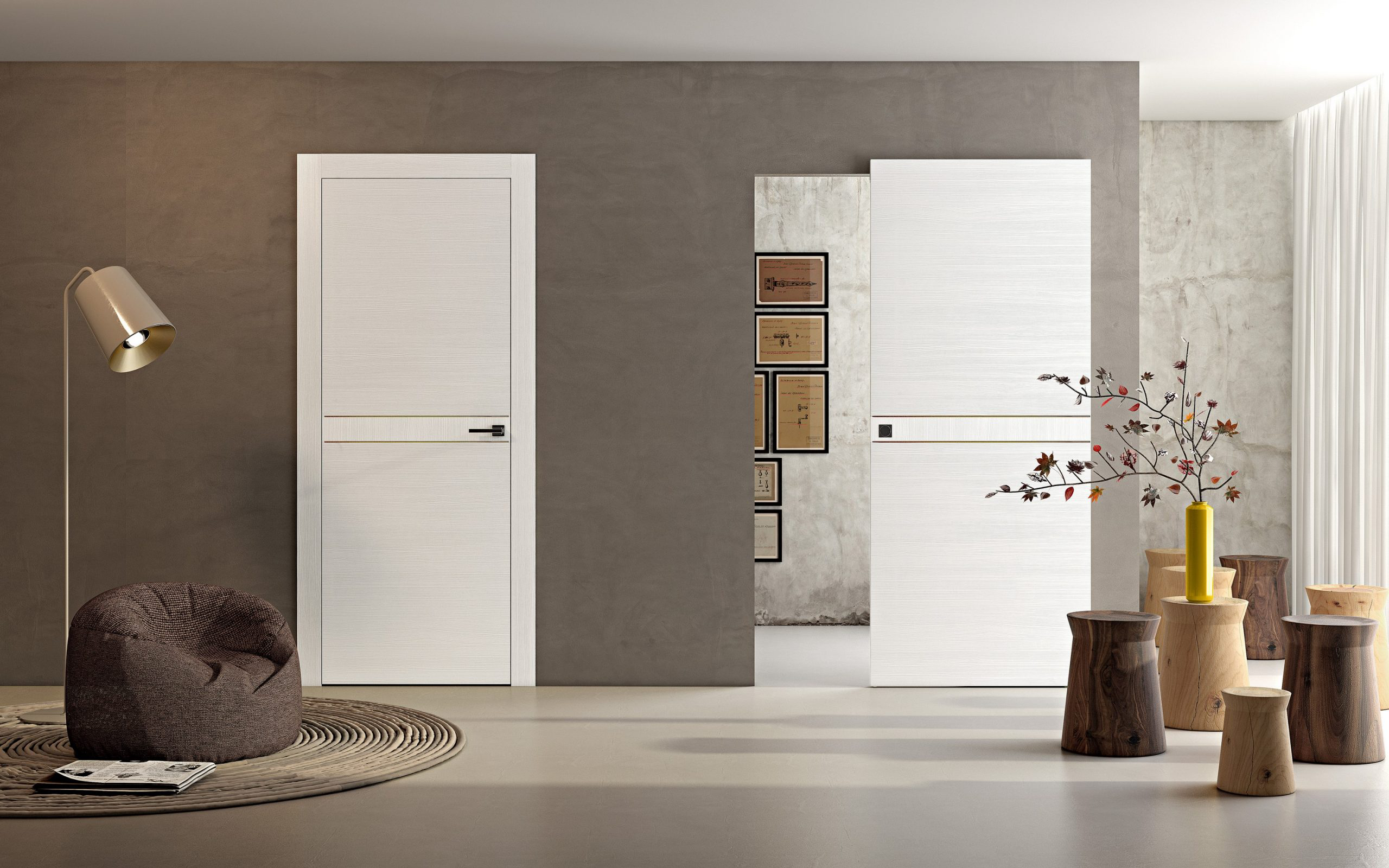
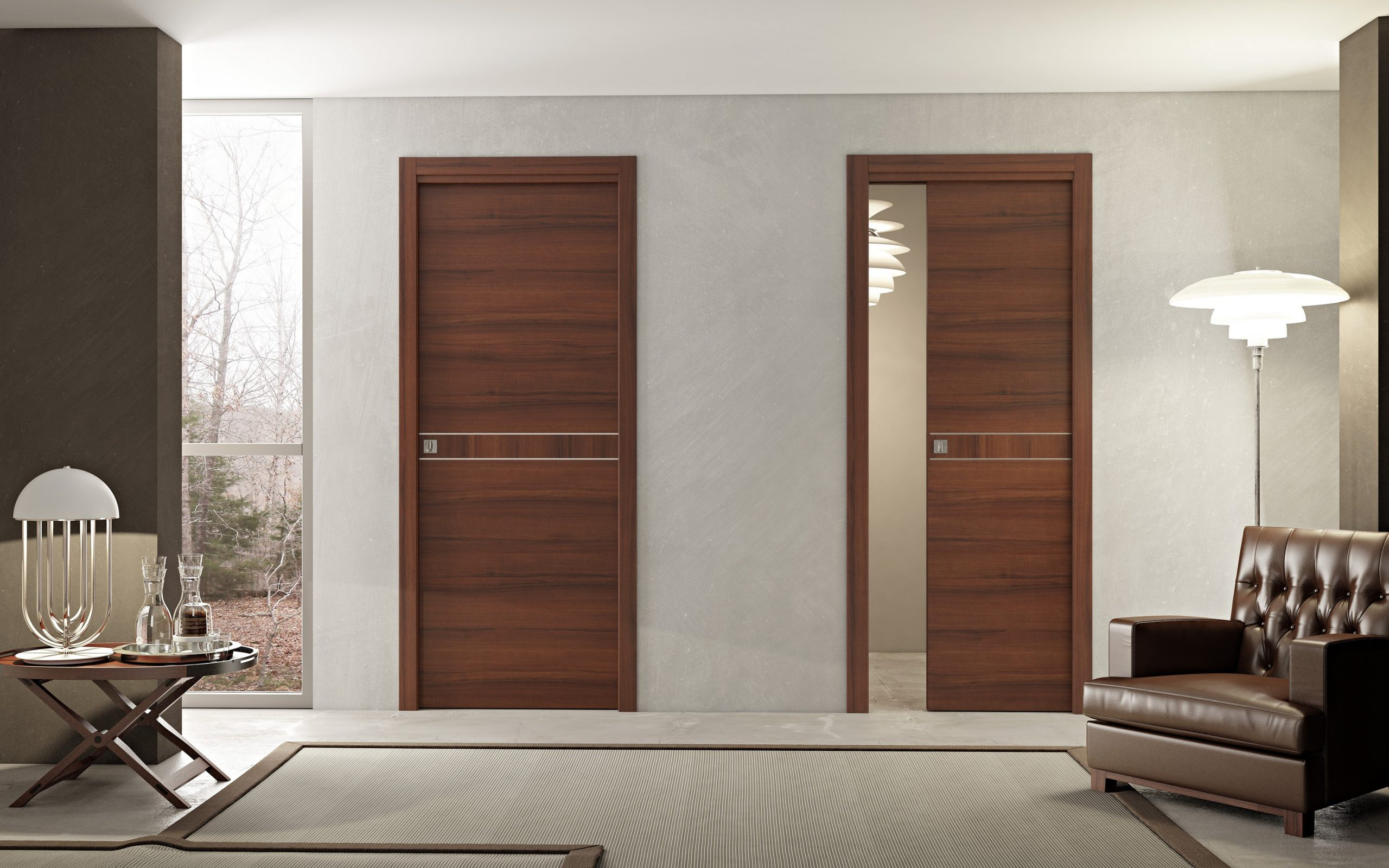
Wood veneer flush doors combine the smooth, minimalist design of flush doors with the natural beauty of wood. A thin layer of real wood is applied over a solid core, giving the door a sophisticated, high-end finish while keeping costs lower than those of solid-wood doors. Wood-veneer doors can be made from a variety of woods, from walnut to oak, allowing homeowners to add a touch of warmth and texture to their space. They’re especially ideal for modern homes that still want to incorporate the organic charm of natural materials.
Solid Wood:
While solid wood flush doors are generally more expensive, they offer superior durability and a premium look. Solid wood doors can be crafted from a variety of woods, including maple, cherry, or mahogany. These doors provide an elegant, natural finish that can enhance the overall design of any room. If you’re after a rich, luxurious feel, solid wood flush doors are an excellent choice.
Laminated Finishes:
For those seeking a more budget-friendly option, laminated finishes provide an affordable alternative to solid wood. Laminated flush doors are available in various finishes, including matte, gloss, and textured. They are designed to replicate the look of wood or other natural materials, while offering enhanced durability and resistance to wear and tear.
Glass Panel Interior Doors
Glass panel interior doors offer a unique way to bring light and openness into your home, making them ideal for areas where you want to create a sense of connection between rooms. Unlike solid doors, glass panel doors feature one or more glass panes that can be clear, frosted, or textured. This design allows light to flow between rooms, brightening up dark areas and creating a more airy, open feel.
These doors are often used in contemporary and modern interiors, where transparency and lightness are valued. Whether framed in wood, aluminum, or steel, glass panel doors can seamlessly blend into almost any home décor, offering both beauty and functionality. They’re also a great way to create a sense of continuity throughout different areas of your home.
Adding Light and Openness to Your Space
One of the main benefits of glass panel doors is their ability to add light and openness to a room. Natural light can make a significant difference in how a space feels—brightening it up and making it feel larger and more welcoming. Glass doors allow light to pass freely from one room to another, helping to reduce the feeling of being closed off or confined.
In spaces like hallways, living rooms, or offices, glass panel doors are a great way to create a more open atmosphere without sacrificing privacy. For instance, a frosted or textured glass door can provide the right balance—letting light in while still keeping the necessary level of privacy. These doors are perfect for spaces that don’t receive much natural light, as they help maximize the light available.
Moreover, using glass panel doors can help create a visual connection between rooms. In open-concept homes, where different areas blend seamlessly, glass doors enhance this flow while maintaining a visual separation between spaces. This makes your home feel more spacious and less fragmented, especially in areas like kitchens and dining rooms.
Best Uses for Glass Panel Doors in Modern Homes
Glass panel doors can be used in various parts of the home, each serving a different purpose. Below are some of the best ways to incorporate glass panel interior doors into modern homes:
1. Between Living and Dining Areas:
In homes with an open floor plan, glass panel doors are an excellent way to separate the living and dining areas while still maintaining a sense of connection. These doors allow for light to pass through while also offering a visual distinction between the spaces. Clear or frosted glass is often used here to provide both an open feel and a level of privacy.
2. In Home Offices:
With more people working from home, creating a peaceful, productive environment is essential. Glass panel doors are perfect for home offices, as they help define the space without cutting it off from the rest of the house. If you want a balance of privacy and openness, frosted glass doors are a great choice, allowing you to work without distractions while still letting in light.
3. Bedrooms and Bathrooms:
For bedrooms and bathrooms, glass-panel doors can enhance the space while providing privacy. If you’re using glass doors in the bedroom, consider using frosted or tinted glass for added privacy. In bathrooms, glass panel doors are a stylish choice for shower enclosures, adding a modern touch and making the space feel more open.
4. Connecting Indoor and Outdoor Spaces:
Glass panel doors are also ideal for connecting your interior to outdoor areas, such as patios or gardens. These doors help create a seamless transition from inside to outside, especially when you want to bring the outdoors into your living space. Sliding glass doors, for example, are a popular choice for patios, offering a wide opening and allowing you to enjoy your outdoor views year-round.
Barn Doors
Barn doors are a distinctive style of interior door that has gained immense popularity in recent years. These doors typically feature a sliding mechanism that allows them to move along a track, rather than swinging open like traditional doors. The result is a door that’s not only visually striking but also space-efficient. Barn doors are available in a variety of materials, including wood, metal, and even glass, making them versatile enough for both rustic and modern homes.
The beauty of barn doors lies in their ability to combine rustic charm with functionality. Whether used to separate rooms, close off a pantry, or provide access to a home office, barn doors make a bold statement while serving a practical purpose.
Rustic Charm Meets Functionality
One of the key reasons barn doors have become so popular is their ability to infuse any space with rustic charm. The natural beauty of the wood, the warm tones, and the simple design make barn doors a perfect fit for farmhouse, cottage, and rustic-style interiors. These doors bring a touch of nature into your home, enhancing the overall aesthetic and creating a cozy, welcoming atmosphere.
But barn doors are not just about looks—they are also incredibly functional. The sliding mechanism saves space, which is perfect for smaller rooms where traditional hinged doors might be too bulky. For example, in a tight hallway or a small bedroom, a barn door can be used to maximize space without sacrificing style. They can even be a great choice for areas with limited swing space, such as bathrooms or closets.
The wide range of finishes and materials available means you can customize the look of a barn door to suit your home’s design. Whether you prefer a natural wood finish, a sleek painted option, or even a more industrial metal style, there’s a barn door to complement your space’s aesthetic.
Why Barn Doors Are Gaining Popularity in Interior Design?
Barn doors have seen a significant rise in popularity in recent years, and their appeal isn’t hard to understand. Here’s why more and more homeowners are choosing barn doors for their interior spaces:
1. Space-Saving Benefits:
One of the biggest advantages of barn doors is their space-saving design. Unlike traditional doors, which require clearance to swing open, barn doors slide along a track, taking up no extra space in the room. This makes them ideal for smaller spaces, such as apartments, bathrooms, or tight hallways, where a traditional door might be impractical.
2. Versatility in Design:
Barn doors come in a variety of styles and finishes, making them suitable for nearly any interior design. Whether your home features a modern, industrial, or rustic décor, there’s a barn door that can complement your existing style. From reclaimed wood designs to sleek, minimalist metal options, barn doors are incredibly versatile and can be tailored to fit your home’s aesthetic.
3. Aesthetic Appeal:
The rustic, natural look of a barn door can enhance a room’s overall character. It adds warmth, texture, and a unique touch to spaces, often serving as a conversation piece. The sliding design also makes barn doors visually interesting, offering a distinctive feature in contrast to standard hinged doors.
4. Practicality and Ease of Use:
Barn doors are surprisingly easy to use. The sliding track system makes them effortless to open and close, even for children or elderly family members. They don’t require a handle like a traditional door, so that you can enjoy a clean, streamlined look.
5. Ideal for Open-Concept Living:
In modern homes with open-concept living spaces, barn doors help to create functional divisions between rooms without disrupting the flow of the space. They provide privacy when needed, but when open, they allow light and air to circulate freely between rooms.
6. Increasing Customization Options:
As barn doors have become more mainstream, manufacturers have begun offering more customization options. You can now choose from various track systems, finishes, and even add glass inserts or decorative hardware. This level of customization means that barn doors can fit seamlessly into any space, adding a personal touch that matches your style.
Barn Doors
French doors are a symbol of elegance and sophistication. These doors typically consist of two panels, each featuring multiple glass panes. They are often used in pairs, allowing them to open up to reveal a wider space and create a sense of openness. Originally, French doors were used to connect indoor spaces to outdoor patios. Still, today they are commonly found throughout the interior of modern homes, adding charm and functionality to any room.
One of the defining features of French doors is their ability to bring in abundant natural light, making them ideal for areas that can benefit from extra brightness. Their elegant design also makes them a beautiful focal point in any room, whether in living areas, kitchens, or bedrooms.
Factors Influencing Interior Door Style Choices
Choosing the right interior door for your home is not just about looks—it’s about functionality, durability, and how the door complements your space. Several factors influence the decision-making process when selecting the perfect interior door style.
Room Functionality and Purpose
The first and most important factor to consider when choosing an interior door is the room’s functionality and purpose. Different rooms in your home serve different purposes, and your choice of door should align with each room’s needs.
For example, bedroom doors typically require a solid, more private option to ensure peace. A solid wood or composite door may be ideal here to block sound and provide the necessary privacy. On the other hand, living room or dining room doors might benefit from something more decorative, such as French doors or glass-panel doors, to allow light to flow between spaces while still maintaining some level of separation.
Bathrooms usually need doors that provide privacy while also resisting moisture. A wood-veneer or composite door could work well in these environments, as they can better withstand humidity than solid wood. Additionally, in spaces like offices or home studies, choose doors that balance sound insulation and style. Sliding doors are great for these spaces, as they save room while providing functionality and privacy.
Material Considerations
Another crucial factor when choosing interior doors is the material. The material you choose will directly affect the door’s appearance, durability, and performance. Two of the most common material options are wood and composite.
Wood is a classic and versatile choice that offers timeless appeal. Solid wood doors, such as oak or cherry, add warmth and elegance to any space. They are durable, long-lasting, and can be stained or painted to match your home’s design. However, solid wood doors can be heavy and may require more maintenance to keep them looking their best.
Composite doors, on the other hand, are made from a mix of materials such as wood fibers, resins, and sometimes metal or plastic. These doors are generally more affordable than solid wood options, and they are lighter and easier to maintain. Composite doors are also resistant to warping and shrinking, which makes them a great option for homes with fluctuating humidity. They often come with a smooth, uniform finish that can be painted to suit any décor.
If you’re looking for something budget-friendly, MDF (medium-density fiberboard) doors are a popular choice. MDF is a smooth, dense material that can be easily painted and offers the look of solid wood without the price tag. Composite doors also tend to offer better insulation compared to solid wood, making them a good option for rooms where soundproofing is a priority.
Home Design Aesthetics
The final factor in choosing the right interior door style is how it fits into your overall home design aesthetic. The style and material of the door should complement your home’s existing décor and design elements, creating a cohesive look throughout your space.
For modern homes, sleek flush doors or glass-panel doors might be the ideal choice. These doors have clean lines and minimalist designs that blend seamlessly into contemporary spaces. Barn doors are also a popular choice for modern homes, offering a stylish, functional solution with their rustic yet refined design.
In contrast, if you have a more traditional or rustic style, wood panel doors with raised or flat panels might be a better fit. These doors add character and warmth to a space, creating a cozy, inviting atmosphere. French doors are also a great option for more traditional homes, as they exude elegance and provide a timeless look.
If your home features an industrial design, metal-framed glass doors might be a perfect match. The combination of glass and metal creates an edgy, urban vibe that complements the raw materials often found in industrial interiors. For those with Scandinavian or mid-century modern décor, simple, functional doors with smooth finishes and neutral colors will maintain the clean and airy feel that defines these styles.
How to Choose the Right Interior Door for Your Home?
Choosing the right interior door is a key decision when updating or designing your home. The right door can not only enhance a room’s aesthetic appeal but also provide functional benefits, such as sound insulation, light control, and privacy.
Considering Your Budget and Space
Before you get too deep into design choices, consider your budget and available space. These two factors play a significant role in narrowing down your options and ensuring that your interior doors are both affordable and functional for your home.
Budget Considerations:
Interior doors come in a range of price points depending on the material, style, and brand. Solid wood doors, for instance, are generally more expensive than composite or MDF doors. However, solid wood is durable and offers a classic look that can enhance your home’s value. If you have a more limited budget, composite doors or MDF might be a good option. These materials provide the same look and feel as wood at a fraction of the cost, offering a more budget-friendly solution without compromising quality too much.
Keep in mind that door prices can vary not just by material but also by style. French doors or barn doors might cost more due to their complexity and hardware requirements. On the other hand, flush doors or simpler panel doors may be more affordable, making them a great option for larger spaces where you need to fit multiple doors.
Space Considerations:
If you’re working with a small room or a tight hallway, consider a space-saving door. Sliding doors, such as barn doors or pocket doors, are excellent choices for tight spaces, as they don’t require extra room to swing open. For rooms where space is not a concern, you have more flexibility to choose traditional hinged doors or French doors, which can be more visually dramatic.
The size of the door also matters. Measure your door frame carefully to ensure you select a door that fits. A door that’s too small or too large for its frame will look out of place and could affect how well it functions.
Design Tips for Making Your Door Style Work with Your Home Decor
Once you have a clear understanding of your budget and space, the next step is to choose a door that complements your home’s overall design and décor. The right door should not only function well but also enhance the room’s aesthetic. Here are some design tips to help your interior door blend perfectly with your home decor.
1. Match Door Styles with Room Function:
The style of the door you choose should reflect the room’s purpose. For example, wood panel doors work well in bedrooms or living rooms, where warmth and privacy are important. For spaces where you want to let in more light, glass panel doors or French doors can be a beautiful addition. These doors are ideal for connecting living spaces or transitioning from the indoors to an outdoor area, such as a patio.
In areas like kitchens or bathrooms, frosted glass or solid doors are often the best choice for maintaining privacy while still allowing light to flow between rooms. Consider each room’s function when deciding on the type of door. For example, barn doors are fantastic for a rustic-themed home or for a door that doesn’t take up much space.
2. Pay Attention to Material and Color:
The material and color of the door should work with the existing materials and color palette of the room. Wood doors are a great choice for traditional and rustic interiors, adding natural warmth and texture to the room. If your home has a more modern or minimalist feel, consider flush doors or metal-framed glass doors, which have a sleek, clean look.
When selecting the door color, consider how it contrasts with or complements the walls and furniture. A dark wood door can add a bold contrast to light-colored walls, while a white or neutral door can blend seamlessly with a more subdued palette. For added flair, you can even choose painted doors in an accent color that ties in with the room’s design.
3. Consistency Across the Home:
While each room can have its own unique door style, it’s important to maintain consistency throughout your home. If your home features a modern design, it’s best to keep the door styles consistent with clean lines and minimal decoration. If you’re using French doors or glass panel doors in one room, consider using them in other rooms to maintain visual harmony.
However, you don’t have to use the same style in every room. For example, you might have wood-panel doors in the living room, but flush or barn doors in the kitchen or bathroom. Just make sure there’s a visual connection between the doors, so the design feels cohesive and thoughtfully planned.
4. Hardware and Finishing Touches:
The hardware—such as handles, hinges, and tracks—should also match the door’s style and your home decor. For example, antique brass or oil-rubbed bronze hardware works well with wood-panel doors for a more traditional feel, while chrome or matte black hardware suits modern flush or glass-panel doors. Don’t overlook the details, as these finishing touches can tie the entire look together.
Conclusion
Final Thoughts on Choosing the Perfect Interior Door Style
When it comes to selecting the perfect interior door style for your home, there’s no one-size-fits-all solution. The best door balances aesthetics and practicality. Whether you opt for the timeless elegance of French doors, the sleek modern appeal of flush doors, or the rustic charm of barn doors, the right choice will depend on the room’s purpose, your design vision, and your budget.
Remember that your door isn’t just a functional element—it’s also a part of the overall atmosphere you want to create in each space. Consider how your interior door fits with the rest of your décor, and ensure it enhances the flow and functionality of your home. A well-chosen door will help tie your design together, add character to your room, and serve its intended purpose effectively.
Why the Right Door Style Can Transform Your Space?
The right interior door style can truly transform your space in more ways than one. Doors are often the first thing visitors notice when they enter a room. A beautiful interior door can set the tone for the entire space, whether it’s a sleek, minimalist design for a modern home or a classic, detailed wood panel door for a more traditional look.
Additionally, the right door can create a sense of openness, light, and flow. For example, glass-panel doors let light flow freely between rooms, making your home feel brighter and more expansive. On the other hand, barn doors save space and introduce an element of design that can act as a focal point.
Ultimately, an interior door isn’t just a functional item—it’s an essential element in defining your space. By choosing the right door, you not only meet practical needs but also contribute to your home’s style and atmosphere. Whether you’re aiming for modern simplicity, rustic charm, or traditional elegance, the right door will help elevate your living environment, making it feel more cohesive, comfortable, and stylish.
Relate FAQ
What are the different types of interior doors?
There are several popular types of interior doors:
- Panel Doors: These are the classic style, with panels of wood forming the structure. They can be designed with varying numbers of panels and often give a traditional look.
- Flush Doors: These doors have a smooth surface, offering a modern, minimalist design. They are typically made from a solid or hollow core.
- French Doors: Featuring glass panels, French doors allow light to pass between rooms, making them ideal for connecting spaces like a living room and dining room.
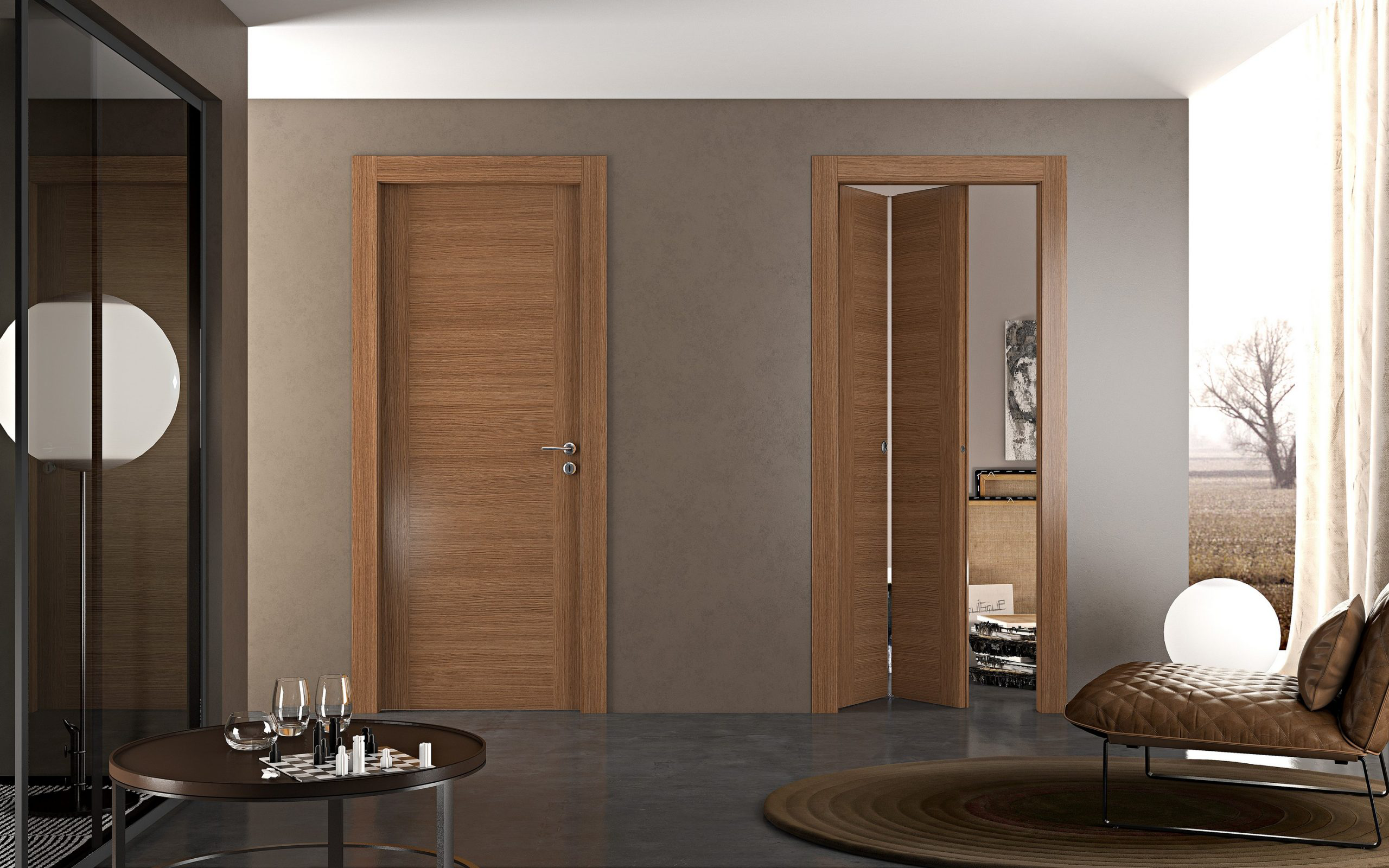
- Bi-fold Doors: These doors fold in half when opened, saving space and making them ideal for smaller rooms or closets.
- Barn Doors: Inspired by rustic design, barn doors slide along a track and add a stylish, country feel to any home.
What is the most popular interior door style in modern homes?
The most popular interior door style in modern homes is flush doors. Their clean, sleek look complements contemporary interiors. They are available in various finishes, such as wood veneer, laminate, or paint, and can be customized with different textures and colors. This versatility makes them highly adaptable for different home styles.
Are glass interior doors popular?
Yes, glass interior doors, particularly French doors, have become increasingly popular. They enhance natural light flow between rooms and provide a more open, airy feel. Glass doors are often used in living rooms, offices, or other areas where a more open layout is desired. Modern glass doors often feature frosted or etched designs for privacy while maintaining a light, inviting quality.
What interior door styles are best for small spaces?
For small spaces, bi-fold doors are a popular choice due to their space-saving feature. These doors fold neatly, allowing access to a room without the swing space required by traditional hinged doors. Sliding doors, such as barn doors, are also great for maximizing space while providing a stylish look.
How do I choose the right interior door for my home?
Choosing the right interior door depends on several factors:
- Style of the Room: For a traditional space, panel doors are a good choice. For modern designs, flush or minimalist doors work well.
- Space Constraints: Consider sliding or bi-fold doors for smaller spaces where a door swing would be impractical.
- Privacy Needs: If privacy is important, choose solid doors or frosted glass to limit visibility.
- Material Preferences: Wood doors provide a classic feel, while glass doors are ideal for creating open, light-filled spaces.