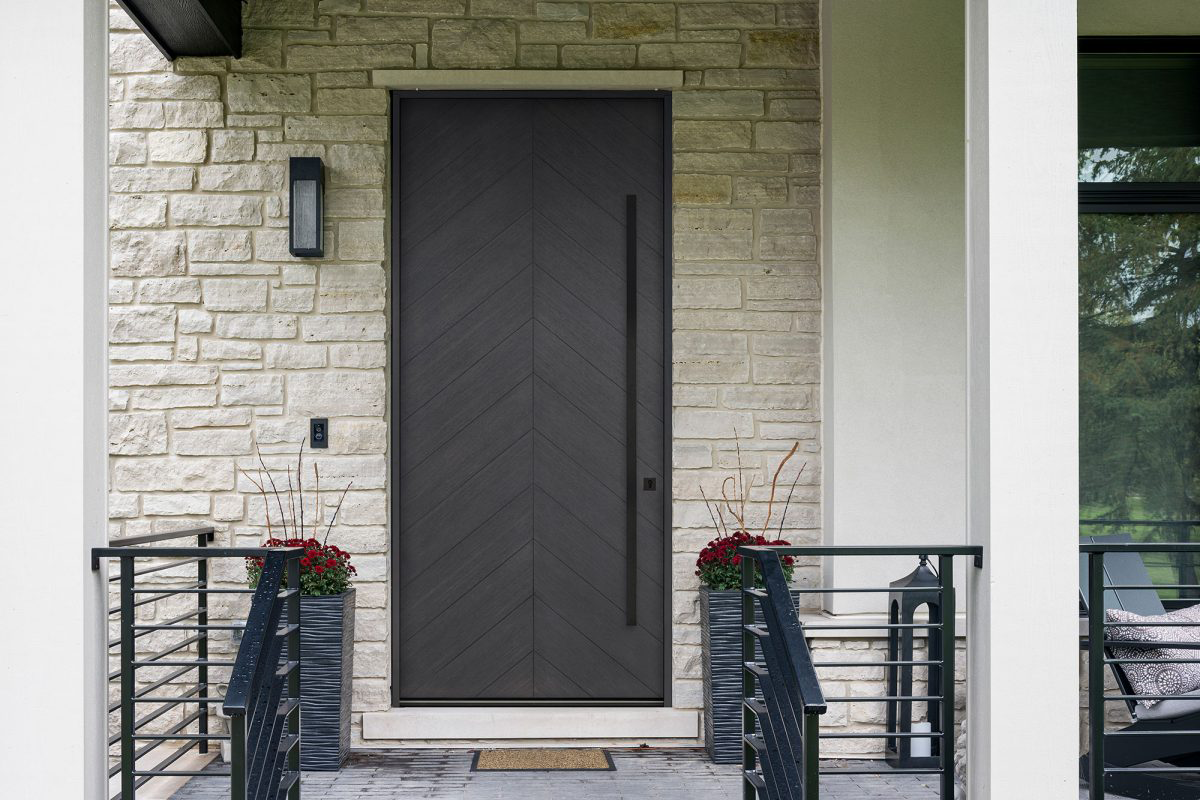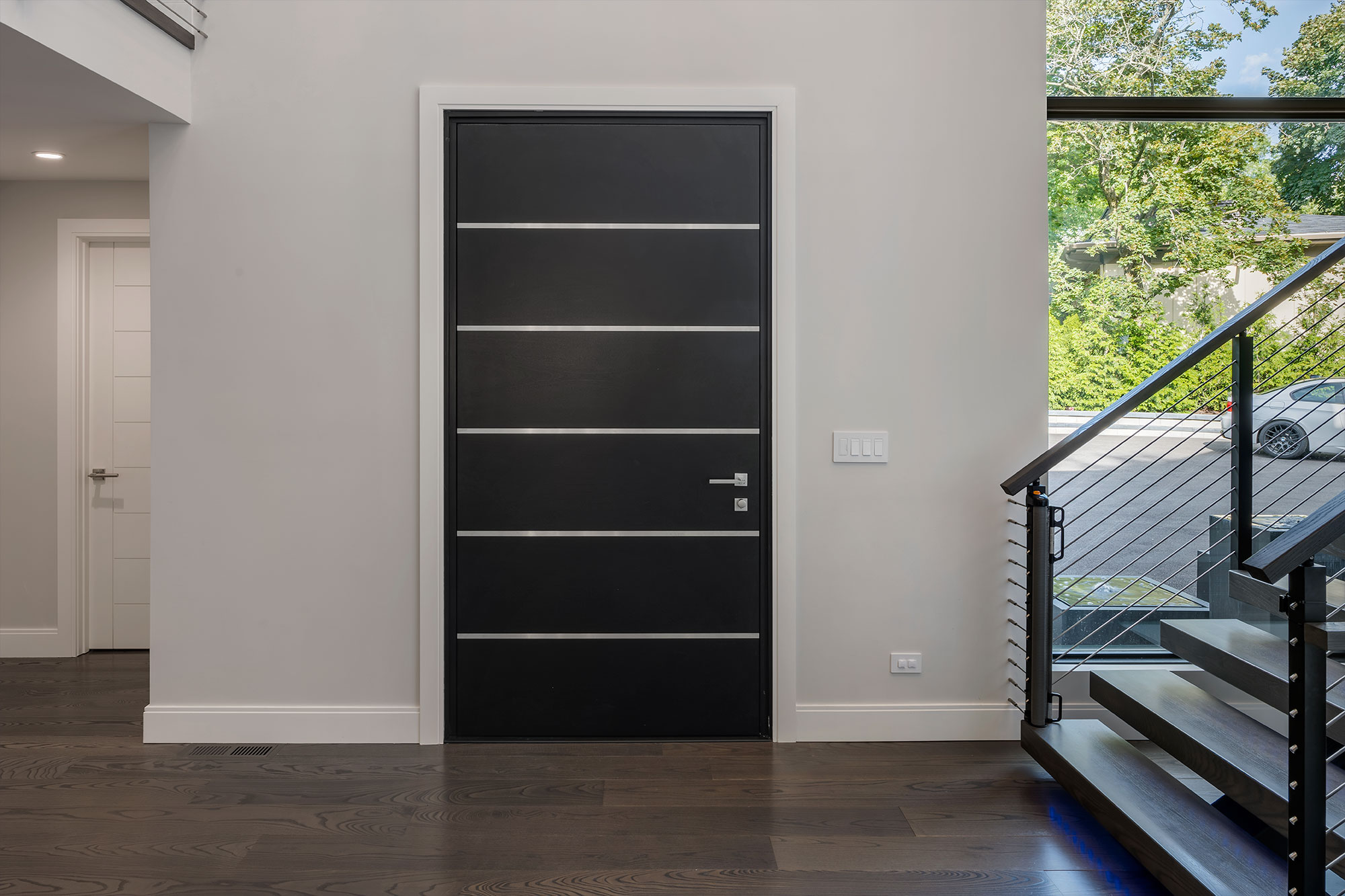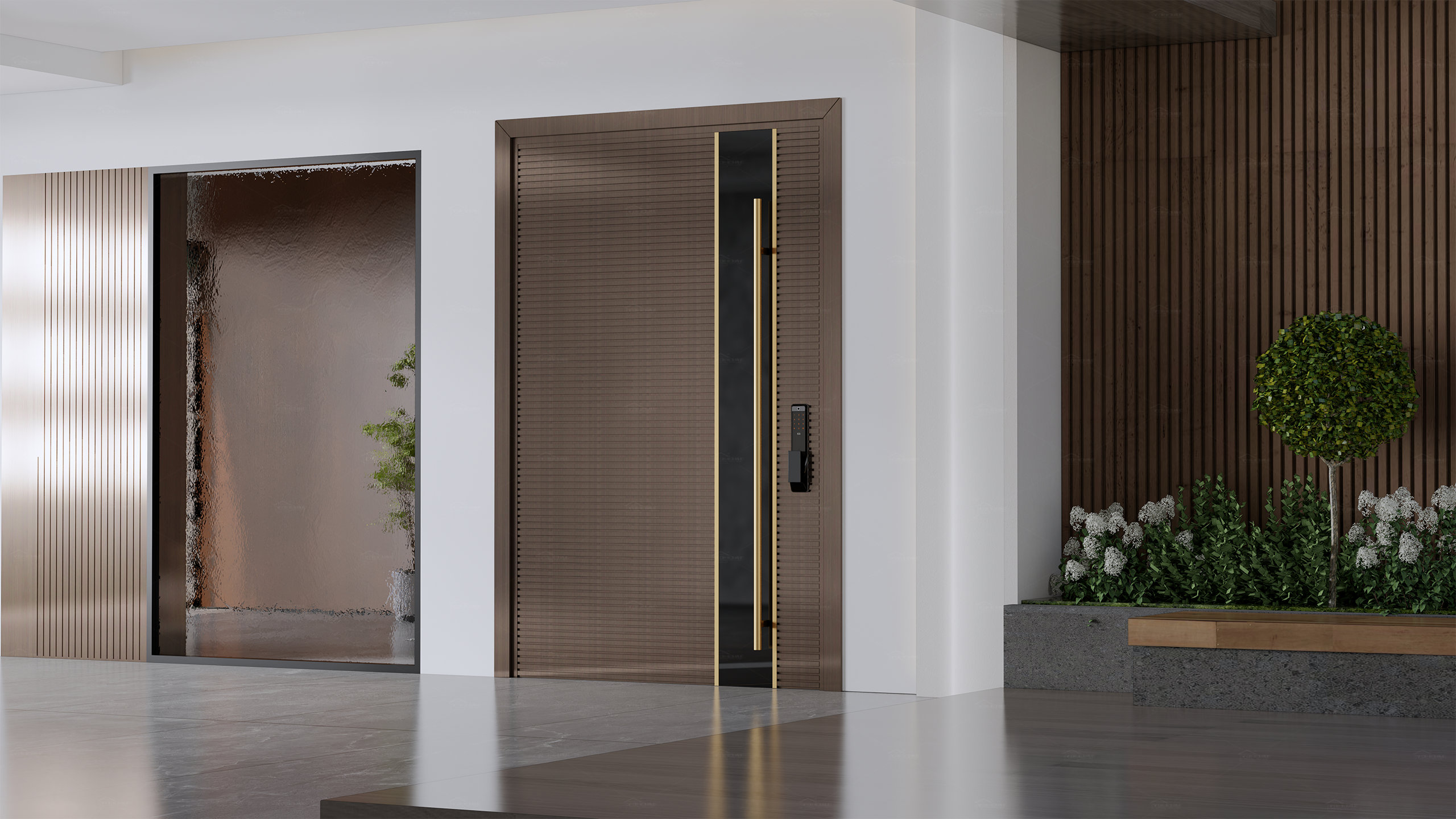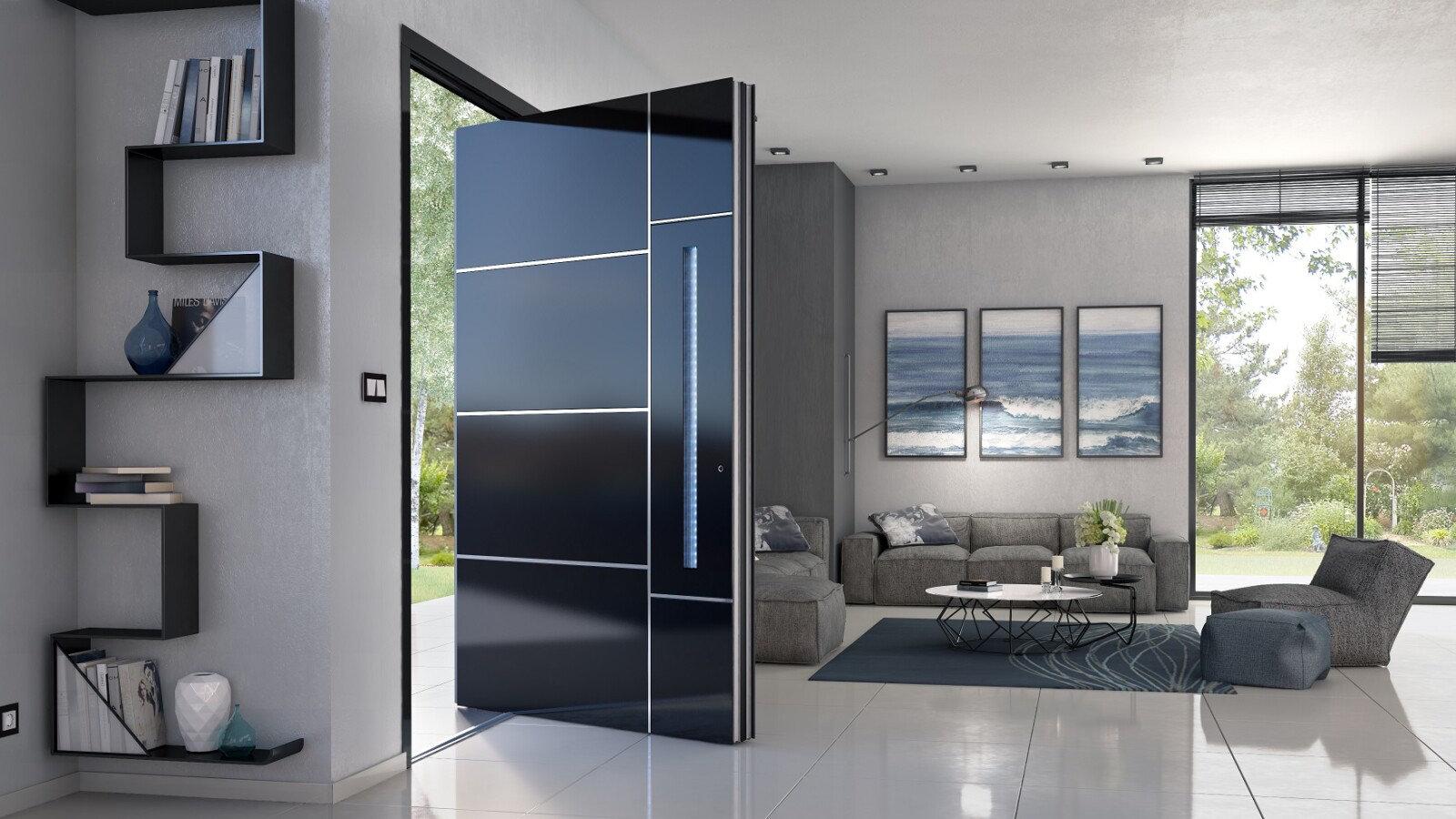
What hardware is required for a pivot door?
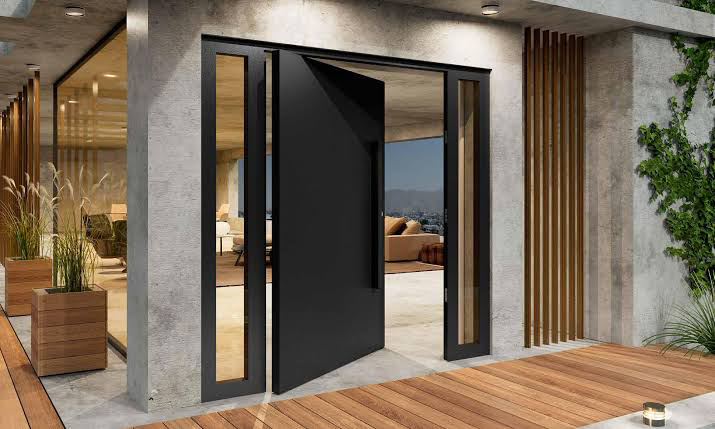
Understanding The Hardware Behind A Pivot Door
A pivot door is more than a large door panel that swings open in a modern way. Behind every smooth movement is a carefully designed pivot door hardware system. Unlike traditional hinged doors, pivot doors rely on specialized pivot hinges, pivot sets, and support components to handle the door’s size, weight, and daily use.
What Makes Pivot Door Hardware Different From Regular Door Hardware?
Pivot door hardware works differently from standard door hinges because the door rotates around a central or offset pivot point rather than swinging on side hinges. Traditional doors place most of the weight on two or three hinges, while a pivot door transfers the load through the top and bottom pivot hardware.
Because of this design, pivot door hinges are built to support much heavier and wider door panels. Heavy-duty pivot hinges can support large wood, glass, aluminum, and steel doors while maintaining smooth operation and proper balance.
Another key difference is the hidden design of many pivot door hardware systems. Unlike visible butt hinges, concealed pivot hardware creates a clean, modern look that complements luxury homes, commercial buildings, and contemporary architectural designs.
In addition, pivot door hardware usually offers more adjustment options. Installers can fine-tune the door height, alignment, and closing speed to maintain a perfect fit, even with large, oversized pivot doors.
Why Does A Pivot Door Need Special Hardware?
A pivot door requires special hardware because its size and weight are often much greater than those of a standard door. Many modern pivot entry doors are taller, wider, and heavier, so normal door hinges cannot provide enough support or stability.
The pivot door system uses strong pivot hinges and pivot mechanisms to spread the door weight between the floor and the top frame. This balanced design allows a large door panel to open easily without putting excessive pressure on any one area.
Moreover, exterior pivot doors face additional challenges, including wind pressure, weather changes, and frequent use. High-quality pivot door hardware helps keep the door secure and prevents issues like sagging, sticking, or uneven gaps.
For modern homes and luxury projects, special pivot door hardware also improves the overall experience. A well-designed pivot system delivers a smooth, quiet, and effortless opening motion that standard door hardware cannot.
How Pivot Door Hardware Supports Large And Heavy Doors
One of the biggest advantages of a pivot door system is its ability to support oversized and heavy doors. The pivot mechanism moves the rotation point closer to the door’s center, reducing the force needed to open and close the door.
Heavy-duty pivot hinges are made from strong materials, including stainless steel, hardened steel, and high-quality alloys. These components can support large pivot doors made from solid wood, aluminum frames, or thick glass panels.
The bottom pivot hardware carries much of the door’s weight, while the top pivot hardware keeps the door stable during movement. Together, these parts create a balanced system that allows even very large entrance doors to operate smoothly.
For oversized pivot entry doors, choosing the correct pivot door hardware capacity is essential. The wrong hardware size can lead to poor performance, while the right system can provide years of reliable use.
The Main Parts Of A Pivot Door System
A complete pivot door system includes several important hardware components that work together. While the door panel creates the visual impact, the hidden pivot door hardware controls movement, balance, security, and durability.
The main parts usually include pivot hinges, top and bottom pivot sets, pivot boxes, handles, locks, door closers, and adjustment mechanisms. Each part has a specific role in helping the pivot door open smoothly and stay properly aligned.
Unlike a simple hinged door, a pivot door depends on the entire hardware system working together. This is why choosing compatible pivot door accessories and professional-grade components is important for both performance and appearance.
For residential, commercial, and custom architectural pivot doors, the right combination of pivot hardware ensures a strong, safe, and elegant door solution that lasts for many years.

What Hardware Is Required For A Pivot Door?
A pivot door needs a complete hardware system to work smoothly, safely, and reliably. Unlike a traditional hinged door, a pivot door uses a combination of pivot hinges, pivot sets, floor hardware, and top support components to control movement and carry the door weight. The right pivot door hardware depends on the door size, material, and application.
Pivot Hinges: The Key Component Of A Pivot Door
Pivot hinges are the most important part of any pivot door system. They allow the door panel to rotate smoothly around a fixed pivot point rather than using traditional side hinges. This unique design gives pivot doors their signature wide opening and modern appearance.
Unlike standard door hinges, heavy-duty pivot hinges are designed to support larger, heavier doors. They are commonly used for oversized pivot doors, solid wood doors, glass pivot doors, and aluminum entry doors that require extra strength and stability.
Most pivot door hinges include adjustable features that help installers control the door height, position, and movement. This makes it easier to achieve perfect alignment and prevents common issues like door dragging or uneven gaps.
For a high-quality pivot door installation, choosing the correct pivot hinge capacity is essential. A properly selected pivot hinge system can support the door weight, improve daily operation, and extend the lifespan of the entire pivot door hardware setup.
Pivot Door Pivot Sets And Hardware Kits
A pivot door pivot set is a complete hardware package designed to control the movement and balance of a pivot door. It usually includes top and bottom pivots, mounting plates, adjustment parts, and other essential components needed for installation.
Unlike regular door hardware kits, pivot door hardware kits are designed specifically for large and heavy doors. They help distribute the door load between the floor and the ceiling or header, creating a smoother and more stable opening experience.
Many residential pivot doors use standard pivot hardware kits, while commercial projects and oversized entry doors often require heavy-duty pivot door systems. The correct kit depends on factors such as door height, width, thickness, and overall weight.
A complete pivot door hardware kit also makes installation easier because all components are designed to work together. Using matching pivot door accessories reduces adjustment problems and helps achieve better long-term performance.
Floor Mounted Pivot Hardware
Floor-mounted pivot hardware is a key support component in a pivot door system. The bottom pivot carries a large portion of the door’s weight and provides the main rotation point, allowing the door to open and close smoothly.
For large exterior pivot doors, strong floor pivot systems are especially important because they handle constant pressure from daily use. High-quality floor pivots help prevent movement problems and keep the door stable even with heavy materials like solid timber or thick glass.
Many modern pivot door systems use concealed, floor-mounted pivot hardware to create a clean, minimal appearance. The mechanism stays hidden below the door, allowing the design to focus on the large door panel and architectural style.
When installing floor pivot hardware, the floor structure must provide enough support. A strong foundation ensures that the pivot door stays balanced, operates quietly, and maintains proper alignment over many years.
Ceiling Or Header Pivot Components
The ceiling or header pivot components provide the upper support needed for a balanced pivot door system. Working together with the bottom pivot, the top pivot keeps the door stable during opening and closing.
Top pivot hardware is usually installed inside the door frame, ceiling structure, or header area. This creates a secure connection point that controls the door movement while reducing stress on the lower pivot mechanism.
For oversized pivot doors, heavy-duty top-pivot components are especially important. Large doors need stronger support at both the top and bottom to prevent unwanted movement, vibration, or alignment issues.
A well-designed pivot door system combines reliable top- and bottom-mounted hardware to ensure smooth performance. With the right ceiling pivot and floor pivot components, even large modern entrance doors can open easily while maintaining a clean architectural look.
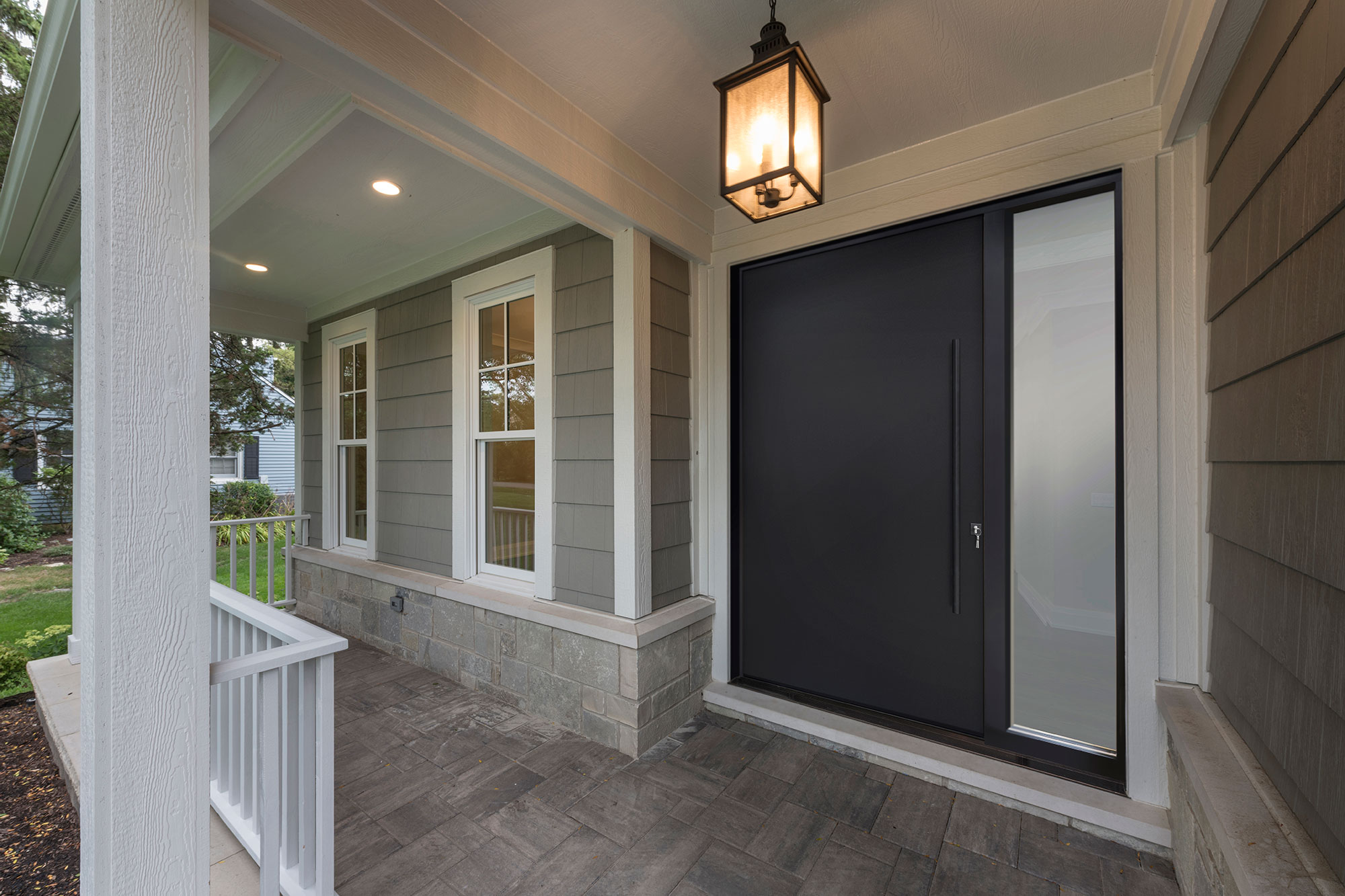
Essential Pivot Door Hardware Components Explained
A pivot door is made up of more than just a large door panel and pivot hinges. A complete pivot door hardware system includes several important components that control movement, security, and daily performance.
From the pivot door frame and lock system to handles, door closers, and safety accessories, every part has a specific purpose.
Pivot Door Frame And Pivot Box
The pivot door frame and pivot box provide the foundation for the entire pivot door system. Unlike traditional door frames, a pivot door frame must support a larger door panel and withstand the additional force generated by the pivot movement.
The pivot box is an important part of many modern pivot door installations. It securely holds the pivot mechanism and helps transfer the door’s weight between the floor and the top structure.
For oversized pivot doors, a strong pivot door frame is especially important. A weak or incorrectly sized frame can cause problems such as door misalignment, uneven gaps, or difficult operation.
Many high-end pivot door systems use concealed pivot boxes to create a clean architectural look. This hidden hardware design keeps the focus on the door itself while still providing strong support and reliable performance.
Door Handles And Pull Handles For Pivot Doors
Door handles and pull handles are not only functional parts of a pivot door but also important design elements. Because pivot doors are often large statement entrances, the handle style can significantly affect the door’s overall appearance.
Long pull handles are a popular choice for modern pivot entry doors because they match the large scale of the door panel. They are commonly used on luxury homes, commercial buildings, and contemporary architectural projects.
When choosing pivot door handles, size, material, and comfort should all be considered. Stainless steel, brass, matte black, and brushed finishes are common options that match different pivot door designs.
A well-designed pivot door handle should feel comfortable and easy to use. The right handle improves the user experience while adding a stylish finishing touch to the complete pivot door hardware system.
Pivot Door Locks And Latching Systems
Security is an important part of any pivot door installation, especially for exterior pivot entry doors. Pivot door locks and latching systems help keep the door secure while allowing smooth and easy operation.
Many modern pivot doors use multi-point locking systems because they provide stronger protection than standard locks. These systems secure the door at several points along the frame, improving safety and weather performance.
For contemporary homes, smart locks and electronic locking systems are becoming more popular. These options allow homeowners to combine advanced security features with the clean design of a modern pivot door.
Choosing the right pivot door lock depends on the door size, location, and usage. A quality locking system helps maintain security while keeping the smooth opening experience that makes pivot doors unique.
Door Closers And Soft Closing Systems
Door closers and soft closing systems help control the movement of a pivot door. Because pivot doors can be very large and heavy, these components help prevent the door from closing too quickly or creating unnecessary impact.
Hydraulic door closers are commonly used for commercial pivot doors and high-traffic entrances. They provide controlled movement and help the door close safely after each use.
Soft-close pivot door hardware is also popular in modern residential projects. It creates a smoother, quieter closing experience, especially useful for large interior pivot doors and luxury entry doors.
A good closing system also protects the pivot door hardware from damage. By reducing stress on the hinges, frame, and locking components, door closers can improve the long-term durability of the entire pivot door system.
Door Stops And Safety Accessories
Door stops and safety accessories are small but important parts of a complete pivot door hardware setup. They help control door movement and prevent damage from over-opening or strong winds.
A pivot door stop limits the opening angle and protects nearby walls, furniture, and hardware components. This is especially useful for large exterior pivot doors that can be pushed by strong air pressure.
For glass pivot doors and oversized pivot doors, safety accessories provide extra protection during daily use. These components help improve user safety while maintaining the door’s clean, modern appearance.
Choosing the right pivot door accessories ensures better performance and fewer maintenance issues. Simple additions such as door stops, seals, and protective components can significantly extend the lifespan of a pivot door system.

Choosing The Right Pivot Door Hardware For Your Project
Choosing the right pivot door hardware is one of the most important steps when planning a pivot door project. The correct hardware choice affects the door’s safety, smooth operation, appearance, and long-term durability. Every pivot door has different needs depending on its size, weight, material, and location.
How To Choose Hardware Based On Door Size And Weight?
The size and weight of a pivot door are the first things to consider when selecting pivot door hardware. A small interior pivot door may only need a standard pivot hinge system, while a large entry pivot door requires heavy-duty pivot hardware with a higher load capacity.
Oversized pivot doors exert greater pressure on the pivot mechanism due to their height, width, and material weight. For this reason, choosing the correct heavy-duty pivot hinges and pivot sets helps prevent problems such as sagging, poor alignment, or difficult operation.
The door material also affects the choice of hardware. A solid wood pivot door, for example, can be much heavier than an aluminum or glass pivot door so that it may require stronger pivot hinges and reinforced floor support.
Before buying pivot door hardware, always check the maximum weight rating and recommended door size. A properly matched pivot door system provides smoother movement, better safety, and a longer service life.
Choosing Hardware For Different Pivot Door Materials
Different pivot door materials require different hardware solutions. Wood, glass, aluminum, and steel pivot doors each have unique weight levels and structural needs, so the hardware must match the door design.
For a solid-wood pivot door, heavy-duty pivot hinges and strong floor-mounted pivot hardware are usually recommended. These systems provide sufficient support for thick timber doors while maintaining smooth, balanced movement.
Glass pivot doors often need specialized pivot door hardware with precise adjustment features. Because glass panels are heavy yet visually delicate, the hardware must provide strong support without compromising the clean, modern appearance.
Aluminum and steel pivot doors are common in contemporary buildings and commercial spaces. These materials often work well with concealed-pivot hardware systems because they combine strength, durability, and a minimalist architectural style.
Indoor Vs Outdoor Pivot Door Hardware
Indoor and outdoor pivot doors have different hardware requirements. Interior pivot doors typically focus on design, smooth movement, and quiet operation, while exterior pivot doors require extra protection against weather and daily wear.
For indoor pivot door installations, standard pivot hardware, concealed pivot hinges, and soft-closing systems are popular choices. These components create a clean look that works well in modern homes, offices, and luxury interiors.
Outdoor pivot doors require stronger exterior pivot door hardware due to exposure to rain, wind, temperature changes, and frequent use. Weather-resistant pivot hinges, durable locks, and strong sealing systems help maintain performance over time.
When choosing hardware for an exterior pivot door, it is important to consider both security and durability. A high-quality pivot door system should provide smooth operation while protecting the home from outside conditions.
Popular Types Of Pivot Door Hardware Systems
Pivot door hardware systems come in different designs to meet various project needs. From modern homes to large commercial buildings, each pivot door system offers unique benefits based on appearance, door size, and performance requirements. The most common options include concealed pivot hardware, heavy-duty pivot door systems, and automatic pivot door hardware.
Concealed Pivot Hardware Systems
Concealed pivot hardware systems are a popular choice for modern pivot doors because they create a clean and minimal appearance. The main pivot components stay hidden inside the floor, ceiling, or door frame, allowing the door design to stand out.
A hidden pivot hinge system is often used for luxury residential pivot doors, interior pivot doors, and high-end architectural projects. Since the hardware remains invisible, it creates a smooth and seamless look without traditional hinges showing.
In addition to appearance, concealed pivot hardware also delivers excellent performance. Many systems include adjustable pivot hinges that allow installers to fine-tune the door position, movement, and closing speed after installation.
For homeowners and designers seeking a modern, elegant entrance, concealed pivot door hardware is an ideal solution. It combines strong support with a simple visual style that fits contemporary architecture.

Heavy Duty Pivot Door Systems
Heavy-duty pivot door systems are designed for large, wide, and heavy doors that require extra support. These systems are commonly used for oversized pivot entry doors, commercial entrances, and custom architectural projects.
Unlike standard pivot hardware, heavy-duty pivot hinges can support much higher door weights. They are built with robust materials and advanced mechanisms to handle large wood, steel, and aluminum doors, as well as thick glass panels.
A heavy-duty pivot door system usually includes reinforced pivot sets, strong floor pivots, and durable top pivot components. Together, these parts help distribute the door weight evenly and maintain smooth operation.
For large exterior pivot doors, choosing the right heavy-duty hardware is essential. A properly designed system prevents common problems such as door sagging, uneven movement, and premature hardware wear.
Automatic Pivot Door Hardware Systems
Automatic pivot door hardware systems combine modern technology with the unique design of pivot doors. These systems use electric operators and sensors to automatically open and close the door, creating a convenient and accessible entrance.
Automatic pivot door systems are often used in commercial buildings, hotels, offices, and luxury smart homes. They provide easy access for visitors while maintaining the large and impressive appearance of a pivot door.
Many automatic pivot door hardware solutions include motion sensors, remote controls, access systems, and smart home integration. These features improve convenience while also supporting security and energy efficiency.
For high-traffic areas, automatic pivot door hardware reduces manual effort and protects the door from unnecessary force. With the right motorized pivot system, even large and heavy pivot doors can operate smoothly and safely every day.
How Much Weight Can Pivot Door Hardware Support?
The weight capacity of a pivot door system depends on several factors, including the hardware design, door size, material, and installation quality. Unlike regular doors, pivot doors use a balanced rotation system that allows them to support much larger and heavier door panels.
Choosing the correct pivot door hardware is important because the wrong system can affect safety, movement, and durability.
Understanding Pivot Door Weight Capacity
Pivot door weight capacity is the maximum load the pivot hardware system can safely support. Unlike traditional hinges that carry the full door weight on one side, a pivot door distributes the load between the top and bottom pivot points.
Most residential pivot door hardware systems are designed to support medium-weight doors, while heavy-duty pivot hinges are made for larger, heavier applications. These systems are commonly used for oversized entry doors, commercial entrances, and custom architectural projects.
The weight capacity of a pivot door system depends on the type of pivot hinge, floor pivot mechanism, and top pivot component. High-quality pivot hardware typically uses strong materials and precise engineering to ensure smooth operation under heavy loads.
Before selecting pivot door hardware, check the manufacturer’s weight rating and installation requirements. Choosing the right load capacity ensures the pivot door opens easily and performs well for many years.
Factors That Affect Pivot Hardware Load Capacity
Several factors can influence how much weight a pivot door hardware system can support. Door size is one of the most important factors, as taller and wider doors put greater pressure on the pivot mechanism.
The door material also plays a major role in weight calculation. A solid wood pivot door is usually heavier than an aluminum or glass pivot door, which means it may require stronger pivot hinges and reinforced floor support.
The quality of the pivot hardware and installation method also affects performance. Even a heavy-duty pivot door system may not work properly if the floor structure, frame supports, or pivot alignment are not installed correctly.
In addition, the frequency of use can change the hardware requirements. A residential pivot door may require standard hardware, while a commercial pivot door with hundreds of daily openings requires a stronger, more durable pivot system.
Choosing Heavy Duty Pivot Hardware For Large Doors
Large pivot doors require heavy-duty pivot hardware that can handle additional weight while maintaining smooth movement. Oversized pivot doors, especially those used as main entrances, often require reinforced pivot hinges and high-capacity pivot sets.
Heavy-duty pivot door systems feature stronger components, including durable bottom pivots, reinforced top pivots, and advanced adjustment features. These parts work together to support large door panels without stressing the frame or structure.
For oversized wooden pivot doors, steel pivot doors, or large glass pivot doors, choosing the right hardware capacity is essential. The correct system helps prevent common issues such as door sagging, uneven gaps, and difficult opening.
A professional-grade, heavy-duty pivot door hardware system also improves long-term reliability. With proper installation and regular maintenance, these systems can support large architectural doors and provide smooth, effortless operation every day.

Pivot Door Hardware Installation Guide
Front door plays a major role in your home’s appearance, security, and energy efficiency. With the right care, you can extend its lifespan and keep it functioning properly for years. Regular maintenance can prevent costly repairs and replacements. This section will discuss properly maintaining your front door through regular cleaning, sealing, weatherproofing, and annual inspections.
How Is Pivot Door Hardware Installed?
Pivot door hardware installation starts with proper preparation of the opening, floor, and ceiling structure. Before installing any pivot hardware, the installer must check the door size, weight, and the required load capacity of the pivot system.
The first step is usually installing the bottom pivot mechanism. Since the bottom pivot carries much of the door weight, it must be securely fastened to a strong floor base to provide stable support.
Next, the top pivot component is installed into the header or ceiling area. The top and bottom pivot points must align perfectly, as even a slight misalignment can affect how smoothly the pivot door opens and closes.
After the pivot hardware is installed, the door panel is attached and adjusted. Installers can fine-tune the pivot hinges, door position, and closing speed to achieve smooth movement and proper alignment.
Finally, other pivot door accessories, such as handles, locks, door closers, and safety stops, are added. A complete installation ensures the pivot door system works safely while maintaining its modern appearance.
Common Pivot Door Hardware Installation Mistakes
One common mistake during pivot door installation is choosing the wrong hardware size. Every pivot door has different weight and dimension requirements, so using standard hardware for an oversized door can lead to poor performance or hardware failure.
Another frequent problem is incorrect floor preparation. Because the bottom pivot supports much of the door weight, a weak or uneven floor structure can cause the pivot door to become unstable, difficult to operate, or misaligned over time.
Poor alignment between the top pivot and bottom pivot is also a major issue. If the pivot points are misaligned, the door may rub against the frame, create uneven gaps, or fail to close smoothly.
Some installers also fail to make proper adjustments after installation. Even high-quality pivot door hardware needs final tuning to ensure balanced movement, correct door height, and smooth operation throughout daily use.
Using professional installation methods and following manufacturer guidelines can help avoid these common problems. A well-installed pivot door system provides better performance, improved safety, and a longer lifespan.
Pivot Door Hardware Maintenance And Repair
A pivot door is designed for smooth operation and long-term performance, but regular care is still important. Like any mechanical system, pivot door hardware needs proper maintenance to prevent wear, noise, and alignment problems. Simple maintenance steps can help protect pivot hinges, pivot sets, locks, and other components.
How To Maintain Pivot Door Hardware
Regular maintenance is the best way to extend the life of a pivot door hardware system. Start by checking the pivot hinges, floor pivot, and top pivot components to make sure everything moves smoothly and stays properly aligned.
Cleaning is also important, especially for exterior pivot doors. Dust, dirt, and moisture can accumulate around the pivot mechanism, affecting its movement. A simple cleaning routine helps prevent unnecessary stress on the hardware.
Lubricating the moving parts is another key step for pivot door maintenance. Applying the correct lubricant to pivot hinges and mechanical components can reduce friction, improve operation, and prevent squeaking sounds.
It is also a good idea to inspect the door alignment and adjust the hardware over time. Changes in temperature, building movement, or frequent use can affect the pivot door system, so small adjustments can help avoid bigger repair issues later.
Common Pivot Door Hardware Problems
One common pivot door problem is difficulty opening or closing the door. Incorrect alignment, worn pivot hinges, or problems with the bottom pivot mechanism often cause this issue.
Another frequent issue is a sagging pivot door. Heavy doors place constant pressure on the pivot hardware, and over time, the hinges or pivot components may need adjustment to restore proper balance.
Noise is also a common concern with pivot door systems. Squeaking or grinding sounds usually come from dry pivot hinges, dirt buildup, or worn moving parts. Regular maintenance can often solve these problems before major repairs are needed.
In some cases, the pivot door may not close properly due to damaged locks, door closers, or incorrect hardware adjustments. Checking each part of the pivot door hardware system helps identify the cause and find the right solution.
For large or heavy pivot doors, professional inspection may be necessary when serious problems appear. Proper repair and timely replacement of damaged components can help maintain the safety, appearance, and performance of the entire pivot door system.

Best Materials And Finishes For Pivot Door Hardware
The material and finish of pivot door hardware play an important role in both performance and design. Since pivot doors are often a main architectural feature, the hardware should provide strong support while matching the space’s overall style. From stainless steel pivot door hardware to modern matte black and brushed finishes, different materials offer unique benefits.
Stainless Steel Pivot Door Hardware
Stainless steel pivot door hardware is one of the most popular choices for modern residential and commercial projects. It is known for its strength, durability, and resistance to rust, making it a great option for both interior and exterior pivot doors.
For exterior pivot doors, stainless steel pivot hinges and pivot hardware provide excellent protection against moisture, temperature changes, and daily wear. This makes stainless steel a reliable choice for large entry pivot doors that need long-term performance.
Another advantage of stainless steel pivot door hardware is its clean and modern appearance. The smooth metallic finish complements glass pivot doors, aluminum doors, and contemporary architectural designs.
Stainless steel hardware also requires less maintenance compared to some other materials. With regular cleaning, stainless steel pivot hinges, handles, and accessories can maintain their appearance and function for many years.
Brass Pivot Door Hardware
Brass pivot door hardware adds a warm and elegant touch to modern and traditional spaces. Its unique golden tone creates a premium look that works especially well for luxury homes, boutique hotels, and high-end interior projects.
Besides its appearance, brass is also known for its durability and long service life. Brass pivot handles, pivot door accessories, and decorative hardware can provide both style and reliable performance when properly maintained.
Many designers choose brass pivot door hardware for projects that need a classic or timeless feel. It pairs well with wood pivot doors, natural materials, and custom architectural designs.
Over time, brass can develop a natural surface character called patina. Some homeowners prefer this aged look because it gives the pivot door system more personality and a unique finish.
Black Matte Pivot Door Hardware
Black matte pivot door hardware has become a popular choice for modern and minimalist designs. Its simple dark finish creates a strong visual contrast and gives pivot doors a bold architectural appearance.
Matte-black pivot hinges, handles, and locks are commonly used with glass, steel, aluminum, and dark-wood pivot doors. The finish creates a clean, stylish look that suits modern homes and commercial spaces.
Another benefit of black matte hardware is its ability to match a range of design styles. Whether the project has an industrial, contemporary, or luxury theme, black pivot door hardware can blend naturally with the overall design.
However, matte finishes need proper care to keep their appearance. Regular cleaning with gentle products helps prevent marks and keeps the black pivot hardware looking fresh over time.
Brushed Nickel And Modern Metal Finishes
Brushed nickel and other modern metal finishes offer a balance between style, durability, and easy maintenance. These finishes create a softer look compared to polished metals while still providing a modern appearance.
Brushed-nickel pivot door hardware works well for residential, interior, and contemporary entry pivot doors. Its neutral tone makes it easy to pair with a wide range of colors, materials, and architectural styles.
Other modern finishes, such as brushed chrome, satin stainless steel, and bronze tones, give homeowners and designers more options when customizing a pivot door system. These finishes allow the hardware to become part of the overall design instead of just a functional component.
When choosing a pivot door hardware finish, consider both appearance and the environment. The right material and finish can enhance the door’s durability while creating a polished, cohesive look throughout the space.
Relate FAQ
What hardware is required for a pivot door?
A pivot door typically requires a pivot hinge system, a top pivot, a bottom pivot, a floor- or concealed-closer (depending on the design), mounting plates, and a compatible frame. Many pivot doors also use magnetic locks, pull handles, weather seals, and adjustable pivot hardware for smooth operation.
What is the difference between pivot hardware and traditional hinges?
Unlike butt hinges mounted on the side of the door, pivot hardware supports the door from the top and bottom. This design distributes the door's weight more evenly, making it suitable for large, heavy, and oversized doors.
Do pivot doors need a floor spring?
Not always. Some pivot doors use a floor spring for self-closing, while others use concealed pivot systems that operate without one. The choice depends on the door's weight, size, and intended use.
Can a pivot door work without a floor closer?
Yes. Many modern pivot systems feature integrated or concealed closing mechanisms, allowing the door to operate smoothly without a traditional floor closer.
What is the most important component of a pivot door?
The pivot hinge system is the most critical component. It supports the door's weight, controls its movement, and determines its durability, stability, and overall performance.
How much weight can pivot door hardware support?How much weight can pivot door hardware support?
Weight capacity varies by manufacturer. Standard pivot hardware often supports 100–300 kg (220–660 lbs), while heavy-duty commercial systems can support doors weighing over 500 kg (1,100 lbs).
Can standard door hinges be used on a pivot door?
No. Standard butt hinges are not designed to support the weight distribution or movement of a pivot door. A dedicated pivot hinge system is required for safe and reliable operation.