How do I choose the right interior door supplier?
Why Choosing The Right Interior Door Supplier Matters?
Choosing the right Interior Door supplier is about much more than finding the lowest price. A dependable supplier helps you get consistent quality, on-time delivery, and products that meet your project needs. Whether you are buying custom or wholesale interior doors, the right partner can save you time, reduce risk, and give you confidence from the first quote to the final installation.
How A Reliable Supplier Affects Quality, Cost, And Delivery?
The quality of an Interior Door starts long before it reaches your job site. A reliable interior door manufacturer uses better materials, modern equipment, and strict quality checks throughout production. As a result, every door has a smoother finish, stronger structure, and more consistent performance.
At the same time, a trusted supplier helps you control your budget. Instead of chasing the lowest price, you receive better long-term value. High-quality solid core interior doors, MDF interior doors, and wood interior doors often require fewer repairs, fewer replacements, and lower maintenance costs over time.
Delivery is just as important as product quality. An experienced interior door supplier follows clear production schedules, provides regular updates, and carefully packs every order. This reduces shipping damage, avoids costly delays, and helps your project stay on schedule.
Common Problems Buyers Face With The Wrong Supplier
Choosing the wrong Interior Door supplier can create problems from the very beginning. Some suppliers promise high quality but deliver doors with poor finishes, uneven surfaces, or weak door cores. These issues often become visible only after installation.
Late delivery is another common challenge. When an interior door factory cannot meet production deadlines, the entire construction schedule may slow down. Contractors, builders, and homeowners may all face extra labor costs and unexpected project delays.
Poor communication can also make every step more difficult. Some suppliers respond slowly, provide unclear quotations, or fail to update customers during production. Without clear information, it becomes much harder to manage orders, solve problems, or plan future purchases.
What Makes A Trusted Interior Door Supplier Different?
A trusted Interior Door supplier focuses on building long-term relationships rather than making a single quick sale. They answer questions clearly, recommend the right products for your project, and provide honest pricing without hidden costs. This creates trust from the first conversation.
Reliable suppliers also invest in quality and compliance. They often hold certifications such as ISO 9001, FSC, or CE, and they follow strict quality control standards. Whether you need custom, commercial, or fire-rated interior doors, they deliver products that meet international requirements.
Most importantly, a professional interior door manufacturer continues to support customers after delivery. They provide technical advice, warranty service, replacement solutions, and fast responses when questions arise. That level of service makes a real difference, especially for large projects or long-term business partnerships.
What To Look For In An Interior Door Supplier?
Not every Interior Door supplier offers the same level of quality and service. Before placing an order, take time to evaluate the supplier’s experience, manufacturing ability, quality standards, and customer support. A reliable interior door manufacturer will not only provide high-quality products but also help your project run smoothly from design to delivery.
Industry Experience And Manufacturing Expertise
Experience matters when choosing an Interior Door supplier. A manufacturer with many years in the industry has likely worked with homeowners, builders, distributors, and commercial contractors. They understand different market needs and know how to solve problems before they become costly.
A skilled interior door manufacturer also invests in advanced production equipment and trained workers. This helps produce solid core interior doors, wood interior doors, flush doors, and shaker doors with consistent quality and precise dimensions.
In addition, experienced suppliers continue to improve their products and production process. They follow market trends, introduce new door styles, and improve manufacturing efficiency. This allows customers to receive better products, competitive pricing, and dependable service.
Product Quality Standards And Certifications
A trustworthy Interior Door supplier should meet recognized quality standards. Certifications indicate that the manufacturer adheres to strict production standards and delivers products that meet international requirements. They also give buyers more confidence before placing large orders.
Look for certifications such as ISO 9001 for quality management, FSC for responsibly sourced wood, CE for European compliance, and CARB P2 or TSCA Title VI for low formaldehyde emissions. These standards are especially important for wood, MDF, and HDF interior doors.
Besides certifications, ask how the supplier tests every Interior Door. Reliable manufacturers inspect door dimensions, surface finish, moisture content, strength, and hardware compatibility before shipment. Strong quality control reduces defects and helps ensure consistent performance.
Production Capacity And Lead Time
Production capacity plays a key role when selecting an Interior Door supplier. A factory with modern equipment and organized production lines can handle both small custom orders and large wholesale projects without sacrificing quality.
Lead time is equally important. A professional interior door factory provides realistic production schedules and keeps customers informed throughout the manufacturing process. Clear communication helps buyers plan installation and avoid unnecessary delays.
It is also helpful to ask about peak season capacity. Some suppliers become overloaded during busy months, while experienced manufacturers prepare ahead with better planning and inventory management. This helps ensure your custom interior doors arrive on time.
Custom Design And OEM/ODM Services
Every project is different, so flexibility matters. A reliable Interior Door manufacturer should offer custom interior doors that match your design, size, finish, color, and hardware requirements. This gives architects, designers, and builders more creative freedom.
Many buyers also need OEM or ODM services. OEM production allows you to sell products under your own brand, while ODM services help develop new designs based on your ideas. These options are valuable for distributors, wholesalers, and private label businesses.
An experienced supplier will guide you through the customization process. From technical drawings and samples to final production, they should communicate clearly and help you avoid costly design mistakes before manufacturing begins.
Material Sourcing And Quality Control
The quality of an Interior Door depends heavily on the materials used. Reliable suppliers carefully select high-quality wood, MDF, HDF, veneer, glass, and hardware from trusted vendors. Better materials create stronger, more durable doors with a longer service life.
Strong quality control begins with raw materials and continues through every production step. Manufacturers inspect moisture levels, panel strength, machining accuracy, painting quality, and final assembly before packaging. Every inspection helps reduce defects.
Ask your supplier about their quality management process. A professional interior door factory should be willing to share inspection reports, testing procedures, and product samples. This level of transparency shows confidence in both materials and workmanship.
Packaging And Shipping Protection
Even the best Interior Door can arrive damaged if the packaging is poor. A dependable supplier uses strong corner protectors, foam padding, protective films, and durable export cartons to reduce the risk of scratches, dents, and moisture damage during transportation.
International shipping requires extra care. Experienced interior door exporters understand container loading, pallet protection, and moisture control. Proper packing helps protect solid core interior doors, wood interior doors, and custom products during long-distance shipping.
Finally, ask about shipping support before placing your order. A professional supplier can help with export documents, logistics planning, and shipment tracking. Good packaging combined with reliable logistics ensures your Interior Door products arrive safely and are ready for installation.
Compare Different Types Of Interior Door Suppliers
Not all Interior Door suppliers work in the same way. Some manufacture doors, while others focus on distribution or retail sales. Understanding the differences can help you choose the best partner for your budget, project size, and long-term business goals.
Manufacturer Vs. Trading Company
Buying directly from an Interior Door manufacturer often gives you more control over quality, pricing, and customization. Since the factory produces the doors, you can discuss materials, finishes, sizes, and production details with the people who build them.
A trading company, on the other hand, works with one or more factories and manages the buying process for customers. This can save time if you need different building materials from multiple suppliers. Some trading companies also provide better English communication and export support.
Neither option is always better. If you need custom interior doors, large wholesale orders, or OEM services, a manufacturer is usually the stronger choice. If you are placing small mixed orders or want a single point of contact for several products, a reliable trading company may be a better fit.
Local Supplier Vs. Overseas Supplier
A local Interior Door supplier offers faster communication and shorter delivery times. You can often visit the showroom, inspect products in person, and receive local installation support. This makes local suppliers a popular choice for homeowners and small renovation projects.
An overseas interior door manufacturer typically offers a broader product range and more competitive pricing, especially for large-volume orders. Many factories also specialize in wood, MDF, and solid-core interior doors, as well as custom designs for international markets.
However, buying from overseas requires careful planning. You should consider shipping costs, import duties, production lead times, and cross-time-zone communication. A supplier with strong export experience can help simplify the entire process.
Wholesale Interior Door Supplier Vs. Retail Dealer
A wholesale Interior Door supplier mainly serves distributors, contractors, developers, and large construction projects. Wholesale suppliers offer better unit prices, flexible production capacity, and bulk ordering options. They are ideal for businesses that purchase doors regularly.
A retail dealer focuses on individual homeowners and small renovation projects. Retail stores usually keep popular interior doors in stock, allowing customers to buy one or two doors without meeting minimum order requirements. This offers convenience but often comes with higher prices.
If your project involves dozens or even hundreds of custom interior doors, working with a wholesale supplier is usually more cost-effective. On the other hand, if you only need a few standard doors and want immediate delivery, a local retail dealer may be the better solution.
Custom Door Manufacturer Vs. Standard Product Supplier
A custom Interior Door manufacturer builds doors based on your exact requirements. You can choose the size, material, finish, panel style, color, glass inserts, and hardware options. This is the best choice for luxury homes, hotels, offices, and projects with unique design needs.
A standard interior door supplier offers ready-made products in common sizes and finishes. Because these doors follow standard specifications, they are often available faster and cost less than fully customized products. They also work well for routine residential construction.
The right choice depends on your project goals. If you want a unique appearance or need doors that match specific architectural plans, custom manufacturing provides greater flexibility. If speed, simplicity, and budget are your priorities, standard interior doors can deliver excellent value while still meeting everyday needs.
Questions To Ask Before Choosing An Interior Door Supplier
Before you place an order, ask the right questions. A professional Interior Door supplier should answer clearly and provide concrete evidence rather than make empty promises. These questions will help you compare different interior door manufacturers, reduce buying risks, and choose a supplier that fits your project.
Can You Share Recent Projects?
One of the best ways to evaluate an Interior Door supplier is by reviewing recent projects. Ask for photos, videos, or case studies that show completed residential, commercial, or hospitality projects. Real examples help you understand the supplier’s experience and product quality.
Look for projects that are similar to your own. If you need custom, solid-core, or wood interior doors, ask to see those specific products. This gives you a better idea of the supplier’s capabilities and attention to detail.
You can also request customer references or testimonials. A reliable interior door manufacturer will gladly share success stories and positive feedback. Strong project experience often reflects consistent quality, dependable service, and long-term customer satisfaction.
What Is Your Minimum Order Quantity (MOQ)?
Every Interior Door manufacturer has its own minimum order quantity, or MOQ. Some factories specialize in large wholesale orders, while others accept smaller quantities for custom projects. Understanding the MOQ early helps you avoid surprises later.
If you are a distributor or contractor, a higher MOQ may not be a problem because it often comes with better pricing. However, homeowners or small builders may prefer a supplier that offers more flexible ordering options.
Also ask whether different interior door styles, finishes, or sizes can be combined in one order. Many experienced suppliers allow mixed models within the same shipment, making it easier to meet MOQ requirements while offering greater product variety.
What Is Your Average Production Time?
Production time is an important factor when buying Interior Doors. A reliable supplier should provide a realistic manufacturing schedule rather than make promises that are difficult to keep. Clear lead times help you plan installation and manage project deadlines.
Keep in mind that production time often depends on the order size and product type. Standard interior doors usually require less time, while custom interior doors, special finishes, or fire-rated models may take longer.
It is also helpful to ask how the supplier handles urgent orders. Some experienced interior door factories offer priority production or flexible scheduling for time-sensitive projects. Good communication throughout production is just as important as the delivery date itself.
Do You Offer Product Samples?
Product samples allow you to check the quality before placing a large order. A trustworthy Interior Door supplier should be willing to provide samples of materials, finishes, colors, or even full-size door models when needed.
Carefully examine the sample for surface finish, edge details, construction quality, and overall workmanship. If you are ordering wood, MDF, or solid-core interior doors, the sample should accurately represent the final product.
Although samples may involve a small cost, they can prevent expensive mistakes later. A sample also gives you confidence that the supplier understands your expectations before mass production begins.
What Warranty Do You Provide?
A clear warranty shows that an Interior Door manufacturer stands behind its products. Before ordering, ask how long the warranty lasts and exactly what it covers. A written warranty is always better than a verbal promise.
Many warranties cover manufacturing defects such as structural issues, surface problems, or hardware failures under normal use. However, damage caused by incorrect installation, misuse, or poor storage may not be included.
Don’t hesitate to ask for the complete warranty policy in writing. A reliable interior door supplier explains the terms clearly and makes sure customers understand their rights before the order is confirmed.
How Do You Handle Product Defects Or Claims?
Even with strict quality control, occasional issues can happen. The difference lies in how an Interior Door supplier responds when a problem occurs. A professional supplier should have a clear and fair claims process.
Ask what information is required if you receive damaged or defective Interior Doors. Most suppliers will request photos, videos, shipping documents, and inspection details before reviewing the claim.
Also ask how they solve problems. A dependable interior door manufacturer should offer replacements, repairs, or reasonable compensation when quality issues are confirmed. Fast responses and honest communication are signs of strong customer service.
Can You Provide Installation Guides?
Proper installation is essential for the long-term performance of any Interior Door. Even the highest-quality door may not work well if it is installed incorrectly. That is why installation support is an important part of choosing the right supplier.
Many experienced interior door manufacturers provide printed manuals, installation drawings, videos, or online technical support. These resources help contractors and installers complete the job correctly and reduce installation errors.
If your project includes custom interior doors or special hardware, ask whether the supplier offers additional technical guidance. Good installation support protects your investment and helps ensure every door performs as expected for years to come.
How To Check The Quality Of Interior Doors?
A high-quality Interior Door should look great and perform well for many years. Before you buy, take time to inspect the door’s construction, finish, hardware compatibility, and overall durability. A few simple checks can help you choose reliable custom, solid-core, or wood interior doors that offer lasting value.
Door Core Construction
The core is one of the most important parts of an Interior Door. It affects the door’s weight, strength, sound control, and service life. A well-made core also helps the door stay stable, so it is less likely to bend, crack, or lose shape over time.
There are several common door core types. Hollow core interior doors are light and affordable, so they work well for closets and low-traffic rooms. In contrast, solid core interior doors feel stronger, block more noise, and suit bedrooms, offices, hotels, and busy commercial spaces.
You should also ask the interior door manufacturer what material sits inside the door. Common options include solid wood, engineered wood, particleboard, tubular chipboard, and honeycomb paper. A reliable supplier should explain the core type, density, weight, and best use without using vague terms.
Surface Finish And Coating
The surface finish shapes the first impression of an Interior Door. It also protects the door from stains, scratches, fading, and everyday wear and tear. A good finish should look smooth and even, with the same color and gloss across the full panel.
Check the door under natural light or bright indoor light. Painted MDF interior doors, veneered doors, laminate doors, and wood interior doors should not show bubbles, cracks, dust marks, runs, or patchy color. Pay close attention to corners, grooves, panel details, and routed lines.
Next, ask what type of coating the supplier uses. Common choices include PU paint, UV coating, water-based paint, PVC film, laminate, and natural wood veneer. Each option has a different look, cost, wear level, and care needs, so the right choice depends on the project.
Edge Sealing Quality
The edges of an Interior Door often show the true level of workmanship. Good edge sealing keeps moisture and dust away from the inner core. It also helps prevent swelling, peeling, cracking, and veneer lift after the door has been installed.
Run your hand along the top, bottom, and side edges. They should feel flat, smooth, and well sealed, with no gaps, sharp points, loose strips, or rough glue marks. The edge color should also match the main door face as closely as possible.
For MDF and engineered wood interior doors, edge protection matters even more. MDF can absorb moisture through exposed edges, especially near bathrooms, kitchens, laundry rooms, or other humid areas. A strong primer, edge band, or sealed coating can greatly improve door life.
Hardware Compatibility
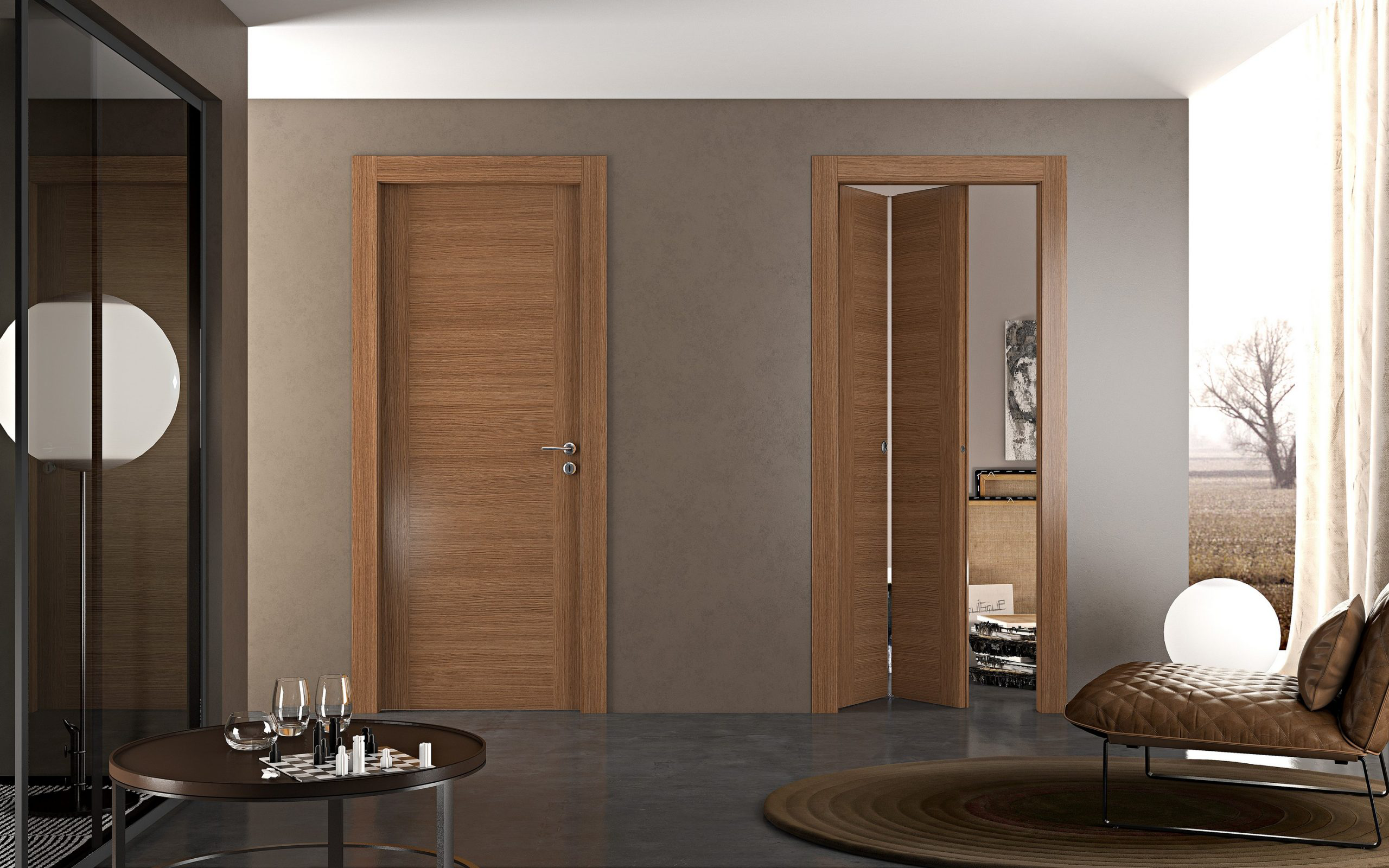
A good Interior Door must work with the right hinges, handles, locks, latches, and door frames. Even a strong door can cause trouble if the hardware holes are in the wrong place or if the door lacks sufficient support for the chosen fittings.
Check the door thickness and compare it with your lock and hinge requirements. Standard residential interior doors often use common hardware sizes, but custom doors, hotel doors, and commercial interior doors may need special lock bodies, concealed hinges, or access control systems.
If the factory prepares the hardware holes, ask for clear shop drawings before production. The drawings should show hinge position, lock height, backset, handle location, door swing, and opening direction. This step helps reduce mistakes and speeds up installation on the job site.
Durability Testing
A durable Interior Door should withstand daily opening and closing, contact, and cleaning without losing its shape or finish. This matters in homes, but it matters even more in hotels, schools, offices, apartments, and other high-traffic buildings.
Ask the supplier whether they carry out opening and closing cycle tests. These tests show how the door, hinges, frame, and hardware perform after thousands of uses. A professional interior door manufacturer should also check joint strength, impact resistance, and surface wear.
You can perform a few simple checks on a sample. Open and close the door several times and listen for rubbing, shaking, or loose parts. Press gently on the panel and check whether it feels firm instead of weak or hollow in unexpected areas.
Moisture And Warp Resistance
Moisture can cause serious damage to an Interior Door. It may lead to swelling, bowing, twisting, veneer peeling, or paint cracks. This risk is higher in humid climates and in rooms such as bathrooms, kitchens, basements, and laundry areas.
The first step is to check the raw material. A trusted wood interior door manufacturer should control timber moisture before production. Wood that is too wet may shrink later, while material that is too dry may react badly when placed in a humid building.
Door structure also affects warp resistance. Balanced panels, stable cores, strong internal rails, and even surface layers help the door stay flat. In addition, full-edge sealing and a moisture-resistant coating can reduce water ingress and protect the inner material.
Sound Insulation Performance
Sound control is a key quality point for many Interior Door projects. A door with good sound insulation can improve privacy, sleep quality, focus, and comfort. This makes acoustic performance important for bedrooms, home offices, meeting rooms, hotels, clinics, and apartments.
In most cases, solid-core interior doors block more sound than hollow-core doors. Their dense inner structure reduces the amount of noise that passes through the door panel. However, the core alone does not decide the full sound result.
Gaps around the door can let a large amount of sound pass through. For better performance, use quality perimeter seals, a door bottom seal, and a frame that fits the door correctly. A small open gap can reduce the value of an otherwise strong soundproof interior door.
Why Factory Audits And Samples Matter?
Choosing the right Interior Door supplier should never rely on brochures or online photos alone. Factory audits, product samples, and independent inspections give you a much clearer picture of a supplier’s real capabilities. They help you verify product quality, manufacturing standards, and consistency before placing a large order, reducing risks and protecting your investment.
Visit The Factory If Possible
If your budget and schedule allow, visiting the Interior Door factory is one of the best ways to evaluate a supplier. A factory visit lets you see the production process firsthand rather than relying solely on catalogs or sales presentations. It also gives you a better understanding of how the company operates.
Pay attention to the factory environment as you walk through the production area. A professional interior door manufacturer should have clean workshops, organized production lines, well-maintained equipment, and clearly defined quality control procedures. These details often reflect the company’s overall management and commitment to quality.
Take time to observe how wood, solid-core, MDF, and custom interior doors are produced. Look at raw material storage, machining accuracy, sanding, painting, assembly, and packaging. Consistent workmanship throughout the factory usually indicates stable product quality.
Request Product Samples Before Bulk Orders
Never place a large Interior Door order without first reviewing product samples. A sample allows you to inspect the actual product rather than relying on digital images, which may not accurately represent color, texture, or finish. It is one of the simplest ways to reduce purchasing risks.
Examine every detail of the sample carefully. Check the door construction, surface finish, edge sealing, hardware preparation, paint quality, and overall craftsmanship. If you are ordering custom interior doors, confirm that the sample matches your approved drawings, specifications, and design requirements.
Testing a sample also helps verify product performance. Open and close the door several times, inspect the panel’s flatness, and look for scratches, uneven paint, loose veneer, or other visible defects. These small checks can reveal quality issues before mass production begins.
Use Third-Party Quality Inspection Services
Even if you trust your Interior Door supplier, an independent inspection adds another layer of protection. A third-party quality inspection company provides an objective evaluation before the products leave the factory. This is especially valuable for large wholesale orders or international shipments.
Professional inspectors review many aspects of the order. They verify product dimensions, door thickness, material quality, surface finish, hardware preparation, packaging, labeling, and overall workmanship. They also compare the finished products with your approved specifications and purchase order.
Many inspection companies use internationally recognized quality standards, such as AQL (Acceptable Quality Level), to evaluate product consistency. This method helps identify defects before shipment and reduces the risk of receiving products that do not meet your expectations.
Review Sample Reports Carefully
Receiving a sample report is only the first step. You should also review every detail before approving production. A complete report provides valuable information about the quality, construction, materials, and performance of the Interior Door you plan to purchase.
Look closely at the measurements, material descriptions, finish specifications, moisture content, hardware preparation, and color consistency. Compare each item with your quotation, technical drawings, and product requirements. Even small differences should be clarified before production begins.
Ask the interior door manufacturer to explain any unclear test results or inspection notes. Reliable suppliers welcome technical discussions and provide detailed answers instead of avoiding difficult questions. Open communication helps prevent misunderstandings later in the project.
Customer Support After The Purchase
The best interior door supplier continues to support you after delivery with technical assistance, replacement parts, warranty service, and reliable long-term supply. Strong after-sales support reduces downtime, solves problems faster, and gives you confidence for future projects.
Technical Support
A professional Interior Door supplier should provide technical support before, during, and after installation. Even experienced contractors may have questions about door frames, hardware, opening direction, or installation details. Fast technical assistance helps avoid costly mistakes and keeps projects moving smoothly.
Many leading interior door manufacturers offer installation manuals, CAD drawings, product specifications, and step-by-step video guides. These resources make it easier to install wood, solid-core, and custom interior doors correctly. Clear instructions also improve the long-term performance of the finished product.
For customized projects, technical support becomes even more valuable. Custom sizes, special finishes, concealed hinges, or electronic locks often require additional guidance. A responsive supplier should answer questions quickly and provide practical solutions instead of generic advice.
Spare Parts Availability
Over time, some Interior Door components may need to be replaced due to normal wear or accidental damage. That is why spare parts availability is an important part of after-sales service. A dependable supplier should keep commonly used parts in stock for future orders.
Ask whether the supplier can provide replacement hinges, lock bodies, handles, door seals, glazing beads, trim pieces, and other matching accessories. Having access to original parts helps maintain the appearance and performance of your custom interior doors and wood interior doors.
It is also helpful to ask how long replacement parts will remain available. A reliable interior door manufacturer should support discontinued models for a reasonable period, especially for hotels, apartments, offices, and other commercial projects where consistency matters.
Warranty And Replacement Policy
A clear warranty policy shows that an Interior Door supplier stands behind the quality of its products. Before placing an order, ask what the warranty covers, how long it lasts, and what situations are excluded. A written warranty provides much better protection than verbal promises.
Most warranties cover manufacturing defects such as structural problems, surface finish issues, or workmanship defects under normal use. However, damage caused by improper installation, misuse, poor storage, or unauthorized modifications may not qualify for replacement. Reading the warranty carefully helps prevent misunderstandings.
You should also understand the replacement process before making a purchase. Ask what documents are required, how claims are reviewed, and how long it normally takes to receive replacement products. A professional interior door manufacturer should have a clear and efficient claims procedure.
Long-Term Supply Stability
For many builders, distributors, and developers, choosing an Interior Door supplier is a long-term decision rather than a one-time purchase. A stable supplier can provide consistent product quality, dependable lead times, and reliable pricing over many years. This consistency makes future purchasing much easier.
Long-term supply is especially important when projects are completed in multiple phases. The interior door manufacturer should be able to produce matching custom interior doors, solid core interior doors, and standard models months or even years after the first shipment. Consistent color, finish, and construction help maintain a uniform appearance throughout the project.
Production capacity also affects supply stability. A well-established Interior Door factory usually has stable raw material sources, experienced workers, and organized production planning. These strengths reduce the risk of unexpected shortages or significant delivery delays during busy seasons.
Relate FAQ
What should I look for in an interior door supplier?
When choosing an interior door supplier, pay attention to product quality, manufacturing capabilities, customization options, certifications, delivery time, and after-sales service. A reliable supplier should also provide detailed specifications, material samples, and project references.
How can I verify the quality of an interior door supplier?
Ask the supplier to provide product certifications, factory audit reports, and customer case studies. You should also request samples to evaluate the door's finish, durability, sound insulation, and hardware quality before placing a large order.
Should I choose a manufacturer or a trading company for interior doors?
The answer depends on your needs. Manufacturers generally offer lower prices, greater customization, and direct technical support, while trading companies may provide a wider product range and easier communication. For large commercial or residential projects, working directly with an interior door manufacturer is often more cost-effective.
Which certifications should a professional interior door supplier have?
A reputable interior door supplier may hold certifications such as:
- CE certification
- FSC certification
- ISO 9001 quality management certification
- Environmental and sustainability certifications
The required certifications will vary depending on your target market and project requirements.
What questions should I ask an interior door supplier before placing an order?
Consider asking the following questions:
- What materials are used in your interior doors?
- What is your minimum order quantity (MOQ)
- Can you provide project references or customer testimonials?
- What certifications do your products have?
- What is your average production lead time?
- Do you offer OEM or ODM services?
- What warranty and after-sales support do you provide?
Can an interior door supplier help with installation and technical support?
Many experienced interior door suppliers provide installation guides, technical drawings, hardware recommendations, and remote support. Some suppliers also offer on-site assistance for large-scale projects.
How do I know if an interior door supplier is suitable for long-term cooperation?
A trustworthy interior door supplier should demonstrate consistent product quality, transparent communication, stable production capacity, competitive pricing, and reliable delivery performance. Building a long-term partnership can help reduce procurement costs and improve project efficiency.