Are solid wood interior doors good for soundproofing?
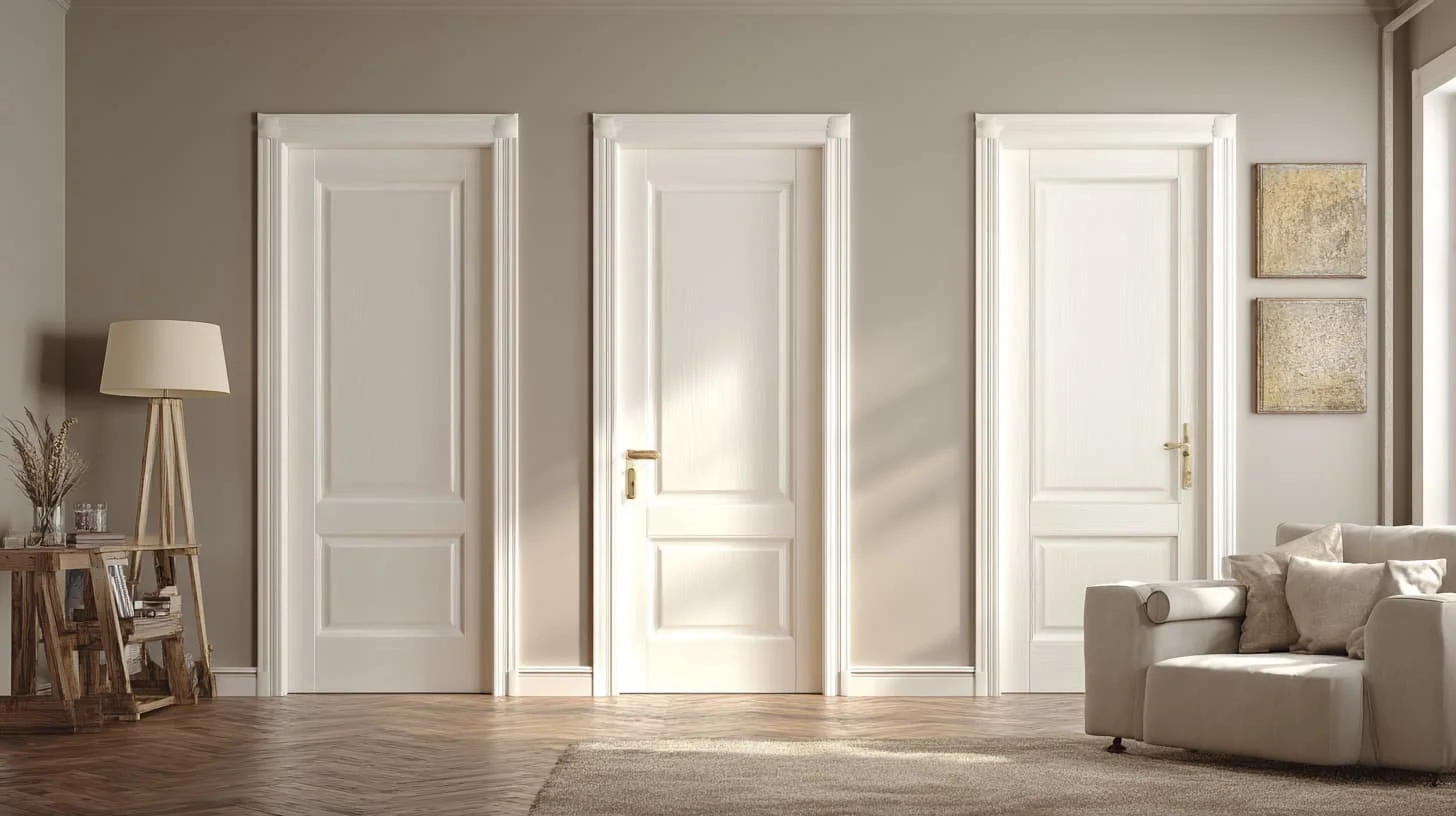
Are Solid Wood Interior Doors Good for Soundproofing?
When it comes to creating a peaceful environment in your home or office, soundproofing plays a key role. Among the many options for soundproofing materials, solid wood interior doors stand out as a strong contender. These doors not only enhance the aesthetic appeal of a space but can also help in controlling unwanted noise.
Why Interior Doors Matter for Noise Control?
Interior doors are often overlooked when it comes to noise control, but they play a vital role in keeping your living or working space quiet and comfortable. The primary function of an interior door is to separate rooms, but it also serves as a sound barrier. The thickness, material, and seal of a door can greatly affect how much noise it allows to pass through. A door that is not properly sealed or made from a lightweight material may allow sound to pass through easily, creating disturbances in your home or office.
When you choose a door, it’s essential to consider the material. For instance, a hollow-core door might not be ideal for soundproofing because it’s lighter and offers less sound resistance. Solid wood doors, on the other hand, are much denser, making them better at blocking noise. The mass of solid wood helps absorb sound, preventing it from traveling from room to room. In other words, the type of interior door you choose can make a big difference in the noise levels in your space.
When Soundproof Interior Doors Make a Big Difference?
There are certain situations where soundproofing becomes especially important. For example, if you live in a noisy neighborhood or work in a bustling office, a soundproof door can make a world of difference. Imagine being able to close your office door and shut out the noise of your coworkers or traffic outside. Similarly, in a home with multiple bedrooms, soundproof interior doors can help maintain privacy and peace between rooms.
In homes or offices where confidentiality or concentration is crucial, such as in therapy rooms, meeting rooms, or home studios, the importance of soundproof interior doors becomes even more evident. Solid wood doors, especially when paired with soundproofing upgrades like weatherstripping or acoustic seals, can reduce the amount of noise that enters or leaves the room. These upgrades ensure noise is kept at bay, providing a more comfortable, private environment.
A Brief Overview of Noise Control in the Home or Workplace
Noise control is essential in both residential and commercial spaces, as it directly impacts comfort, productivity, and well-being. In the home, soundproofing can enhance privacy and reduce distractions. For example, parents should block out the noise of children playing in the living room while they work in a home office. Similarly, couples might prefer peace between their bedrooms or in a shared bathroom.
In the workplace, noise control is equally important. Open offices can often lead to distractions, with conversations and phone calls creating a noisy environment. Soundproof interior doors help create quieter workspaces, allowing employees to focus better and maintain higher productivity. Additionally, areas that require confidentiality—such as conference rooms or offices—benefit from doors that reduce sound transmission.
Conclusion
For both homes and workplaces, interior doors serve as the first line of defense against unwanted noise. Choosing the right door, such as a solid-wood interior door, is a simple yet effective way to reduce sound and improve overall acoustic comfort in any space. Whether you’re designing a quiet home environment or optimizing a busy office, investing in good interior doors can make a noticeable difference in how noise is managed.
Understanding Solid Wood Interior Doors
Solid wood interior doors are a versatile and timeless choice for both residential and commercial spaces. They offer a perfect combination of strength, beauty, and functionality. If you’re considering upgrading your interior doors, it’s important to understand what solid wood doors are, how they compare to other types of doors, and why they’re a great choice for any space.
What Are Solid Wood Interior Doors?
Solid wood interior doors are made entirely of wood, providing a sturdy, long-lasting, and attractive barrier between rooms. Unlike hollow core doors, which are lighter and less dense, solid wood doors offer greater strength and density. This makes them a popular choice for soundproofing, as the wood’s mass helps block noise more effectively.
These doors can be designed in many styles, from traditional to modern, to match the décor of any home or office. Solid wood doors are known for their ability to stand the test of time, both in terms of durability and style. They are typically thicker than hollow-core doors, making them more effective at blocking sound transmission. Whether you want to reduce noise between rooms in your home or create a quieter workspace in your office, solid wood interior doors are an excellent choice.
Explanation of Solid Wood Doors
When comparing solid wood doors to hollow core doors, the primary difference lies in their construction and soundproofing abilities. Hollow core doors are made with a lightweight core material (often cardboard or foam) sandwiched between two thin layers of wood or fiberboard. This makes them lighter and more affordable but less effective at blocking sound. Because the core is hollow, sound travels more easily through the door, which can be a problem if you’re looking for noise control in your space.
On the other hand, solid wood interior doors are made from a single piece of wood or are solidly constructed. This dense material absorbs sound better, reducing the amount of noise that passes through. As a result, solid wood doors are the better option if you’re aiming to create a quieter environment in your home or office. The added weight and thickness of solid wood doors make them more effective at soundproofing and offer superior privacy and comfort compared to hollow-core doors.
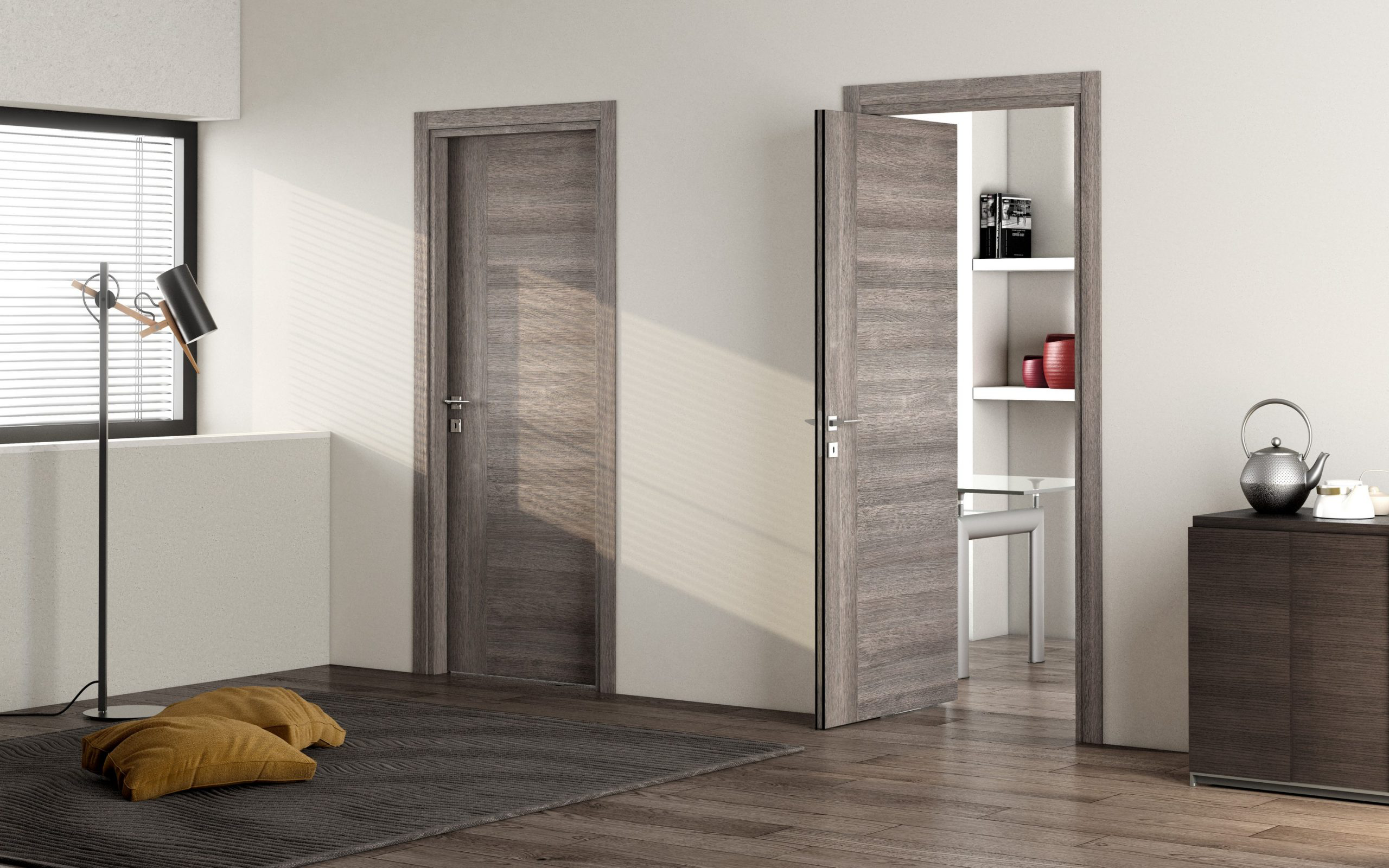
Types of Solid Wood Commonly Used
When choosing a solid wood interior door, the type of wood used plays a significant role in both the door’s appearance and performance. Several types of wood are commonly used for solid wood interior doors, each with its own unique qualities.
Oak:
One of the most popular types of wood for interior doors. Known for its durability and classic look, oak is a strong, dense material that provides excellent soundproofing. Its light color and distinctive grain pattern make it a great choice for traditional or rustic-style homes. Oak doors can easily blend into any décor while offering exceptional noise control.
Maple:
Another solid wood often used for interior doors. It has a smooth, fine grain and a light, pale color. Maple doors are strong, durable, and highly resistant to wear and tear, making them an excellent choice for high-traffic areas. While maple may not have the deep, rich tones of oak, it offers a sleek, modern look that works well in contemporary or minimalist spaces. Its density also helps with soundproofing, though not as much as oak.
Mahogany:
Mahogany is a rich, reddish-brown wood often used in higher-end interior doors. Known for its elegance and luxury, mahogany is dense and heavy, which makes it an excellent choice for soundproofing. Its deep color and smooth texture add sophistication to any room, making it a favorite choice for formal spaces and high-end properties. While mahogany doors are more expensive than oak or maple, their beauty and performance make them a worthwhile investment.
Sumamry
Each type of wood offers unique characteristics, and choosing the right one depends on your style preferences, budget, and soundproofing needs. Whether you prefer the traditional look of oak, the sleek modernity of maple, or the luxury of mahogany, solid wood interior doors provide an attractive and effective solution for noise control and privacy in your home or office.
Why Choose Solid Wood Doors?
Choosing the right interior door is more than just about aesthetics. It’s about balancing style, function, and longevity. Solid wood interior doors offer all these qualities and more. Whether you’re designing your home or updating your office space, solid wood doors bring both beauty and practicality.
Durability, Aesthetics, and Design Appeal
One of the biggest reasons people choose solid wood interior doors is their durability. Solid wood is naturally strong and durable, making it a long-lasting option for both residential and commercial spaces. Unlike hollow core doors, which can warp or crack over time, solid wood doors hold up well under daily use. They’re not only designed to last but also to withstand heavy traffic without losing their appeal.
Aesthetically, solid wood doors offer timeless beauty. The rich texture and natural grain patterns found in wood create a classic look that works with almost any style of décor. Whether your home features modern, traditional, or rustic design, solid wood interior doors can add a sophisticated and warm touch. With options like oak, maple, and mahogany, you can choose a wood that matches your interior design preferences and elevates the room’s overall look.
In addition to their durability and aesthetic appeal, solid wood doors are highly customizable in terms of design. You can choose from a variety of finishes, panel styles, and sizes, ensuring that your interior doors complement the rest of your home or office. Whether you prefer a sleek, modern door or a more traditional style with intricate details, solid wood doors can be tailored to suit your vision. Plus, they can be easily refinished or repainted over time, keeping them looking fresh for years to come.
Sumamry
All these qualities make solid wood interior doors a wise investment for anyone looking to improve the overall look and feel of their space. With their impressive durability, timeless beauty, and versatility, solid wood doors offer a perfect blend of practicality and elegance. Whether you’re replacing old doors or building a new home, solid wood is sure to be a standout feature that enhances both the functionality and aesthetic of your space.
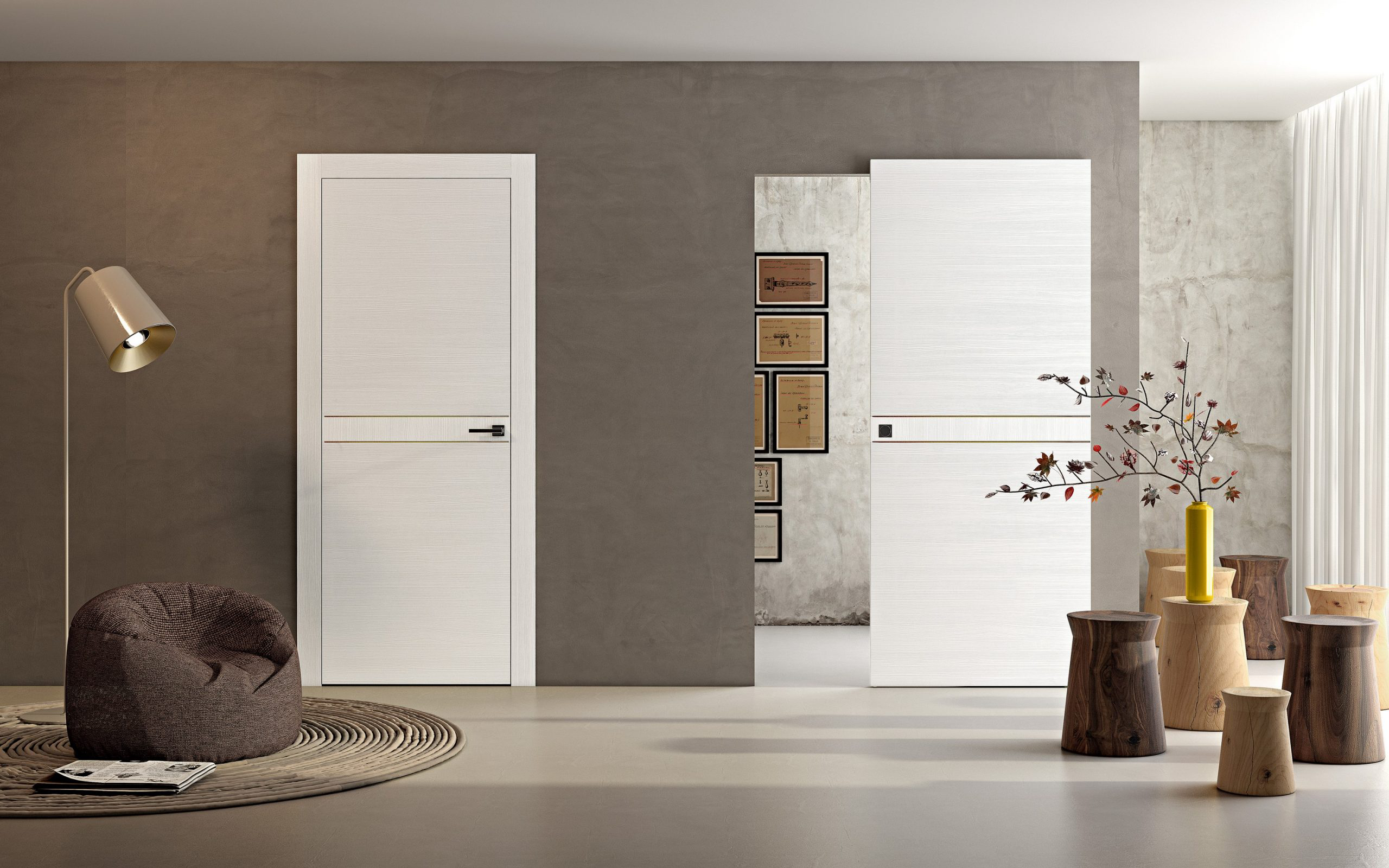
How Solid Wood Doors Help with Soundproofing?
When it comes to creating a quieter environment in your home or office, solid wood interior doors are an excellent option for soundproofing. The natural properties of wood, along with its solid structure, make it an effective barrier against noise.
The Natural Soundproofing Qualities of Solid Wood
Solid wood doors offer a natural, effective way to block sound. Unlike thinner materials or hollow doors, solid wood’s density and mass play a major role in its soundproofing capabilities. The thicker and heavier the material, the better it is at absorbing sound waves, reducing the amount of noise that passes through.
Density and Mass: How Heavier Materials Block More Sound?
One of the key reasons solid wood interior doors are great at soundproofing is their density. Denser materials are much better at blocking sound because they don’t vibrate easily. When sound waves hit a solid, dense surface, they lose energy and are either absorbed or reflected rather than passing through. The mass of the door helps it absorb more sound energy, which makes it much harder for noise to travel from one room to another.
Think of it like this: lighter materials, like hollow core doors, are easier for sound to travel through. But when you use solid wood, with its weight and density, the sound waves struggle to get through. This makes solid wood doors much more effective at creating a peaceful and quiet environment.
The Role of Wood Thickness in Noise Reduction
The thickness of a solid wood door also plays an important role in its ability to reduce noise. The thicker the door, the more material there is for sound to pass through, and the more sound it can block. A thick, solid-wood door can absorb more sound waves, resulting in greater soundproofing.
Thick doors have a greater mass, so sound waves need to work harder to pass through them. The thicker the door, the better it can stop sound. It’s simple physics—more material means more sound absorption. If you’re looking to reduce noise between rooms, a thick, solid-wood door is an excellent choice.
In addition to blocking sound, the thickness of a solid wood door also adds a sense of sturdiness and security to a room. Whether you’re looking to keep the noise of a busy office at bay or create a quieter living space, choosing a solid wood door with the right thickness will make a big difference in the level of soundproofing you achieve.
Sumamry
Overall, solid wood doors stand out as a top option for anyone needing better soundproofing in their home or office. Their density, mass, and thickness work together to absorb and block sound, making your environment quieter and more peaceful.
Scientific Reasons Why Wood Blocks Sound
When you’re looking to soundproof a room, understanding the basic principles of how sound moves can help you make the right choices. Solid wood doors naturally block sound, but how does this work? The key lies in the mass law and how barriers interact with sound waves.
Basic Soundproofing Principles: Mass Law and the Effect of Barriers
At the heart of soundproofing is the mass law. This principle states that the heavier and denser a material, the more it can reduce sound transmission. In simple terms, mass is a key factor in blocking sound. Solid wood doors, being thick and heavy, have a higher mass than other door types, such as hollow-core doors. This makes them much better at stopping sound from passing through.
Here’s how it works: when sound waves travel through the air and hit a barrier like a door, the barrier absorbs or reflects the sound. Heavier materials, like solid wood interior doors, absorb and reflect more sound, while lighter materials, like hollow core doors, allow more sound to pass through. The denser the material, the harder it is for sound to penetrate.
The effect of barriers is also crucial. A barrier, such as a solid wood door, doesn’t just let sound pass through; it can block, reflect, and absorb sound waves. The thicker the door, the more effective it will be at stopping sound. It acts as a physical barrier, preventing sound from travelling from one side of the door to the other.
Using a solid wood interior door creates a strong, dense barrier between rooms. The mass and thickness of the door make it much more effective in blocking noise than lighter, less dense materials. Whether you’re dealing with outside noise, conversations from the next room, or the hum of household appliances, solid wood doors can help keep your space quieter and more comfortable.
Summary
So, in summary, the science behind soundproofing with solid wood interior doors lies in the mass law: thicker, denser materials are more effective at blocking sound. If you’re aiming to reduce noise in your space, choosing a solid wood door is one of the best ways to achieve it. The heavier and thicker the material, the better it is at creating a peaceful environment.
Factors That Affect Soundproofing Performance of Solid Wood Doors
While solid wood interior doors are naturally good at blocking sound, several factors can affect their overall soundproofing performance. To make the most of a solid wood door’s noise-reducing potential, it’s important to consider factors like door design, construction, seals, gaps, and additional soundproofing features.
Door Design and Construction
The design and construction of your solid wood door play a significant role in how well it can block sound. A well-constructed door can make a huge difference in the level of noise reduction you get.
1. Thickness:
The thicker the door, the more mass it has to block sound. Solid wood doors come in various thicknesses, and thicker doors generally provide better soundproofing. The thicker the wood, the less likely sound will be able to pass through.
2. Solid Core vs. Hollow Core:
As mentioned earlier, solid-core doors are far more effective at soundproofing than hollow-core doors. Solid-core doors are made from a single piece of wood, giving them the density needed to absorb and block noise. Hollow core doors, on the other hand, are lightweight and often fail to provide sufficient sound insulation.
3. Construction Quality:
The way the door is built can also impact its ability to block sound. Doors with tightly fitted joints and no gaps are better at sealing out sound. Poor construction, such as loose joints or poorly joined edges, can allow sound to leak through, reducing the door’s effectiveness.
In short, the design and construction of the door will determine how well it performs in terms of soundproofing. Choose a solid wood door that is thick, solid, and built with attention to detail for the best results.
Seals and Gaps
Even with the best solid wood interior door, gaps around the door can significantly reduce its soundproofing performance. Sound can easily travel through small gaps, no matter how thick or solid the door itself is. Therefore, proper sealing is crucial for effective soundproofing.
1. Door Frame Seals:
The gap between the door and its frame is one of the most common places where sound leaks in. Adding weatherstripping or acoustic seals to the door frame can prevent sound from seeping through these gaps. These seals create a tight barrier around the door, enhancing its ability to block noise.
2. Door Sweep:
Another important feature is a door sweep. A door sweep is installed at the bottom of the door to seal the gap between the door and the floor. This is a crucial step to ensure sound doesn’t travel through the space beneath the door.
3. Proper Installation:
Even the best door can fail to block sound if it’s not installed correctly. Make sure your solid wood door is properly aligned in the frame and swings smoothly, with no gaps. A professional installation can make a big difference in improving the door’s soundproofing performance.
By addressing the seals and gaps around your solid wood door, you can significantly improve its sound-blocking performance and create a quieter environment.
Additional Features for Enhanced Soundproofing
While a solid wood door on its own can provide excellent soundproofing, adding a few extra features can further boost its effectiveness.
1. Mass-Loaded Vinyl (MLV):
A flexible, dense material that can be added to your door to increase its mass and soundproofing. By attaching MLV to the door’s surface, you can enhance its ability to block both airborne and impact sounds.
2. Acoustic Panels or Foam:
Adding acoustic panels or soundproof foam to the door can help absorb sound. These materials work by reducing sound vibrations, thereby decreasing the amount of sound that passes through. You can apply acoustic treatments to the door itself or to the surrounding walls for even better results.
3. Double Doors:
If you’re looking for maximum soundproofing, installing double doors (two solid doors with an air gap between them) is a great option. The extra barrier and air gap between the two doors can significantly reduce sound transmission.
4. Heavy-Duty Hardware:
Upgrading to high-quality hinges and locks can also improve soundproofing. By making sure the door is securely fastened, you can prevent any movement or vibrations that might let sound leak through.
By incorporating additional features like MLV, acoustic foam, double doors, and heavy-duty hardware, you can significantly enhance the soundproofing performance of your solid wood door, ensuring maximum noise reduction and privacy.
Summary
When choosing a solid wood interior door for soundproofing, it’s important to consider not only the door’s material but also its design, construction, seals, and any additional soundproofing features. By paying attention to these elements, you can create a quieter, more peaceful environment in your home or office. Whether you opt for thicker wood, install proper seals, or add extra soundproofing materials, these steps will help ensure your solid wood doors deliver the best possible soundproofing.
Do Solid Wood Interior Doors Provide Full Soundproofing?
When it comes to noise control, solid wood interior doors are often a top choice. However, many people wonder if they provide complete soundproofing. While solid wood doors are excellent at blocking sound, understanding their limitations and the noise reduction you can expect is important for making the right choice for your space.
How Much Noise Reduction Can You Expect?
A solid wood interior door can significantly reduce noise. Still, the level of noise reduction depends on several factors, including the door’s thickness, construction, and whether you’ve added any extra soundproofing features.
1. Noise Reduction Rating (STC):
The Sound Transmission Class (STC) rating measures how well a door blocks sound. A solid wood door typically has an STC rating of 30 to 35, meaning it can reduce most typical conversation-level sounds by 30 to 35 decibels. This is sufficient for many typical household and office spaces, but it may not eliminate all noise.
2. Thicker Doors for Better Performance:
The thicker the solid-wood interior door, the better it blocks sound. Thicker doors have more mass, which helps absorb sound waves. If you’re looking for better noise reduction, you might want to consider a thicker solid-wood door, or one with a solid core for even better results.
3. Seals and Gaps:
As effective as solid wood doors are at blocking sound, gaps around the door or the frame can compromise their soundproofing capabilities. Adding weatherstripping, door sweeps, or acoustic seals around the edges of the door can improve noise reduction and prevent sound from leaking through.
While solid wood doors provide excellent soundproofing for typical noise levels, they might not completely block louder sounds such as construction work, heavy machinery, or home theatre noise. However, they are much better than hollow core or metal doors at keeping everyday noise at bay.
Is Full Soundproofing Possible with Solid Wood?
While solid wood doors are great for reducing sound, achieving full soundproofing is challenging, even with the best materials. Solid wood alone might not be enough to block all noise, especially when complete silence is required.
1. Limitations of Solid Wood Doors:
A solid wood interior door can effectively reduce noise, but it won’t block out every sound. For example, if you’re dealing with low-frequency sounds like bass or vibrations from heavy traffic, even a solid wood door may not be enough to achieve full soundproofing. Solid wood doors excel at blocking higher frequencies, such as voices or footsteps, but deeper sounds may still seep through.
2. The Role of Other Factors:
Achieving true soundproofing requires more than just a thick, solid-wood door. The walls, floors, ceiling, and even the gaps around the door all play a role in how much sound can travel. In many cases, solid wood interior doors will provide good sound reduction, but to achieve full soundproofing, you might need to combine the door with additional treatments.
3. Additional Soundproofing Solutions:
To fully soundproof a room, you might need to add mass-loaded vinyl, acoustic panels, or even double doors. These additional features can be combined with your solid wood door to create a much more effective sound barrier. In professional settings, such as music studios or home theatres, people often go beyond a solid wood door and invest in additional noise-isolation techniques to create the quietest environment possible.
Sumamry
In conclusion, while solid wood interior doors provide great sound reduction, they don’t offer complete soundproofing on their own. They’re an excellent choice for most everyday noise reduction needs, but achieving full soundproofing might require additional steps and products, especially if you’re dealing with high-level noise or specific soundproofing requirements.
Other Ways to Improve Soundproofing with Solid Wood Doors
While solid wood interior doors are naturally effective at reducing noise, you can take additional steps to improve their soundproofing further. By adding upgrades and properly maintaining your doors, you can create a much quieter environment in your home or office.
Soundproofing Upgrades
If you’re looking to improve the soundproofing of your solid wood interior doors, there are a few upgrades you can consider. These additions can make a significant difference in blocking unwanted noise.
1. Mass-Loaded Vinyl (MLV):
A dense material designed to block sound. You can attach it to your solid wood door to enhance its soundproofing. The additional mass helps absorb sound waves and prevents noise from passing through. MLV is flexible and easy to install, making it a simple and effective upgrade.
2. Acoustic Seals and Weatherstripping:
Gaps around the door can let sound leak through, even if the door itself is solid. Installing acoustic seals or weatherstripping around the door frame helps seal any gaps, keeping sound contained within the room. These simple additions can significantly improve the overall soundproofing of your door, preventing sound from escaping or entering.
3. Door Sweeps:
Another important upgrade is a door sweep, which fits at the bottom of the door to seal the gap between the door and the floor. This is a crucial step for preventing sound from seeping through the bottom of the door. Whether you’re blocking noise from outside or simply reducing sound between rooms, a door sweep is an easy and affordable upgrade.
4. Acoustic Panels or Foam:
Adding acoustic foam or soundproof panels to the door can also enhance its noise-blocking performance. These materials are designed to absorb sound and reduce sound vibrations. Applying them to the surface of your solid wood door will help further reduce the amount of noise that passes through.
Summary
By adding these upgrades to your solid wood door, you can significantly improve its ability to block sound, especially for louder noises or situations that require high-level soundproofing.
Maintaining Your Solid Wood Door for Better Soundproofing
Proper maintenance of your solid wood interior door can help ensure that its soundproofing performance remains high for years to come. Over time, wear and tear can affect the door’s ability to block sound, so keeping it in good condition is important for long-term noise control.
1. Check for Gaps:
Over time, the seals around your solid wood door can wear out or become damaged. Regularly check the weatherstripping and acoustic seals for any signs of wear, such as cracks or looseness. If you notice any gaps or worn seals, replace them promptly to maintain the door’s soundproofing.
2. Keep the Door Tight:
Ensure that the door is properly aligned in its frame. If the door has become misaligned over time, it could create gaps that let sound through. Tightening hinges and adjusting the door to fit snugly in the frame can make a noticeable difference in its noise-blocking performance.
3. Reapply Finishes:
Solid wood doors can lose their smooth surface over time, especially if exposed to moisture or temperature changes. Sanding down the surface and reapplying a protective finish can help maintain the door’s integrity and prevent cracks or warping. A well-maintained door not only looks better but will continue to block sound effectively.
4. Inspect for Warping:
Wood is sensitive to changes in humidity and temperature, which can cause it to warp over time. Warped doors may not seal properly, allowing sound to pass through. Keep an eye on your door’s shape and replace or repair any warped doors to ensure the best soundproofing performance.
5. Regularly Check Door Hardware:
The hardware, such as locks and hinges, affects how well your door seals. Over time, hardware can loosen or wear out. Regularly inspect and tighten or replace hardware as needed to ensure the door remains securely in place and prevents sound leakage through the hardware.
Summary
By adding soundproofing upgrades like MLV, weatherstripping, and door sweeps, and by properly maintaining your doors, you can significantly enhance their noise-blocking capabilities. These simple steps will help create a quieter environment, ensuring that your solid wood doors continue to offer excellent sound reduction for years to come.
Conclusion
Choosing the right interior door for soundproofing is an important decision when creating a quiet and peaceful space. Solid wood interior doors are a top choice for many homeowners and businesses due to their natural ability to block sound and enhance privacy.
Thoughts on Solid Wood Doors and Soundproofing
Solid wood doors provide excellent soundproofing thanks to their natural density and thickness. The mass of wood helps absorb sound, reducing noise between rooms. These doors are perfect for spaces where you want to create a quieter environment, such as bedrooms, offices, or home studios. While they are effective at reducing noise, achieving full soundproofing often requires additional features such as seals, door sweeps, and upgrades like mass-loaded vinyl.
That said, solid wood interior doors are more than just functional. They add a classic, elegant touch to any room. They’re durable, customizable, and long-lasting. When combined with the right installation and maintenance, these doors provide a practical solution for soundproofing.
Relate FAQ
Are solid wood doors effective at soundproofing?
Yes, solid wood doors provide a good level of sound insulation. The density of solid wood naturally absorbs sound waves, reducing noise transmission. However, their effectiveness depends on the door thickness, the type of wood, and the quality of installation. A thicker door made from denser wood, such as oak or mahogany, tends to perform better at soundproofing.
How does the thickness of a solid wood door affect its soundproofing capabilities?
Thicker, solid wood doors are generally more effective at blocking sound. The thicker the material, the better it absorbs sound. For optimal soundproofing, doors with a thickness of at least 1.5 to 2 inches (38 to 51 mm) are recommended. The added mass helps reduce sound transmission between rooms.
Are solid wood doors better than hollow core doors for soundproofing?
Yes, solid wood doors are typically better at soundproofing than hollow-core doors. Hollow core doors are lighter and less dense, allowing sound to pass through more easily. Solid wood doors, on the other hand, offer greater density, making them more effective at blocking sound.
Can I improve the soundproofing of my solid wood door?
Yes, there are several ways to enhance the soundproofing of a solid wood door. Adding soundproofing seals around the edges, installing door sweeps at the bottom, or adding a layer of acoustic panels can significantly improve its sound-blocking performance. You can also use materials like mass-loaded vinyl (MLV) to enhance soundproofing further.
Is there a significant difference in soundproofing between types of wood?
Yes, different types of wood can affect a door's soundproofing properties. Denser woods like oak, walnut, and mahogany tend to provide better sound isolation compared to lighter woods like pine or fir. The wood's density and mass play a critical role in its ability to absorb and block sound.
How can I tell if a solid wood door is properly soundproofed?
To check if your solid wood door is properly soundproofed, listen for sound leaks. If you hear noises coming through the edges or the bottom of the door, it may not be fully sealed. Proper installation of weatherstripping and seals is essential for preventing sound leakage. You can also perform a simple test by standing on one side of the door while someone speaks on the other side.
Can adding a layer of insulation to my door improve soundproofing?
Yes, adding insulation to a solid wood door can significantly improve its soundproofing. Materials such as foam board or soundproofing putty can be installed in the door to reduce sound transmission further. The combination of insulation with the natural properties of solid wood can offer enhanced noise reduction.