Can exterior doors warp?
What Does It Mean When An Exterior Door Warps?
An exterior door warps when its shape changes due to uneven expansion and contraction of the door material, causing it to bend, twist, bow, or curve. Warping is most common in wooden exterior doors because wood naturally reacts to changes in temperature, humidity, and moisture levels.
Simple Definition Of A Warped Door
A warped Exterior Door is a door that has bent or twisted out of its normal flat shape. This change usually happens slowly, so many homeowners don’t notice it at first. The door might curve slightly in the middle or shift at the corners. Even a small change can affect how the Exterior Door sits in the frame.
In most cases, the door material reacts to environmental changes. Wood Exterior Door models are especially sensitive to humidity and temperature changes. When moisture goes in or out of the material, it expands or shrinks unevenly. This uneven movement causes the door to lose its straight structure.
Over time, the warped Exterior Door becomes harder to ignore. You may see that it no longer lines up evenly with the frame. The surface may look slightly uneven when viewed from the side. Even if the change is small, it still affects daily use and smooth operation.
So, in simple words, a warped Exterior Door is any door that no longer stays perfectly flat, making it harder to close, seal, or lock properly.
Common Signs Your Exterior Door Is Warped
A warped Exterior Door usually shows clear warning signs before it becomes a serious problem. These signs often appear slowly, so you may not notice them right away. However, once you start paying attention, the changes are easy to spot. The door will not feel as smooth or stable as before. It may also affect comfort inside your home.
Door Not Closing Properly
When an Exterior Door is warped, one of the most obvious signs is closing difficulty. You may need to push harder than usual to get the door to shut. Sometimes it sticks halfway or scrapes the frame before it finally closes. This makes daily use frustrating and inconvenient.
This happens because the Exterior Door is no longer aligned with the frame. Even a slight bend can change how the edges connect with the jamb. As a result, certain parts of the door hit the frame too early, while others do not align at all. That imbalance creates resistance during closing.
In more advanced cases, the Exterior Door may not latch properly at all. You might have to lift, push, or pull the door to get it to lock. This shows that the internal structure has shifted significantly. At this stage, the warping is usually noticeable both visually and physically.
Gaps Around Edges
Another common sign of a warped Exterior Door is uneven spacing around the edges. You may see small gaps between the door and the frame, especially near the top or bottom corners. These gaps are not normal and usually indicate that the door has shifted out of shape.
A properly installed Exterior Door should sit flush and even on all sides. When warping happens, one side may press tightly while the opposite side pulls away. This creates an uneven seal that is easy to spot, especially when light passes through.
These gaps can also grow over time. As the Exterior Door continues to change shape, the frame no longer supports it evenly. This not only affects appearance but also reduces insulation. Air, dust, and even moisture can enter through these open spaces.
Air Drafts Coming In
If you feel air coming through a closed Exterior Door, it is often a sign of warping. A normal door should fully block outside airflow. But when the shape changes, small openings form around the edges. These openings allow air to pass through even when the door is shut.
You might notice cold air in winter or warm air in summer entering your home. This can make indoor temperature harder to control. It also forces your heating or cooling system to work more than necessary. Over time, this can increase energy costs.
A warped Exterior Door can also let in noise, dust, and air. Even a small gap can reduce the door’s sealing performance. If drafts become noticeable, it usually means the door alignment has already shifted beyond a minor issue.
Lock Misalignment Issues
Lock problems are another clear sign of a warped Exterior Door. You may notice that the key turns smoothly or that the latch does not align correctly with the strike plate. This happens because the door is no longer sitting in the correct position.
When the Exterior Door warps, even a few millimeters of movement can affect the lock system; the bolt may miss the strike hole or require extra force to engage. This creates daily frustration and reduces ease of use.
In some cases, you may need to lift or push the Exterior Door to properly lock it. This is a strong sign that the structure has shifted significantly. If ignored, it can also affect home security since the lock may not engage as securely as it should.

Why Do Exterior Doors Warp Over Time?
An Exterior Door does not warp overnight. It happens slowly, little by little. The main reason is constant exposure to the environment. Heat, moisture, and daily temperature changes all push the door material in different directions. Over time, this stress builds up, and the Exterior Door starts to bend, twist, or lose its flat shape.
Moisture And Humidity Exposure
Moisture is one of the strongest forces behind a warped Exterior Door. Wood and some composite materials naturally absorb water from the air. When that happens, the door swells. When it dries, it shrinks. This back-and-forth movement slowly changes the shape of the Exterior Door.
Rain, Snow, And Damp Climates
Rain and snow are major triggers for Exterior Door warping. When water hits the surface often, the material absorbs it unevenly. One side of the door may get wetter than the other. This imbalance slowly distorts the Exterior Door.
In damp climates, the air itself carries moisture all year. So even without direct rainfall, the Exterior Door continues to absorb humidity. Over time, this constant exposure weakens the structure, leading to bending or twisting.
Seasonal Changes
Seasonal shifts also play a big role in Exterior Door movement. In wet seasons, the door swells. In dry seasons, it shrinks again. This cycle repeats year after year.
Each cycle adds a small amount of stress to the Exterior Door. At first, it is not visible. But later, the door may no longer sit evenly in the frame. This is how long-term warping slowly develops.
Direct Sunlight And Heat Damage
Heat and sunlight are other big reasons an Exterior Door changes shape over time. When one side of the door gets more heat than the other, the material expands unevenly. This creates internal pressure that slowly bends the door.
UV Exposure Effects
UV rays from the sun directly affect the surface of an Exterior Door. Over time, UV light breaks down the finish and dries out the material. This makes the exposed side weaker and more sensitive to changes.
As the surface weakens, the Exterior Door reacts faster to heat and moisture. You may first see fading, then slight bending. South- or west-facing doors are more likely to show this problem because they receive stronger sunlight.
Expansion And Contraction
Heat causes the Exterior Door to expand during the day. When temperatures drop at night, it contracts again. This daily cycle repeats constantly.
Because the door does not heat evenly, one part expands more than another. This uneven movement slowly twists the Exterior Door. Over time, the shape becomes less stable and harder to control.
Poor Door Material Quality
The quality of the material is a key factor in how stable an Exterior Door stays over time. Cheap or untreated materials react faster to weather changes. They absorb moisture easily and lose shape more quickly.
Low-Grade Wood
Low-grade wood is one of the weakest options for an Exterior Door. It often has natural gaps, knots, or uneven grain. These weak points absorb moisture at different speeds.
As a result, the Exterior Door does not expand evenly. One section may swell while another stays the same. This imbalance leads to slow but steady warping over time.
Cheap Composite Cores
Some low-cost Exterior Door models use cheap composite cores. These cores are not tightly bonded or well-sealed. As a result, they react quickly to heat and humidity.
When the internal layers expand at different rates, the Exterior Door starts to bend. At first, it may look fine. But after repeated exposure, the structure becomes unstable and begins to twist.
Bad Installation Or Frame Issues
Even a good Exterior Door can warp if it is installed the wrong way. Installation quality is just as important as material quality. A minor misalignment can cause long-term pressure on the door.
Misaligned Frames
A misaligned frame is a common cause of Exterior Door warping. If the frame is not perfectly square, the door does not sit evenly. One side may be tighter than the other.
This uneven pressure forces the Exterior Door to bend slightly every time it opens or closes. Over time, this repeated stress alters the door’s natural shape, leading to warping.
Lack Of Sealing Or Insulation
Poor sealing around the Exterior Door also creates problems. Without proper insulation, moisture and air can enter unevenly from different sides.
This makes one side of the Exterior Door react differently from the other. The result is uneven expansion and slow deformation. Good sealing helps maintain balanced pressure and reduces long-term warping.
Temperature Swings
Daily temperature changes are another hidden cause of Exterior Door warping. During the day, heat makes the door expand. At night, cooler air makes it contract. This cycle happens every single day.
Because the temperature does not affect every part of the Exterior Door equally, some areas move more than others. This creates small internal stress points. Over time, these small changes add up.
In regions with strong day-night temperature differences, an Exterior Door is always under pressure. It may feel fine in the morning, but slightly tight or loose later in the day. This constant movement slowly leads to bending and loss of alignment.
How To Tell If Your Exterior Door Is Warping
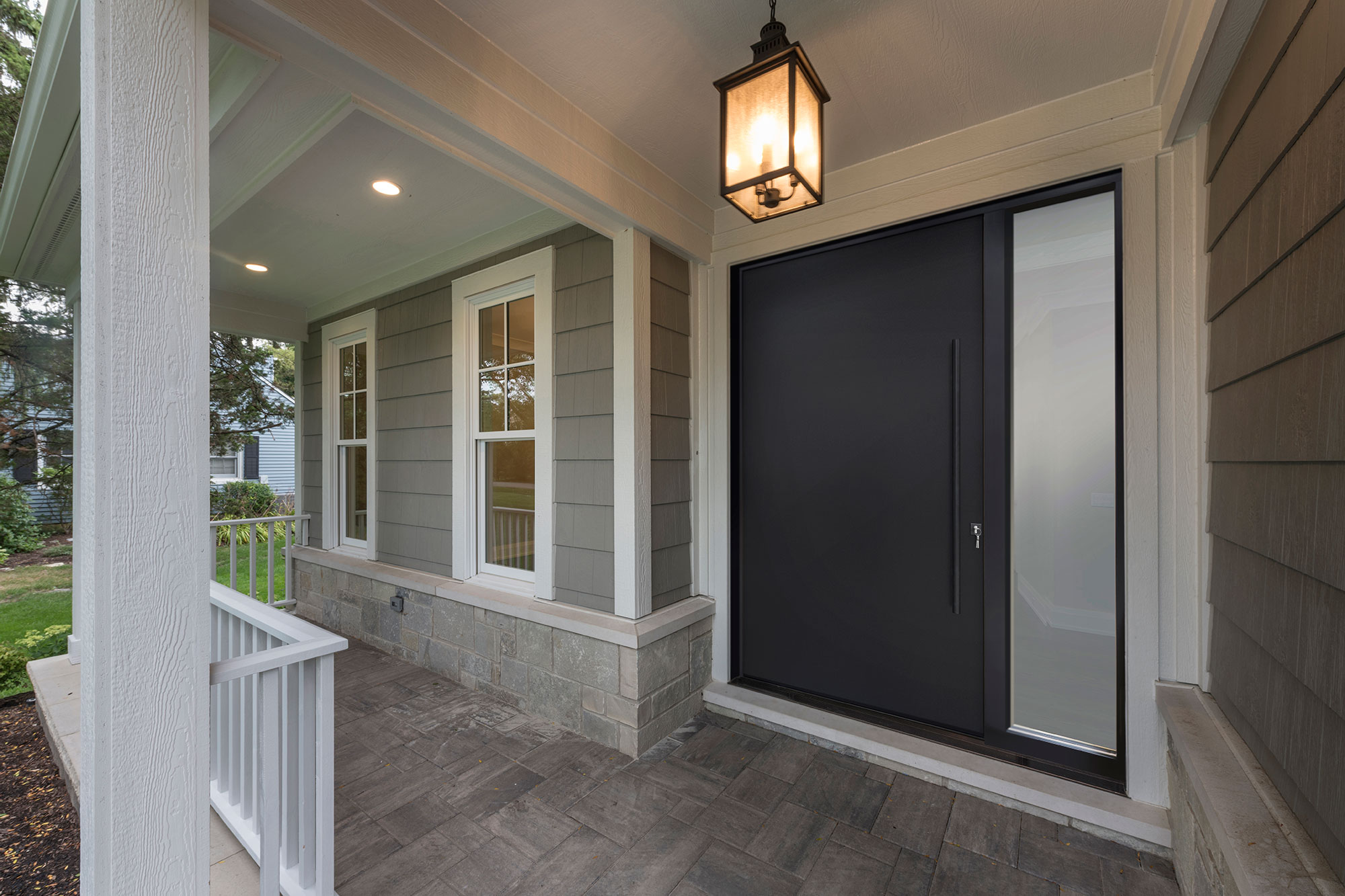
A warped Exterior Door usually shows up through small changes in how it looks and behaves. At first, the signs are subtle, but they slowly become more obvious with daily use. You may notice the door feels different when closing, or it no longer sits evenly in its frame. Over time, the Exterior Door can affect comfort, sealing, and even home security. These changes are early warnings that the door has started to lose its original shape.
Visual Inspection Signs
The first and easiest way to check an Exterior Door is by looking at it closely. A normal door should appear flat and even inside the frame. But when warping starts, the surface may look slightly bent or uneven. You might see small curves along the edges or a twist in the middle that wasn’t there before.
Another clear visual sign is uneven spacing. One side of the Exterior Door may sit too tightly against the frame, while the other side shows a visible gap. This imbalance often grows slowly over time. Even a few millimeters of change can be a strong sign that the door is no longer stable.
Lighting can also reveal hidden issues. When sunlight or indoor light hits the Exterior Door at an angle, uneven shadows may appear. The door may look slightly warped or “off-line” compared to the frame. These subtle visual changes are often the first clues homeowners notice.
Closing And Locking Problems
When an Exterior Door starts to warp, closing it smoothly becomes harder. You may feel resistance when pushing the door shut. Sometimes it sticks halfway or scrapes against the frame before fully closing. This uneven movement is a strong warning sign.
Locking problems often come next. The latch on the Exterior Door may no longer line up with the strike plate. As a result, you might need to lift, push, or adjust the door to properly lock it. This small inconvenience usually gets worse over time.
In more advanced cases, the Exterior Door may not close fully without force. You may notice it bouncing back slightly or not sitting flush with the frame. When closing and locking become inconsistent, it often means the door structure has already shifted.
Sound Clues
Sound is another simple way to detect a warped Exterior Door. A healthy door should open and close quietly. But when warping begins, new and unusual sounds emerge. These sounds often come from friction between the door and the frame.
You may hear scraping noises when the Exterior Door moves. This happens when one part of the door rubs against the frame before the rest of it aligns. Even light contact can create a noticeable dragging sound.
Squeaking from hinges is also common. As the Exterior Door shifts out of alignment, pressure on the hinges becomes uneven. This creates small creaks during movement. Over time, these sounds become more frequent and easier to notice.
Draft And Energy Loss Signs
A warped Exterior Door often breaks the seal between indoors and outdoors. One of the first signs is air drafts coming through the edges. You may feel cold air in winter or warm air in summer, even when the door is fully closed.
These small gaps allow outside air to enter the home. As a result, your heating or cooling system has to work harder to maintain a stable temperature. This leads to higher energy use and less comfort indoors. The Exterior Door is no longer providing proper insulation.
You might also notice dust, smells, or moisture entering more easily. A properly sealed Exterior Door should block these elements. When they start coming through, it usually means the door has already shifted out of alignment.
When It Becomes A Security Risk?
A warped Exterior Door can eventually turn into a security issue. When the door no longer fits tightly in the frame, the lock system stops working properly. Even a small misalignment can weaken the overall security.
The deadbolt or latch may not fully engage with the strike plate. This creates weak points that reduce resistance against force. In some cases, the Exterior Door may be easier to push open than a properly aligned door.
If multiple signs appear at the same time—such as closing issues, gaps, and locking problems—the risk increases. At this stage, the Exterior Door is no longer just uncomfortable to use. It can become a real safety concern and should be fixed as soon as possible.
Can A Warped Exterior Door Be Fixed?
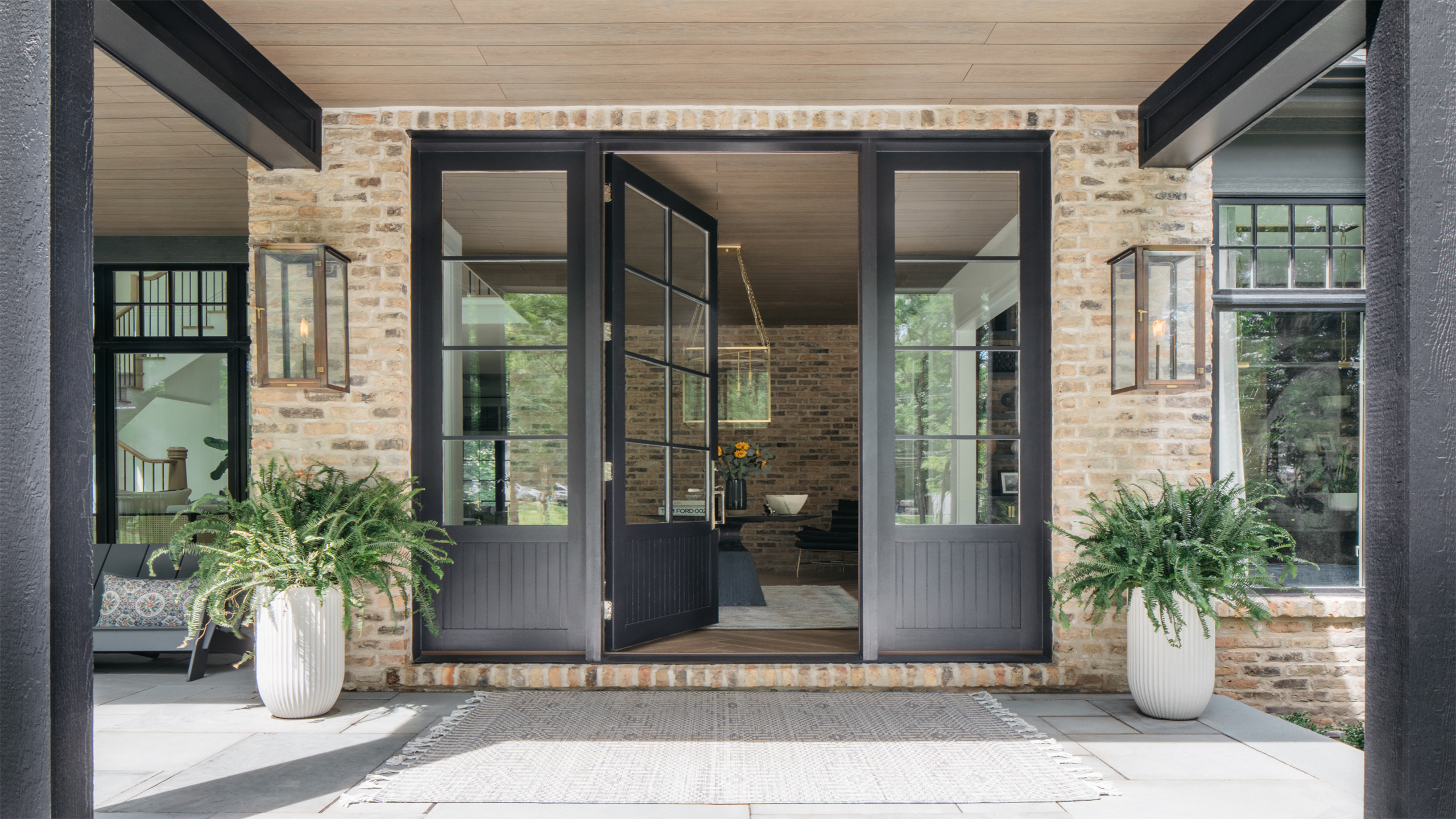
A warped Exterior Door can often be repaired, but the extent of the damage determines whether it can be fixed. In many cases, minor or moderate warping can be corrected with simple repairs. Homeowners can sometimes improve the performance of an Exterior Door without replacing it fully. But when the structure is badly bent or twisted, repair options become limited. At that point, replacement is usually the smarter long-term solution.
Minor Warping
Minor warping in an Exterior Door is the easiest to handle. At this stage, the door still works, but it may feel a little tight or slightly uneven. Small adjustments at home can often improve the situation without replacing the door.
Sanding Edges
Sanding is a common fix for a slightly warped Exterior Door. If one side of the door rubs against the frame, light sanding can remove the high points. This helps the door move more smoothly.
You should sand slowly and in small steps. The goal is not to change the shape too much, but to balance the contact points. After sanding, the Exterior Door may close more easily and feel more aligned.
This method works best for small wood Exterior Door warping. It will not fix deep structural bends, but it can improve everyday use.
Adjusting Hinges
Hinge adjustment is another simple fix for a mildly warped Exterior Door. Sometimes the door looks warped, but the real issue is hinge tension or position. Small changes can improve alignment.
You can slightly tighten or loosen hinge screws. This changes how the Exterior Door sits in the frame. Even a small adjustment can reduce rubbing or sticking.
In some cases, adding a thin shim behind a hinge helps correct the angle. This brings the Exterior Door back into a better position without heavy work.
Tightening Screws
Loose screws can also make an Exterior Door feel warped. Over time, daily use can loosen hinge screws or frame screws. This creates small shifts in alignment.
Tightening these screws can quickly stabilize the Exterior Door. It helps reduce movement and improves how the door closes. This is one of the fastest and easiest fixes.
However, this only works when the warping is very mild. If the Exterior Door is already bent, tightening alone will not fully solve the problem.
Moderate Warping
When an Exterior Door has moderate warping, DIY fixes are usually not enough. At this stage, the door still functions, but problems are more noticeable. You may see clear gaps, air drafts, or repeated locking issues.
Frame Adjustment
A professional may adjust the door frame to fix a warped Exterior Door. If the frame is slightly out of square, it puts pressure on the door. This makes the warping worse over time.
By realigning the frame, the Exterior Door can sit more evenly. This reduces stress and improves the door’s closing. It also helps restore proper contact between the door and the frame.
Frame adjustment is often more effective than changing the door itself at this stage. It balances the entire Exterior Door system again.
Weatherstripping Replacement
Worn or damaged weatherstripping can make a warped Exterior Door feel worse. Even small gaps become more noticeable when seals are weak.
Replacing weatherstripping helps improve insulation around the Exterior Door. It blocks drafts, dust, and moisture. This does not fix the warp itself, but it improves comfort and performance.
In many moderate cases, new sealing makes the Exterior Door feel much tighter. It reduces the impact of small misalignments and improves daily use.
Severe Warping
When an Exterior Door is severely warped, repair usually becomes impractical. At this stage, the door is clearly bent, twisted, or heavily misaligned. It may not close properly, even after adjustments.
Severe warping often affects both structure and function. The Exterior Door may have large gaps, strong drafts, and serious lock issues. Even professional repair cannot fully restore its original shape.
In these cases, replacement is the safest and most reliable option. A new Exterior Door ensures proper sealing, better security, and long-term durability. It also removes repeated repair costs and daily frustration.

How To Prevent Exterior Doors From Warping?
Keeping an Exterior Door from warping is all about control and consistency. You want to protect the door from moisture, heat, and pressure changes as much as possible. Most exterior door problems start small, so prevention is always easier than repair. If you take care of the material early, your Exterior Door will stay straight, stable, and easy to use for years.
Choose The Right Material From The Start
The first step in preventing an Exterior Door from warping starts before installation. Material choice is everything. A strong, stable door will handle weather changes much better than a cheap or weak one.
Solid wood Exterior Door options look nice, but they must be properly treated. Otherwise, they can absorb moisture and move over time. Cast aluminum or stainless steel exterior door systems are often more stable because they resist humidity changes better.
Also, pay attention to the build quality. A well-made Exterior Door should have tight layers, proper sealing, and a balanced core. Cheap materials often react quickly to weather, leading to early warping.
Apply Protective Sealants Regularly
Sealants play a big role in protecting an Exterior Door from water and sun damage. A good seal creates a barrier between the door surface and the outside environment.
You should apply a protective finish or exterior-grade sealant to your Exterior Door at regular intervals. This helps block moisture from entering the material. It also reduces the impact of UV rays and heat exposure.
If the seal wears off, the Exterior Door becomes more vulnerable. Small cracks or unprotected areas can absorb water and expand unevenly. That is where warping often begins.
Install Proper Weatherstripping
Weatherstripping helps your Exterior Door stay sealed and stable. It blocks air, dust, and moisture from entering through the edges. This keeps pressure more balanced on both sides of the door.
A good Exterior Door weatherstripping system also reduces direct exposure to humidity. When less moisture enters the frame, the door material stays more stable over time.
Over time, weatherstripping can wear out. So it is important to replace it when needed. A tight seal around the Exterior Door helps prevent small gaps that can slowly lead to warping.
Use Awnings Or Door Overhangs
Physical protection is another smart way to protect an Exterior Door. Awnings and overhangs reduce direct exposure to rain, snow, and sunlight.
When an Exterior Door is covered, it does not face constant weather impact. This means less moisture absorption and less heat stress. As a result, the door stays more balanced.
Even a small overhang can make a big difference. It reduces daily environmental stress on the Exterior Door surface. This simple step helps extend the door’s life and prevents it from bending over time.
Keep Maintenance Routine Simple But Consistent
Regular maintenance is one of the easiest ways to protect an Exterior Door from warping. You don’t need complex work. You need consistency.
Check your Exterior Door every few months. Look for early signs like small gaps, tight closing, or surface changes. Fix small issues before they grow.
Also, clean the door and check hinges, screws, and seals. A stable Exterior Door system works best when all parts stay tight and aligned. Simple care keeps everything in balance and reduces the risk of long-term warping.
How Climate Affects Exterior Door Warping?
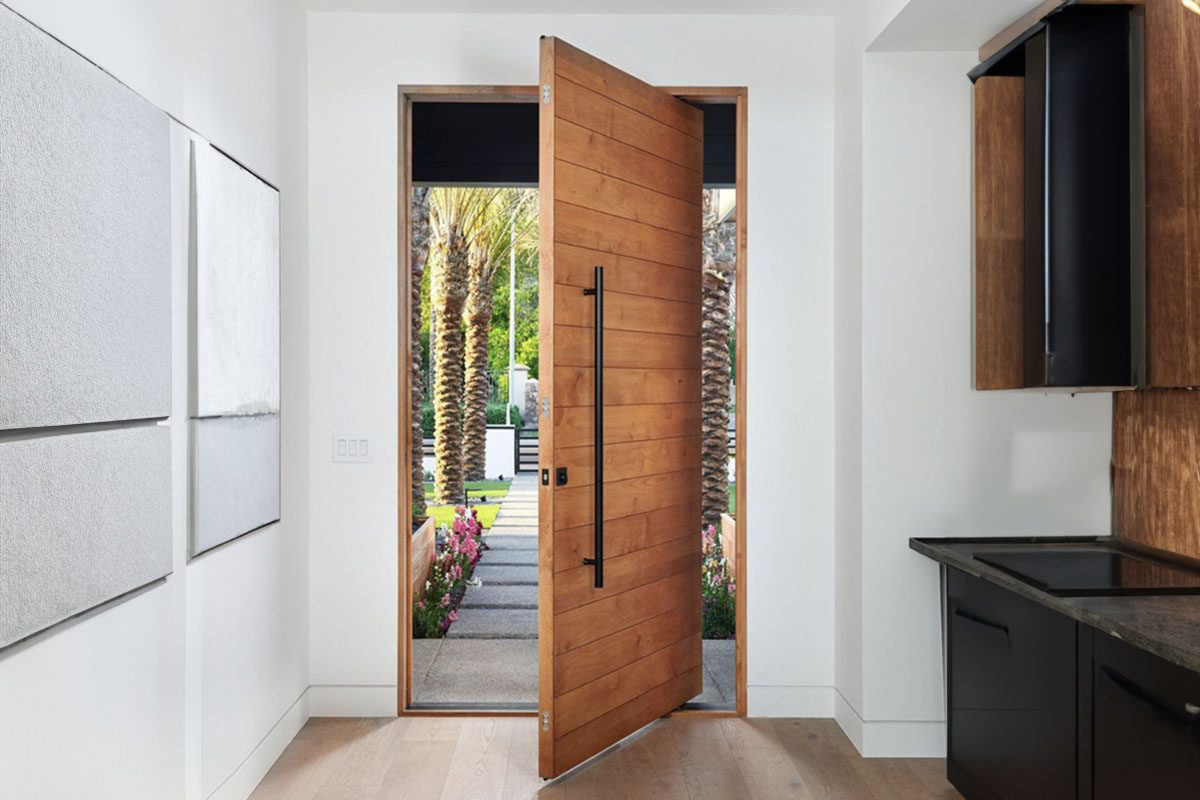
Climate plays a very big role in how an Exterior Door behaves over time. Different weather conditions push the door material in different ways. Heat, cold, moisture, and salt all slowly but constantly affect the structure. Understanding your local weather helps you protect your Exterior Door better and extend its life.
Hot And Humid Climates
Hot, humid regions are among the toughest environments for an Exterior Door. Constant moisture in the air causes the door material to expand repeatedly. When humidity rises and falls, the door keeps reacting. Over time, this leads to uneven movement and slow warping.
Rain, Snow, And Damp Climates
In hot, humid areas, frequent rain and damp air keep the Exterior Door constantly wet. Even if it does not rain every day, the air itself carries moisture. This moisture gets absorbed into the door surface and layers.
As a result, one part of the Exterior Door may swell more than another. This imbalance creates pressure inside the structure. Slowly, the door starts to bend or twist, especially around the edges and corners.
Seasonal Changes
Seasonal shifts in humidity also create stress on an Exterior Door. During wet seasons, the door expands. During drier periods, it contracts again. This cycle repeats year after year.
Each cycle may seem small, but it adds up over time. The Exterior Door slowly loses its perfect alignment. Eventually, you may notice sticking, gaps, or uneven closing due to long-term exposure to humidity.
Cold And Freezing Climates
Cold climates affect an Exterior Door differently. Instead of constant moisture, the main issue here is freezing and thawing. Materials shrink in cold temperatures and expand slightly when warmed again.
During winter, an Exterior Door may contract and become tighter in its frame. When temperatures rise, it expands again. This repeated cycle creates stress inside the structure. Over time, this can lead to small bends or alignment issues.
Snow and ice also add pressure. When snow melts and refreezes around the Exterior Door, moisture can enter small gaps. This weakens the material and slowly affects its shape. Even strong doors can struggle in long-term freezing environments.
Coastal Salty Air Environments
Coastal areas pose another challenge for an Exterior Door: salt-laden air. Salt particles travel with moisture and settle on surfaces. Over time, this causes gradual damage to the door’s material and finish.
A coastal Exterior Door is always exposed to salty, humid air. This combination speeds up wear and weakens protective layers. Once the surface protection breaks down, moisture can enter more easily.
As salt and moisture build up, the Exterior Door may start to swell unevenly. Hinges and other metal parts can also corrode, affecting alignment. This makes the door more likely to shift and warp over time.
Mixed Seasonal Regions
Mixed-season regions are tricky for an Exterior Door because conditions often change. The door faces heat in summer, cold in winter, rain in spring, and dry air in fall. Each season puts different pressure on the material.
This constant change forces the Exterior Door to expand and contract in many different ways. Unlike stable climates, there is no consistent pattern. The door never fully settles into one shape.
Over time, this constant adjustment creates internal stress. The Exterior Door may start to twist slightly or show uneven gaps. Even if each season alone is not extreme, the combination slowly leads to warping and alignment issues.
Exterior Door Types That Resist Warping
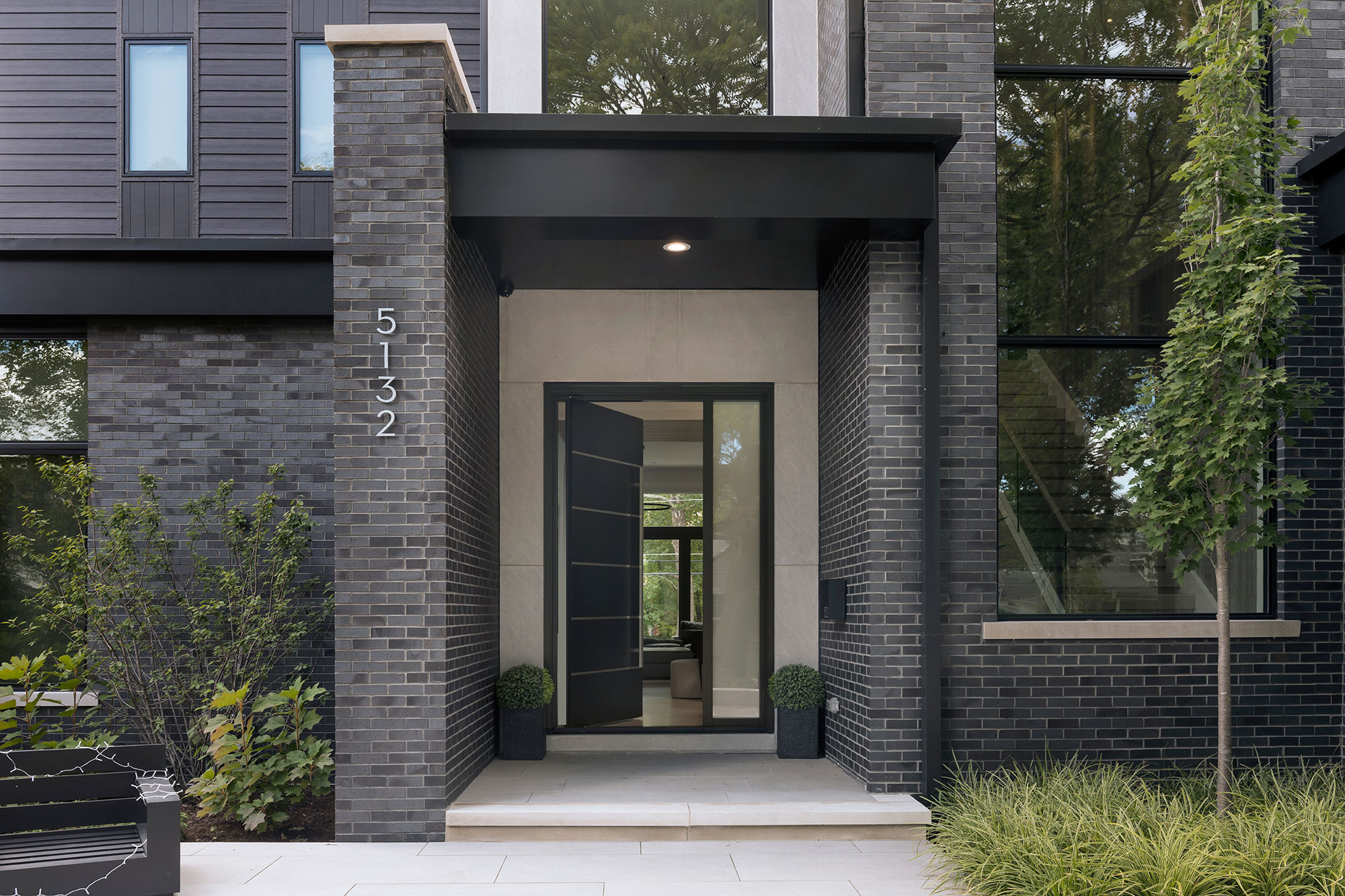
Not all Exterior Door options behave the same. Some materials handle weather changes much better than others. If you choose the right type from the start, you reduce the risk of bending, twisting, or long-term damage. A strong exterior door system should stay stable in heat, cold, and moisture. Below are the most reliable Exterior Door materials that resist warping and perform well over time.
Cast Aluminum Exterior Doors
Cast aluminum is one of the most stable choices for an Exterior Door. It does not absorb moisture like wood. It also does not expand or shrink easily with weather changes. This makes it very resistant to warping over time.
An aluminum Exterior Door stays flat and strong even in harsh outdoor conditions. Rain, sun, and humidity have very little effect on its shape. Because of this, it is often used in modern exterior entry door systems where durability is important.
Another benefit is low maintenance. A cast aluminum Exterior Door does not need frequent sealing or special treatment. It keeps its structure stable for years with very little care.
Stainless Steel Exterior Doors
Stainless steel is another strong option for an Exterior Door. It offers high strength and excellent resistance to environmental pressure. It is especially good in areas with heavy use or strong weather conditions.
A stainless steel Exterior Door does not bend or twist easily. It holds its shape under pressure and temperature changes. This makes it a reliable choice for long-term stability.
It also resists corrosion when properly treated. This means the Exterior Door keeps both its structure and appearance over time. It is often used in commercial and high-security exterior door systems because of its strength.
Composite Doors
Composite doors are a modern solution for Exterior Door construction. They combine multiple materials, such as wood fibers, resin, and insulation layers. This mix creates a balanced and stable structure.
A composite Exterior Door is designed to reduce movement caused by moisture and heat. Each layer works together to control expansion and contraction. This helps reduce the risk of warping compared to solid wood doors.
Another advantage is energy efficiency. A composite Exterior Door often has strong insulation inside. This improves comfort while maintaining the door’s shape in changing weather conditions.
Why These Materials Perform Better Long-Term?
These materials perform better because they handle stress more evenly. A good Exterior Door should react slowly and consistently to weather changes. Cast aluminum, stainless steel, and composite systems all reduce uneven expansion.
Unlike traditional wood doors, these Exterior Door types do not readily absorb water. They also do not shift quickly in response to heat or cold. This stability prevents internal tension that usually leads to warping.
Over time, this means fewer alignment problems, fewer gaps, and better sealing. A stable Exterior Door system stays smooth, secure, and energy-efficient for many years. That is why these materials are often recommended for the long-term durability of exterior doors.
Relate FAQ
Can exterior doors warp?
Yes, exterior doors can warp due to moisture, heat, and changes in humidity. Wood doors are especially vulnerable when they are not properly sealed or maintained. Over time, exposure to weather conditions can cause the door to bend, twist, or swell.
What causes an exterior door to warp?
The most common causes include:
- Excess humidity or water exposure.
- Direct sunlight and temperature fluctuations.
- Poor sealing or lack of protective finish.
- Low-quality core materials or construction.
Which exterior door materials are most resistant to warping?
Cast aluminum and stainless steel exterior doors are the most resistant to warping. They are designed to withstand temperature changes and moisture better than solid wood doors, making them ideal for long-term durability.
How can I prevent my exterior door from warping?
To prevent warping:
- Apply weather-resistant sealants regularly.
- Install proper door overhang or porch protection.
- Ensure correct installation with proper alignment.
- Maintain consistent indoor humidity levels.
Can a warped exterior door be fixed?
Yes, minor warping can sometimes be fixed by adjusting hinges, sanding high spots, or using clamps to reshape the door. However, severely warped doors usually need replacement to ensure proper sealing and security.
How do I know if my exterior door is warped?
Signs include:
- Difficulty opening or closing the door.
- Visible gaps around the frame.
- Air drafts or light passing through edges.
- Uneven alignment with the door frame.
Do all exterior doors eventually warp?
Not all exterior doors warp. High-quality cast aluminum and stainless steel doors, when properly installed and maintained, can last for decades without significant deformation. Wood doors, however, are more prone to damage over time.