Do exterior doors open inward or outward?
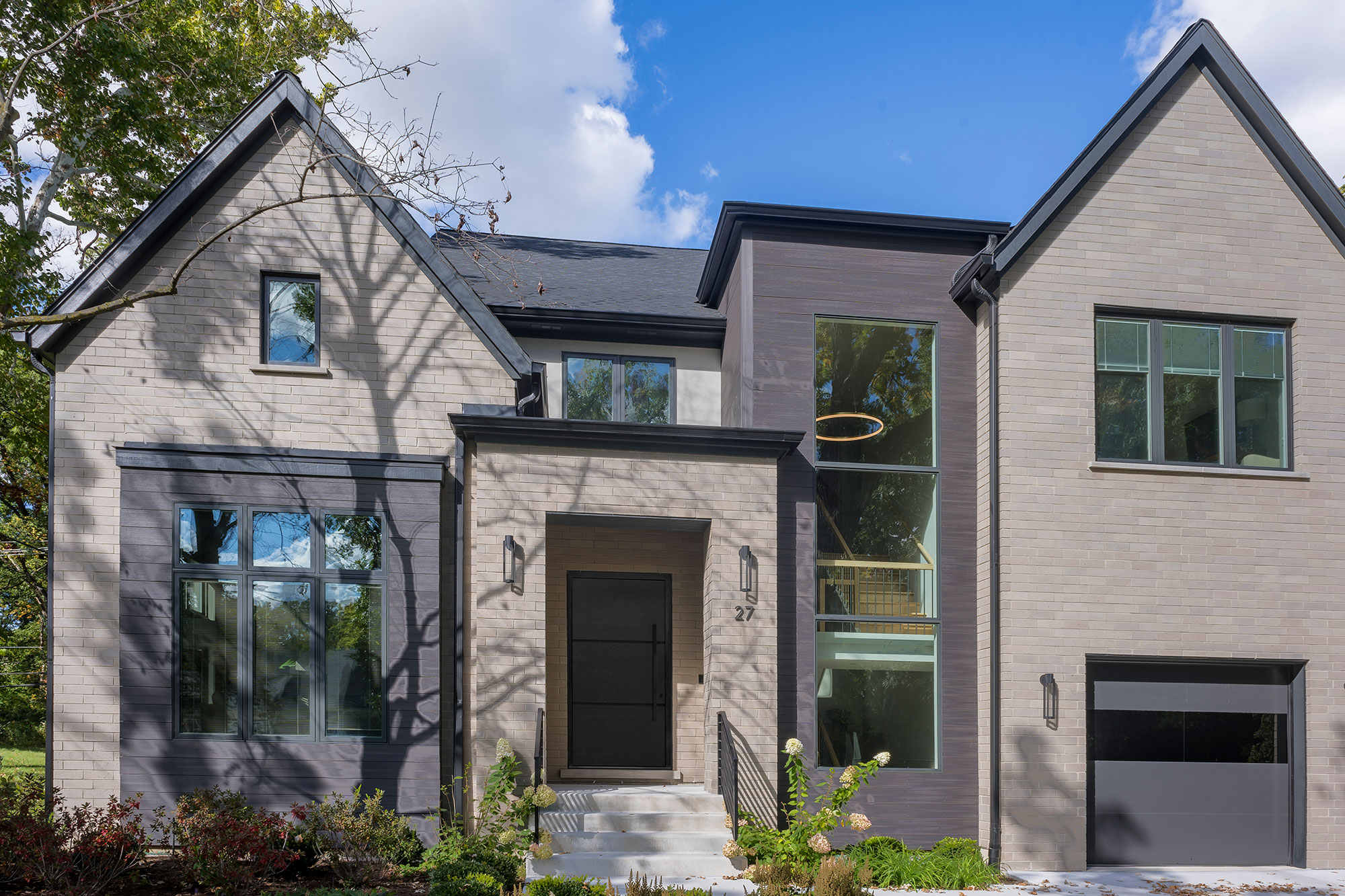
The Importance of Replacing the House Front Door
When it comes to home design, exterior doors are more than just an entry point. They protect your home, improve energy efficiency, and add curb appeal. External doors are not just any door; they are built to face harsh weather conditions, offer extra protection for your home, and complement the exterior style of your property.
Briefly Explain What an Exterior Door Is
An exterior door is a solid barrier that separates your home from the outside world. Unlike interior doors, exterior doors must withstand rain, wind, and temperature changes. They also provide security against intruders. Common types include front doors, back doors, patio doors, and garage entry doors. Materials can vary, depending on style and durability, from wood, steel, and aluminum.
In contrast, interior doors are lighter, easier to install, and mostly focus on aesthetics and room separation. Many homeowners choose matching styles for both interior and exterior doors to create a cohesive look. For example, a modern home may use sleek interior doors inside and a similar design for the front exterior door, blending style with function.
Why the Door Swing Direction Matters?
One of the key questions about exterior doors is whether they open inward or outward. This matters because the door swing affects safety, space, and usability. In many American homes, exterior doors usually open inward, while outward-opening doors appear in areas with strong winds or special building codes.
The same principle applies to interior doors. Knowing the swing direction helps prevent furniture from blocking the door, improves flow, and avoids accidental damage. For instance, a door that swings inward might hit a console table in a hallway if the layout is not planned. On the other hand, an outward-opening exterior door can save interior space but may require stronger locks and hinges.
The Importance of Inward or Outward
Choosing the right swing for your exterior door is more than a design choice—it’s a practical decision. An inward door can protect against heavy winds, make it easier to add storm doors, and simplify entry during snow or rain. Meanwhile, outward doors may help with space in small foyers and provide a strong barrier against wind pressure.
Even with interior doors, swing direction matters. It affects how rooms feel, how you arrange furniture, and even how safe your home is in emergencies. By thinking about both exterior and interior doors together, homeowners can make better decisions that balance safety, space, and style.

Do Exterior Doors Open Inward or Outward?
Many homeowners wonder whether exterior doors should open inward or outward. The answer depends on several factors, including home layout, local building codes, climate, and security needs. Understanding door swing helps coordinate interior doors, furniture placement, and traffic flow, ensuring your home is functional and safe.
Typical Exterior Door Swing in the US
In most American homes, exterior doors follow a simple pattern. Knowing this pattern helps homeowners choose the right door, install it properly, and coordinate with interior doors to maintain a smooth flow inside the house.
Most Residential Doors Open Inward
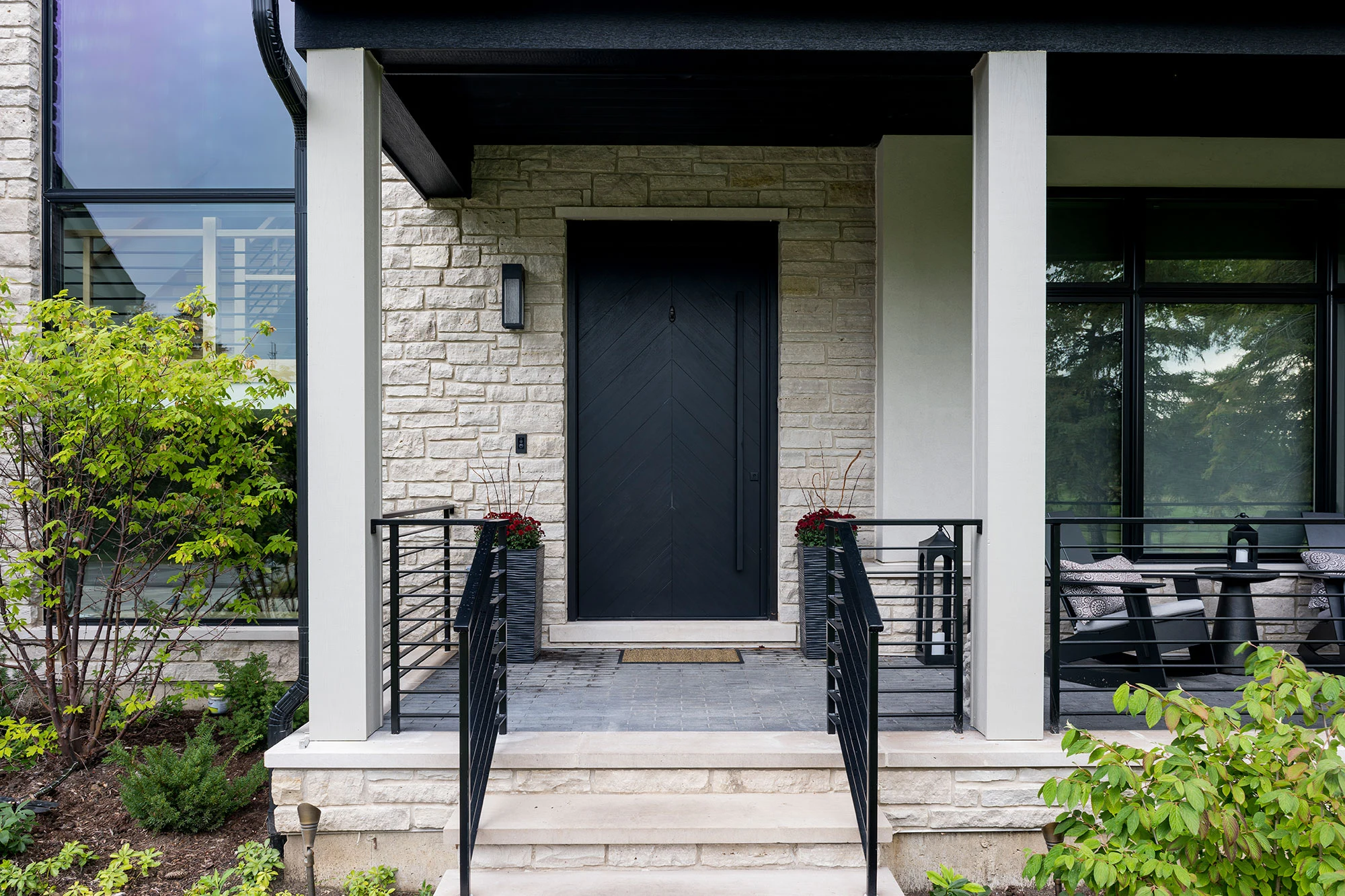
Most residential exterior doors open inward. This includes front doors, back doors, and many side entries. Inward-opening doors fit well with common interior layouts, allowing interior doors to swing freely without bumping into furniture or walls. They also make it easier to add storm doors or security screens outside.
For example, a front exterior door that opens inward provides a clear path into a foyer. Meanwhile, interior doors, such as bedroom or bathroom doors, also open inward, following the same logic for space efficiency and ease of use.
Outward-opening Doors Are Less Common
Outward-opening doors are less common in US residential homes. You may see them in areas with high wind or where local building codes require them for safety. Outward doors can save interior space, but they need strong hinges, proper locks, and extra weatherproofing.
Even with interior doors, outward swings are rare. Most interior doors open inward because it protects the wall and furniture and creates a predictable flow inside the home. The few outward interior doors are usually found in tight spaces, such as small closets or utility rooms.
Simple Explanation Why?
The main reasons for inward or outward swings relate to safety, space, and wind pressure.
- Safety: Inward-opening doors allow residents to push them open and exit quickly in emergencies. Outward doors can be blocked by snow or objects outside.
- Space: Inward doors fit better with interior doors and room layouts. They avoid interfering with furniture or hallways.
- Wind Pressure: Inward doors handle typical wind loads better in most US climates. Outward doors are stronger in hurricane-prone areas but require extra planning and installation.
Factors That Affect Door Swing
Several factors affect whether an exterior door opens inward or outward. Homeowners often overlook these, but considering them can save space, improve safety, and ensure that interior doors work well together. The main factors include local building codes, climate and weather, safety concerns, and interior space layout.
Local Building Codes
Local building codes play a big role in determining door swing. Cities and states often have rules to ensure safety, especially for emergency exits. These codes apply to both exterior doors and interior doors, although exterior doors face stricter standards because they connect to the outside.
Local Building Codes
Every state or city can have slightly different requirements. For example, some coastal areas may require exterior doors to open outward to handle hurricane winds. Meanwhile, inland states with less severe weather often prefer inward-opening doors for safety and convenience.
In residential homes, most exterior doors open inward, and interior doors almost always swing inward, too. The codes for homes focus on safety, interior space, and convenience rather than rapid evacuation for many people. Understanding this difference helps homeowners plan doors that match their needs and stay compliant.
These rules can also affect interior doors near staircases or public hallways. Even though interior doors don’t face the weather, local codes may require a specific swing direction to facilitate emergency evacuation.
Differences Between Commercial and Residential Doors
Building codes often distinguish between residential and commercial buildings. In commercial settings, exterior doors must frequently open outward to facilitate faster evacuation during emergencies. These doors are usually larger, stronger, and sometimes equipped with panic bars.
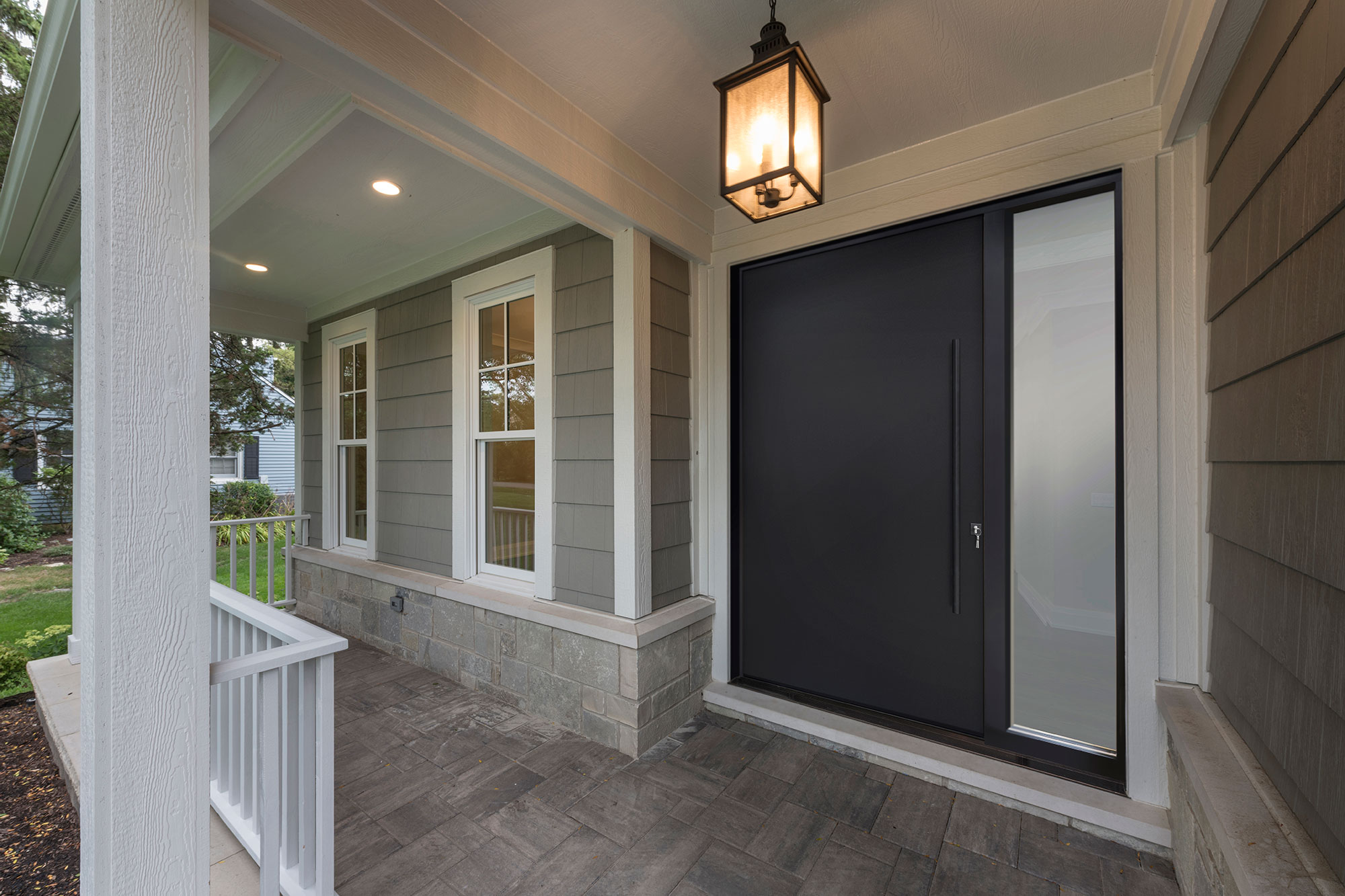
Climate and Weather Considerations
Climate plays a significant role in door-swing decisions. Areas with strong winds, heavy rain, or snow require doors that withstand these conditions. Both exterior doors and nearby interior doors need to complement each other to maintain safety, comfort, and space efficiency.
Why Windy Areas Often Prefer Outward Doors?
In windy areas, many homeowners choose outward-opening exterior doors. Here’s why:
- Wind Resistance: Outward doors resist strong wind pressure better. When the wind pushes against the door, the frame and hinges strengthen the structure rather than forcing the door inward.
- Safety: Outward doors reduce the chance of wind slamming the door into the home, which could damage nearby interior doors or furniture.
- Space Efficiency: Sometimes, outward doors save interior space in narrow foyers or tight hallways. This is especially helpful when your interior doors swing inward, and you want to avoid conflicts.
In short, windy climates favor outward doors because they balance protection, durability, and harmony with interior layouts. Meanwhile, homeowners can match the design style of interior doors to complement the exterior, keeping the look consistent and practical.
Safety and Security
Safety and security are major reasons homeowners choose between inward- and outward-opening doors. A secure exterior door helps prevent burglaries, keeps family members safe, and complements the flow of interior doors inside the house. Simple features like strong hinges, quality locks, and reinforced frames make a big difference.
Comparing Outward and Inward Doors for Burglary Resistance
When comparing outward and inward doors, each has pros and cons for burglary resistance:
Inward-Opening Doors:
- Most residential homes use inward doors because they allow homeowners to reinforce the frame from the inside.
- Heavy-duty deadbolts and lock systems can be installed easily.
- These doors work well with inward-swinging interior doors, keeping the home’s layout predictable and secure.
Outward-Opening Doors:
- Outward doors can resist certain forced entries because the hinges are on the outside.
- However, the hinges must be tamper-proof, or a burglar can remove them to open the door.
- They require stronger materials and high-quality locks to match the protection level of inward doors.
For example, a home with inward-swinging interior doors and an outward-swinging front door can combine safety with space efficiency. This setup prevents a burglar from easily forcing the door while maintaining furniture placement and room flow.
In general, both types of doors can be secure if installed correctly. Choosing between inward and outward swings depends on the local environment, the home layout, and the type of interior doors.
Space and Interior Layout
Space and room layout play a big role in door swing decisions. Both exterior doors and interior doors need enough clearance to open fully without hitting walls, furniture, or other doors. Poor planning can create tight spaces, make movement awkward, and even pose safety hazards.
How Interior Space Limitations Affect Door Swing?
When space is limited, homeowners often need to choose the direction of exterior doors’ swings carefully. Here’s how interior space affects decisions:
- Narrow Entryways: If your foyer or hallway is small, an inward-swinging exterior door might block interior doors or furniture. In these cases, an outward-opening door can save space inside.
- Furniture Placement: Large pieces, such as console tables or sofas, can interfere with inward-swinging doors. Coordinating with interior doors ensures smooth traffic flow and prevents collisions.
- Multiple Doors Nearby: When an entryway has a closet door, pantry door, or interior door leading to another room, the swing of the exterior door must complement these doors to avoid overlap or congestion.
In short, space limitations inside the home directly impact exterior door swing choices. By considering interior doors and room layout, homeowners can make doors functional, safe, and stylish.
How to Identify Door Swing?
Knowing the swing of your doors is important for both exterior doors and interior doors. It helps with furniture placement, room flow, and safety. Many homeowners get confused about left-hand vs. right-hand doors or how to tell the swing direction quickly. The good news is, it’s easier than it looks.
Left-Hand vs Right-Hand Doors
The first step in identifying door swing is to determine whether the door is left-hand or right-hand. Stand outside the door where it opens toward you:
- Left-Hand Door: Hinges are on the left side. The door swings toward the left when opening.
- Right-Hand Door: Hinges are on the right side. The door swings toward the right when opening.
Check Hinge Placement
Hinges are the easiest way to identify a door swing. Look at which side of the frame the hinges are mounted.
- Visible Hinges: Outward-opening doors often have visible hinges on the outside.
- Hidden Hinges: Inward-opening doors have hinges on the interior side, similar to most interior doors in the home.
Practical Tips to Quickly Determine Door Swing
- Stand Outside: Look at the door from the side where it opens toward you.
- Watch the Hinges: Identify left-hand or right-hand by hinge placement.
- Open Slowly: Notice which way the door swings and how it interacts with walls or nearby interior doors. Test Furniture
- Clearance: Check if the swing interferes with tables, shelves, or chairs.
- Match Interior Doors: Ensure each door’s swing complements the swing of nearby interior doors for smooth traffic flow.
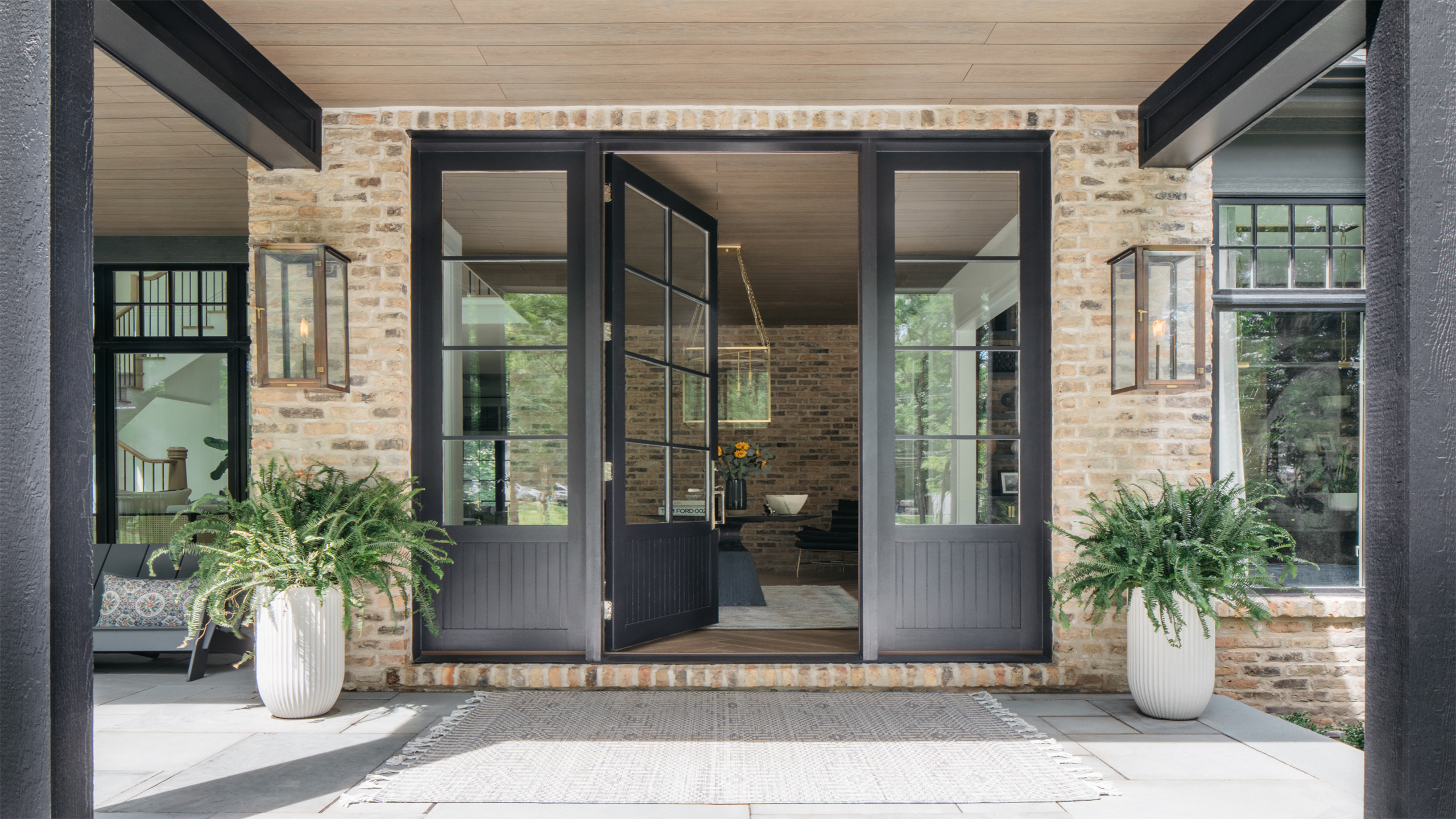
Pros and Cons of Inward vs Outward Opening Doors
Inward Opening Doors
Pros: Protects From Wind and Rain, Easier to Repair
Inward-opening doors are a popular choice for many homes because they swing into the interior space, offering several advantages. First, they naturally protect the interior door from wind and rain. When a storm hits, the door’s design prevents water and strong gusts from directly hitting the door’s exterior surface. This makes inward opening doors ideal for areas with harsh weather or heavy rainfall.
Another benefit is that inward doors are easier to maintain and repair. Since the hinges and lock mechanisms are accessible from inside the home, homeowners can fix or replace parts without needing special tools or ladders. This makes inward-opening doors more convenient for DIY repairs or routine maintenance, especially compared to outward-opening doors.
In addition, inward opening interior doors often offer better security. Because the hinges are inside, it’s harder for intruders to tamper with them from outside. This feature makes inward doors a practical option for bedrooms, bathrooms, or any interior spaces that need extra protection.
Cons: Takes Up Interior Space
The main drawback of inward opening doors is that they take up interior space. When the door swings inside, it occupies floor area in the room. This can limit furniture placement or reduce usable space in small rooms, making it less ideal for compact apartments or rooms with tight layouts.
Moreover, inward-opening doors can sometimes create obstacles when the room is crowded. For example, opening a door might bump into a chair, table, or other furniture. Homeowners need to plan the room layout carefully to avoid interference, especially in interior spaces where every square foot counts.
Overall, inward opening doors provide protection, easy maintenance, and security, but you trade off some interior space. For homeowners prioritizing safety and convenience, inward doors are often the better choice for interior door installations.
Outward Opening Doors
Pros: Saves Interior Space, Handles Wind Pressure Better
Outward-opening doors swing outward, which can be a big advantage in certain home layouts. One of the main benefits is that they save interior space. Unlike inward opening doors, they don’t take up any room inside, so you can place furniture closer to the doorway or make a small room feel more open. This makes outward opening doors a smart choice for compact interior spaces or for doors leading into kitchens, hallways, or bathrooms where space is limited.
Another advantage is that outward opening doors handle wind pressure better. Because the door pushes against the frame when the wind blows, it often becomes more stable in stormy or windy conditions. This design helps maintain the integrity of the interior door during strong gusts, making it suitable for homes in areas prone to heavy wind or extreme weather.
Additionally, outward-opening interior doors can add a unique style touch. They are less common, so they can give your home a slightly different look, especially when paired with decorative hardware or custom finishes.
Cons: More Exposed to Wind, Requires Specialized Locks
The main downside of outward opening doors is that they are more exposed to wind and weather. Since the door swings outward, the exterior surface takes the full impact of rain, snow, or gusts. Over time, this can cause wear, especially on wooden interior doors that lead to outdoor areas or enclosed porches.
Another consideration is security. Outward opening doors usually require specialized locks or hinges to prevent tampering. Standard locks may not provide the same level of protection as with inward doors, so homeowners often need reinforced frames or added hardware. This can slightly increase installation costs compared to inward opening interior doors.
Overall, outward-opening doors are excellent for saving space and managing wind pressure, but they require careful attention to locks and exposure. They work well when interior space is limited or when the home faces strong winds, making them a practical choice for modern home designs.

Exterior Door Types and Their Swing Directions
Standard Single Doors
Most Common Residential Door Type
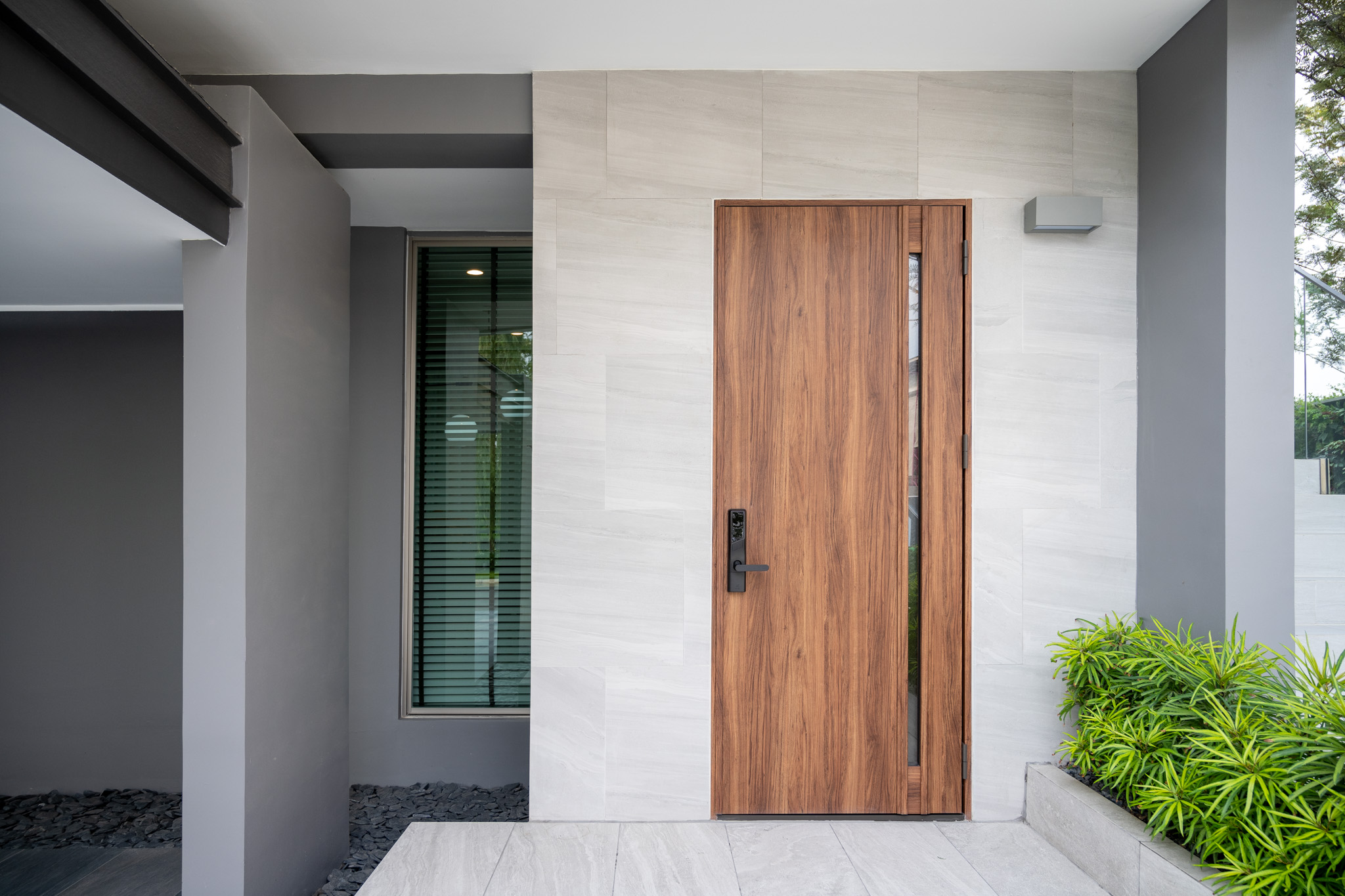
Standard single doors are the most common choice for residential homes. These doors consist of one panel and are easy to install, making them a popular option for both exterior and interior doors. Homeowners often choose them for front entrances, back doors, or side entries because they are simple, reliable, and cost-effective.
These doors work well with a variety of materials, including wood, steel, fiberglass, and composite, and can match almost any home style. They also allow for easy customization with windows, panels, or decorative hardware, giving homeowners flexibility in both interior and exterior door design.
Swing Direction Options
Standard single doors come with flexible swing directions, which is important when planning interior layouts or entryways. They can swing inward or swing outward, depending on space and preference. Inward-swinging doors protect the interior from the weather and are easier to maintain, while outward-swinging doors save interior space and handle wind pressure better.
Moreover, you can choose right-hand or left-hand swing, which refers to the side the hinges are on when you face the door from the outside. This small detail can make a big difference in how the door fits with furniture placement, traffic flow, and accessibility in interior door spaces.
Overall, standard single doors offer versatility, ease of installation, and multiple swing options, making them a go-to choice for most homeowners. They provide a straightforward solution for both interior door replacements and exterior entrances, balancing personal style and practical functionality.
Double Doors and French Doors
Swing Options for Two-panel Doors
Double doors and French doors feature two panels that open either together or independently, making them a stylish and functional option for both exterior and interior entrances. These doors are often used for patios, balconies, living rooms, or master bedrooms, where homeowners want a wider opening and more natural light.
The swing options for two-panel doors are versatile. Both panels can swing inward, which is common in interior spaces, or swing outward, which is often chosen for patios or exterior entries. Some designs allow only one panel to serve as the primary active door, while the other remains fixed, offering flexibility for everyday use. This setup can be especially useful when coordinating with interior door layouts, furniture placement, and traffic flow inside the home.
French doors, in particular, add a sense of openness and elegance, as their multiple glass panes let light pass through while still providing security. They pair well with interior door styles, maintaining consistency between interior and exterior spaces.
Inward vs Outward Differences
When choosing between inward and outward swings for double or French doors, the differences are clear. Inward-swinging doors protect the threshold from rain and wind, making them easier to repair and maintain. They are ideal when the interior space allows the door panels to open fully without hitting furniture or walls.
On the other hand, outward-swinging doors save valuable interior space and better withstand wind pressure. This makes them suitable for high-traffic areas or rooms where you want to maximize usable interior space. However, outward doors may require specialized hinges and locks to ensure security, especially for exterior entrances.
Ultimately, double doors and French doors offer homeowners a balance of style, functionality, and swing flexibility. Whether for an exterior patio entry or an interior passageway, these doors provide options that can suit both modern and classic interior door designs while enhancing space and light flow.
Sliding Doors and Pivot Doors
How These Unique Doors Function?
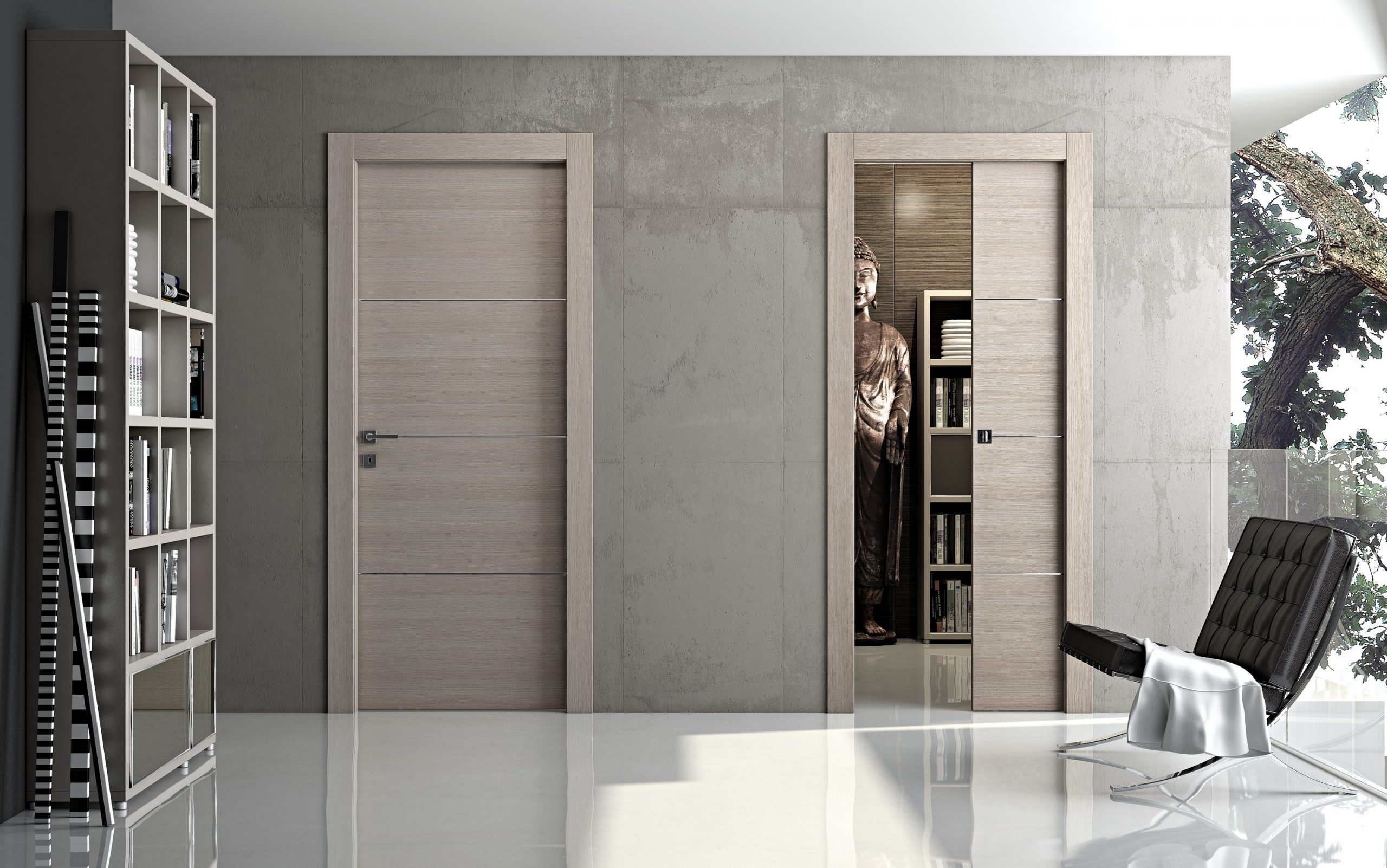
Sliding doors and pivot doors offer a modern twist on traditional interior and exterior doors. Sliding doors move along a track, either within the wall cavity or along the exterior wall, eliminating the need for swing space. This design makes them perfect for tight areas or rooms where furniture placement matters, as they don’t interfere with the interior layout.
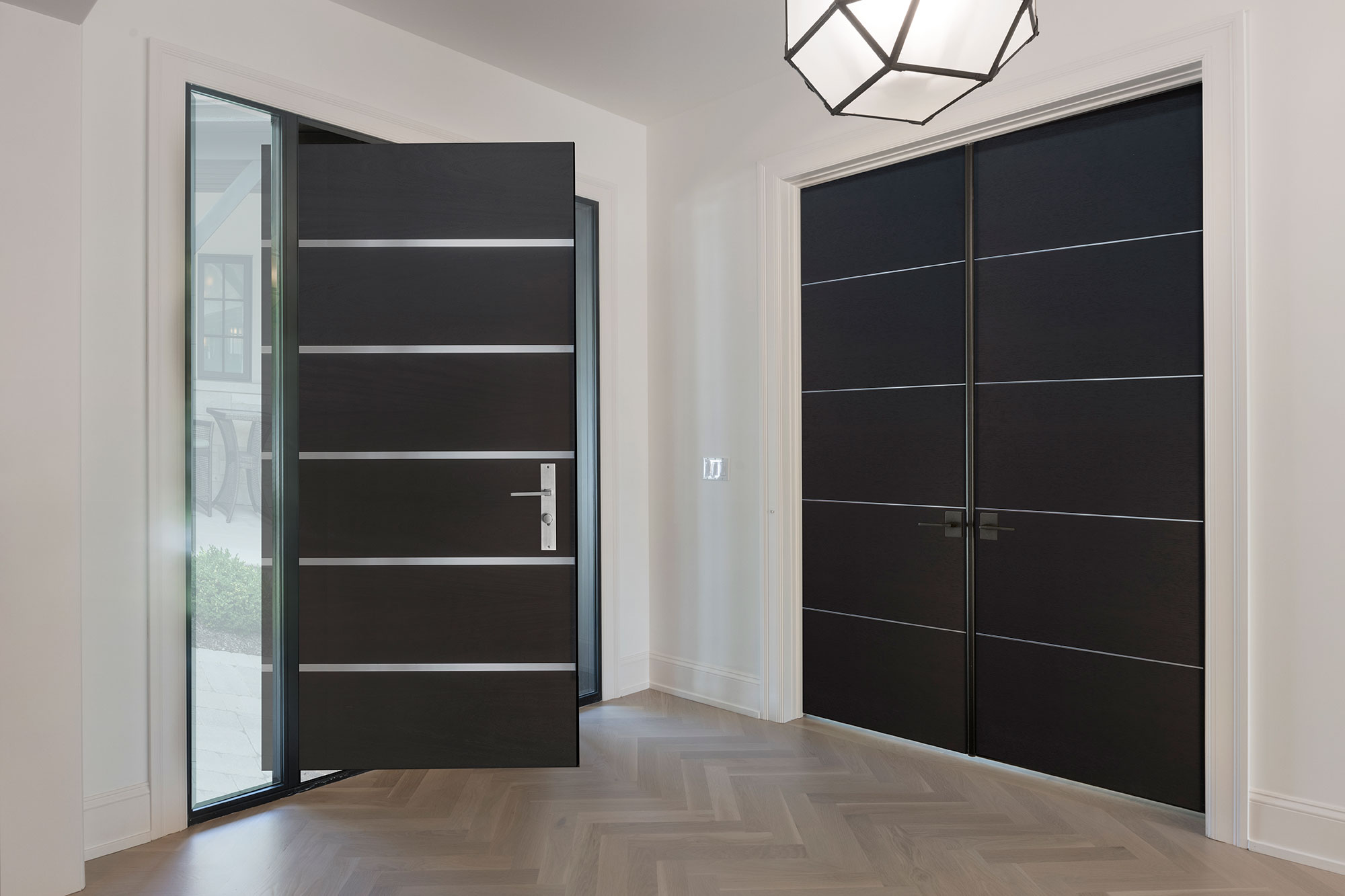
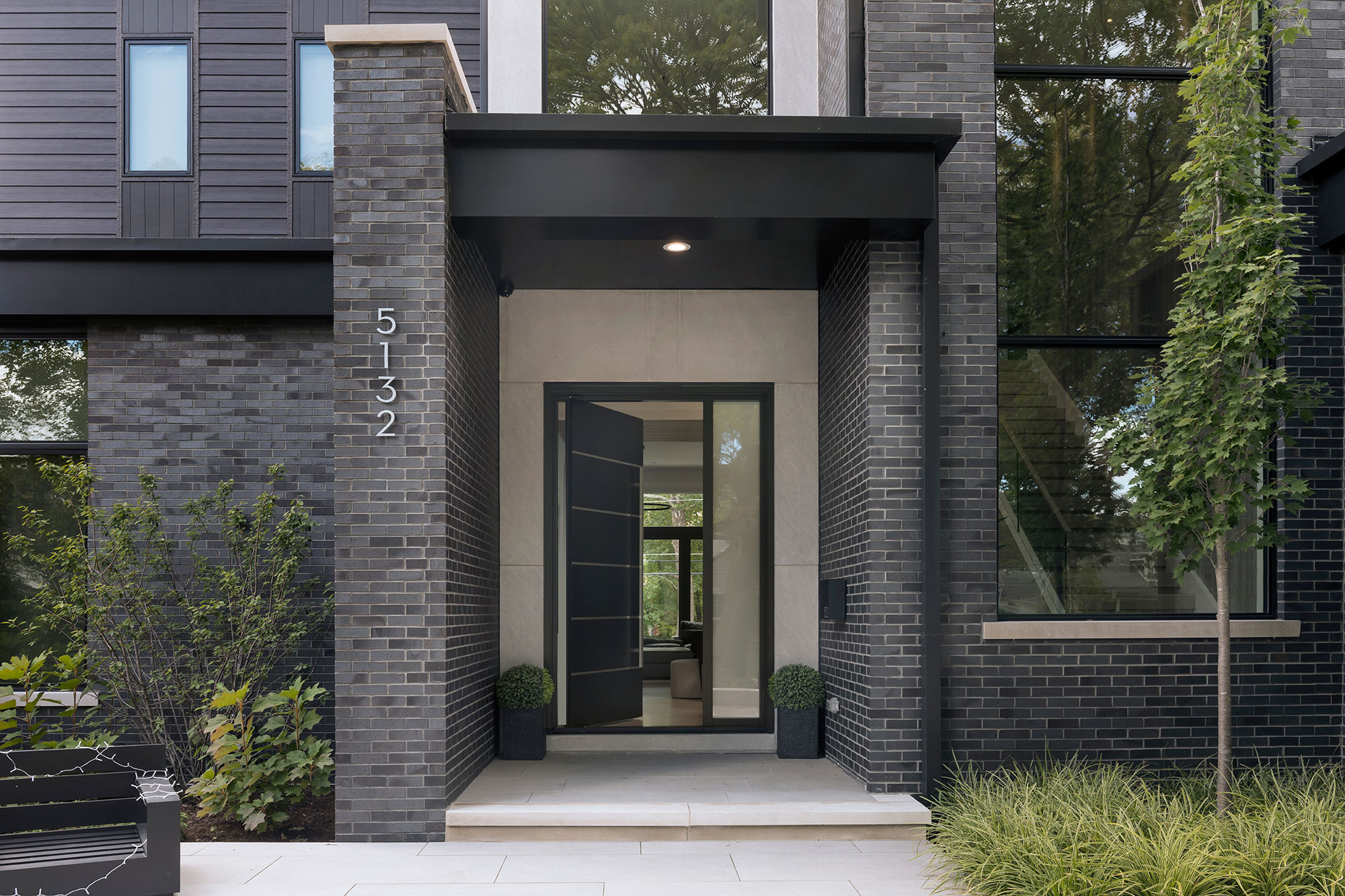
Pivot doors work differently. Instead of swinging from standard side hinges, they rotate on a central pivot point, often installed at the top and bottom of the door. This allows the door to swing in a unique arc, giving a bold design statement while still functioning smoothly. Pivot doors are heavier and often larger, so they require sturdy frames and precise installation, but they make a striking entrance for modern homes or luxury interior door setups.
Both sliding and pivot doors are excellent choices for a clean, open look. They can be fully glazed to let in natural light or solid for privacy. For interior doors, sliding options are particularly useful for closets, bathrooms, or connecting living spaces, while pivot doors are often used as main entrances or statement interior doors.
Best for Modern Homes
Sliding and pivot doors fit perfectly in modern and contemporary home designs. Sliding doors help create open-plan layouts, making spaces feel larger and more connected. They are practical for both interior and exterior doors, especially when you want easy access to patios, decks, or garden areas without taking up room inside.
Pivot doors, meanwhile, offer a dramatic and sleek appearance. Their unique swing mechanism and often taller-than-standard height make them a focal point at entrances or between key interior spaces. Homeowners often pair pivot doors with minimalist frames, large glass panels, or bold materials to enhance the aesthetic of modern interior doors.
Overall, these door types combine style, space efficiency, and innovative functionality, making them ideal for homeowners looking to update their interior and exterior door designs while maintaining a modern, practical layout.
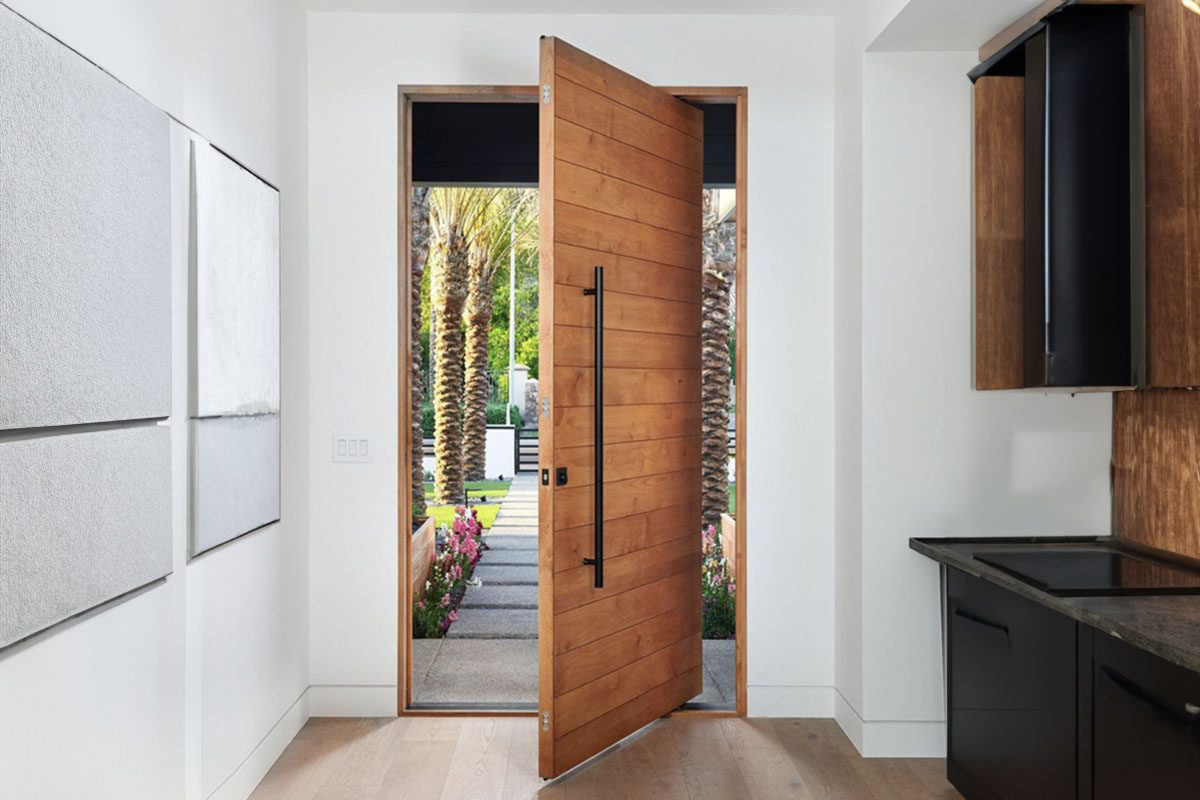
Tips for Choosing the Right Exterior Door Swing
Consider Room Layout and Furniture Placement
When choosing an exterior door swing, the first thing to think about is the room layout. Inward-swinging doors need space inside to open fully, so check for furniture, rugs, or other obstacles near the doorway. If the interior space is limited, outward-swinging doors or sliding doors can help save space.
Even for interior door connections, it’s good to plan the swing carefully. For example, a front door that swings inward might bump into a coat rack or a console table if not properly positioned. Taking these small measurements into account ensures smooth movement and keeps your home comfortable and functional.
Factor in Local Climate
The climate in your area also matters. In regions with strong winds or heavy rain, inward swinging doors can protect your interior doors and thresholds from water and wind damage. Conversely, outward doors can withstand wind pressure better but may require additional sealing and durable materials to prevent weather exposure.
For homes in areas with snow or frequent storms, it’s smart to consider door materials and swing direction to reduce maintenance and extend the lifespan of both exterior and interior doors.
Safety and Security Needs
Security is another key factor. Inward-swinging doors generally hide their hinges, making it harder for intruders to tamper with them. Outward-swinging doors, however, may require special locks or reinforced frames to ensure safety.
For interior doors connected to exterior entrances, you should consider locking mechanisms, latch types, and the overall frame strength. This ensures that both your interior door flow and exterior security are maintained without compromise.
Aesthetics and Door Style
Finally, aesthetics play a big role. The swing direction can impact how a door looks and feels in your space. Outward-swinging doors often suit modern, minimalist homes, while inward-swinging doors offer a more traditional appearance. Sliding and pivot doors can make a bold statement for both exterior entrances and interior door transitions.
Think about how the door complements your home’s style, the type of interior door finishes, and whether it flows well with other entryways. The right swing can enhance curb appeal, improve light flow, and make your home feel more open and inviting.
Conclusion
Summarize Key Points About Inward and Outward Door Swings
Inward and outward door swings each have clear advantages and trade-offs. Inward-swinging doors protect the interior from wind and rain, are easier to repair, and generally offer better security because the hinges are hidden inside. However, they take up valuable interior space, which can be a concern in smaller rooms.
Outward swinging doors, on the other hand, save interior space and handle wind pressure well, making them ideal for compact or high-traffic areas. They require specialized locks and are more exposed to weather, but they can enhance the functionality of both interior doors and exterior door layouts.
By understanding these differences, homeowners can make informed choices for front entrances, patio doors, and interior transitions that balance style and practicality.
Choosing the Right Swing Involves Safety, Space, Climate, and Building Codes
Selecting the right door swing is more than a style decision. You need to consider safety, available interior space, local climate, and building codes. Proper planning ensures that your doors—both interior and exterior—work smoothly, provide security, and meet local regulations.
For example, in storm-prone areas, inward swings may protect thresholds and interior finishes, while outward swings may suit areas with limited inside space. For high-traffic or busy homes, sliding or pivot doors can offer additional flexibility. Considering interior door flow, furniture placement, and natural light helps maximize both function and comfort.
Relate FAQ
Do most exterior doors open inward or outward?
Most exterior doors in residential homes open inward. This is because inward-opening doors offer better protection against strong winds, easier weather sealing, and compliance with building code standards in many countries.
Can exterior doors open outward?
Yes, exterior doors can open outward, but this is more common in commercial buildings, storm doors, or in regions with heavy snow or hurricanes. Outward-opening doors can provide better security against forced entry but may require additional design considerations for clearance and weatherproofing.
What determines the direction a door should open?
The direction depends on factors like building codes, safety requirements, climate, and available space. For example:
- Inward-opening: typical for homes in the U.S.
- Outward-opening: often required for emergency exits, hurricane-prone areas, or limited interior space.
Is one opening direction safer than the other?
- Inward-opening Doors make it easier to escape from inside the home in emergencies.
- Outward-opening Doors are better at resisting break-ins and are preferred in high-wind or hurricane zones. Safety depends on proper installation and local building regulations.
Can I change the direction my exterior door opens?
Yes, but it usually requires reframing the door, repositioning hinges, and adjusting the threshold. It’s recommended to consult a professional exterior door installer to ensure code compliance and proper sealing.
Do exterior doors in different countries follow different standards?
Absolutely. For example:
- U.S. & Canada: Residential exterior doors typically open inward.
- Europe: Some regions prefer outward-opening doors for energy efficiency or for compliance with building regulations.
- Hurricane-prone Areas (e.g., Florida): Outward-opening doors with reinforced frames are common.