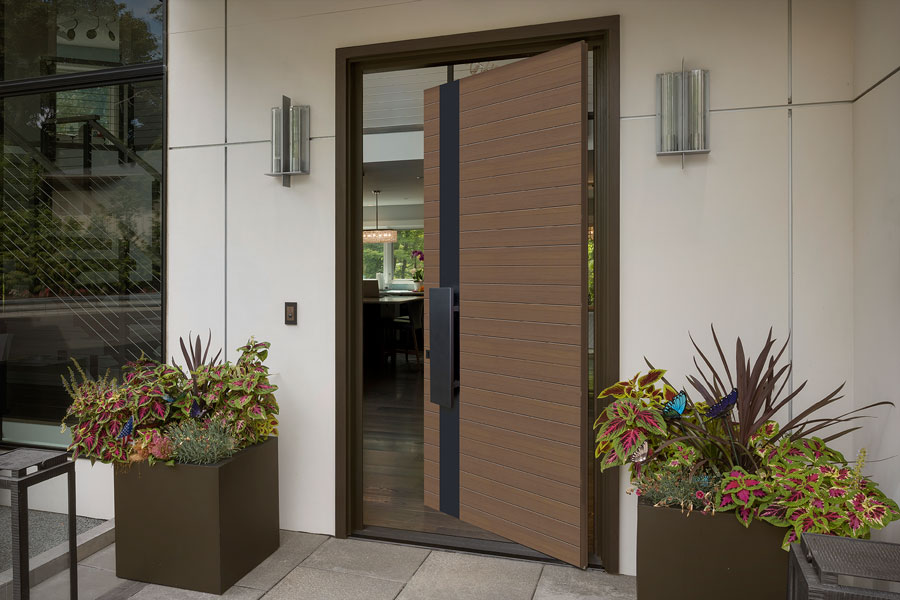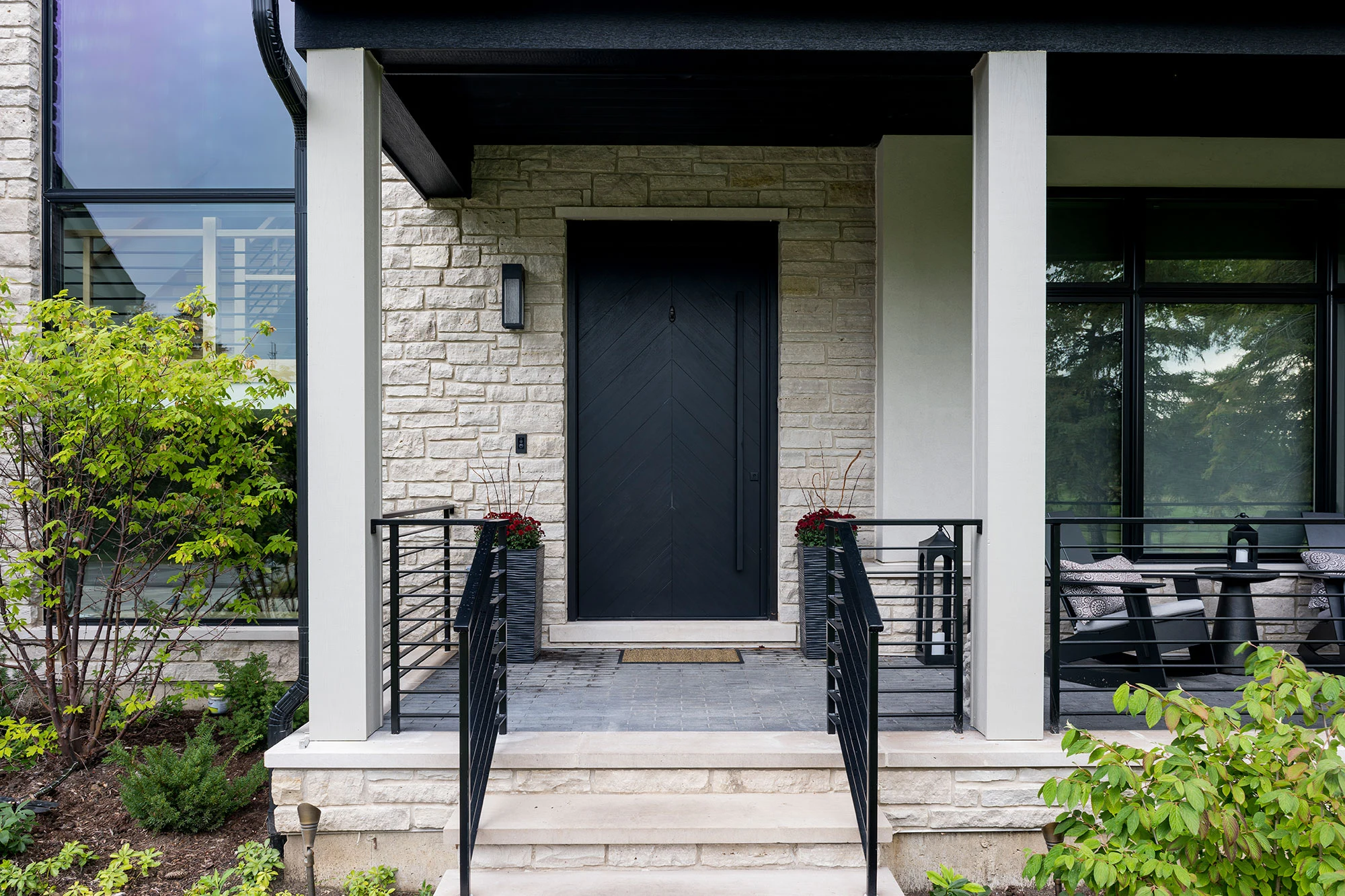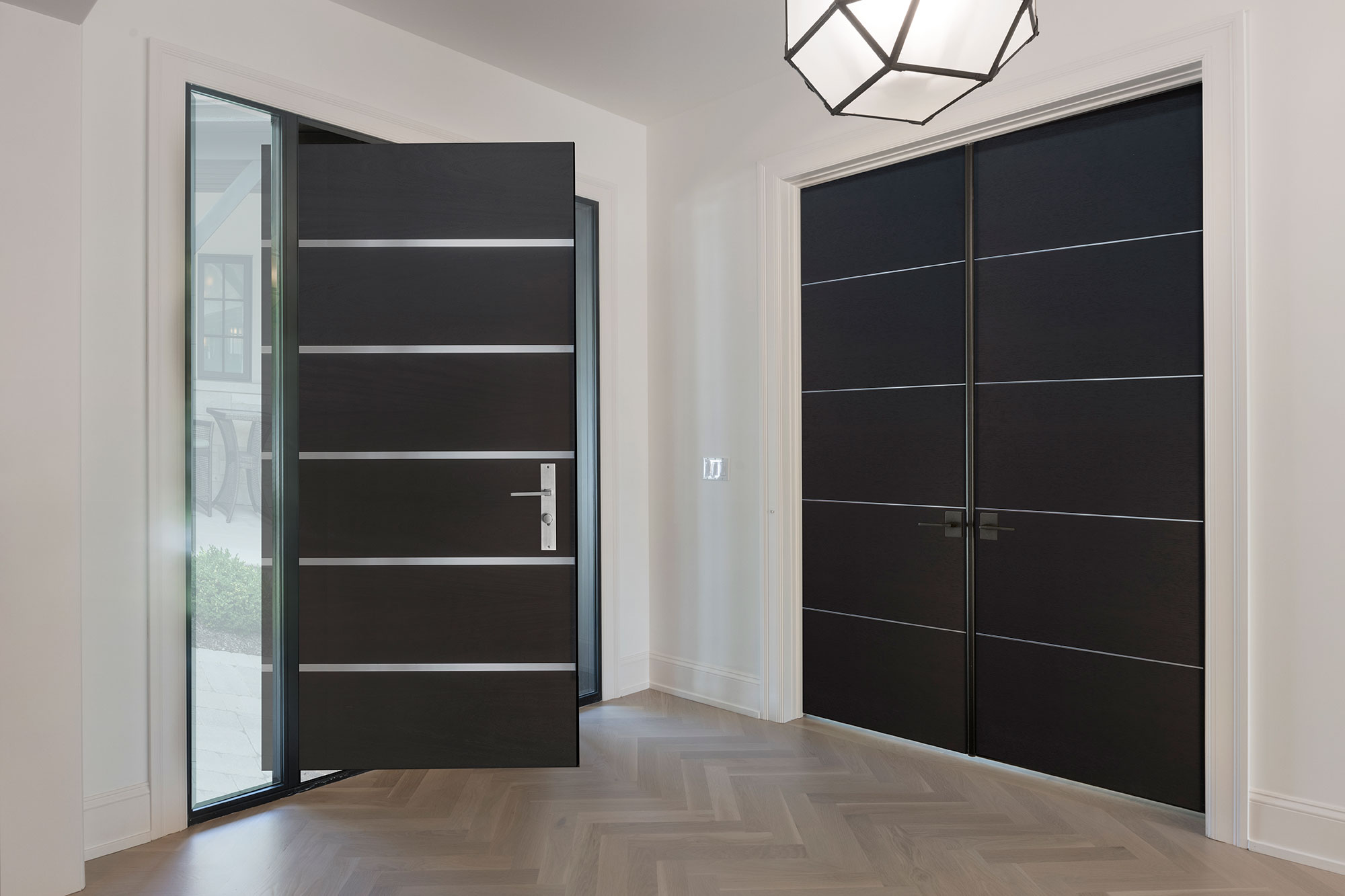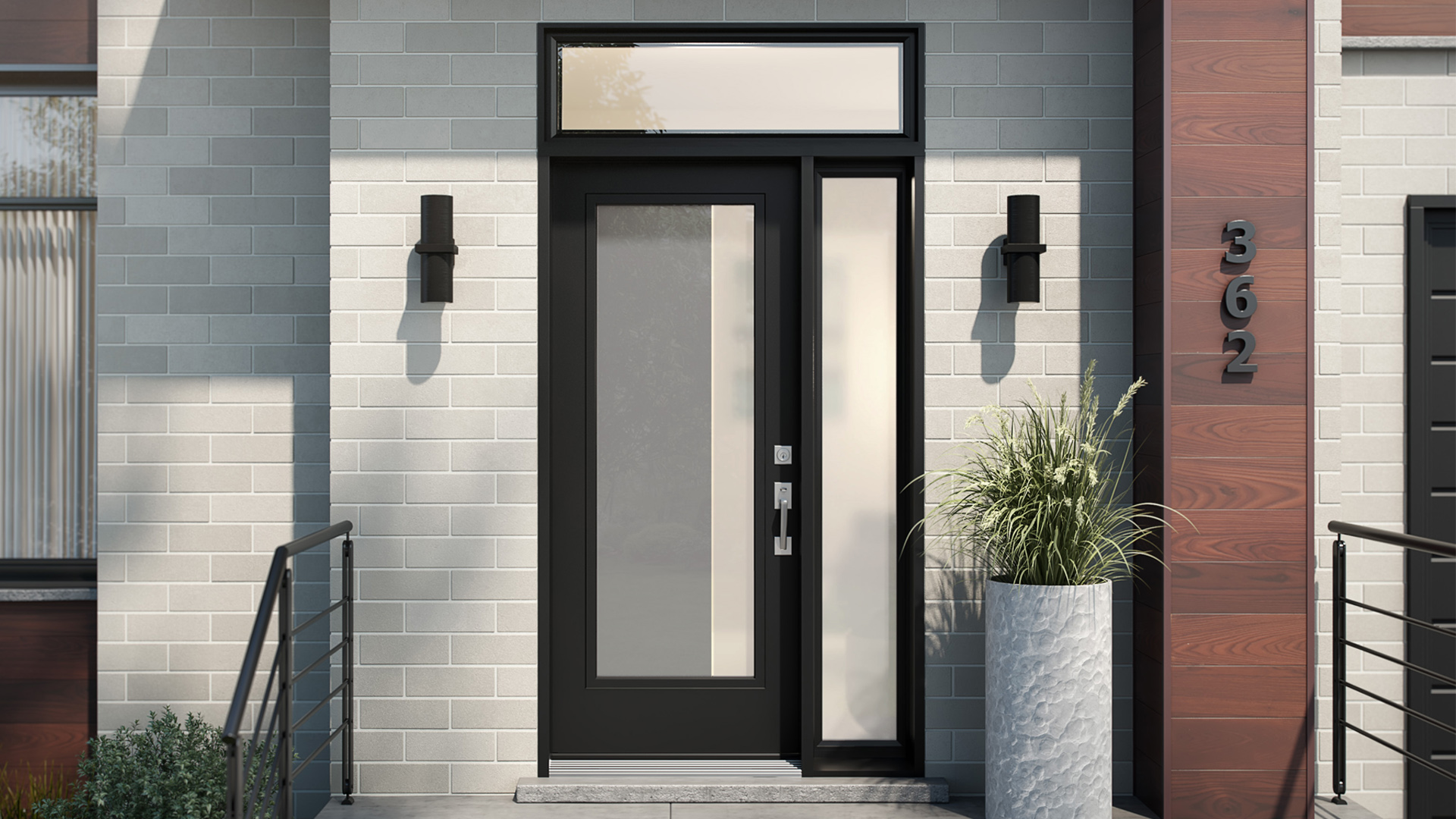
Do invisible doors have frames?
Introduction to Invisible Door
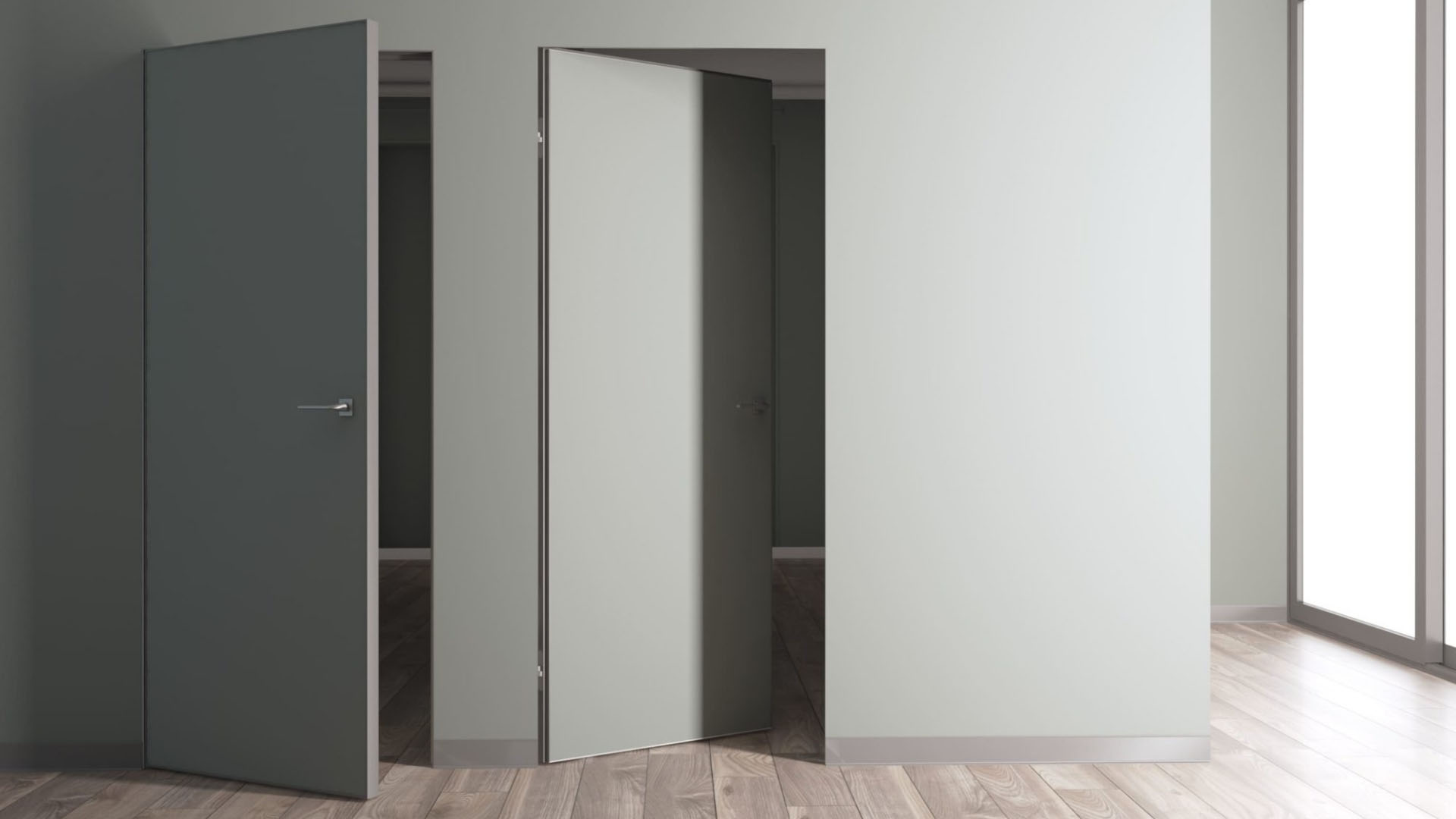
Invisible doors are quickly becoming a popular trend in modern architecture and interior design. These doors are designed to blend seamlessly with the surrounding walls, creating a sleek, minimalist look.
What Are Invisible Doors?
Invisible doors, often called “flush doors” or “concealed doors,” are built into the wall without a visible frame or traditional door hardware. Essentially, they are “hidden” in plain sight. These doors are typically made from the same material as the wall, allowing them to blend seamlessly into their surroundings. When installed correctly, they look like part of the wall itself, with no obvious door handle or frame disrupting the room’s flow.
One key feature of an invisible door is that it can be opened and closed without disrupting the room’s aesthetic. This is achieved by using hidden hinges, magnetic locks, and minimalistic handles that are either integrated into the wall or concealed when not in use. The result is a clean and modern look, perfect for contemporary interiors.
The Popularity of Invisible Doors in Modern Homes
Invisible doors have gained popularity in recent years, particularly among homeowners seeking a sleek, minimalist design. As modern architecture and interior design trends continue to move towards simplicity, invisible doors fit perfectly into this vision. They offer a way to eliminate the visual clutter often caused by traditional doors with bulky frames and handles.
In today’s design world, open floor plans and spacious interiors are highly sought after. Invisible doors play a major role in creating the illusion of more space by eliminating visible door frames and allowing walls to appear uninterrupted. This makes rooms look more open, light, and airy, contributing to the overall modern aesthetic.
Moreover, the rise of smart home technology has also influenced the popularity of invisible doors. Many modern invisible doors are compatible with smart systems, adding convenience and innovation to homes. Homeowners can integrate these doors with motion sensors or automated systems, further enhancing their functionality.
Why People Choose Invisible Doors?
There are many reasons why homeowners choose invisible doors for their homes. First and foremost, they offer a clean and minimalist design that suits contemporary tastes. Invisible doors are perfect for people who appreciate simplicity and want to create an uncluttered look in their home. By eliminating visible frames and handles, they create a seamless transition between rooms, making spaces feel more expansive and connected.
Another reason people opt for invisible doors is the ability to maintain privacy without compromising aesthetics. These doors allow homeowners to separate spaces, such as home offices or bedrooms, without disrupting the home’s open flow. The discreet design of invisible doors makes them less likely to draw attention, making them ideal for spaces that require privacy while maintaining an elegant, modern appearance.
Invisible doors are also a great choice for homeowners who prioritize functionality. They provide the same level of security, durability, and soundproofing as traditional doors, but without the bulk. Some invisible doors even feature enhanced security, such as hidden locks or magnetic closures, making them just as safe as their traditional counterparts.
Lastly, invisible doors are often used in areas where traditional doors just wouldn’t fit, such as small hallways or rooms with limited space. Their ability to slide or fold into the wall makes them incredibly versatile, making them ideal for a wide range of home designs and room layouts.
Summary
In conclusion, invisible doors are a stylish and functional option for those who want to enhance their home’s aesthetic and maximize space. Whether you’re looking to create a sleek, modern interior or need a more practical solution for privacy, invisible doors offer a unique and innovative way to transform any room.
Do Invisible Doors Have Frames?
To understand this, we first need to look at how invisible doors are built, how they differ from traditional doors, and how they function without a standard door frame.
Understanding the Concept of Invisible Doors
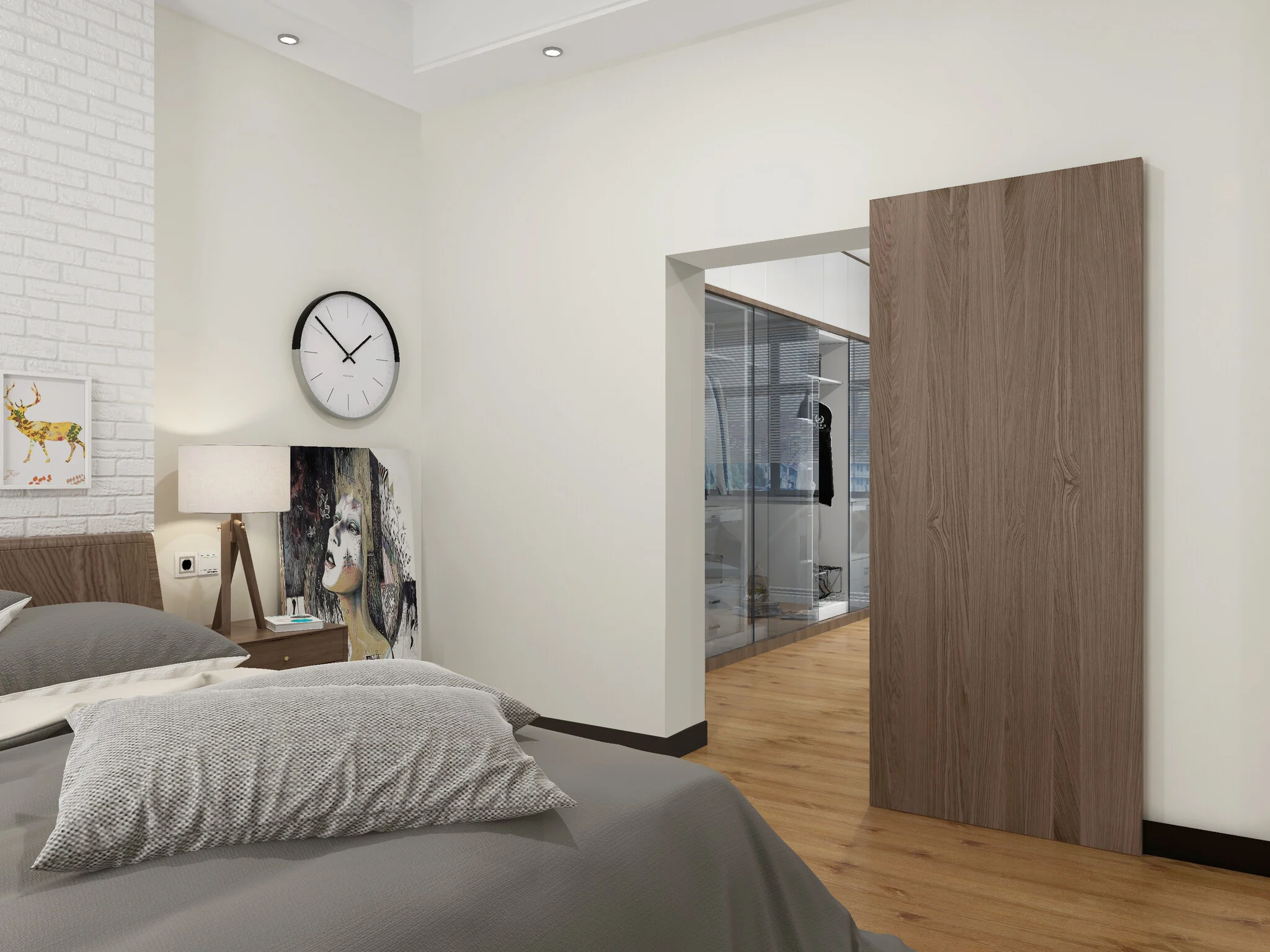
Invisible doors are designed to be seamlessly integrated into the wall, making them appear “invisible” when closed. Unlike traditional doors, which have visible frames, handles, and hinges, invisible doors are built into the wall itself. The goal is to create a smooth, uninterrupted surface that blends effortlessly with the surrounding area. This minimalist approach is perfect for modern interiors that focus on simplicity and elegance.
To achieve this, invisible doors typically use hidden hinges and locking mechanisms. These doors can be made from the same material as the wall—whether it’s wood, drywall, or even glass—so they disappear visually when not in use. The absence of visible frames and handles is what makes them “invisible” and contributes to their appeal.
The Role of Frames in Traditional Doors
In traditional doors, the frame is an essential part of the structure. It serves several key purposes:
- Support: The frame holds the door in place, ensuring it opens and closes smoothly.
- Aesthetic: The frame often enhances the door’s visual appeal, making it a distinct feature of the room.
- Security: Frames help secure the door to the wall and house the locking mechanism, which is vital for maintaining privacy and safety.
Do Invisible Doors Require a Frame?
Invisible doors, at their most basic, do not require a traditional frame. Instead, they rely on a specially designed system that allows the door to blend seamlessly with the wall while still providing the necessary support and security. These doors use hidden hinges and magnetic locks to operate smoothly without a bulky frame.
However, while invisible doors don’t use visible frames like traditional doors, they may still require a hidden structural frame inside the wall. This frame is not visible from the outside and doesn’t disrupt the door’s clean, minimalist design. It is typically installed during construction or renovation and is designed to hold the door in place while still allowing it to operate as a “frameless” piece.
So, Invisible doors do not need a traditional frame, but they often rely on an internal, invisible support system to ensure proper function.
How Invisible Doors Function Without Traditional Frames?
Invisible doors function without traditional frames by using innovative design techniques and hidden hardware. Here’s how they work:
- Hidden Hinges: Instead of visible hinges on the edge of the door, invisible doors use concealed hinges that are built into the edge of the door and the wall. These hinges are hidden when the door is closed, making them nearly invisible. Magnetic or Flush
- Locks: Many invisible doors use magnetic or flush locks instead of traditional latches or handles. These locks are hidden in the wall or the door itself, providing security without disrupting the door’s smooth surface.
- Flush Design: The door is typically made of the same material as the wall, so when closed, it appears to be part of the wall. There is no noticeable gap around the door, and the wall’s texture remains consistent across the entire surface.
- Integrated Support: While the door doesn’t have a traditional frame, it still needs support. This is often provided by a concealed frame or a custom-built structure hidden within the wall. This ensures the door is properly aligned and functions just like a regular door, without the visual clutter of a traditional frame.
Summary
In essence, invisible doors work by rethinking how doors are traditionally built. They use hidden mechanisms and integrated supports to maintain functionality, while offering a smooth, continuous surface that blends seamlessly with the surrounding wall. The result is a sleek, modern look that offers the same benefits as traditional doors, without the bulk or visual disruption of a frame.
The Technology Behind Invisible Doors
Invisible doors and traditional doors are both functional but differ in several important ways. From their design elements to their aesthetic appeal, invisible doors offer a modern twist on conventional doors.
Design Elements of Invisible Doors vs. Traditional Doors
The design of invisible doors is what truly sets them apart from regular doors. Traditional doors often come with visible frames, handles, and hinges. These features are essential for both function and design in standard doors. The frame provides structural support, and the handle or knob allows the door to open and close.
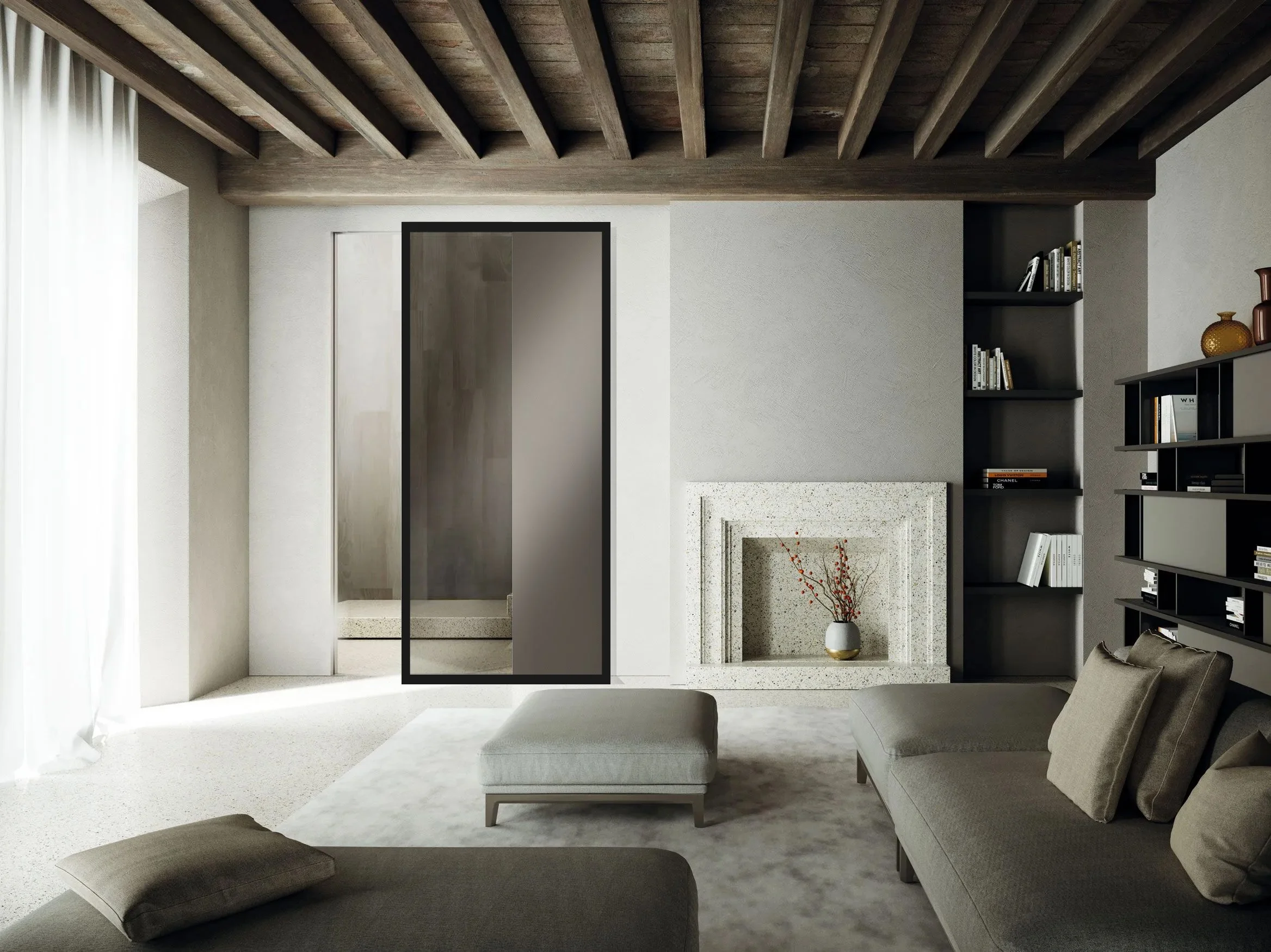
Invisible doors, on the other hand, are crafted to blend seamlessly into the surrounding wall. These doors have no visible frame, handles, or hinges. Instead, they use hidden hinges built into the wall, often with magnetic or flush locks for added security. The door surface itself is made of the same material as the wall, so it becomes almost invisible when closed. The result is a smooth, uninterrupted wall that completely conceals the door.
In summary, invisible doors have a minimalist design with no visible elements, while traditional doors rely on frames, hinges, and handles for both functionality and aesthetic appeal.
Aesthetic Appeal: Why Invisible Doors Blend Seamlessly?
Invisible doors are designed with one goal in mind: to blend in with their surroundings. The aesthetic appeal lies in how the door disappears when closed, making it look like part of the wall. This seamless design is perfect for modern, minimalist spaces that emphasize clean lines and simplicity.
With traditional doors, the frame and handle stand out and can disrupt a room’s design flow. Invisible doors, however, enhance the space by maintaining a consistent surface, which makes rooms feel more open and fluid. For example, in a living room or hallway, an invisible door can separate spaces without disrupting the visual harmony of the area.
In addition, invisible doors can be customized to match the exact material and color of the surrounding wall. Whether it’s wood, drywall, or glass, these doors can be made to blend in so perfectly that they are nearly impossible to spot. This makes invisible doors ideal for people who want a sleek, modern look without compromising style.
Durability and Functionality of Invisible Doors
Invisible doors are not only stylish but also highly durable and functional. Many homeowners worry that the lack of a visible frame might affect the door’s stability and performance, but that’s not the case. These doors are built with sturdy materials and advanced mechanisms to ensure long-lasting durability.
The hidden hinges and flush locks used in invisible doors are designed to support the door’s weight and withstand frequent use. Invisible doors are made with high-quality materials like solid wood or metal, which are all highly durable and can last for years. They also provide the same level of privacy and security as traditional doors, thanks to their hidden locking mechanisms.
While traditional doors are often easier to repair or replace due to their visible parts, invisible doors can be just as functional when properly installed and maintained. Their advanced technology ensures they operate smoothly and securely without the need for visible, bulky hardware.
Space-Saving Benefits of Invisible Doors
Invisible doors offer significant space-saving benefits, especially in smaller homes or areas where every inch counts. Traditional doors often require a swing space to open, meaning they need a clear path to function properly. In contrast, invisible doors can be designed to slide or fold into the wall, saving valuable space that a swinging door would otherwise occupy.
For example, in tight hallways or rooms with limited space, invisible doors can be a perfect solution. They allow you to separate rooms or create privacy without taking up additional space when the door is open. Invisible doors are especially useful in modern apartment layouts, where open floor plans are popular, and space efficiency is key.
In addition, invisible doors often have a more compact design compared to traditional doors, which can make a room feel less cluttered and more spacious. This is especially beneficial in areas like bathrooms, closets, or small offices where space is at a premium.
Summary
Overall, invisible doors not only enhance a space’s aesthetic appeal but also contribute to a more functional, efficient use of available space. Whether you need to save room in a compact apartment or want to maintain a sleek, modern look, invisible doors offer a practical solution.

Types of Invisible Doors
Invisible doors come in several types, each offering unique features that suit different needs and design preferences. Whether you’re looking for a door that swings open or one that slides quietly into the wall, there’s an invisible door option for every space.
Hinged Invisible Doors
Hinged invisible doors are the most common and traditional type of invisible door. Like their regular counterparts, these doors are hinged on one side and swing open. However, what makes them “invisible” is the lack of a visible frame or handle. The hinges are concealed within the door structure, and the door material matches the surrounding wall, so it blends in seamlessly when closed.
These doors are perfect for areas where you want a traditional opening action but without the bulk of a visible frame. Hinged invisible doors are often used in living rooms, offices, and even bathrooms, where privacy is needed, but you still want the space to feel open. The advantage of hinged invisible doors is that they can be designed to blend perfectly with the wall, offering an elegant solution without sacrificing functionality.
Sliding Invisible Doors
Sliding invisible doors are a popular choice for modern homes, especially for saving space. Instead of swinging open, these doors slide smoothly along a track, disappearing into the wall when not in use. Sliding invisible doors are perfect for smaller rooms or areas where a traditional swinging door would be too large or impractical.
One of the benefits of sliding invisible doors is that they don’t require additional clearance space like hinged doors. This makes them ideal for narrow hallways or tight spaces. Additionally, sliding invisible doors can be paired with glass panels or other materials, adding a sleek, contemporary feel to any room.
These doors are commonly installed in offices, closets, or even as room dividers in open-concept living spaces. They provide an elegant, modern touch while maximizing space and maintaining the room’s smooth, seamless design.
Pocket Invisible Doors
Pocket invisible doors are a great space-saving option, especially when you need to keep a room’s layout as open as possible. These doors slide into a “pocket” in the wall, so they completely disappear when opened. The door doesn’t take up any floor space, making it an excellent choice for areas with limited space.
Pocket invisible doors are often used in smaller apartments, bathrooms, or rooms where every inch of space counts. They are ideal for situations where you don’t want a door to swing open or take up precious space. These doors are also useful in areas that require frequent access but where a traditional door might be too bulky or inconvenient.
Although they require a bit more construction to create the pocket in the wall, pocket invisible doors offer a sleek, ultra-functional solution for tight spaces. Once installed, they provide a completely hidden entrance that preserves a room’s clean, minimalist look.
Folding Invisible Doors
Folding invisible doors are another innovative solution for maximizing space. These doors consist of multiple panels that fold back on themselves when opened, allowing them to take up minimal space. Like other types of invisible doors, folding doors don’t have visible frames or hardware when closed, maintaining a seamless, uninterrupted wall surface.
Folding invisible doors are commonly used in larger rooms to divide the space into two parts. They are ideal for areas that need occasional separation, such as a living room that doubles as a guest bedroom or a spacious office that can be divided for meetings. When not in use, folding invisible doors neatly tuck away, preserving the room’s open and airy feel.
This type of door is often chosen for its versatility and ability to create flexible spaces. They are particularly popular in modern homes with open-concept layouts, offering both practicality and style. Folding invisible doors provide a great solution when you need a functional, space-saving door that doesn’t compromise on design.
Conclusion
Invisible doors come in various forms, from hinged to folding, and each type has its own benefits and ideal uses. Whether you’re looking to save space, maintain privacy, or add a sleek, minimalist design element to your home, there’s an invisible door to fit your needs. By choosing the right type of invisible door, you can enhance the flow and aesthetic of your space while enjoying the functionality that modern living demands.
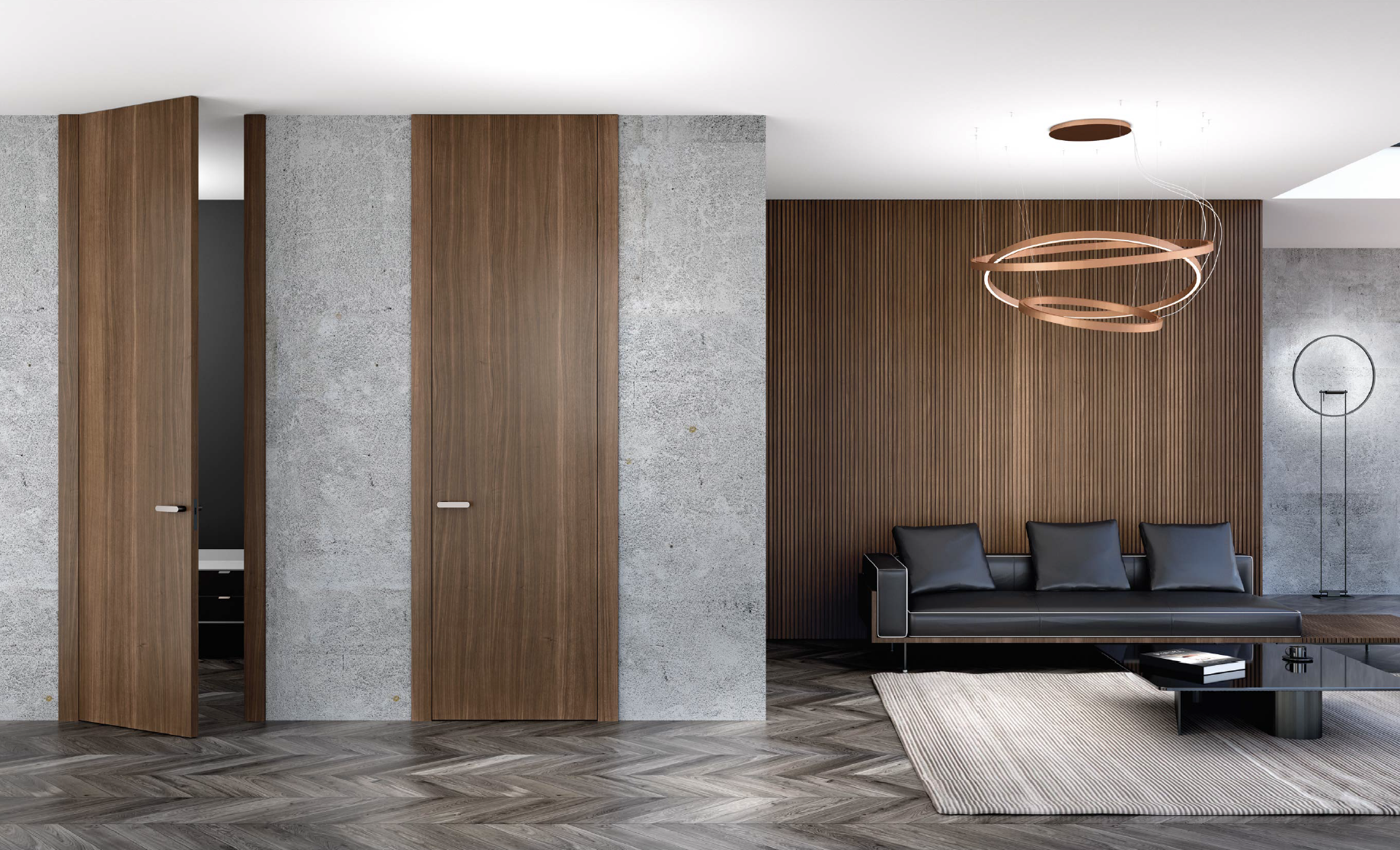
Invisible Door in Different Environments
Invisible doors are a versatile design element that can be used in various environments, each benefiting from the sleek, seamless look they offer. Whether in a home, office, or commercial space, invisible doors elevate the aesthetic and functionality of any setting. Here’s how they work in different spaces:
Invisible Door for Homes
Invisible doors are perfect for modern homes that prioritize open, spacious, and minimalist designs. In a house, these interior doors offer a way to integrate functionality without disrupting the visual flow of a room. Since they blend seamlessly with the surrounding walls, invisible doors help maintain the clean lines central to contemporary interior design.
For example, in a living room or dining area, an invisible door can lead to a hallway, closet, or even a secret room, without removing the room’s aesthetic. The door can be designed to match the wall’s color and texture, making it almost invisible when closed. This creates a sense of space and openness that traditional doors can’t provide.
Invisible doors are also helpful in areas where space is limited. For instance, a sliding invisible door in a small apartment can separate a kitchen from the living room without the bulk of a traditional door. This not only saves space but also adds to the lightness and airiness of the space.
Whether for a master bedroom, a private office, or a luxury bathroom, invisible doors provide a stylish solution that ensures your home feels cohesive and clutter-free.
Invisible Door in Offices
In office environments, invisible doors offer a unique way to combine functionality with professionalism. These doors help create sleek, modern offices, emphasising efficiency and clean design. In open-plan spaces or private meeting rooms, invisible doors allow for privacy and separation without compromising the minimalist aesthetic.
An invisible door can be used to separate workstations, meeting rooms, or even to create hidden storage spaces. Their seamless integration into the wall ensures the office looks neat, helping eliminate the visual clutter that traditional doors may cause. For example, an invisible door that blends with the surrounding wall in a minimalist office can make the room feel more expansive and less boxy.
Invisible doors are also practical in offices with modern designs emphasising transparency and open communication. A transparent glass invisible door can separate two areas, allowing light to flow through, creating a bright and open atmosphere. An invisible door can also reflect the cutting-edge, creative environment in offices where design is crucial to the company’s image, such as design studios, tech startups, or luxury brand headquarters.
Invisible Door in Commercial and Public Spaces
Invisible doors are not limited to private homes or offices. They can also play a significant role in commercial and public spaces, enhancing the architecture and flow of these areas. From hotels to museums, invisible doors create a polished, sophisticated atmosphere that elevates the visitor experience.
In commercial spaces, invisible doors can be used to discreetly divide areas, providing privacy without the visual clutter of traditional doors. For instance, in a boutique hotel, an invisible door may lead to a private lounge or a VIP suite. These doors help keep the focus on the design of the space, rather than on the functional elements like doors and hardware.
Invisible doors are also increasingly used in high-end retail environments, such as luxury stores or showrooms, where design plays a central role in the brand’s identity. A door that blends seamlessly with the store’s interior can create a more immersive shopping experience for customers. Additionally, in museums or galleries, invisible doors can be used to separate different exhibition rooms, maintaining the continuity of the space without distracting from the art or displays.
In public spaces such as airports or conference centers, invisible doors can serve practical purposes without disrupting traffic flow. They provide easy access to different zones or service areas while maintaining a clean, professional look.
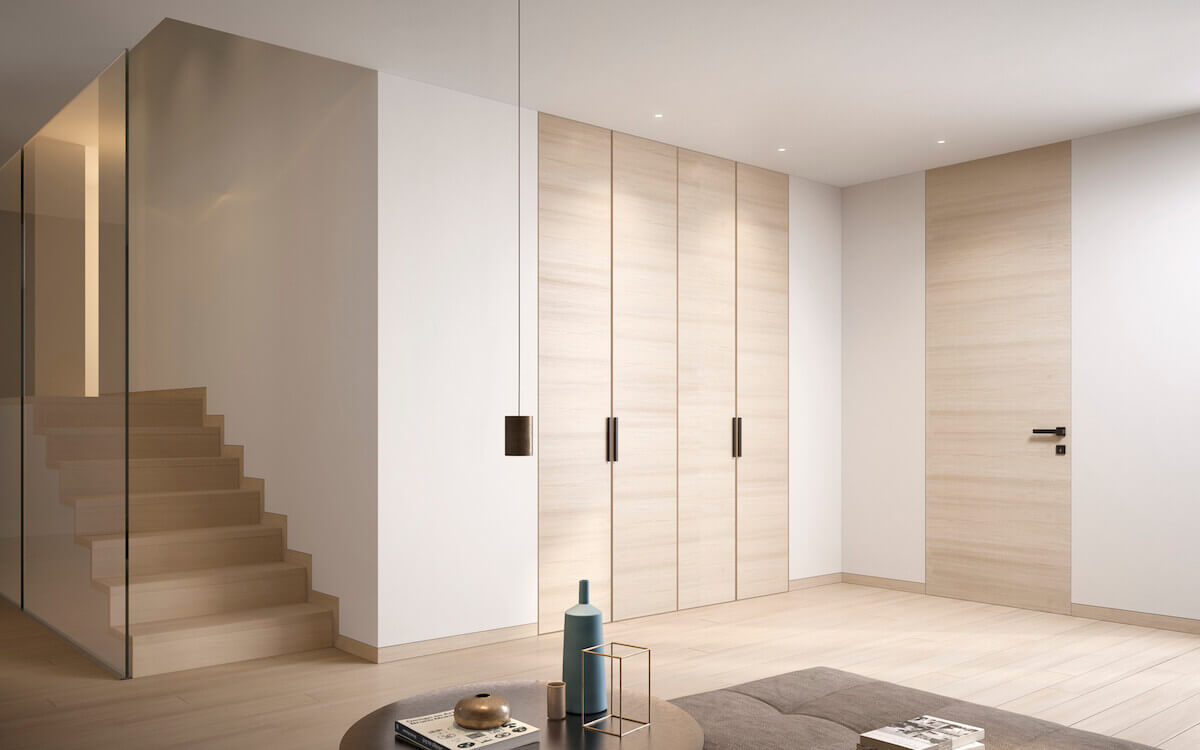
Choosing the Right Invisible Door for Your Space
When deciding on an invisible door for your home, office, or commercial space, choosing the right one to suit your needs is important. Invisible doors aren’t a one-size-fits-all solution, and several factors must be considered. From the materials used to the door mechanism, making the right choice can ensure that the door enhances your space functionally and aesthetically.
Factors to Consider Before Installing an Invisible Door
Before installing an invisible door, it’s important to consider several key factors that will affect its look and functionality. These include the space’s size, the room’s layout, the type of wall material, and how much privacy or security you need.
First, measure your space carefully. Invisible doors work best in rooms with a clean, minimalist layout. They can fit into various sized rooms, but it’s important that the surrounding space can accommodate the size and mechanism of the door. For example, if you’re planning to install a sliding invisible door, you must ensure there’s enough room along the wall to slide open easily.
Next, think about the type of room you’re working with. A pivot or sliding door may be more suitable for high-traffic areas like hallways. For spaces that need to be divided, such as home offices or bedrooms, an invisible door that blends into the wall could provide the privacy you need without interrupting the room’s flow.
The wall material is another consideration. Invisible doors work best when installed in walls that can be seamlessly blended. Drywall, wood paneling, or even glass walls can all be used with invisible doors, but the type of material will affect how the door integrates with the surrounding design.
Finally, think about how often you’ll use the door and whether it needs to provide extra privacy or security. Some invisible doors can be equipped with soundproofing or security features like magnetic locks, which might be important in offices or bedrooms.
Materials Used for Invisible Door
When selecting an invisible door, your material can significantly impact its look and performance. Invisible doors are made from various materials, including wood, glass, and even metal, and each material offers its unique advantages.
- Wood: Wood is a classic choice for invisible doors. It provides a warm, natural look that blends beautifully with any décor. Solid wood or wood veneers are commonly used for these doors, allowing them to blend seamlessly with the surrounding wall. Wood is also durable and can be customized with various finishes to match the rest of your interior design.
- Glass: Invisible doors are perfect for spaces requiring transparency and light flow. These doors are often used in offices, modern homes, or commercial spaces where visibility and openness are priorities. They can be frosted for privacy or clear for an open look. Glass doors also make a room feel larger and brighter, making them ideal for smaller spaces or areas that need more natural light.
- Metal: For a more industrial or contemporary feel, metal invisible doors offer a sleek, modern look. These doors can be made from aluminum or steel and customized with various finishes, such as matte or polished. Metal doors are strong and durable, making them an excellent option for high-traffic areas or spaces that require additional security.
Finding the Right Invisible Door Mechanism for Your Needs
Choosing the right mechanism for your invisible door is essential for ensuring it functions properly and fits seamlessly into your space. Invisible doors come in several mechanisms, each designed for different needs.
- Pivot Doors: Pivot doors are the most common for invisible doors. They rotate around a central point and can be installed without visible hinges. This door type is ideal for larger openings and can be customized to suit any interior style. Pivot doors work especially well in modern homes and offices, providing a sleek, contemporary feel.
- Sliding Doors: Invisible sliding doors are a great space-saving solution. They slide open along hidden tracks, making them perfect for rooms where a swinging door would take up too much space. Sliding doors are often used in kitchens, closets, and smaller areas. These doors can be large or small, depending on the layout of the space.
- Swinging Doors: Invisible swinging doors operate like traditional doors but use hidden hinges and hardware. They swing open inward or outward and are often used in private rooms or bathrooms. These doors are great if you need one that opens fully and doesn’t slide or pivot.
Cost Considerations: What You Need to Know
While invisible doors are an investment in your home or office’s aesthetic, it’s important to consider the costs before deciding. Invisible doors are more expensive than traditional ones, as they require specialized materials, mechanisms, and custom installation.
The cost of an invisible door depends on several factors, including the material (wood, glass, metal), the type of mechanism (pivot, sliding, swinging), and the complexity of the installation. For instance, custom sliding invisible doors may cost more due to the need for precise installation and high-quality materials. The size of the door and the wall material can also influence the overall price.
While the upfront cost may be higher, invisible doors can add significant value to your property, making them a worthwhile investment. They’re particularly beneficial in spaces requiring a seamless, modern design, and they can help increase any room’s functionality and aesthetic appeal.
When planning your budget, also consider the long-term benefits—an invisible door can increase the value of your property and enhance the overall design of your home or office, making it a smart choice for those looking to elevate their space.
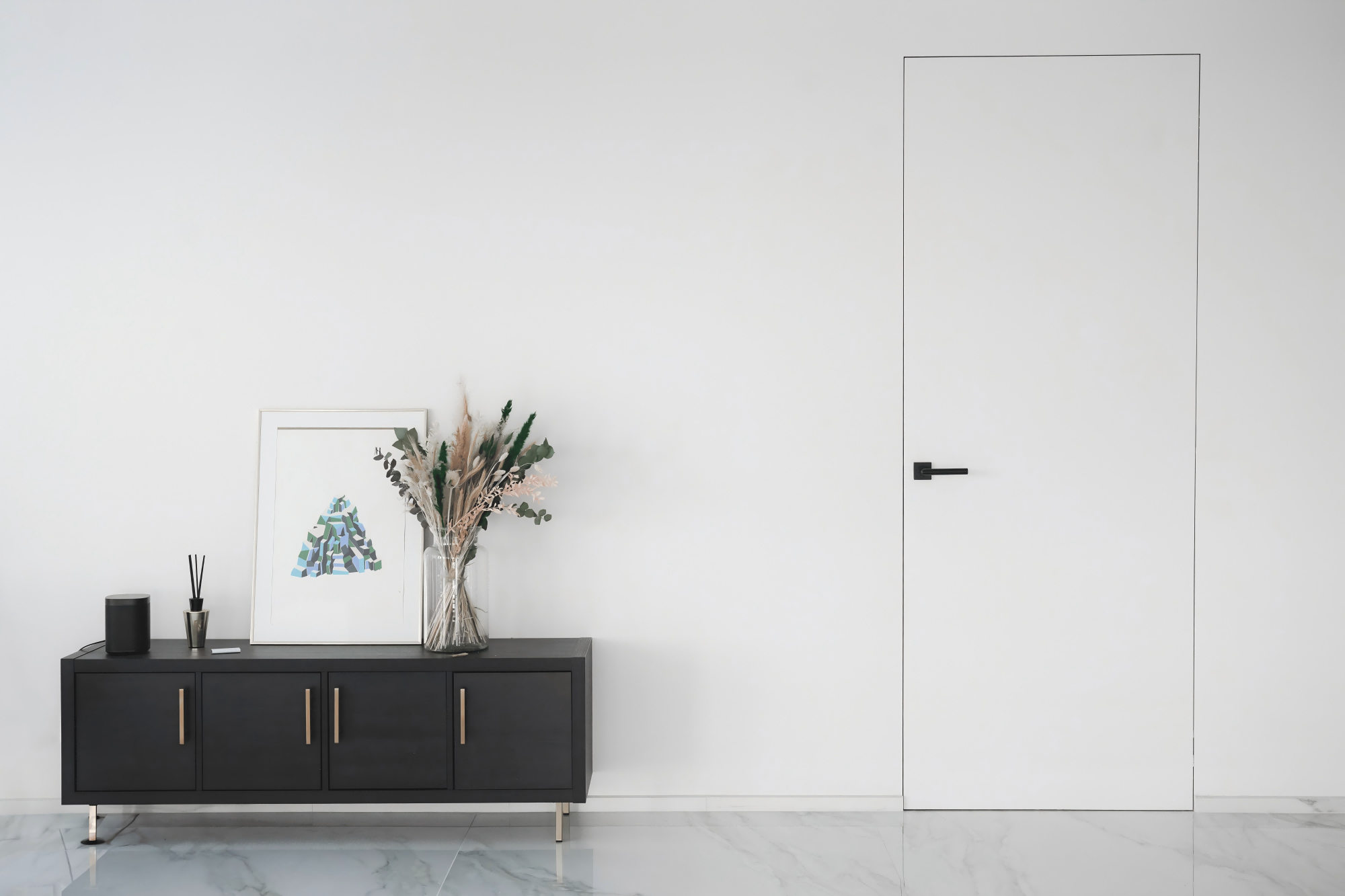
Maintenance and Care for Invisible Door
Invisible doors offer a sleek, modern design that fits seamlessly into any space. However, just like any other interior door, they require regular maintenance to keep them functioning properly and looking their best. Whether you have a wood, glass, or metal invisible door, maintaining it is essential to ensure longevity and smooth operation.
How to Keep Your Invisible Door in Top Condition?
Keeping your invisible door in top condition involves regular care, cleaning, and checking for performance issues. Here’s how you can maintain your invisible door:
1. Regular Cleaning:
Invisible doors, especially those made from glass or wood, should be cleaned regularly to remove dust, dirt, and fingerprints. Use a gentle glass cleaner and a soft cloth to avoid scratches on invisible glass doors. For wooden doors, a damp cloth is enough to wipe off dust. Be sure to avoid harsh chemicals that could damage the finish.
2. Check for Smooth Operation:
Periodically check that the door opens and closes smoothly. If you notice any resistance, it could indicate an issue with the hinges or tracks. You can lubricate the hinges with a silicone-based lubricant to ensure they remain smooth.
3. Examine the Seals:
The seals around the door are crucial for insulation and soundproofing. Over time, these seals can wear out. Regularly inspect them for any cracks or damage and replace them if necessary. This will help maintain the door’s privacy and energy savings efficiency.
4. Inspect for Gaps or Misalignment:
Occasionally, check if the door still aligns perfectly with the wall. If there are gaps between the door and the surrounding wall, it might be a sign that the door has shifted or that the hinges are loosening. In this case, you may need to adjust the door or call in a professional for realignment.
5. Protect from Humidity and Extreme Temperatures:
If you have a wood or metal invisible door, be mindful of extreme temperature changes or high humidity, as they can cause the materials to expand or contract. For example, wood can warp in high humidity, and metal can corrode. Ensure that the space where the door is installed has a stable temperature and humidity level.
Common Issues with Invisible Doors and How to Solve Them
Although invisible doors are generally low-maintenance, they can face a few common issues over time. Here’s how to handle some of the most frequent problems:
1. Door Sticking or Jamming:
This can happen if the door is misaligned or dirt builds up in the track or hinges. To fix this, check for any debris in the hinges or track and clean them carefully. If the door still doesn’t open smoothly, it could indicate that the pivot points or hinges need lubrication or adjustment.
2. Magnetic Lock Not Engaging:
Invisible doors often use magnetic locks to secure them in place when closed. If the lock isn’t engaging properly, check for any debris around the locking mechanism. Clean it with a soft cloth and ensure that the magnets are intact. If the issue persists, the magnets may need to be replaced or realigned.
3. Misalignment of the Door:
If the invisible door begins to sag or shift over time, it could cause misalignment with the surrounding wall, leading to gaps or difficulty closing. To fix this, you might need to adjust the hinges or tracks. Sometimes, you may require professional help to ensure the door is realigned correctly.
4. Scratches or Dents:
Invisible doors, especially those made from glass or wood, can be susceptible to scratches or dents. To avoid this, be mindful of objects or heavy furniture that could come into contact with the door. If a scratch or dent does occur, repair kits are available for wood and glass surfaces. You may need to consult a professional to smooth out the damage to metal doors.
5. Soundproofing Issues:
Over time, the soundproofing ability of your invisible door might decrease. This is especially common in high-traffic areas. If you notice noise leaking through the door, replacing or reinforcing the seals might be in order. Upgrading to a higher-quality soundproofing material can also help.
How to Maintain the Hidden Hinges and Locks?
The hinges and locks of an invisible door are critical to its smooth operation and security. Since these parts are hidden within the door or wall, they require special attention to ensure they remain in good working order.
1. Lubricate the Hinges:
The hidden hinges are often subject to wear and tear, especially if the door is used frequently. Apply a small amount of silicone-based lubricant to the hinges every few months to keep them moving smoothly. Avoid using oil-based lubricants, as they can attract dust and dirt, which may cause the hinges to stick.
2. Check for Rust or Corrosion:
It’s essential to check for any signs of rust or corrosion on metal invisible doors, especially those with hidden hinges. If you spot any rust, use a fine-grit sandpaper to smooth out the surface, then apply a protective coating or paint to prevent further damage.
3. Inspect the Locking Mechanism:
It’s important to ensure the locking mechanism is secure, whether a magnetic or traditional lock. Check that the magnets align properly and that the lock fully engages when the door is closed. If the lock feels loose or the door doesn’t stay shut properly, adjust the lock or replace the components as needed.
4. Keep the Locking Mechanism Clean:
Just like hinges, the locking mechanism can accumulate dust or debris, preventing it from functioning properly. Wipe the lock and its components with a soft cloth to remove dirt or buildup. For magnetic locks, ensure that the magnets are not blocked or covered by dust.
Summary
The hinges and locks of an invisible door are critical to its smooth operation and security. Since these parts are hidden within the door or wall, they require special attention to ensure they remain in good working order.
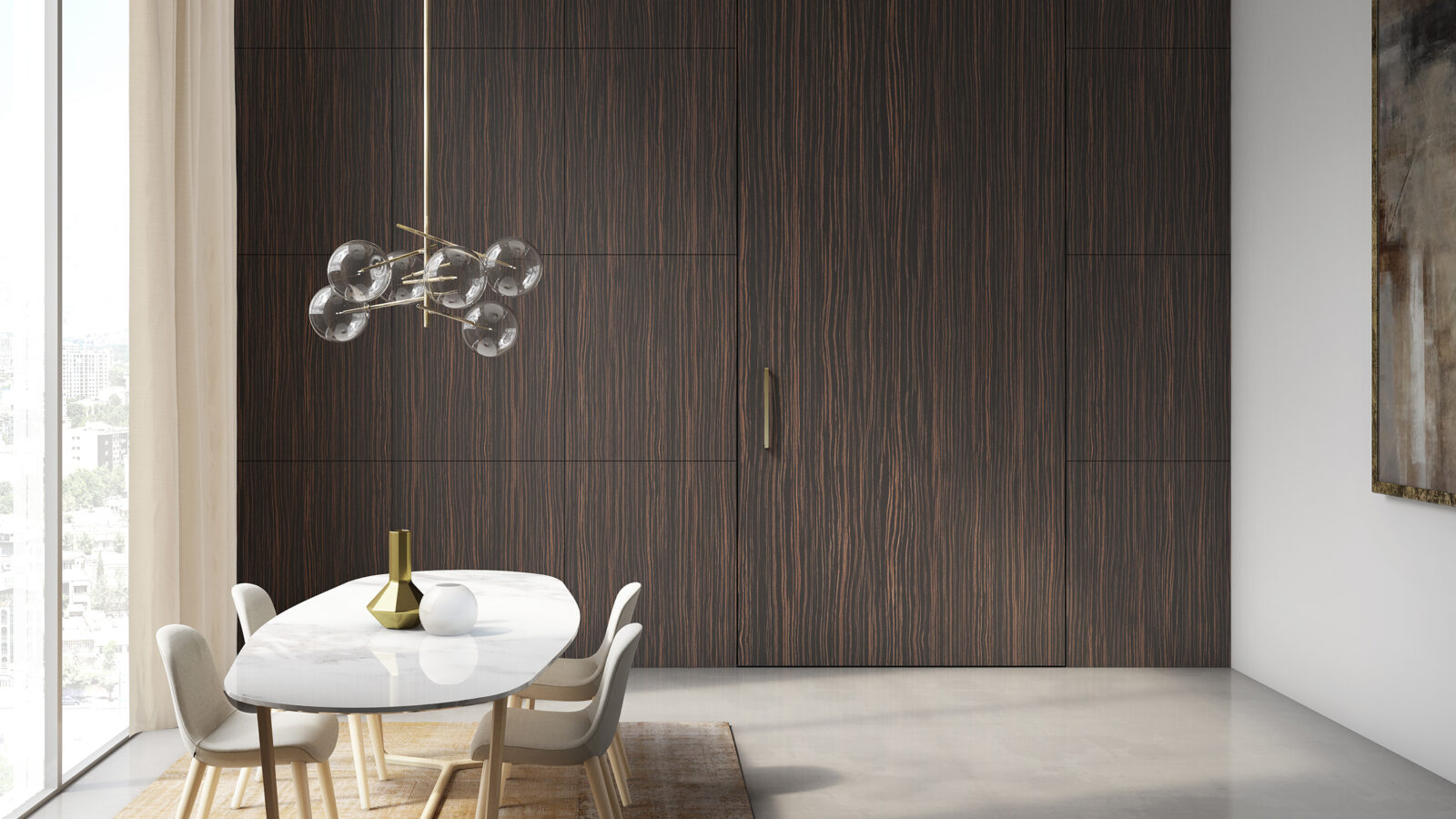
Relate FAQ
Do invisible doors have frames?
Invisible doors typically feature a concealed frame built into the wall. This frame is often not visible because it blends seamlessly with the surrounding wall. The goal is to create a clean, uninterrupted surface that makes the door “disappear” into the wall. However, the door does still have a structural frame for support, even if it’s hidden.
How do invisible doors work without visible frames?
Invisible doors are designed to hide their frames using specialized hardware that allows the door to blend with the wall. The hinges and frame are typically concealed within the wall structure, and a magnetic or spring-loaded latch is often used to keep the door secure when closed. This design gives the door its “invisible” appearance, providing a smooth, uninterrupted surface.
Are invisible doors completely frameless?
While invisible doors appear to have no frame, they actually have concealed frames. These frames are integrated into the wall structure and are typically made of metal or other durable materials. The absence of visible edges or traditional door frames is what gives the door its sleek, minimalist look.
Can invisible doors be used with any wall material?
Yes, invisible doors can be installed with almost any type of wall material, including drywall, plaster, wood paneling, or even stone. The door’s design can be customized to match the wall’s surface, making it versatile and suitable for a variety of interior design styles.
Are invisible doors more expensive than regular doors?
Yes, invisible doors tend to be more expensive than traditional doors due to the specialized materials, custom design, and installation required. The price can vary depending on the door’s size, material, and finish, as well as the complexity of the wall integration.
Do invisible doors require special installation?
Invisible doors require professional installation due to their precise integration into the wall structure. The installation involves custom framing, hidden hinges, and seamless finishing, which experienced professionals should handle to ensure proper function and aesthetic quality.
Are invisible doors secure?
Invisible doors can be just as secure as traditional doors when properly installed. Security features, such as strong locks, latches, and reinforced frames, can be incorporated into the design to enhance safety. Because the door is hidden, it can also provide additional privacy and security by being harder to detect.