Do pocket doors disappear into the wall?
How Do Pocket Doors Disappear Into the Wall?
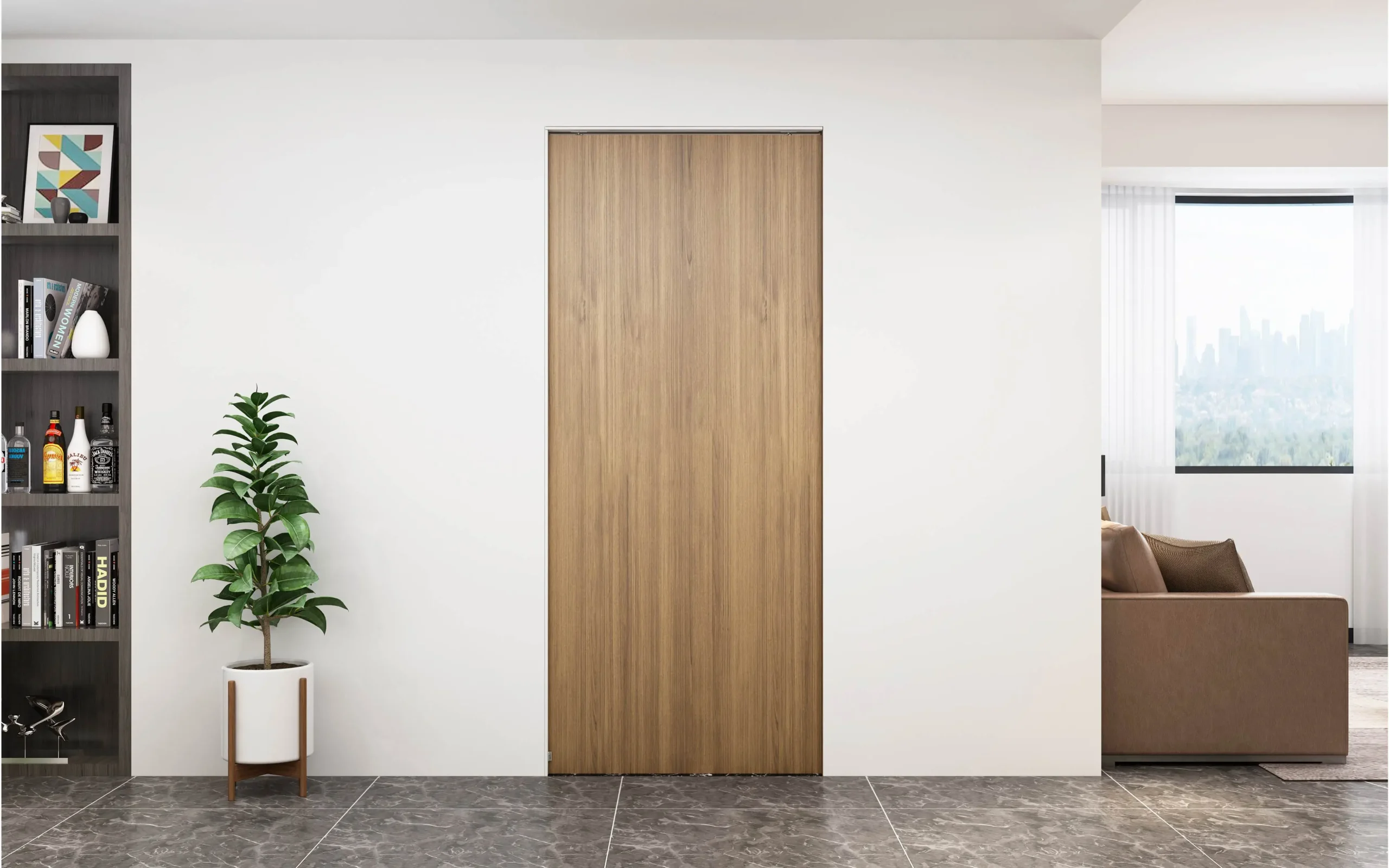
A Pocket Door slides on a track and moves into a hidden wall cavity. Instead of swinging open like a regular hinged door, the Pocket Door glides to the side. As a result, it saves space and creates a clean look.
What Is Inside the Wall Pocket?
Inside the wall is a hollow cavity designed specifically for the Pocket Door panel. This space is often called the “pocket.” It is framed with split studs or steel-wrapped studs. These studs allow the sliding Pocket Door to pass between them without hitting the wall structure.
Unlike a standard wall with solid studs every 16 inches, a Pocket Door wall uses a special pocket door frame system. The cavity must be wide and straight. Otherwise, the door may rub or jam.
Also, there are no pipes or wires inside the wall pocket. That’s important. A Pocket Door needs a clear path. So during installation, builders make sure the cavity stays clean and empty.
Pocket Door Frame Explained
The Pocket Door frame is the backbone of the system. It holds everything in place. Most modern Pocket Door kits come with a pre-made frame. This frame includes split studs, a header, and mounting brackets.
First, installers attach the header at the top of the opening. Then they secure the vertical pocket studs. These studs support the drywall while leaving room for the sliding Pocket Door panel.
A strong Pocket Door frame keeps the door aligned. It also prevents shaking or bending over time. For a long-lasting Pocket Door installation, choose a solid-wood or steel frame kit. Cheap frames often lead to noisy or unstable sliding doors.
Pocket Door Track and Roller System
The Pocket Door track and roller system does most of the work. The track runs along the top of the frame. The rollers attach to the top edge of the Pocket Door panel. When you push the door, the rollers glide along the aluminum or steel track. Because the hardware sits at the top, the Pocket Door does not need a floor track. This keeps the floor clean and smooth.
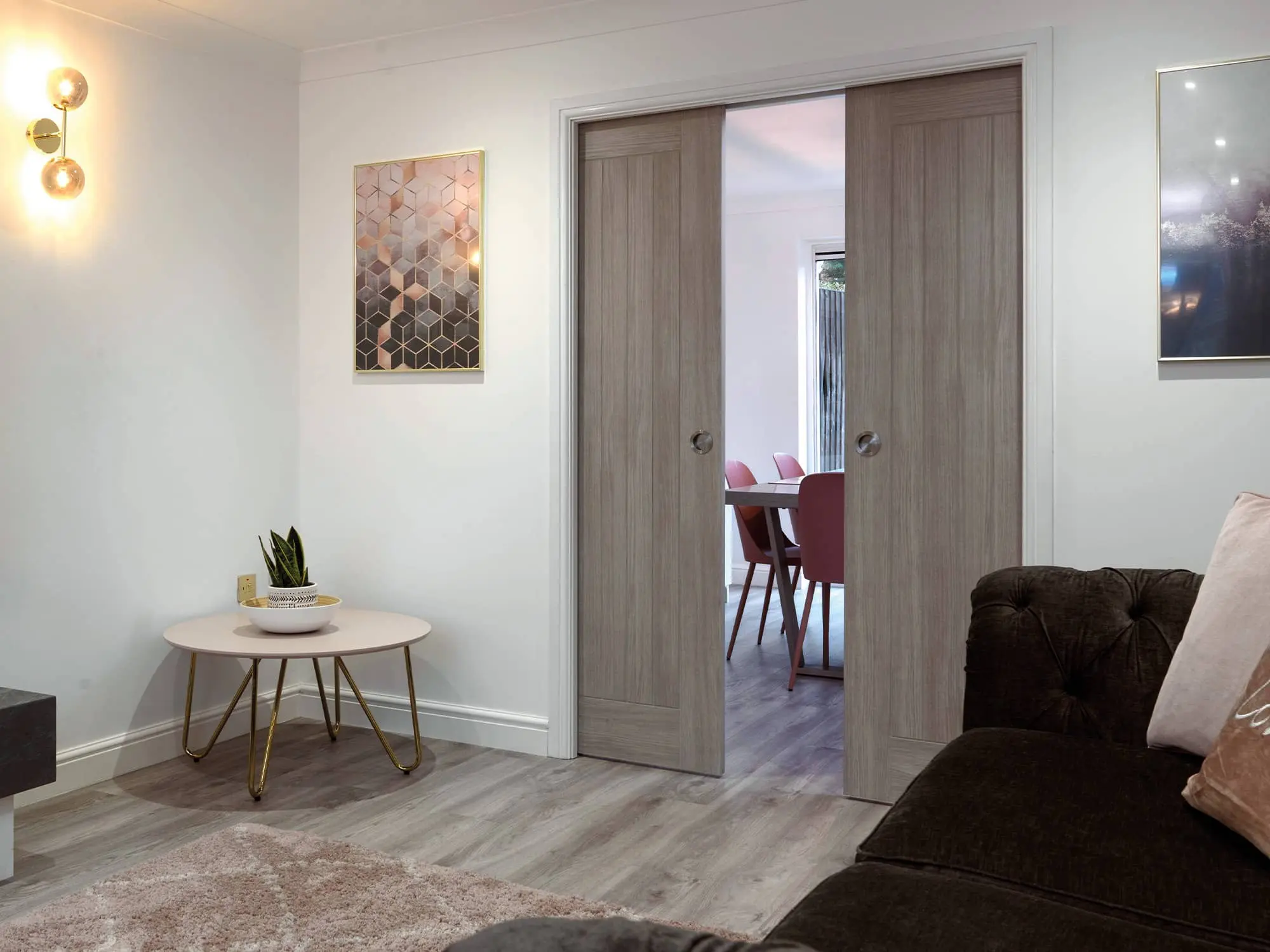
High-quality Pocket Door rollers use ball bearings. They reduce friction and noise. As a result, the sliding Pocket Door moves quietly and feels light, even if the door panel is heavy. For wider openings, you can also install a double Pocket Door system. In that case, two doors slide into opposite wall pockets.
Soft Close Pocket Door Systems
Many homeowners now prefer a soft close Pocket Door system. This upgrade makes the sliding Pocket Door close gently and safely.
With soft-close hardware, a small built-in damper catches the door near the end of its travel.
Then it slowly and carefully pulls the Pocket Door shut. So you don’t hear slamming. And you don’t worry about pinched fingers. Some soft close Pocket Door kits also include a soft open feature. This helps the door slide smoothly out of the wall pocket.
Why Homeowners Love Pocket Doors?
A pocket door is a smart choice for many homes today. It looks neat, works well, and helps rooms feel more open. Unlike a regular swing door, a pocket sliding door moves into the wall. So, it gives you more freedom in how you use your space.
Pocket Doors Save Space
One big reason homeowners love Pocket Door is simple: it saves space. A normal hinged door needs room to swing open and close. But a pocket door slides into the wall, so it does not take up floor space.
This is very useful in small bathrooms, laundry rooms, closets, pantries, and tight hallways. For example, in a small bathroom, a swinging door can hit the vanity or block the toilet area. A space-saving pocket door fixes that problem fast.
Because of this, many people choose interior pocket doors for a cleaner, more useful layout.
Pocket Doors Make Small Rooms Feel Bigger
A Pocket Door can also make a small room feel larger. Since the door does not swing into the room, the space feels less crowded. You can place furniture, shelves, or storage closer to the doorway without worrying about door clearance.
This works well in apartments, tiny homes, guest bathrooms, and small bedrooms. Even a narrow room can feel more open with a sliding pocket door.
Also, when the pocket door stays open, the doorway looks clean and wide. This helps light move through the home. As a result, the room feels brighter and more comfortable.
Better Flow Between Rooms
Pocket Door helps create a better flow between rooms. You can open it when you want a connection. Then, you can close it when you need privacy.
For example, a pocket door between the kitchen and dining room can keep the space open during family time. But when you cook or clean, you can close the door to reduce noise or mess.
This makes pocket doors great for home offices, bedrooms, bathrooms, laundry areas, and walk-in closets. They give you control without making the home feel closed off.
Clean and Modern Look
Many homeowners also like Pocket Doors because they have a clean, modern look. It hides inside the wall when open, so the room feels simple and neat.
A modern pocket door works well with many home styles. It can fit a farmhouse home, a modern condo, a coastal house, or a classic family home. You can choose wood, glass, frosted glass, or painted panels to match your space.
Also, pocket door hardware can look sleek and minimal. This gives the room a high-end feel without making the design too busy.
Great for Open Concept Homes
A pocket door is also a great fit for open concept homes. Open layouts feel bright and social, but sometimes you still need quiet and privacy. A pocket sliding door gives you both.
You can leave the door open most of the time. Then, when needed, you can close it to separate a home office, playroom, guest room, or kitchen area.
So, a pocket door is not just a design detail. It is a smart way to make an open home more flexible. That is why more homeowners use pocket doors in remodels, new builds, and small space upgrades.

Best Places to Use Pocket Doors
Pocket doors work well in many parts of a home. They save floor space, improve traffic flow, and give rooms a cleaner look. Unlike a regular swinging door, a pocket door slides into the wall. Because of this, it is a smart choice for both small homes and modern open layouts.
Pocket Doors for Bathrooms
Bathrooms are one of the most popular places for a pocket door. In many homes, bathroom doors swing into tight areas, taking up valuable space. A bathroom pocket door fixes this problem right away.
A pocket door for bathroom spaces helps create a more open floor area. This is especially useful in small bathrooms, guest bathrooms, and powder rooms. You can place a vanity, towel rack, or storage cabinet closer to the wall because the sliding door does not need swing space.
Many homeowners also appreciate the clean, modern feel of a bathroom sliding pocket door. Frosted glass pocket doors are popular because they bring in light while still giving privacy. At the same time, solid-wood pocket doors work well in master bathrooms where privacy matters more.
In addition, soft-close pocket door systems help reduce noise. This makes them perfect for shared bathrooms in busy homes.
Pocket Doors for Bedrooms
A bedroom pocket door is a great option when space feels limited. In smaller bedrooms, every inch matters. A traditional hinged door can block furniture placement, but a sliding pocket door opens up more layout choices.
Pocket doors for bedrooms also create a smooth and simple look. Many people use modern pocket doors in master bedrooms, guest rooms, and even nurseries. They fit well with minimalist and contemporary home styles.
Another reason people choose a bedroom pocket door is flexibility. For example, you can leave the door open during the day to make the room feel larger. Then, you can close it at night for privacy and quiet.
Double pocket doors are also becoming more popular in master suites. They create a soft transition between the bedroom and bathroom or walk-in closet.
Pocket Doors for Closets
Closets are another perfect place for a pocket door system. A closet pocket door makes it easier to access clothing and storage without worrying about door clearance.
In small bedrooms, swinging closet doors often hit beds or dressers. A sliding pocket door for a closet removes that issue. It also gives the room a cleaner and less crowded look.
Walk-in closets benefit from pocket doors, too. Many homeowners choose mirrored pocket doors because they combine style and function. Others prefer wood pocket doors that match the rest of the interior design.
Pocket doors for closets work especially well in modern apartments and compact homes where smart storage matters.
Pocket Doors for Laundry Rooms
Laundry rooms are often small and narrow. Because of this, a pocket door for laundry room spaces is a practical upgrade.
Traditional laundry room doors can block pathways or make it harder to move laundry baskets around. A sliding pocket door keeps the area open and easy to use. This is very useful in hallways, mudrooms, or tight utility spaces.
Many homeowners also use pocket doors to hide washers and dryers in multi-purpose rooms. For example, a laundry closet with pocket doors can blend nicely into a kitchen or hallway design.
Plus, modern pocket door hardware allows the door to slide smoothly and quietly. That small detail can make everyday chores feel less stressful.
Pocket Doors for Home Offices
As more people work from home, home office pocket doors are becoming more common. They help create a quiet workspace without taking up extra room.
A pocket door home office setup works especially well in smaller houses where the office shares space with another room. For example, some homeowners build offices inside guest rooms or living room corners. In these cases, a sliding pocket door adds privacy without making the area feel cramped.
Glass pocket doors are also a smart choice for home offices. They allow natural light to pass through while still separating the space.
Another benefit is style. Pocket doors give home offices a sleek and professional look. They feel modern but still practical for daily life.
Pocket Doors for Kitchens and Pantries
Kitchens need smooth movement and smart storage. That is why many homeowners install pocket doors for kitchens and pantry areas.
A pantry pocket door keeps food storage hidden while saving floor space. Since the door slides into the wall, it does not block cabinets or kitchen traffic. This matters a lot in busy kitchens.
Pocket doors also work well between kitchens and dining rooms. They allow homeowners to close off cooking noise and smells when needed. Then they can reopen the space for gatherings and parties.
Glass pocket doors are popular for modern pantries, while rustic wood pocket doors fit farmhouse-style kitchens. No matter the design style, pocket doors help kitchens feel more open and organized.
Pocket Doors for Apartments and Small Homes
Pocket doors are one of the best space-saving door solutions for apartments and small homes. In compact spaces, a standard swinging door can waste valuable square footage. A pocket sliding door solves that problem.
Small apartments often use pocket doors between bedrooms, bathrooms, and living areas. They help rooms feel larger and less crowded. Tiny homes also use pocket door systems because every inch of space matters.
Another reason people love pocket doors in small homes is flexibility. Open the door, and the home feels airy and connected. Close it, and you still get privacy when needed.
Modern apartment pocket doors also match today’s clean interior design trends. They look simple, stylish, and functional all at once.
Can Pocket Doors Lock?
In fact, many modern pocket door systems come with built-in lock options. A pocket door lock works differently from a standard door lock because the door slides into the wall instead of swinging open. Still, manufacturers now offer many smart locking solutions for sliding pocket doors.
Pocket Door Privacy Locks Explained
A pocket door privacy lock is the most popular type of lock for interior spaces. You often see it on bathroom pocket doors and bedroom pocket doors.
This type of sliding pocket door lock usually has a simple thumb turn on the inside.
Then, on the outside, there is often a small emergency release slot. That design provides privacy while still allowing someone to unlock the door in an emergency.
Many homeowners like privacy pocket door hardware because it looks clean and modern. Also, it does not stick out like traditional doorknobs.
This helps the pocket sliding door move smoothly into the wall cavity.
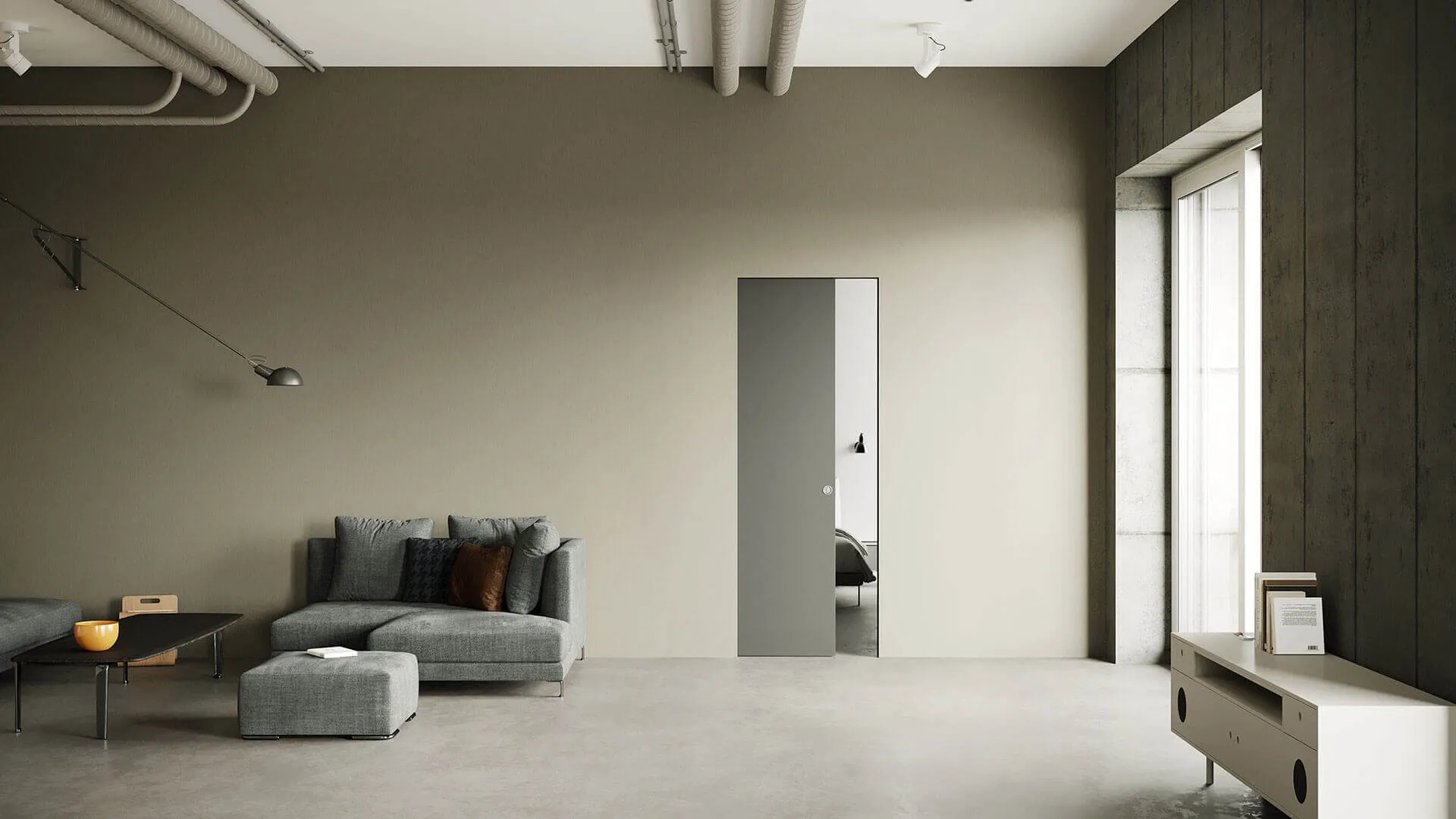
There are also flush pocket door locks that sit flat against the door surface. These are very common in modern homes because they save space and have a minimalist look.
Soft-close pocket door systems often pair well with privacy locks, too. Together, they make the door feel smoother, quieter, and more premium.
Best Pocket Door Locks for Bathrooms
A bathroom pocket door lock should feel secure but still easy to use. Most people choose a privacy lock for bathroom pocket doors because it offers the right balance between privacy and convenience.
Flush-pull privacy locks are among the best choices. They sit flat inside the pocket door, allowing the door to slide fully into the wall.
At the same time, they give enough grip to open and close the door easily.
For family homes, many people prefer bathroom pocket door locks with emergency access. This feature allows parents or family members to unlock the door from outside if needed.
Some homeowners also install soft-close bathroom pocket doors because they reduce slamming noise. This is especially useful at night or in shared bathrooms.
If you want a more upscale look, brushed nickel and matte black pocket door hardware are both popular in modern bathroom design.
Are Pocket Doors Secure?
Many people ask whether a pocket door is as secure as a traditional swinging door. The answer depends on the type of pocket door and lock system you choose.
For everyday interior use, modern pocket doors are secure enough for bathrooms, bedrooms, closets, and home offices. A good pocket door locking system can provide solid privacy and basic security.
However, pocket doors are usually not the best choice for high-security exterior entrances. Since the door slides into the wall, the locking mechanism differs from a heavy deadbolt system.
That said, newer sliding pocket door hardware has improved a lot. High-quality tracks, stronger frames, and better lock designs make today’s pocket doors more reliable than older versions.
If privacy matters most, a solid-core pocket door with a quality lock works very well. It also helps reduce sound better than thin hollow-core doors.
Child-Friendly Pocket Door Options
Pocket doors can also work well in homes with kids. In fact, many parents choose child-friendly pocket door systems because they save space and reduce the risk of sharp door swings.
Soft-close pocket doors are one of the safest options for families. They prevent the door from slamming shut and help protect little fingers from getting pinched.
Some child-safe pocket door locks are designed to stay simple and easy for adults to use while still limiting access for toddlers. For example, parents may install higher locking mechanisms or soft-latch systems.
Another smart idea is using lightweight pocket doors in playrooms, nurseries, or shared bedrooms. They slide smoothly and create flexible spaces without bulky swinging doors.
Glass pocket doors with tempered safety glass are also becoming more popular in family homes. They allow parents to keep an eye on kids while still separating rooms.
Overall, a well-designed pocket door can be both stylish and family-friendly. The key is choosing quality pocket door hardware and the right locking system for your space.
Pocket Door Sizes and Design Options
Pocket doors come in many sizes and styles, making them suitable for almost any home layout. Some people want a simple space-saving pocket door for a small bathroom, while others prefer large modern pocket doors for open living spaces.
Standard Pocket Door Sizes
Standard pocket door sizes are the easiest and most affordable option for most homes. In the US, common pocket door sizes include 24-inch, 28-inch, 30-inch, and 32-inch wide doors. The standard height is usually 80 inches.
These standard sliding pocket door sizes work well for bathrooms, bedrooms, closets, and laundry rooms. Since they follow standard wall-opening measurements, installation is often faster and simpler.
Many homeowners choose standard pocket door systems because replacement parts and pocket door hardware are easier to find. In addition, standard sizes are usually less expensive than custom pocket doors.
Custom Pocket Door Sizes
Custom pocket door sizes are a great choice when a standard door does not fit the space. This is common in luxury homes, older houses, and modern open-concept designs.
A custom pocket door can be made taller or wider, or even designed as a double pocket door. Large pocket sliding doors are popular for master bedrooms, dining rooms, and indoor-outdoor living spaces.
Many homeowners also use custom pocket door systems to create a more dramatic look. Oversized pocket doors can make a room feel brighter, cleaner, and more open while still saving space.
Solid Wood Pocket Door
Solid-wood pocket doors are among the most popular choices for homeowners seeking warmth and durability. They feel more solid than hollow-core doors and often provide better sound control.
A solid wood pocket door works well in bedrooms, bathrooms, and home offices where privacy matters more. Oak, walnut, pine, and maple are all common wood options.
Many people also love the timeless look of wooden pocket doors. They fit both traditional homes and modern farmhouse interiors while adding natural texture and character.
Glass Pocket Door
Glass pocket doors are perfect for homeowners who want more light and a modern feel. They help rooms feel open while still creating separation between spaces.
Frosted glass pocket doors are especially popular for bathrooms and home offices because they offer privacy without blocking natural light. Clear glass pocket doors work well in kitchens, dining rooms, and living areas.
Modern sliding glass pocket doors also come in many frame styles, including black aluminum, wood trim, and minimalist frameless designs. This makes them easy to match with different home styles.
Modern Pocket Door Styles
Modern pocket door styles emphasize clean lines, smooth operation, and simple design. Many homeowners choose minimalist pocket doors to create a more open and uncluttered space.
Matte-black hardware, soft-close pocket door systems, and sleek flush handles are common in modern pocket door design. Neutral colors like white, black, and gray, as well as natural wood, are also very popular.
Modern pocket sliding doors work especially well in apartments, contemporary homes, and open-concept layouts. They help rooms flow together while still giving privacy when needed.
Frameless Pocket Door
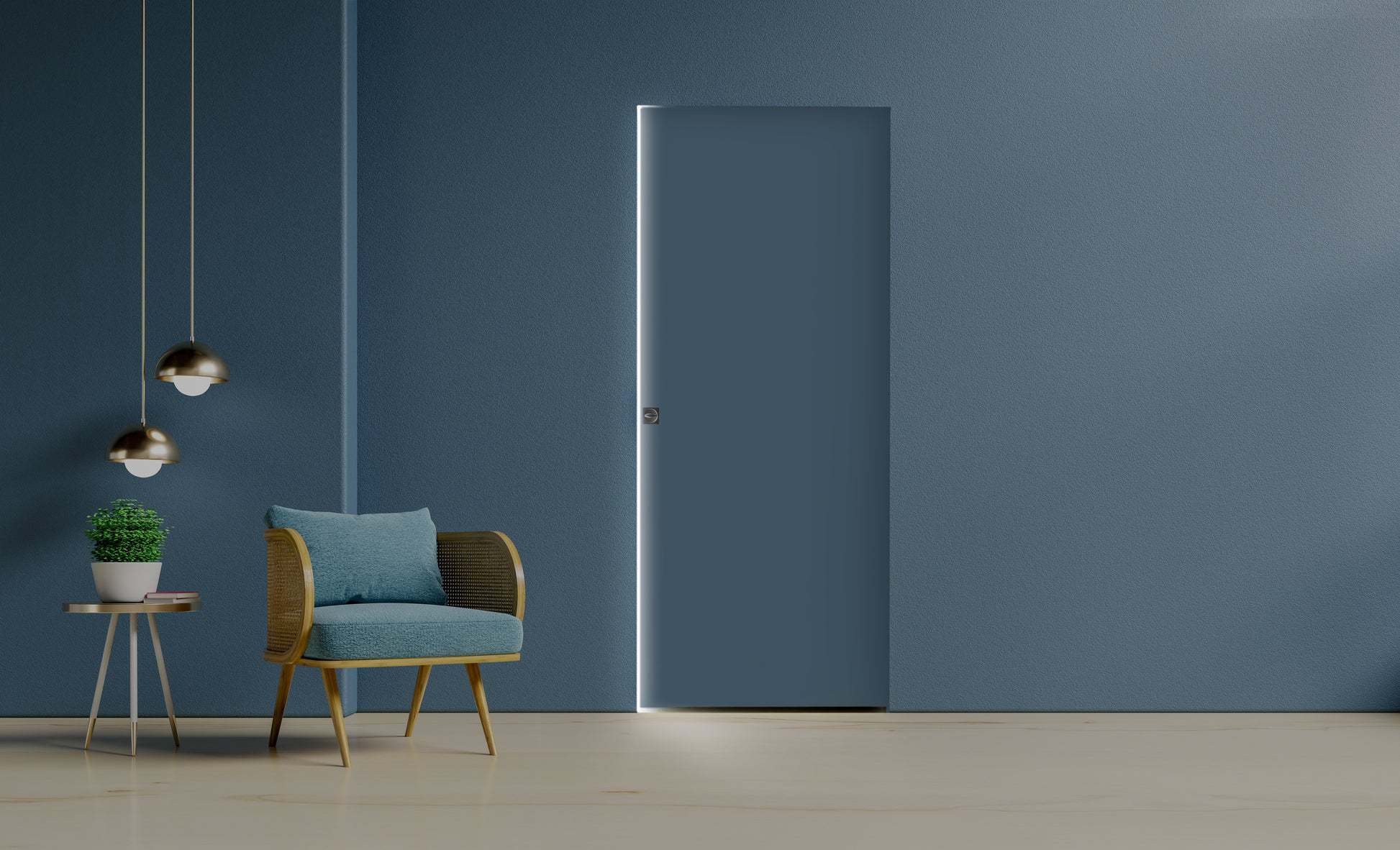
Frameless pocket doors are one of the newest trends in modern interior design. They create a very clean and seamless look because the door blends closely with the wall.
Many frameless pocket door systems use hidden tracks and minimal hardware. As a result, the sliding pocket door almost disappears when closed.
This style works well in luxury homes, modern apartments, and minimalist interiors. Frameless glass pocket doors are especially popular because they make spaces feel larger, brighter, and more elegant.
Common Problems With Pocket Door
Pocket doors save space and look clean, but like any sliding door system, they can have problems over time. Most pocket door issues stem from worn hardware, poor installation, or everyday wear and tear.
Why Pocket Doors Get Stuck?
A stuck pocket door is one of the most common complaints. Usually, the pocket sliding door gets stuck because dirt, dust, or debris builds up inside the track.
In some cases, old pocket door rollers wear down and stop moving smoothly. Humidity can also affect wooden pocket doors, causing them to swell slightly within the wall cavity.
Poor pocket door installation can also cause this problem. If the track is not level, the door may rub against the frame or wall. Regular cleaning and basic pocket door maintenance often help prevent sticking.
Pocket Door Coming Off Track
A pocket door coming off track can be frustrating, especially when it no longer slides correctly. This usually happens when the rollers become loose or damaged over time.
Sometimes the sliding pocket door gets hit too hard or pulled unevenly. As a result, the rollers may disconnect from the overhead track system.
Cheap pocket door hardware can also wear out faster. High-quality pocket door systems with strong rollers and soft-close features usually stay aligned much longer.
Hard to Close or Open
If a pocket door feels hard to open or close, the problem often starts with the track or rollers. Dirt buildup, bent tracks, or worn pocket door hardware can create extra friction.
In older homes, the wall itself may shift slightly over time. This can put pressure on the pocket sliding door, making movement less smooth.
A heavy, solid-wood pocket door may also require stronger rollers for proper support. Choosing high-quality pocket door hardware helps the door slide more easily and last longer.
Wall Damage Around Pocket Door
Wall damage around a pocket door is another common issue. Cracks, dents, or loose drywall can appear around the sliding pocket door opening over time.
Sometimes the pocket door frame moves slightly inside the wall. In other cases, people accidentally hit the wall while opening the door too quickly.
Poor installation can also weaken the drywall around the pocket door system. Reinforced frames and careful installation usually help prevent long-term wall damage.
Noise and Rattling Issues
Some pocket doors become noisy over time. Rattling, shaking, or scraping sounds often happen when the pocket door hardware becomes loose.
Low-quality rollers can create vibration inside the track. Thin hollow-core pocket doors may also shake more when opening or closing.
Soft-close pocket door systems help reduce noise and improve the smoothness of movement. Regular maintenance, tighter hardware, and better-quality tracks can also make a pocket sliding door much quieter.
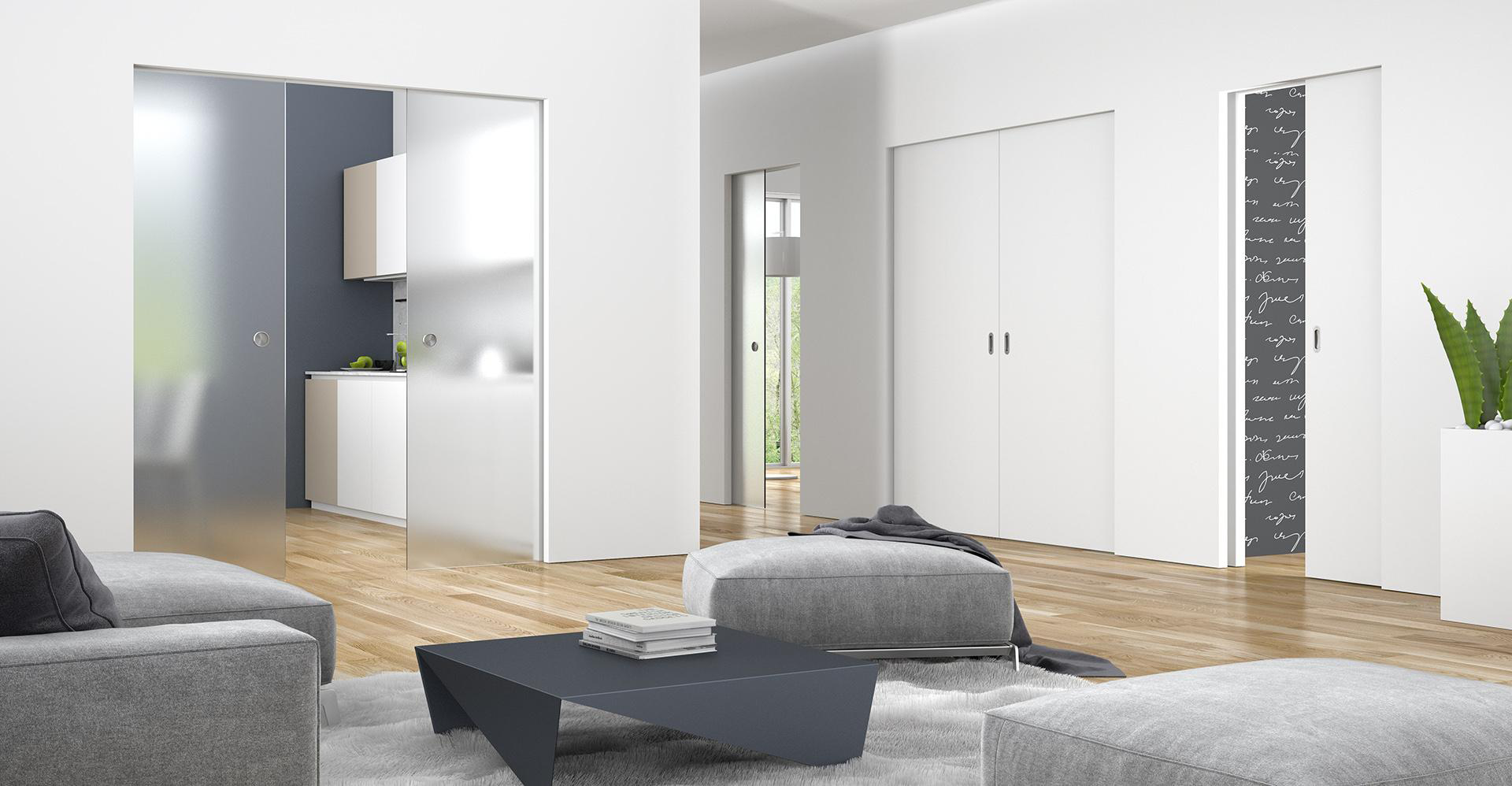
Expert Tips Before Buying a Pocket Door
A pocket door can save space and improve the look of your home. However, not all pocket door systems are the same. Before you buy one, consider hardware quality, wall size, privacy, and overall design.
Many homeowners focus only on the door style, but the hidden parts matter just as much. A good sliding pocket door should move smoothly, feel solid, and fit your space correctly.
Choose the Right Pocket Door Hardware
Pocket door hardware is one of the most important parts of the whole system. Even a beautiful pocket door can feel cheap if its rollers and tracks are low-quality.
Strong rollers help the sliding pocket door move quietly and smoothly. Soft-close pocket door hardware is also a smart upgrade because it reduces slamming and protects the track system over time.
If you choose a heavy, solid-wood pocket door, make sure the hardware can support its weight. High-quality pocket door kits usually last longer and need fewer repairs later.
Measure the Wall Carefully
Before installing a pocket door, measure the wall very carefully. A pocket door slides inside the wall cavity, so the wall must have enough space for the full door panel.
You should also check for plumbing pipes, electrical wiring, or vents inside the wall. These can block the pocket door system and make installation harder.
Many people forget that a pocket sliding door usually needs a wider wall opening than a regular hinged door. Careful measurements help avoid expensive changes later.
Think About Privacy and Sound Control
Some pocket doors provide better privacy than others. Thin hollow-core pocket doors may not block much sound, especially in bedrooms or bathrooms.
If privacy matters, a solid-core or solid-wood pocket door is usually a better choice. These doors feel stronger and help reduce noise between rooms.
You should also think about pocket door locks. A good pocket door privacy lock works well for bathrooms, bedrooms, and home offices while still keeping the clean sliding design.
Pick a Style That Matches Your Home
A pocket door should match the style of your home, not fight against it. Modern pocket doors often feature clean lines, matte-black hardware, and frameless designs.
For warmer interiors, wooden pocket doors add texture and character. Glass pocket doors work well when you want more light and a more open feel.
The best pocket door design blends naturally with the room. When the style, color, and hardware all fit together, the space feels smoother, cleaner, and more comfortable.
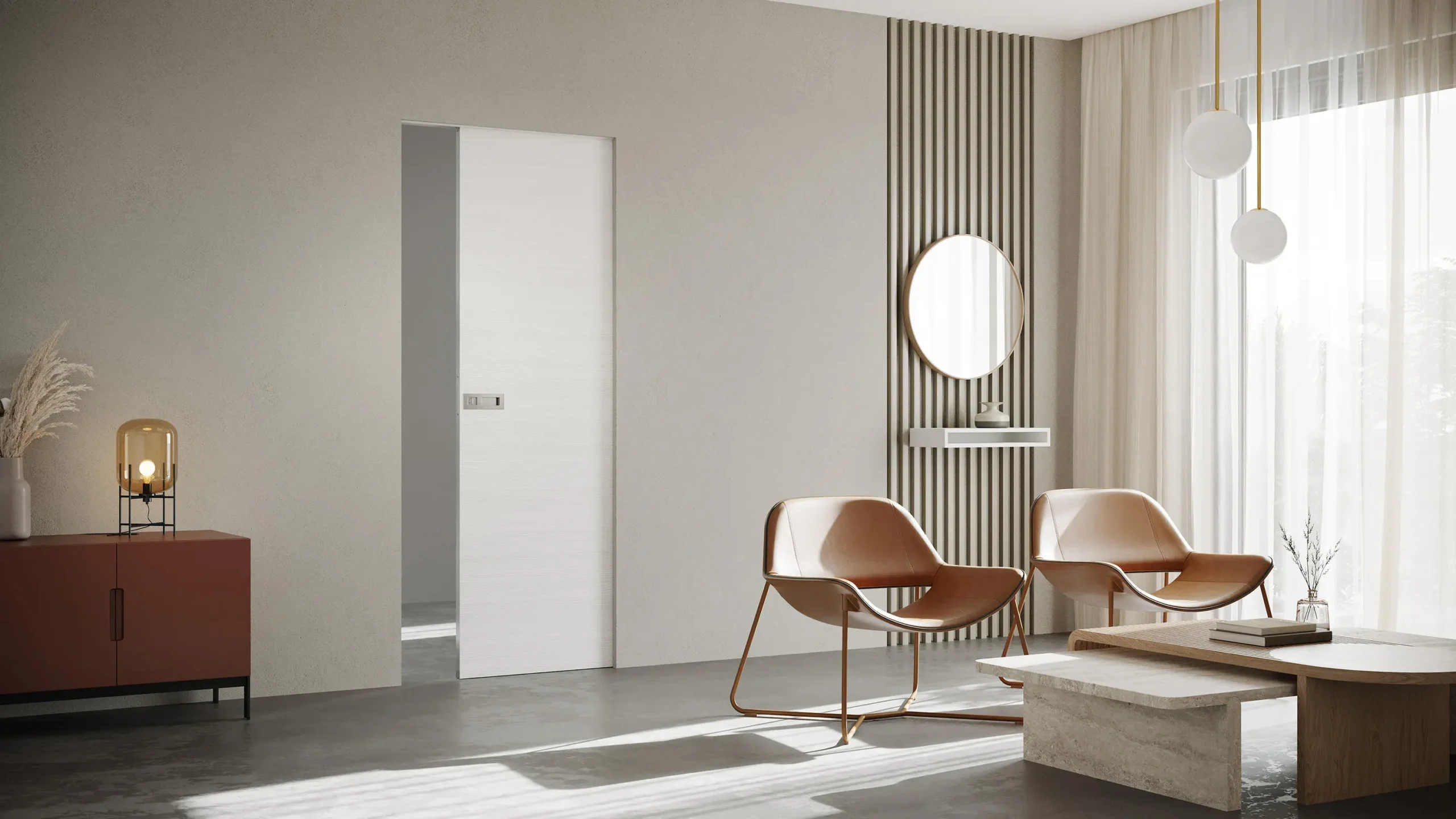
Conclusion: Do Pocket Doors Really Disappear Into the Wall?
Yes, a Pocket Door really does slide into the wall and stay hidden when open. That is why many homeowners love this space-saving door system. Unlike a traditional swinging door, a sliding pocket door does not take up extra floor space. Instead, it moves smoothly into a hidden wall cavity. Because of this, Pocket Doors work very well in small rooms, modern homes, apartments, and open-concept layouts.
When Pocket Doors Are the Perfect Choice?
A Pocket Door is the perfect choice when you want to save space and improve room flow. In fact, many people install Pocket Doors in places where a normal door feels awkward or bulky.
For example, a bathroom Pocket Door works great in tight spaces. It eliminates the need for a swinging door, making the room feel less crowded. The same idea works for laundry rooms, closets, pantries, and home offices. In smaller homes, a space-saving Pocket Door can make everyday movement much easier.
At the same time, Pocket Doors also fit large modern homes. Many designers use double-pocket doors between dining rooms and living rooms. When open, the rooms feel connected. When closed, you get privacy and noise control. Because of this flexibility, sliding Pocket Doors are popular in modern interior design.
Glass Pocket Doors are another smart option. They let light move through the home while still dividing the space. This works especially well for offices, studios, or reading rooms. If you want a clean and minimal look, a hidden Pocket Door system may be one of the best upgrades for your home.
Simple Ways Pocket Doors Improve Daily Living
First, Pocket Doors help create more usable space. Since the door slides into the wall, you can place furniture closer to the doorway. This gives you more freedom with room layout and storage.
Second, sliding Pocket Doors improve traffic flow. In busy homes, traditional doors often bump into people, chairs, or cabinets. A Pocket Door removes that problem. The movement feels smoother and more natural, especially in narrow hallways or compact rooms.
Many homeowners also like how quiet modern Pocket Door hardware feels today. High-quality soft-close Pocket Doors slide gently and reduce noise. This is very useful for bedrooms, nurseries, and bathrooms.
Another benefit is style. Pocket Doors bring a modern and uncluttered look to a home. Whether you choose wood Pocket Doors, frosted glass Pocket Doors, or contemporary metal frame designs, they can easily match many interior styles.
Most importantly, Pocket Doors make a home feel more open without compromising privacy. That balance is one reason why so many people now prefer sliding wall doors over traditional hinged doors.
What to Know Before You Buy One?
First, check the wall. A Pocket Door needs enough empty wall space for the door panel to slide inside. Some walls contain plumbing, wiring, or structural supports, which may limit installation options.
Next, pay attention to the quality of the Pocket Door hardware. Cheap tracks and rollers often become noisy or difficult to use over time. A high-quality Pocket Door track system usually lasts longer and slides more smoothly.
You should also think about door size and material. Solid wood Pocket Doors offer better sound control, while glass Pocket Doors allow more natural light. The right choice depends on your room and lifestyle.
Installation is another key point. While some DIY Pocket Door kits exist, many homeowners prefer professional installation. A poorly installed Pocket Door can stick, shake, or fail to close properly.
Finally, think about long-term use. Ask yourself how often the door will open and close each day. In high-traffic areas, durable Pocket Door systems with soft-close features are usually worth the extra cost. In the end, the best Pocket Door combines smooth function, strong materials, and a design that fits your space naturally.
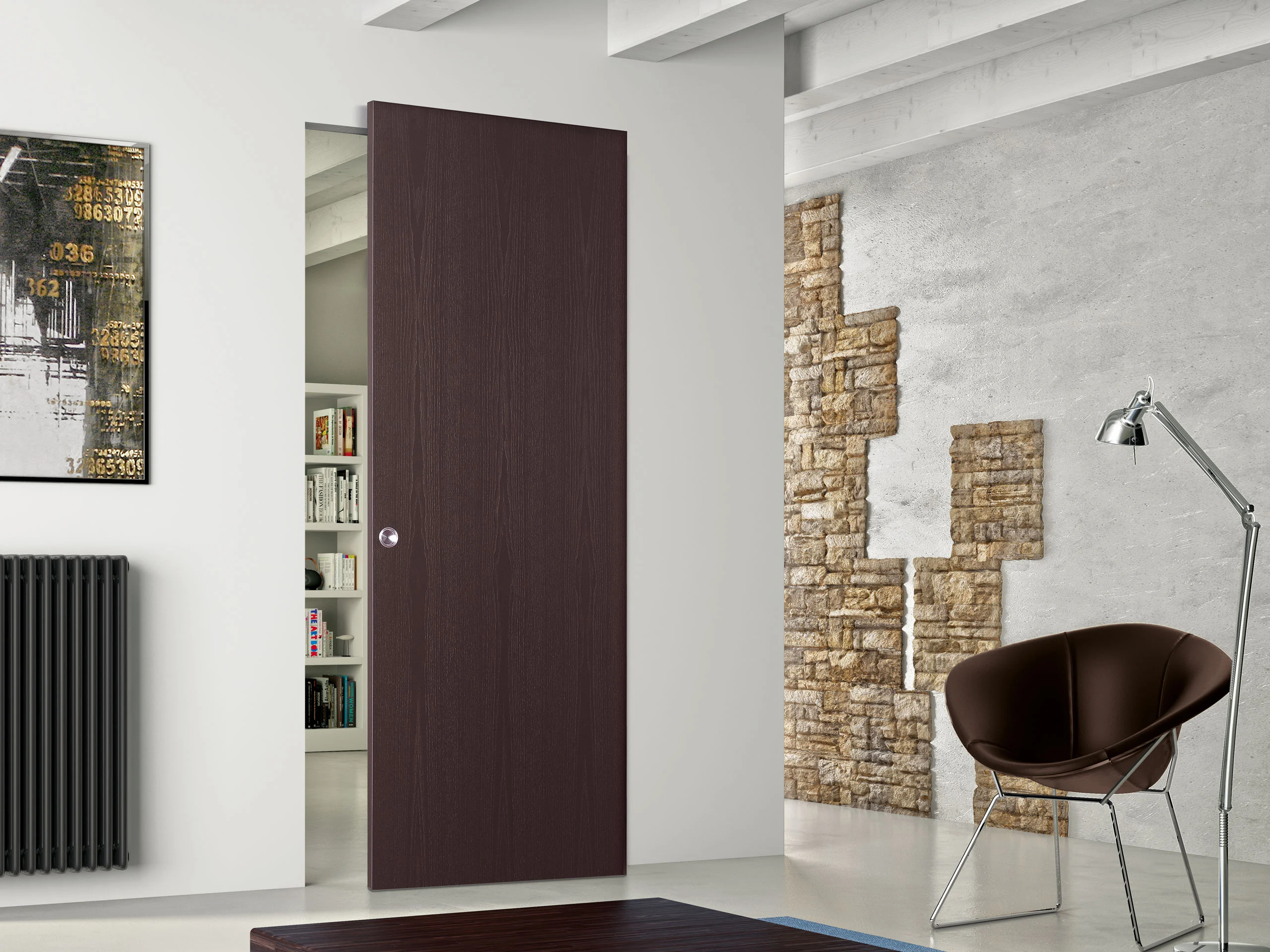
Relate FAQ
Are pocket doors completely hidden when open?
Most pocket doors slide fully into the wall cavity, leaving only a small edge or pull handle visible. Some soft-close systems may leave a slight portion exposed for easier access.
How much wall space is needed for a pocket door?
A pocket door requires an empty wall cavity approximately equal to the width of the door panel. For example, a 36-inch pocket door needs around 36 inches of clear wall space.
Can pocket doors be installed in existing walls?
Yes, pocket doors can be retrofitted into existing walls, but installation usually requires removing drywall and modifying wall framing. New construction projects are generally easier and more cost-effective.
Are pocket doors good for small spaces?
Absolutely. Pocket doors are one of the best space-saving door solutions because they eliminate the swing radius required by traditional hinged doors.
Do pocket doors lock?
Yes, many pocket doors include privacy locks, making them suitable for bathrooms, bedrooms, offices, and meeting rooms.
Are pocket doors durable?
High-quality pocket door systems are highly durable when installed correctly. Using premium tracks, rollers, and reinforced frames significantly improves long-term performance.
Can pocket doors be soft-close?
Yes, modern pocket door hardware often includes soft-close and soft-open mechanisms that reduce noise and prevent slamming.