Do pocket doors have handles or locks?
A Quick Look at Pocket Door
Definition of a Pocket Door
A Pocket Door is a sliding door that slides into a hidden space within the wall, rather than swinging open like a regular door. Because of this design, many homeowners use Pocket Doors to save space and create a cleaner look. You will often hear people refer to them as sliding pocket doors, hidden sliding doors, or space-saving interior doors.
Unlike traditional hinged doors, a Pocket Door does not need extra floor space to open. So, it works very well in small rooms, narrow hallways, and modern apartments. Today, many interior designers also choose modern Pocket Door systems because they look simple, sleek, and easy to match with different home styles.
Common Uses in Homes and Offices
Pocket Doors are popular in both homes and office spaces. In many houses, people install Pocket Doors for bathrooms, laundry rooms, closets, home offices, and even walk-in pantries. Since the door slides into the wall, it helps the room feel more open and less crowded.
In offices, Pocket Door systems are often used for meeting rooms, private workspaces, and flexible layouts. They help create quiet areas without taking up too much space. Also, glass Pocket Doors have become very common because they let in more natural light while still giving some privacy.
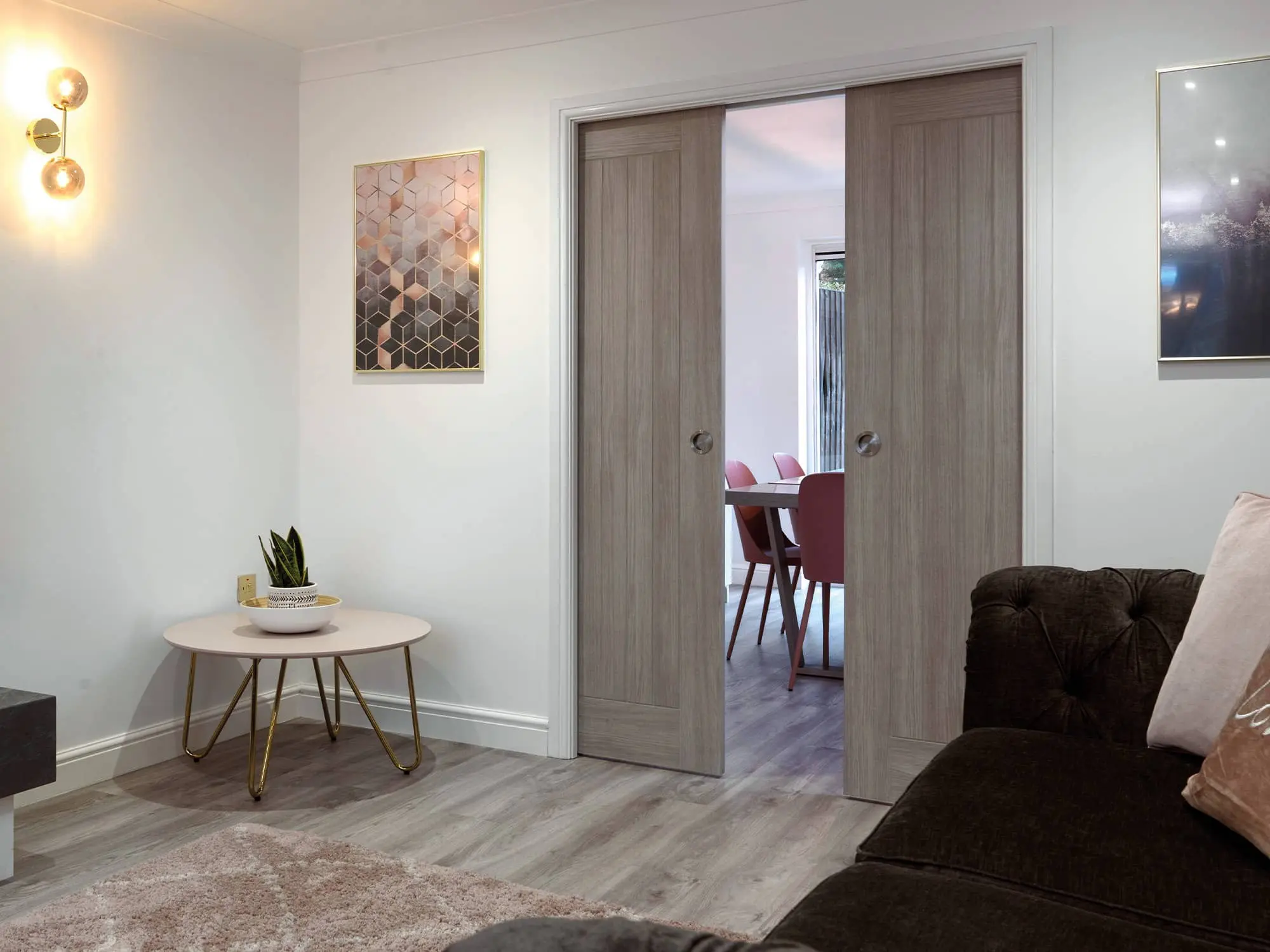
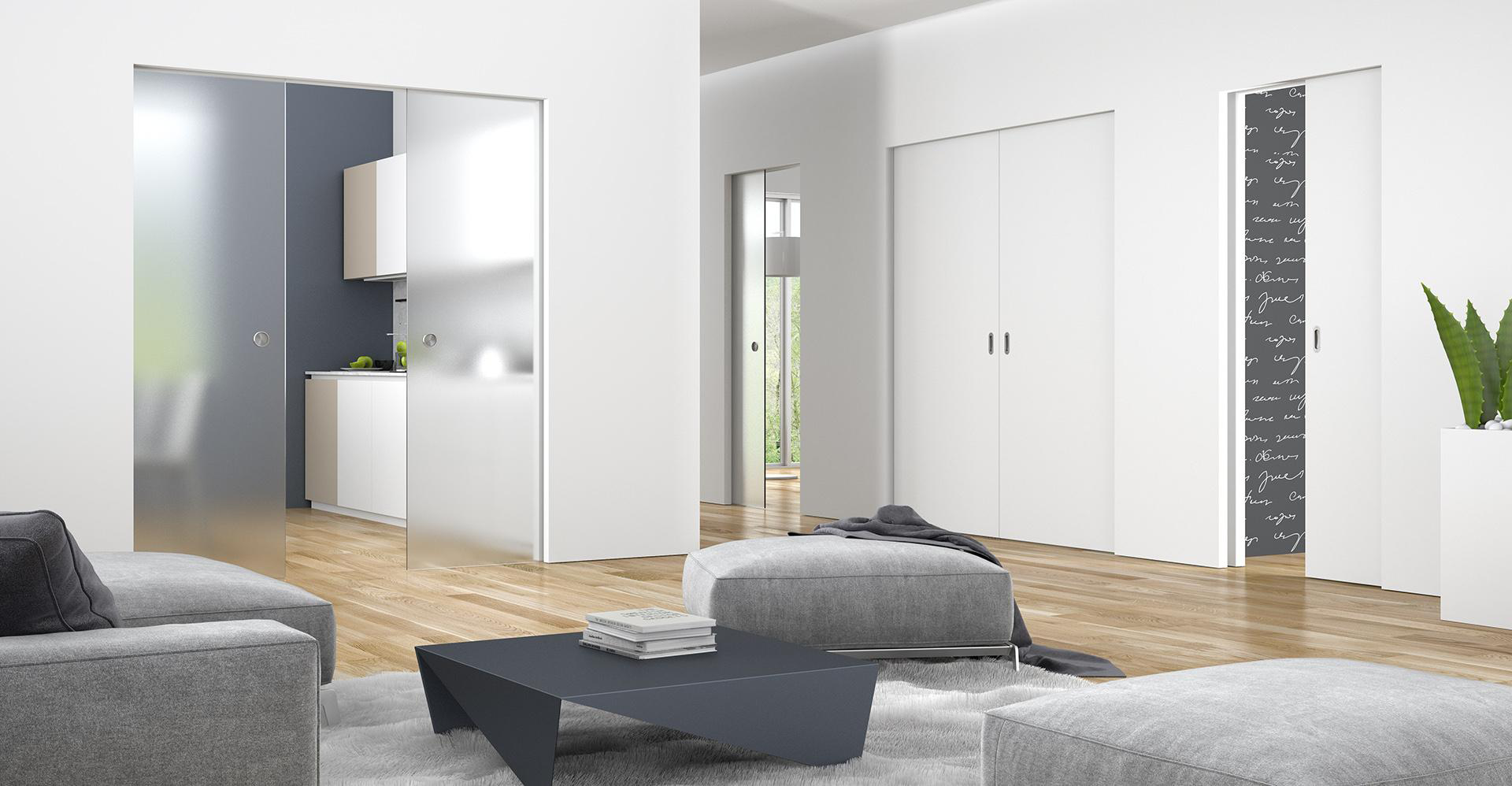
For open-concept homes, double Pocket Doors are another smart choice. They can divide large spaces when needed, but they also disappear neatly into the wall when opened.
Why People Choose Pocket Doors Over Traditional Doors?
Many people choose Pocket Doors because they are practical, stylish, and easy to use. First of all, they save valuable floor space. This is one of the biggest reasons why Pocket Doors work so well in small homes and compact rooms.
At the same time, Pocket Doors give a modern and clean appearance. Unlike standard swing doors, they create smoother traffic flow and make spaces feel larger. That is why many homeowners now prefer contemporary Pocket Door designs for modern interiors.
Another reason is flexibility. Pocket Doors can fit many styles, from rustic farmhouse homes to luxury apartments. Plus, modern sliding Pocket Door hardware is more durable and quieter than older systems. As a result, today’s Pocket Doors are not only functional but also attractive and reliable for daily use.
Do Pocket Doors Have Handles?
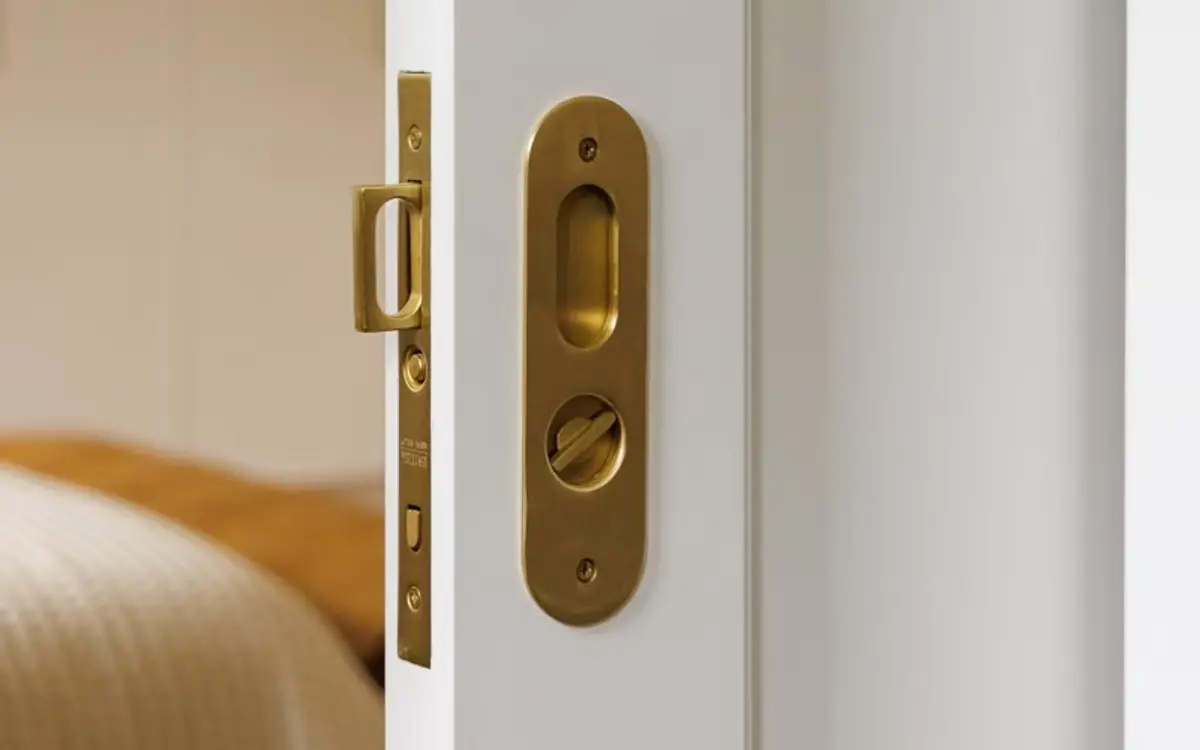
Pocket Doors do have handles, but they use a different style compared to regular swing doors. Since a Pocket Door slides into the wall, a large standard handle would get in the way. So, most sliding Pocket Door systems use low-profile handles that sit flat against the door surface.
Today, there are many Pocket Door handle options on the market. Some focus on saving space, while others add more style to the room. Whether you want a modern Pocket Door look or a more classic design, choosing the right Pocket Door hardware can make a big difference in both function and appearance.
Types of Handles for Pocket Door
Pocket Door handles come in several styles. Each type works a little differently, and each one fits different home designs. Some homeowners care more about function, while others want decorative Pocket Door hardware that matches their interior style.
Recessed Handles
Recessed handles are one of the most common choices for a Pocket Door. These handles sit inside the door surface, so nothing sticks out. Because of this, the Pocket Door can slide smoothly into the wall pocket without any problem.
Many people like recessed Pocket Door handles because they look clean and simple. They also work well in modern homes, small bathrooms, and tight spaces. Plus, they are easy to grab and comfortable to use every day.
Flush Pull Handles
Flush pull handles are another popular option for sliding Pocket Doors. They sit almost flat against the door, creating a sleek, minimal look. In many modern apartments and office spaces, flush pull Pocket Door handles help keep the design neat and uncluttered.
Some flush pull handles also include a small finger pull on the edge of the Pocket Door. This feature makes it easier to slide the hidden door out from inside the wall. So, they are both stylish and practical.
Decorative Handles
Not every Pocket Door handle needs to look plain. Decorative handles give homeowners a way to add more personality and design detail to the space. You can find decorative Pocket Door hardware in a variety of finishes, including matte black, brushed nickel, brass, and bronze.
In farmhouse homes, rustic Pocket Door handles are very popular. Meanwhile, luxury homes often use modern decorative Pocket Door pulls with clean lines and premium materials. A good handle may seem like a small detail, but honestly, it can completely change the room’s overall feel.
How Handling Choice Affects Door Functionality?
The type of Pocket Door handle you choose can change how the door feels and works every day. For example, recessed Pocket Door handles help the door slide fully into the wall without blocking the track. This makes them perfect for small bathrooms, closets, and compact rooms.
Meanwhile, flush pull handles create a smooth and modern look. They also reduce the chance of clothes or bags catching on the handle. In busy homes, this small detail actually makes a big difference. Some Pocket Door systems also use privacy locks. This is very common for bathroom Pocket Doors and home office sliding doors. A good lock should feel easy to use but still stay secure.
Weight matters too. Heavy, solid-wood Pocket Doors may require stronger, deeper handles for better grip. On the other hand, lightweight interior sliding doors usually work fine with simple flush pulls.
Honestly, many people only focus on the door itself. But after installation, they quickly realize the handle affects comfort more than expected.
Tips for Installing Handles Properly
Installing Pocket Door handles correctly helps the door slide better and last longer. First, always check the handle depth before installation. If the handle sticks out too far, the Pocket Door may not slide fully into the wall pocket.
Next, measure carefully. Even a small mistake can make the sliding Pocket Door feel tight or uneven. Many installers recommend marking the handle position before cutting into the door surface. Also, use quality Pocket Door hardware whenever possible. Cheap hardware may loosen over time, especially in high-traffic areas like bathrooms or laundry rooms.
For modern Pocket Door systems, soft-close hardware and smooth sliding tracks also improve performance. They reduce noise and help prevent damage from hard slamming.
Finally, if the Pocket Door includes a lock, test it several times before finishing the installation.

Do Pocket Doors Have Locks?
Pocket Doors can absolutely have locks. In fact, many modern Pocket Door systems come with built-in locking options for both privacy and security. Since a Pocket Door slides into the wall, it uses special sliding-door locks rather than standard door lock hardware.
Today, homeowners use locking Pocket Doors in bathrooms, bedrooms, home offices, and even shared living spaces. The type of Pocket Door lock usually depends on how much privacy or security the room needs. Some locks are simple and basic, while others offer stronger protection and a more secure feel.
Standard Lock Options
There are several common Pocket Door lock options available today. Some are made for privacy, while others are designed for easy access or added security. Choosing the right Pocket Door lock hardware helps the sliding door work smoothly and feel more comfortable in daily use.
Privacy Locks
Privacy locks are one of the most popular choices for Pocket Doors. You will often see them on bathroom Pocket Doors and bedroom sliding doors. These locks usually have a simple thumb turn on one side and an emergency release on the other side.
Many homeowners like Pocket Door privacy locks because they are easy to use and do not look bulky. Plus, they fit well with modern Pocket Door designs and clean interior styles.
If you want privacy without needing a key, this type of sliding Pocket Door lock is usually the best option.
Passage Locks
Passage locks are another common choice for Pocket Doors, although technically, they do not lock at all. These Pocket Door hardware systems help the door open and close smoothly.
People often use pocket door handles for closets, laundry rooms, pantries, and open-concept spaces where privacy is not important. Since there is no locking feature, the door feels simple, light, and easy to slide.
For many homeowners, passage hardware works well because it keeps the Pocket Door clean, modern, and low-maintenance.
Keyed Locks
Keyed locks offer more security than standard privacy locks. These Pocket Door lock systems use a key to lock and unlock the sliding door, much like a traditional entry door.
Keyed Pocket Door locks are common in home offices, rental units, storage rooms, and commercial spaces. Some people also install them on double-pocket doors for added protection.
Modern keyed sliding door locks are available in many styles and finishes, making them suitable for both classic and contemporary interiors. And honestly, today’s hardware looks much better than the bulky Pocket Door locks people used years ago.
How Locks Work in a Sliding Pocket Door?
A Pocket Door lock usually operates via a small latch system built into the handle or edge pull. When you slide the Pocket Door closed, the latch hooks into the strike plate on the door frame. Then, the lock keeps the sliding door in place until someone unlocks it.
Most bathroom Pocket Door locks use a thumb-turn privacy lock. You twist the small latch by hand to lock the sliding Pocket Door from the inside. On the outside, there is often a small emergency release slot for safety. For home offices or storage areas, keyed Pocket Door locks are also common. These locks work more like traditional door locks and require a key to open the sliding door.
Many newer Pocket Door hardware systems now include soft-close tracks and smoother locking mechanisms. Because of this, modern sliding Pocket Doors feel quieter and more reliable than older designs.
Pros and Cons of Adding a Lock
Adding a Pocket Door lock comes with several advantages. First, it improves privacy. This is especially important for bathroom Pocket Doors, bedroom sliding doors, and home office spaces.
Another big benefit is convenience. A good sliding Pocket Door lock keeps the room feeling private without the need for a bulky traditional door. Plus, modern Pocket Door lock hardware looks clean and minimal, which fits well in contemporary homes.
However, there are also a few downsides. Some Pocket Door locks can feel smaller or harder to grip compared to regular door handles. In older Pocket Door systems, the lock may also loosen over time if the hardware is of poor quality.
Installation can be a little tricky, too. Since the Pocket Door slides into the wall cavity, the lock and handle need enough clearance to move freely. If the measurements are off, the sliding Pocket Door may not close or lock properly.
Still, for most homeowners, the benefits usually outweigh the drawbacks. A well-made Pocket Door with a quality lock can save space, improve privacy, and give the room a much cleaner look.
Installation and Maintenance Tips
A Pocket Door can look clean and modern, but proper installation and regular care make a huge difference. Even a high-quality Pocket Door system may not slide smoothly if the hardware is installed incorrectly. The good news is that most Pocket Door problems are easy to prevent with a little attention and simple maintenance.
Installing Handles and Locks Correctly
When installing Pocket Door handles and locks, accurate measurements are crucial. Since the sliding Pocket Door slides within the wall pocket, the hardware must remain low-profile and fit within the door thickness.
Many homeowners choose recessed Pocket Door handles or flush pull hardware because they allow the door to slide fully into the wall. Before cutting the handle opening, always double-check the placement. A small mistake can affect how the Pocket Door slides and locks.
For Pocket Door locks, alignment is very important. The latch should line up smoothly with the strike plate on the frame. If the lock sits too high or too low, the sliding Pocket Door may jam or feel loose.
Also, try to use durable Pocket Door hardware instead of the cheapest option available. Better hardware usually lasts longer and feels smoother during daily use.
Maintaining Smooth Sliding
A Pocket Door should slide quietly and easily. If it starts dragging or sticking, the track system may need attention. Dust, pet hair, and dirt often collect inside the sliding track over time. Because of this, regular cleaning helps keep the Pocket Door moving smoothly.
Most experts recommend checking the rollers and track every few months. If the rollers feel rough or noisy, adding a small amount of lubricant can help. However, avoid heavy grease, as it may attract more dust into the Pocket Door track system.
Soft-close Pocket Door hardware also needs occasional inspection. Loose screws or worn rollers can make the sliding door feel uneven.
Honestly, many people forget about Pocket Door maintenance because the system stays hidden inside the wall. But small routine checks can prevent bigger repairs later.
Troubleshooting Handle or Lock Problems
Pocket Door handle and lock issues are pretty common, especially in older sliding door systems. Sometimes the handle feels loose, while other times the Pocket Door lock may not latch correctly.
If the handle wiggles, tightening the mounting screws usually fixes the problem quickly. For Pocket Door privacy locks, misalignment is another common issue. In many cases, adjusting the strike plate slightly solves it right away. A sliding Pocket Door that feels hard to open may also have track alignment problems. If the door rubs against the frame, the rollers may need to be adjusted.
Additionally, the pocket door is hidden inside the wall, meaning any repairs or adjustments often require access to the wall cavity. This can make maintenance tasks more complicated, time-consuming, and costly. Unlike a regular door, where you can easily replace a hinge or handle, fixing a pocket door usually involves removing part of the wall to adjust the door or replace components. This hidden maintenance can quickly add up, especially if the door experiences frequent issues.
Design Ideas and Style Options
When choosing the perfect pocket door handle, it’s essential to match the style of your interior. Pocket doors are not just functional; they also add a sleek and stylish touch to any space. From modern designs to vintage options, the handle can significantly impact the overall look of your door and room.
Modern Pocket Door Handles
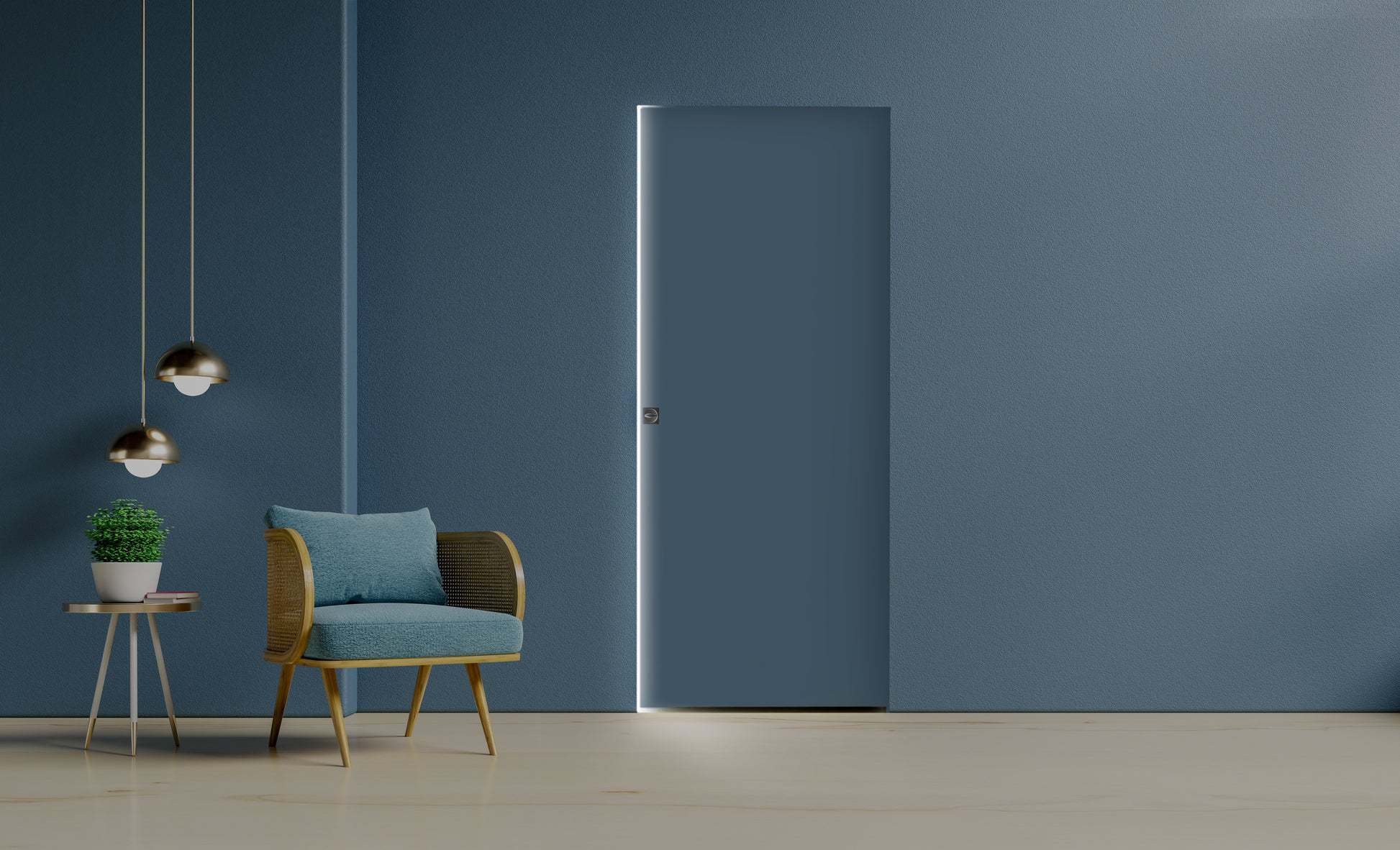
For a clean, minimalist look, modern pocket door handles are a great choice. These handles are often sleek and simple, featuring geometric shapes or flush designs that blend seamlessly with contemporary interiors. A modern pocket door handle can give your room a sophisticated, high-end feel without overpowering the rest of the decor. Opt for matte black, brushed nickel, or stainless steel finishes to keep the aesthetic sleek and timeless.
If you want a more advanced design, consider handles with built-in smart features. Some modern pocket door handles even come with touchless or push-to-open mechanisms, making them convenient and hygienic for daily use. These types of handles work perfectly in spaces that demand both style and practicality, such as in kitchens or bathrooms.
Vintage and Rustic Handle Styles
If your home features a more traditional or rustic design, vintage pocket door handles can bring charm and character. These handles often showcase intricate detailing, such as antique brass or oil-rubbed bronze finishes. They work particularly well in vintage or farmhouse-style homes, where they complement the cozy, lived-in feel.
Rustic pocket door handles are typically made from durable materials like wood or wrought iron, adding texture and warmth to the space. These handles often come in designs that reflect classic craftsmanship, such as ornate scrollwork or vintage-style knobs. Pair them with a distressed pocket door for a complete look that feels nostalgic yet timeless.
Matching Locks to Your Interior Style
When choosing a pocket door handle, don’t forget about the lock. The lock should match the handle’s style and the overall aesthetic of your room. For modern interiors, opt for sleek, simple locks that blend seamlessly with the door handle. Electronic locks or thumb-turn locks are great options for high-tech, contemporary spaces.
For vintage and rustic styles, look for locks with a more traditional or mechanical design. These can feature ornate metalwork, classic deadbolts, or simple turn knobs. Consider functionality as well—if privacy is essential, choose a pocket door handle with a lock that provides secure locking.
Whether you go for a modern, vintage, or rustic look, make sure the handle and lock complement the style of your space. With the right choice, a pocket door handle can elevate the appearance and functionality of your home while enhancing your overall interior design.
Conclusion
When You Might Skip a Lock?
In some cases, a lock is not a must for a Pocket Door. For example, many homeowners use a sliding pocket door between a dining room and a living room without adding a lock. It keeps the space open and easy to move through. Also, for closets, laundry rooms, or pantry areas, a simple pocket door handle may work just fine.
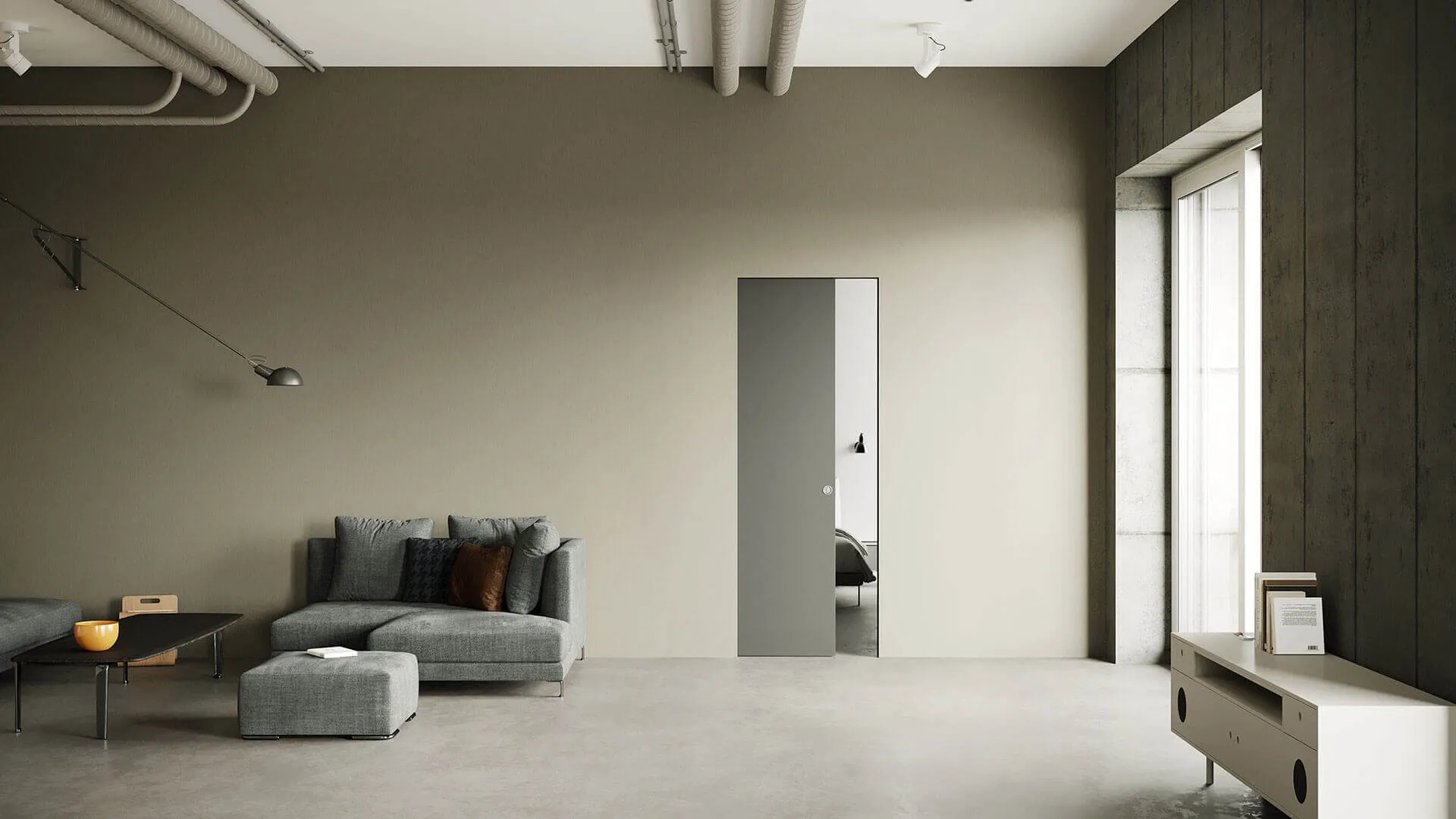
Besides that, modern minimalist homes often use hidden pocket doors or flush pocket doors for a clean look. In these spaces, homeowners may choose a soft-close pocket door system with no lock. It keeps the design simple and smooth while still saving space.
Benefits of Choosing Handles and Locks
Even so, adding the right Pocket Door lock and handle brings many benefits. First, privacy matters. A bathroom pocket door lock or bedroom pocket door hardware set helps family members feel more comfortable. Second, good hardware makes the door easier to slide and pull.
In addition, modern pocket door handles come in many styles and finishes. You can match them to wood, glass, or double-pocket doors. A strong sliding door lock also adds extra safety, especially for home offices or guest rooms.
More importantly, high-quality pocket door hardware lasts longer and works better every day. A smooth sliding action and solid lock make the whole door system feel more premium.
Final Advice for Homeowners
Before you choose hardware for your Pocket Door, think about how you use the room every day. If privacy and security are important, choose a reliable pocket door lock set with an easy-grip handle. On the other hand, if the space is more open and casual, a simple recessed pocket door pull may be enough.
Also, pay attention to door size, door material, and interior style. The best pocket door hardware should not only look good but also feel easy to use. A well-designed sliding pocket door can save space, improve traffic flow, and add a modern touch to your home.
Ultimately, the right Pocket Door handle and lock depend on your lifestyle, your space, and your design goals.
Relate FAQ
What kind of handle do you use on a pocket door?
Pocket doors usually use recessed or flush handles that do not protrude from the door surface. This design allows the door to slide smoothly into the wall pocket without obstruction.
Can pocket doors be locked for privacy?
Yes, many pocket doors include privacy locks, especially for bathrooms, bedrooms, home offices, and laundry rooms. Specialized pocket door lock sets are designed specifically for sliding applications.
Are pocket door locks secure?
Pocket door locks provide reasonable privacy and light security. For higher security needs, keyed locking systems and commercial-grade pocket door hardware are available.
Can you install a regular door handle on a pocket door?
No, standard protruding door handles generally cannot be used because they prevent the door from sliding into the wall cavity. Pocket doors require slim or recessed hardware.
Do pocket doors come with soft-close hardware?
Many modern pocket door systems include soft-close and soft-open mechanisms that improve safety, reduce noise, and create a smoother user experience.
How do you open a pocket door when it is fully recessed?
Most pocket doors use edge pulls or finger pulls that pop out, allowing users to easily pull the door back out of the wall pocket.