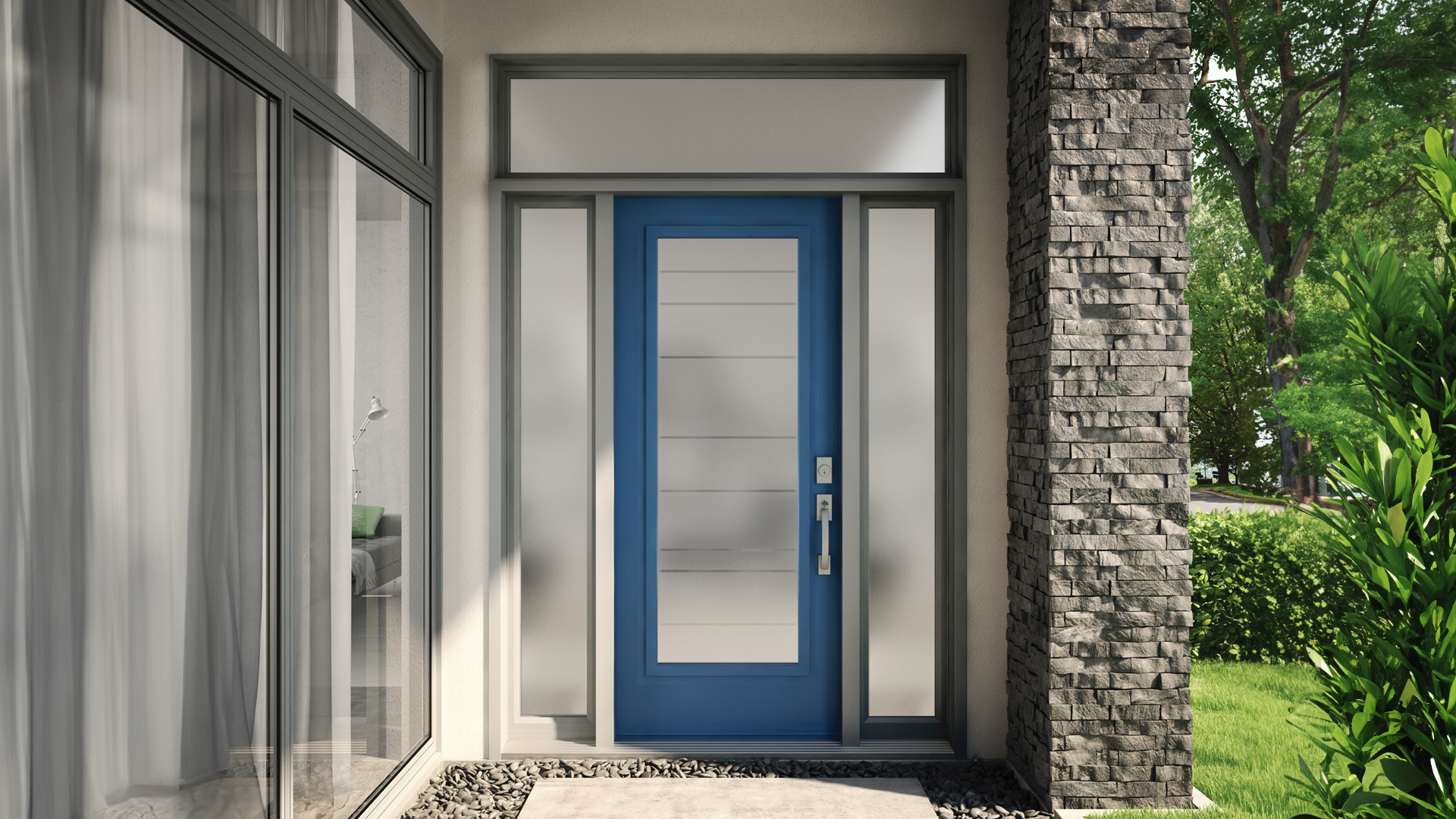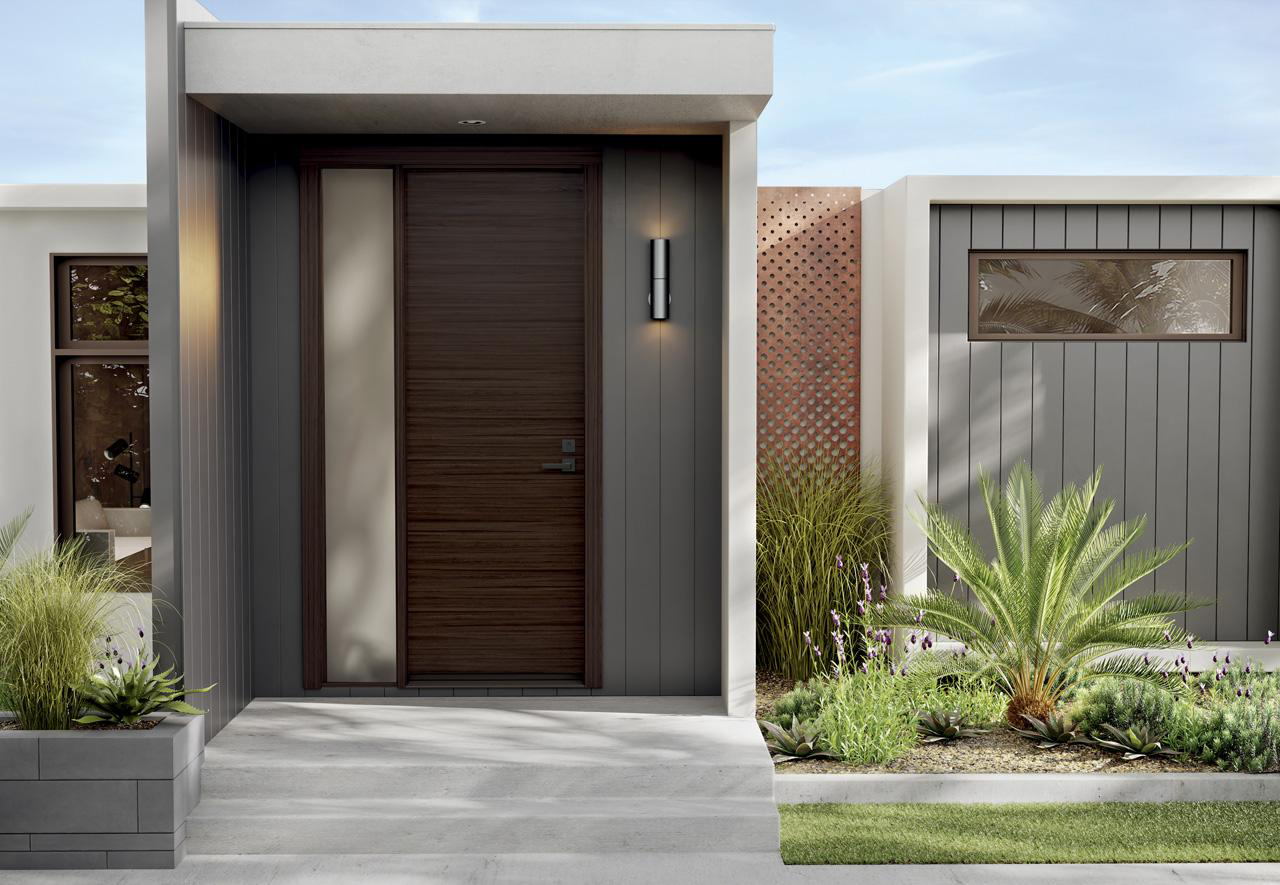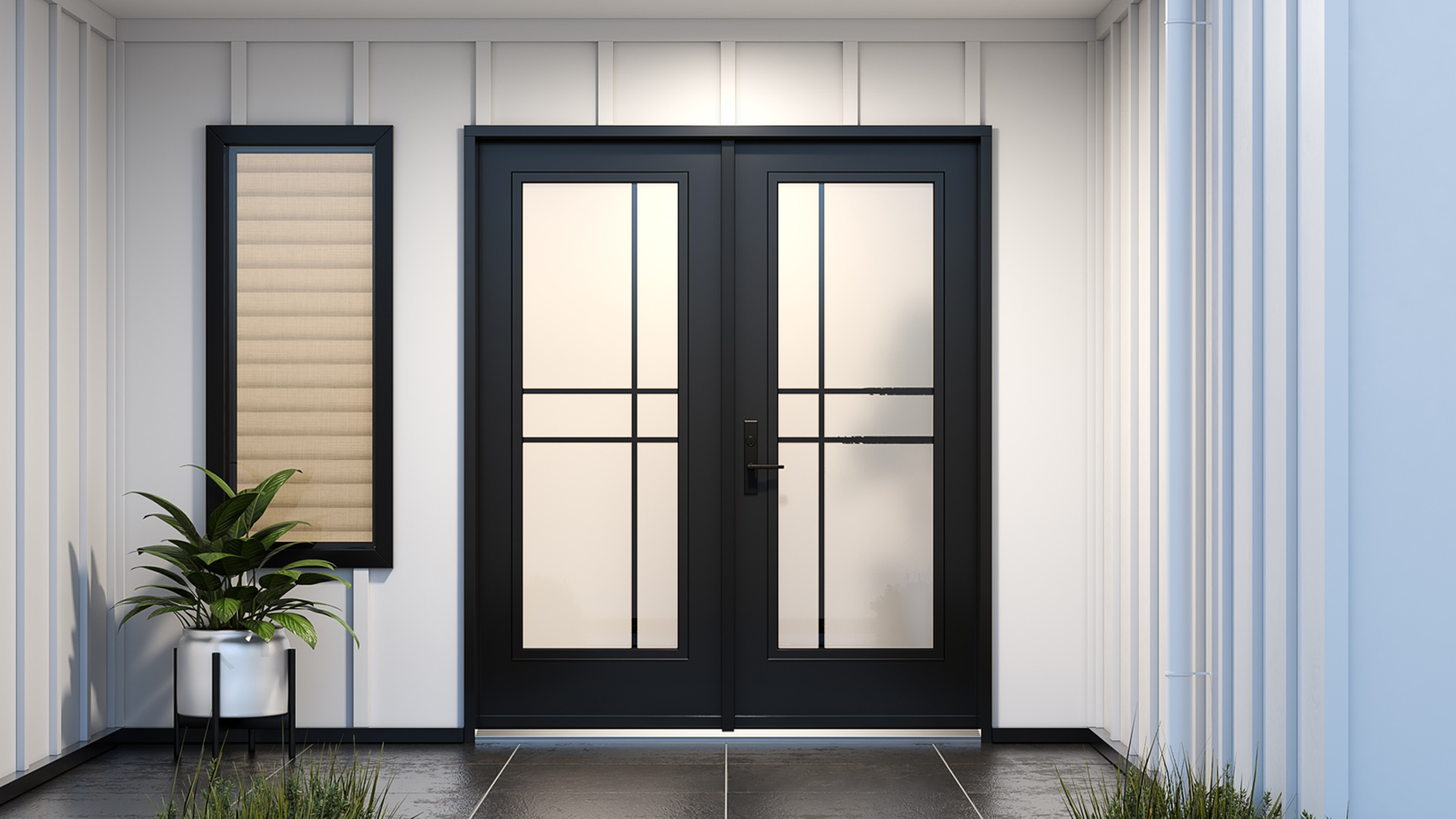
Is cast aluminum good for outdoor door?
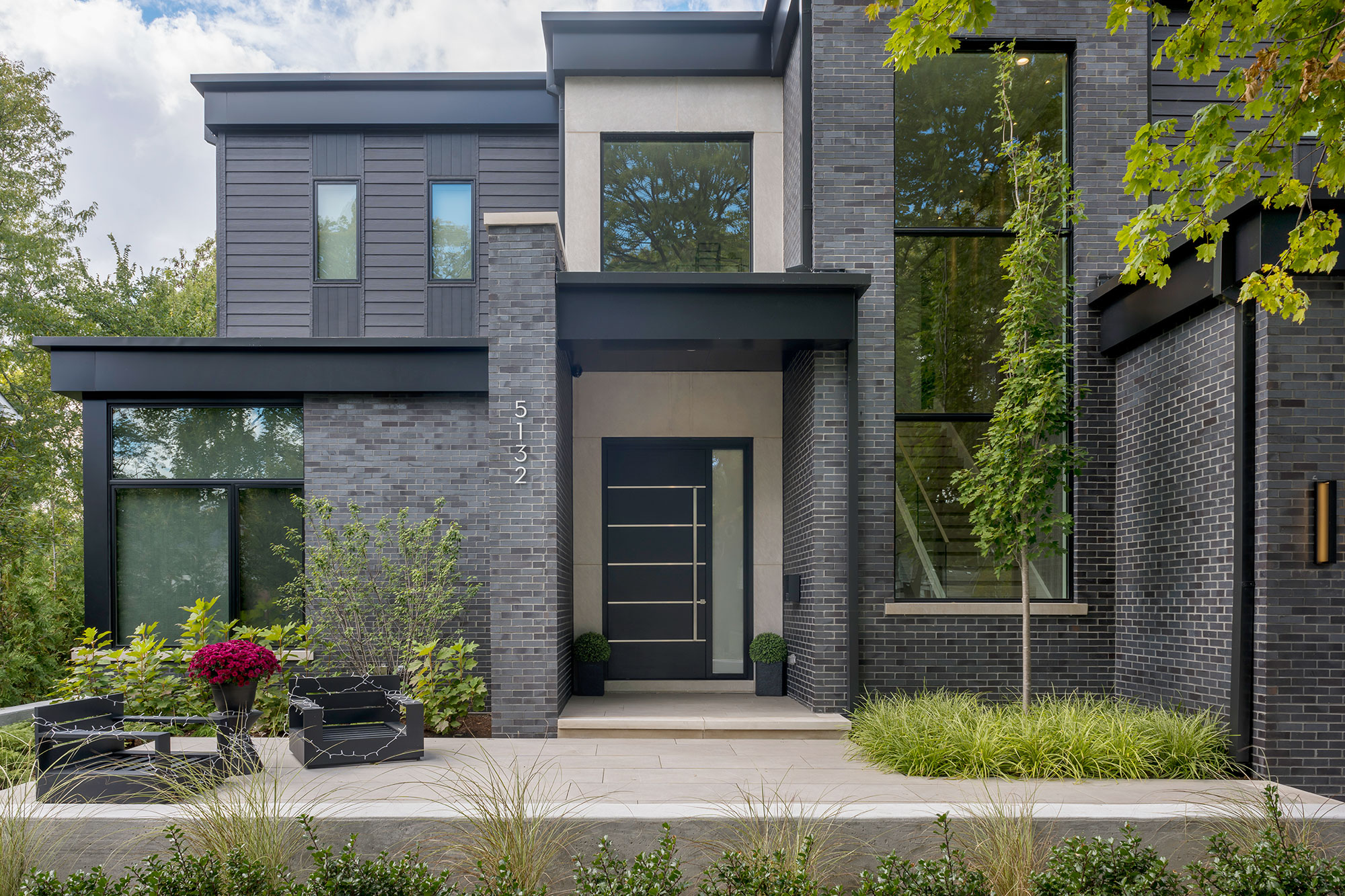
Introduction to Outdoor Doors
Outdoor doors are essential elements in any home, not just for providing access but also for enhancing curb appeal and protecting against the elements. The material you choose for your outdoor door plays a huge role in its longevity, appearance, and how well it withstands various weather conditions.
What Are Outdoor Doors?
Outdoor doors are the primary entry points to your home from the outside. They serve as a barrier between your indoor space and the exterior environment. These doors are exposed to weather conditions like rain, wind, and sunlight, so they need to be made of durable materials that can handle these stresses over time.
Outdoor doors are different from interior doors because they must be more robust and resistant to harsh elements. They are often more substantial in design, providing both security and insulation. Whether you’re looking for a front door, a patio door, or a garden door, choosing the right material is key to ensuring it can handle everything the outdoors throw at it.
Why Choosing the Right Material Matters for Outdoor Doors?
When it comes to outdoor doors, the material choice can make a huge difference. Not only does the right material provide security and insulation, but it also affects how your door holds up against the weather. A poor material choice could lead to frequent repairs, reduced energy efficiency, or a door that looks worn out over time.
For example, doors made from weak materials may warp or swell when exposed to moisture, while others may rust or fade under the sun. On the other hand, choosing materials that are built to endure the elements will save you money and hassle in the long run. It’s important to think about the door’s function—whether it’s to keep heat in or cold out, provide privacy, or improve your home’s aesthetics—and choose a material that matches those needs.
Additionally, some materials are better at providing security, while others offer better insulation or weather resistance. Balancing these factors is essential in making the best choice for your outdoor door.
Common Materials Used in Outdoor Doors
Outdoor doors come in several materials, each with its pros and cons. Let’s take a look at the most common options:
1. Wooden Doors
Wooden outdoor doors are a classic choice. They offer a natural look and can be customized to fit almost any style. However, wood requires regular maintenance to protect it from the elements. Without proper sealing, it can swell, warp, or rot, making it less ideal for areas with high humidity or heavy rain. Despite the upkeep, wooden doors are still popular for their warmth and aesthetic appeal.
2. Steel Doors
Steel doors are known for their strength and security. They offer excellent protection against break-ins and can be insulated to improve energy efficiency. While steel doors are durable and resistant to weather, they can rust over time if the paint or finish gets damaged. Steel doors are an excellent choice for homeowners who prioritize security and durability but may need periodic maintenance to prevent rust.
3. Cast Aluminum Doors
Cast aluminum outdoor doors are another great option. They are known for their strength, resistance to corrosion, and lightweight nature. Cast aluminum doors are perfect for areas that experience extreme weather conditions, such as coastal regions with saltwater air or places with heavy rainfall. These doors require little maintenance and are a great long-term investment for homeowners looking for a low-maintenance, durable option.
Summary
Each of these materials has its benefits and drawbacks, and the best choice depends on your needs and the climate in your area. For example, while steel and cast aluminum doors offer strong security and durability, wooden doors excel in aesthetic appeal and customization.
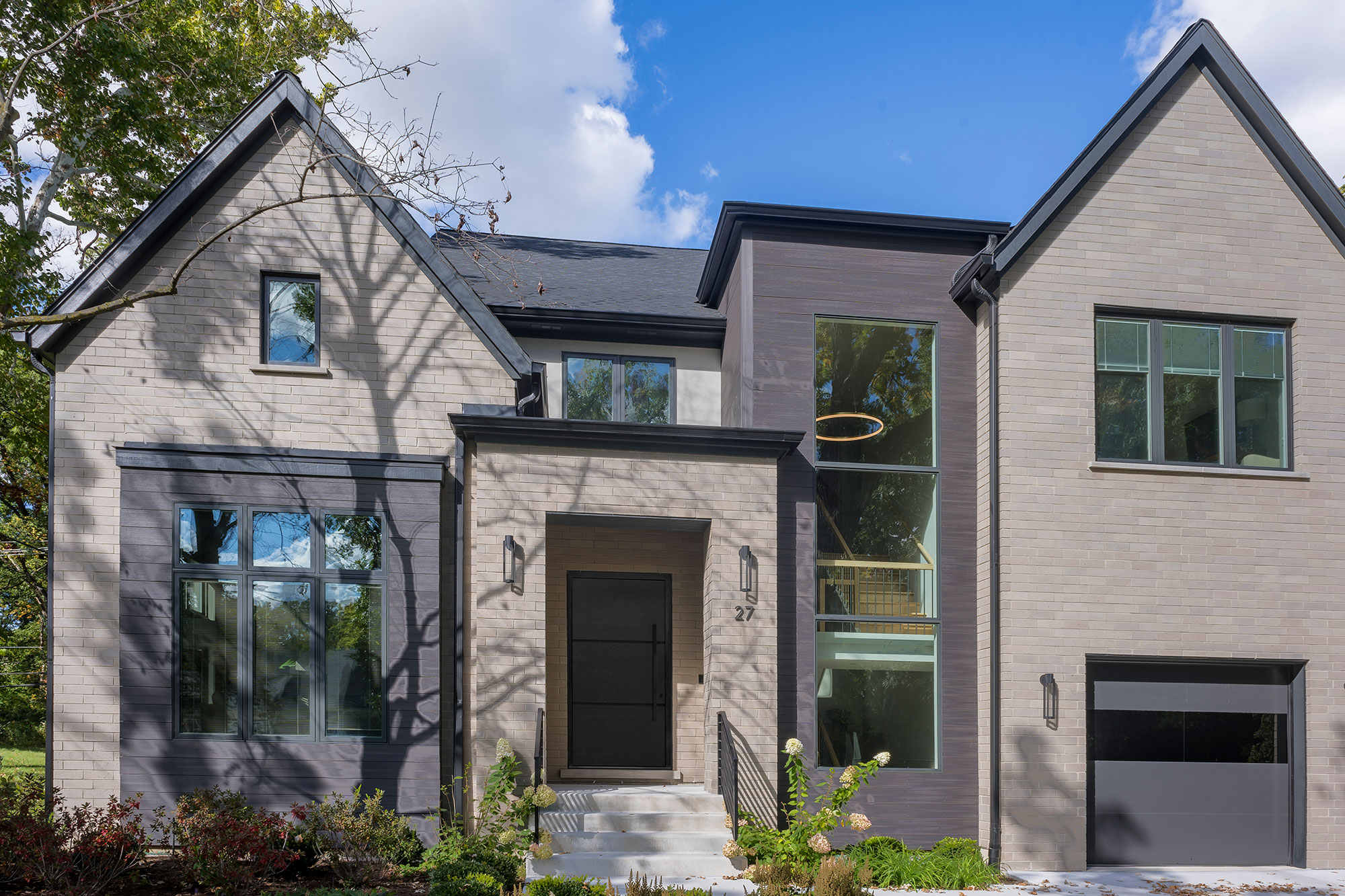
What Is Cast Aluminum?
Cast aluminum is a versatile material used in various industries, including outdoor door manufacturing. It combines strength, durability, and resistance to the elements, making it an ideal choice for products exposed to harsh weather. Understanding what cast aluminum is, how it’s made, and the benefits it offers can help you make an informed decision when selecting materials for your outdoor door.
A Quick Overview of Cast Aluminum
Cast aluminum is a type of aluminum alloy that’s shaped through a casting process, where molten aluminum is poured into molds to form specific shapes. Unlike other forms of aluminum, cast aluminum is known for its strength, weight, and ability to resist rust and corrosion. It’s a popular choice for many outdoor applications, including doors, because it can withstand various weather conditions without degrading quickly.
This material is often used when a balance between strength and lightweight properties is needed. It’s also flexible enough to be molded into different designs, allowing for various styles in outdoor doors. Cast aluminum is known for its sleek finish, which can be both functional and aesthetic, providing long-lasting protection and enhancing your home’s curb appeal.
How Is Cast Aluminum Made?
The process of making cast aluminum involves several key steps:
1. Melting:
First, aluminum ingots (solid blocks of aluminum) are melted in a furnace. This liquid form of aluminum is then ready for molding.
2. Molding:
The molten aluminum is poured into a mold, which is typically made of sand, metal, or ceramic. The mold is shaped according to the design of the product, in this case, an outdoor door. The material cools and hardens inside the mold to take its final shape.
3. Cooling and Removal:
Once the aluminum has cooled and solidified, the mold is removed, revealing the cast aluminum product. At this point, the door or other item may need some finishing work, such as smoothing edges or removing excess material.
4. Finishing:
After the casting is complete, the cast aluminum undergoes additional processes like polishing, painting, or anodizing to enhance its appearance and durability. These treatments ensure the aluminum maintains its resistance to weathering and corrosion.
Benefits of Cast Aluminum for Various Applications
Cast aluminum offers numerous benefits that make it a top choice for outdoor doors and other products. Here are some of the key advantages:
1. Durability and Strength
Cast aluminum is known for its durability. Outdoor doors made from cast aluminum can resist damage from high winds, heavy rain, and even extreme temperatures. Unlike wood, which can warp and rot over time, cast aluminum maintains its form and structure for years, even in tough conditions. It also resists cracking, warping, and expansion, making it a great choice for a long-lasting outdoor door.
2. Corrosion Resistance
One of the most significant benefits of cast aluminum is its corrosion resistance. Outdoor doors are constantly exposed to moisture and weather, which can lead to rust and degradation in other materials. Cast aluminum naturally resists rust, meaning it will not deteriorate when exposed to rain, humidity, or salty air. This feature makes it perfect for coastal areas or regions with high humidity.
3. Low Maintenance
Because of its resistance to corrosion and other weather-related damage, cast aluminum requires minimal maintenance compared to other materials. Wood doors need regular sealing and painting to prevent rot, while steel doors may require rust prevention treatments. Cast aluminum, on the other hand, requires little more than occasional cleaning to keep its appearance intact, making it a convenient and cost-effective option.
4. Energy Efficiency
Cast aluminum doors can be designed with insulation to improve the energy efficiency of your home. These doors help keep the cold air out during winter and the cool air in during summer, potentially lowering your energy bills. The material’s strength and ability to be fitted with a solid core make it a good choice for homeowners who want to reduce energy loss through their doors.
5. Aesthetic Appeal
Cast aluminum is not only functional but also stylish. It can be molded into various shapes, allowing for a wide range of designs to suit your home’s aesthetic. Whether you prefer a modern, sleek look or a more traditional style, cast aluminum doors can be customized with different finishes, textures, and colors. This versatility makes it an appealing choice for homeowners looking for both form and function.
6. Lightweight Yet Strong
Cast aluminum is lightweight compared to materials like steel or iron, yet it retains remarkable strength. This makes it easier to install and handle, without compromising on security or durability. For outdoor doors, this balance is particularly important, as you want a door that is easy to operate but still able to withstand the elements.
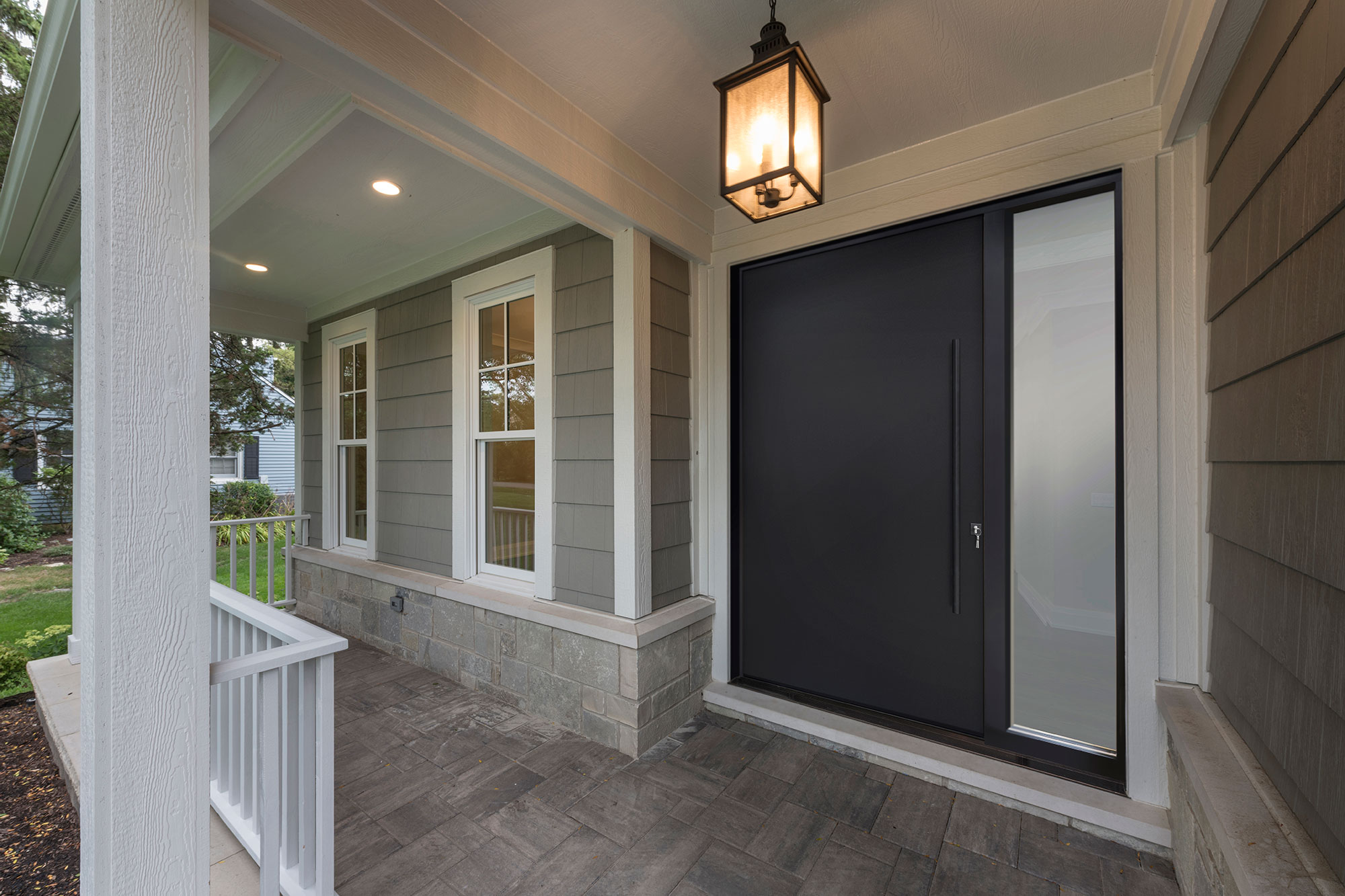
Why Consider Cast Aluminum for Outdoor Doors?
When choosing the right material for outdoor doors, it’s crucial to find something that will stand up to the elements. Cast aluminum offers many benefits that make it an excellent choice for doors exposed to harsh weather.
Durability: How Cast Aluminum Resists Harsh Outdoor Elements?
Outdoor doors face a variety of challenges, from heavy rain and snow to intense sunlight and wind. Cast aluminum is particularly durable because it can withstand these harsh conditions without easily deteriorating. Unlike wood doors, which can rot or swell when exposed to moisture, cast aluminum doors maintain their shape and strength over time.
The material is also highly resistant to physical impacts, meaning it won’t easily dent or break from daily wear and tear. Whether it’s the force of a storm or the accidental bump of a lawnmower, cast aluminum doors can handle it. This makes cast aluminum a reliable and long-lasting option for homeowners who want a door that will continue to perform well for years, even under extreme weather conditions.
Moreover, cast aluminum does not fade or crack in the sun, so your outdoor door will keep its fresh, attractive look, no matter how much sunlight it’s exposed to. This makes it a perfect choice for homes located in sunny climates or coastal areas.
Rust and Corrosion Resistance
One of the biggest concerns for outdoor doors is rust and corrosion. Whether it’s due to rain, humidity, or exposure to saltwater in coastal areas, many materials like steel can suffer from rust. Cast aluminum, however, has an innate resistance to rust and corrosion.
Aluminum naturally forms a protective oxide layer when exposed to oxygen. This layer prevents further corrosion, ensuring that your cast aluminum outdoor door won’t deteriorate from exposure to moisture. Whether you live in a region that sees a lot of rain, snow, or humidity, or you’re close to the coast with salty air, cast aluminum will hold up better than other materials like steel or iron, which tend to rust over time.
This corrosion resistance is one of the reasons why cast aluminum is commonly used for outdoor doors. It helps maintain the door’s integrity and appearance, while reducing the need for frequent repairs or replacements. In the long run, it’s a practical and cost-effective choice for homeowners.
Longevity and Maintenance of Cast Aluminum Doors
When investing in an outdoor door, you want something that will last. Cast aluminum is known for its long lifespan. Unlike wood doors that require regular painting and sealing to prevent rot, or steel doors that need frequent rust treatment, cast aluminum is low-maintenance and designed to last.
Cast aluminum doors can easily endure for decades without needing much care. The material is resistant to warping, cracking, and shrinking, which often happens with wood doors. Also, because it doesn’t rust or corrode, you won’t have to worry about constant upkeep. A simple cleaning now and then with mild soap and water is usually all it takes to keep your cast aluminum door looking great.
If you live in a region with extreme temperatures or harsh weather conditions, cast aluminum is particularly beneficial. Its longevity means you won’t have to replace the door as frequently as you might with other materials. Plus, its energy-efficient properties help maintain the comfort of your home for years, reducing energy costs.
Summary
In summary, cast aluminum offers exceptional durability, resistance to rust and corrosion, and long-lasting performance with minimal maintenance. These qualities make it an excellent choice for outdoor doors, especially for homeowners who want a reliable, low-maintenance solution that can stand up to the toughest outdoor conditions.
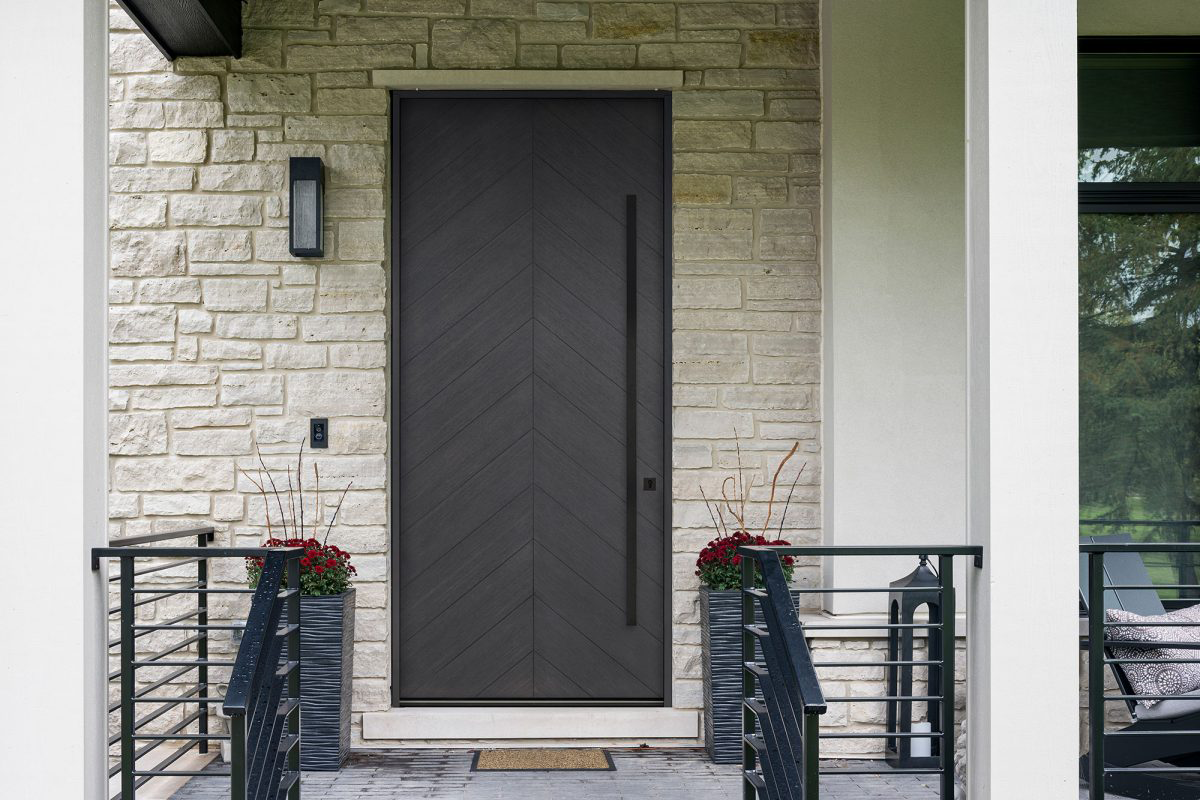
Cast Aluminum vs. Other Materials for Outdoor Doors
When choosing the right material for your outdoor door, it’s important to compare the options. Cast aluminum is just one of many materials available, and while it offers several advantages, it’s not always the best fit for every situation. By comparing it with other popular materials, you can better understand what works best for your home’s exterior needs.
Cast Aluminum vs. Steel: Which is Better for Outdoor Use?
Steel has long been a popular choice for outdoor doors, especially for security purposes. While steel doors are incredibly strong and provide excellent protection against break-ins, cast aluminum offers several benefits that make it a better option in many situations.
1. Durability and Weather Resistance
Steel doors are sturdy and reliable, but they are prone to rust and corrosion, especially when exposed to moisture over time. Steel needs regular maintenance to prevent rust, which can become a significant issue in coastal areas or regions with high humidity. On the other hand, cast aluminum is naturally resistant to rust and corrosion. Its protective oxide layer helps it withstand exposure to rain, snow, and humidity, making it more durable for outdoor use.
2. Weight and Ease of Installation
Steel doors are heavier and more difficult to handle during installation. This can make the process more complicated and time-consuming. Cast aluminum, in contrast, is much lighter, making it easier to install while still maintaining strength. If you need to replace or install an outdoor door by yourself, cast aluminum could save you time and effort.
3. Energy Efficiency
While both materials offer some insulation, cast aluminum is typically better at keeping your home energy-efficient. Steel doors can conduct heat and cold more easily, which means they might not be as effective at insulating your home from extreme temperatures. Cast aluminum doors, however, can be designed with insulation to improve their energy efficiency, keeping your home warmer in the winter and cooler in the summer.
4. Aesthetic Appeal
Steel doors are often chosen for their security, but they can sometimes lack the visual appeal of other materials. While steel can be painted, it doesn’t have the same range of design flexibility that cast aluminum offers. Cast aluminum can be molded into various shapes, sizes, and finishes, giving you more options to customize the look of your outdoor door.
Cast Aluminum vs. Wood: A Comparison for Weather Resistance
Wooden doors are often chosen for their aesthetic appeal and natural beauty, but when it comes to weather resistance, cast aluminum has a clear advantage. Here’s how the two materials compare:
1. Weather Resistance
Wood is vulnerable to moisture, which can cause it to swell, warp, or even rot over time. In areas with high humidity or frequent rain, wooden doors may need regular sealing or refinishing to prevent damage. This can become an ongoing maintenance task for homeowners. Cast aluminum, on the other hand, is highly resistant to moisture and won’t warp, crack, or rot. Its resistance to rain, snow, and humidity makes it a more reliable choice for outdoor doors, especially in regions that face extreme weather conditions.
2. Longevity
Wooden doors require more care to maintain their longevity. Over time, they can lose their finish, become discolored, or develop cracks, especially when exposed to the sun. This can result in a shorter lifespan compared to other materials. Cast aluminum doors, by contrast, are built to last for decades. They require very little maintenance and are much more resilient to the elements, giving them a longer lifespan without the need for frequent repairs or replacements.
3. Maintenance Requirements
Wooden doors need regular maintenance to keep them looking their best. You’ll need to clean, seal, and repaint them periodically to prevent damage. Cast aluminum doors, however, are much easier to care for. They require just an occasional cleaning to remove dirt and debris. Their resistance to corrosion and weathering means you won’t need to worry about costly repairs or constant upkeep.
4. Aesthetic Appeal
Wood has a timeless charm that many people love. Its natural texture and ability to be stained or painted make it a customizable option. However, as we’ve discussed, wood’s vulnerability to weathering can cause it to lose its beauty over time. Cast aluminum doors, while they may not have the same natural warmth as wood, offer a sleek, modern appearance that can also be customized. With various finishes available, cast aluminum can suit many different home styles.
Summary
In conclusion, whether you choose cast aluminum, steel, or wood for your outdoor door depends on your priorities. If you need a door that’s low-maintenance, durable, and resistant to weather, cast aluminum is the way to go. It provides superior weather resistance compared to wood, and it’s easier to handle and maintain than steel.

The Pros of Using Cast Aluminum for Outdoor Doors
Cast aluminum outdoor doors are becoming an increasingly popular choice for homeowners. This material offers many benefits that make it ideal for doors exposed to harsh weather.
Lightweight Yet Strong: Easy to Install and Handle
One of the standout features of cast aluminum is its perfect balance of lightness and strength. Compared to heavier materials like steel or iron, cast aluminum outdoor doors are significantly lighter, making them easier to handle and install. This is especially beneficial if you’re replacing an old door or tackling a DIY installation project.
Despite its light weight, cast aluminum doesn’t compromise on strength. The material is robust enough to provide excellent security and withstand impacts or adverse weather conditions. Whether you’re dealing with strong winds, heavy rains, or extreme temperatures, a cast aluminum door will maintain its structure and protect your home. The combination of being both lightweight and durable means cast aluminum is a great option for anyone looking for a door that’s both easy to install and strong enough to last.
Energy Efficiency: How Cast Aluminum Keeps Your Home Comfortable?
When choosing an outdoor door, energy efficiency is a top consideration. You want a door that helps keep your home comfortable year-round while also reducing energy costs. Cast aluminum doors can offer excellent insulation properties, keeping the cold out during winter and the heat in during summer.
Because cast aluminum is a solid material, it can be fitted with insulation to create an energy-efficient barrier. This helps to minimize drafts, prevent heat loss, and maintain the indoor temperature more effectively. In the long run, this energy efficiency can lower your heating and cooling bills. Additionally, the durability of cast aluminum ensures that your door will continue to perform well in terms of insulation for many years without degrading or needing to be replaced.
In colder climates or areas with extreme temperatures, cast aluminum outdoor doors provide an ideal solution for energy savings. They help maintain a consistent temperature inside, ensuring your home stays comfortable without putting a strain on your energy bills.
Aesthetic Appeal: Versatility in Design and Finishes
When it comes to outdoor doors, design is just as important as function. Cast aluminum offers incredible versatility in design and finishes, allowing you to choose a door that matches the style and aesthetics of your home.
Whether you prefer a modern, sleek look or a more traditional, ornamental design, cast aluminum doors can be molded and finished to suit any style. The material can be customized with various textures, colors, and finishes, giving you the freedom to create a door that complements your home’s exterior. From smooth, contemporary surfaces to intricate patterns and decorative details, cast aluminum can be adapted to fit a wide range of design preferences.
Moreover, the finishes available for cast aluminum outdoor doors—such as powder coating or anodizing—provide additional protection against fading or damage, helping the door retain its appearance over time. This means that not only will your cast aluminum door look great on day one, but it will also continue to enhance your home’s curb appeal for years to come.
Low Maintenance: Why Cast Aluminum Doors Are Easy to Care For?
One of the biggest advantages of cast aluminum outdoor doors is their low-maintenance nature. Unlike wood doors that require regular painting and sealing to protect against moisture, or steel doors that need rust prevention treatments, cast aluminum requires very little upkeep.
Because cast aluminum is resistant to rust, corrosion, and warping, there’s no need to worry about it degrading when exposed to the elements. All you need to do to maintain the look of your door is occasionally clean it with mild soap and water. The powder coating or anodized finish helps protect the surface from dirt, grime, and weathering, so the door will continue to look fresh and clean with minimal effort.
For homeowners who want a door that doesn’t require constant attention, cast aluminum is the perfect choice. It provides long-term durability without the time-consuming upkeep associated with other materials. This low-maintenance nature makes it ideal for busy individuals or those who prefer a hassle-free solution for their outdoor door needs.
Summary
In summary, cast aluminum outdoor doors offer a range of benefits that make them a top choice for homeowners. Their lightweight yet strong construction makes them easy to install and handle, while their energy-efficient properties help maintain a comfortable home year-round. The versatility in design ensures you can find a door that suits your style, and its low-maintenance nature saves time and effort.
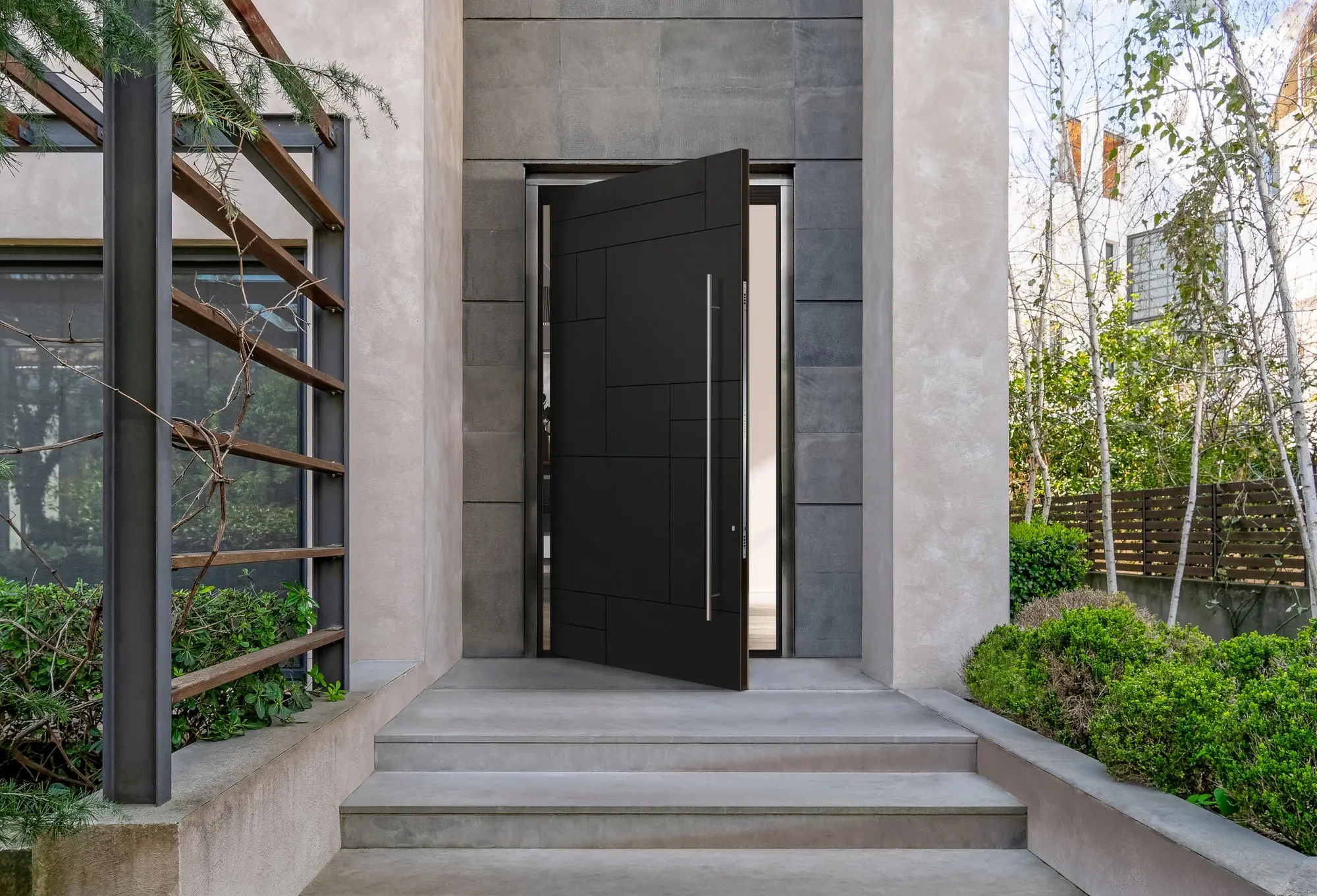
Common Issues with Cast Aluminum Doors
While cast aluminum outdoor doors offer numerous benefits, like durability and low maintenance, they are not without their drawbacks. As with any material, it’s important to understand potential issues that might arise over time.
Potential for Dents or Scratches
One issue to consider when choosing cast aluminum for your outdoor door is its susceptibility to dents and scratches. While cast aluminum is strong and durable, it’s not entirely immune to physical damage. If subjected to hard impacts or rough handling, the surface of your cast aluminum door can be scratched or dented. This is particularly a concern in high-traffic areas where people may accidentally knock into the door with sharp objects or heavy equipment.
For instance, during yard work, mowing the lawn, or moving large items, there’s a risk that your cast aluminum door might get scratched. While these scratches are often surface-level and can be fixed with a little effort, they can detract from the door’s appearance. It’s important to handle cast aluminum doors with care and, if you live in a high-traffic area, consider installing door guards or adding protective coatings to help reduce the risk of damage.
Flat doors are also ideal for private areas like bedrooms and bathrooms. They provide a sleek, elegant look while offering excellent privacy. For bathrooms, solid flat doors are a good choice as they are more durable and provide soundproofing, which helps keep noise from traveling. The simple design also contributes to a calming, peaceful environment, which is perfect for spaces where relaxation is key.
However, it’s worth noting that the strength of cast aluminum makes it more resistant to dents and damage compared to materials like vinyl, which can easily crack. With proper care, cast aluminum doors can still maintain their integrity and performance for many years.
Limited Color Options Compared to Other Materials
Another potential downside of cast aluminum outdoor doors is the limited color options when compared to other materials, like wood or fiberglass. While cast aluminum can be painted and finished with various coatings, it often doesn’t offer the same wide range of colors and textures available with materials like wood.
Wood doors, for example, can be stained in various tones or painted in nearly any color, providing homeowners with maximum flexibility in achieving the desired look. Cast aluminum, however, typically comes in a more limited range of finishes, and the paint applied to aluminum doors may not always be as versatile or durable as those used on other materials.
That said, cast aluminum can be customized with finishes like powder coating, which can help add color and texture. While the selection may not be as vast as wood, it’s still possible to find a cast aluminum door that suits your home’s aesthetic. Additionally, cast aluminum’s resistance to fading and weathering means that the color you choose will last for years without significant deterioration.
Can Cast Aluminum Doors Become Brittle in Extreme Cold?
Cast aluminum is known for being a durable and resilient material, but one concern for homeowners in colder climates is whether cast aluminum outdoor doors can become brittle in extreme cold. Generally, aluminum does become more brittle at low temperatures, as it is more prone to cracking or breaking under impact when exposed to freezing conditions.
However, modern manufacturing processes for cast aluminum doors have addressed this issue by using specific aluminum alloys and treatments that enhance their performance in cold weather. While it is true that extreme cold can affect the flexibility of cast aluminum, most cast aluminum doors are designed to endure a wide range of temperatures, including cold. They are often treated with coatings that help them retain their strength and resist brittleness in colder conditions.
If you live in an area that regularly experiences extremely cold winters, it’s important to check that the cast aluminum door you’re considering is designed for such climates. Some manufacturers offer aluminum doors with special coatings or reinforcements that make them more suitable for freezing temperatures. These doors are tested to withstand cold without cracking, so they maintain their performance year-round.
Summary
In conclusion, while cast aluminum outdoor doors have a number of benefits, including their durability, low maintenance, and weather resistance, there are a few potential issues to be aware of. Dents and scratches can occur if not handled with care, and the material offers fewer color options compared to wood. Additionally, while extreme cold can cause aluminum to become brittle, most modern cast aluminum doors are designed to handle cold weather well.
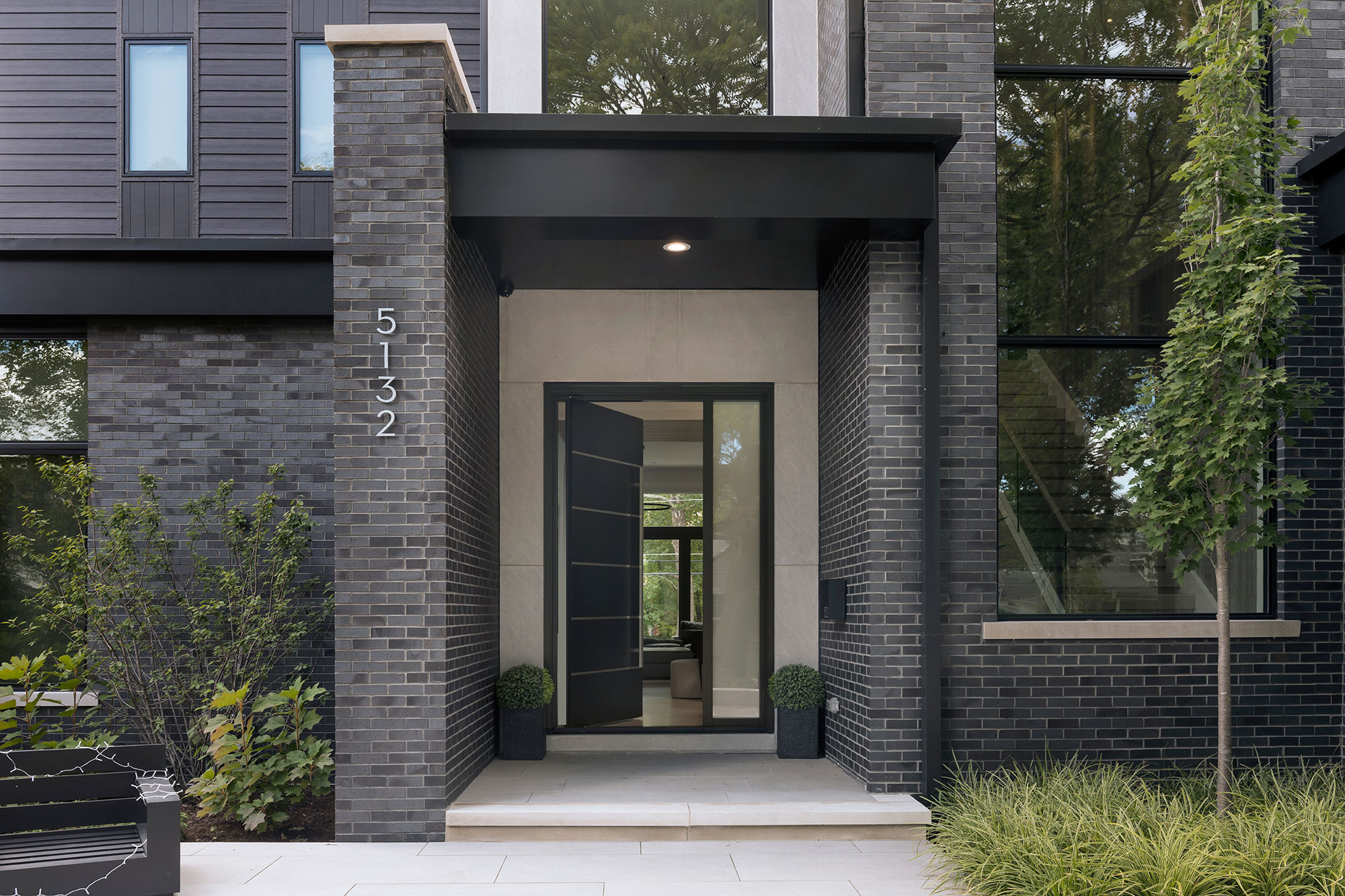
How to Maintain Cast Aluminum Outdoor Doors?
Maintaining your front door through regular cleaning, sealing, and annual inspections can help extend its lifespan, but eventually, even the most well-maintained doors may need replacing. A new front door can improve the look and feel of your home, increase its value, and offer modern features that enhance security and energy efficiency.
Regular Cleaning and Care Tips for Cast Aluminum
Keeping your cast aluminum outdoor door clean is essential to maintain its appearance and functionality. Fortunately, cast aluminum requires minimal cleaning compared to other materials, but regular care will help extend its lifespan.
1. Dust and Dirt Removal:
Start by removing any loose dust or dirt with a soft cloth or a brush. This will prevent the dirt from scratching the surface when you clean it. Make sure to clean the edges and around any hardware as well.
2. Washing:
Use a mild soap or detergent mixed with warm water to wash the door. A gentle sponge or soft cloth works best. Avoid harsh cleaning products or abrasives that could damage the finish. Simply wipe down the surface, paying extra attention to any areas that may accumulate more dirt, such as around th
3. Rinsing and Drying:
After cleaning, rinse the door with clean water to remove any soap residue. It’s important to dry the door completely using a soft towel to avoid water spots or streaks. For areas with hard water, consider using a squeegee to remove water quickly.
4. Cleaning Hardware:
Don’t forget to clean the door’s hardware, such as handles, hinges, and locks. These parts can accumulate dirt or grime over time, affecting their performance. Use a dry cloth to wipe these parts, and apply a lubricant like silicone spray to keep them working smoothly.
Preventing Damage: Protective Coatings and Paint Options
While cast aluminum is naturally resistant to rust and corrosion, adding an extra layer of protection can keep your outdoor door looking new for even longer. Protective coatings and paint options are an effective way to prevent damage from environmental factors like UV rays, moisture, and dirt.
- Powder Coating: Many cast aluminum doors come with a powder-coated finish. Powder coating is a durable, long-lasting finish that helps protect the door from the elements. It resists fading, scratching, and chipping better than regular paint. If your door doesn’t already have a powder-coated finish, consider applying it for added protection. It’s available in various colors and finishes, so you can choose one that complements your home’s style.
- Anodizing: Anodizing is another treatment that enhances the durability of cast aluminum. This process forms a thicker oxide layer on the aluminum, making it more resistant to corrosion and wear. Anodized aluminum has a sleek, metallic finish that’s both modern and low-maintenance.
- Regular Touch-Ups: Over time, even the best protective coatings may show signs of wear. If you notice any chips or scratches in the finish, it’s a good idea to touch them up right away to prevent further damage. Use a paint that’s specifically designed for aluminum surfaces to maintain a uniform appearance. Many home improvement stores offer paint products that match the original finish of your cast aluminum door.
Relate FAQ
Is cast aluminum durable for outdoor doors?
Yes, cast aluminum is highly durable and resistant to rust, making it an excellent choice for outdoor doors. It can withstand harsh weather conditions, including rain, snow, and high humidity, without deteriorating or corroding.
Does cast aluminum provide good security for outdoor doors?
While cast aluminum is strong and sturdy, it is not as strong as steel or iron. However, it can still provide adequate security for most residential applications when combined with proper locks and reinforcing elements. For added security, you can choose a cast aluminum door with internal reinforcements.
Is cast aluminum weather-resistant?
Yes, cast aluminum is highly weather-resistant. It does not warp, crack, or swell when exposed to moisture, which makes it ideal for outdoor environments. Additionally, its natural ability to resist corrosion means it can maintain its appearance and functionality for years.
How does cast aluminum compare to steel for outdoor doors?
- Weight: Cast aluminum is lighter than steel, making it easier to handle during installation and daily use.
- Corrosion Resistance: Cast aluminum is much more resistant to corrosion than steel, which tends to rust over time if not properly maintained.
- Strength: Steel is stronger than aluminum, so if absolute security is a top priority, steel may be a better option. However, cast aluminum doors can still provide reasonable security with additional reinforcements.
Are cast aluminum doors energy-efficient?
Cast aluminum doors can contribute to energy efficiency, especially when paired with proper insulation. Many modern aluminum doors are designed with thermal breaks and weatherstripping to minimize heat transfer, helping to keep your home comfortable and reduce energy costs.
Can cast aluminum doors be used in coastal areas?
Yes, cast aluminum doors are particularly well-suited for coastal areas. Their resistance to corrosion makes them an excellent choice for homes near saltwater, where metal doors can quickly deteriorate due to rust and corrosion. Cast aluminum stands up well to the salty air and moisture typical in coastal climates.