Top Interior Door Styles for Modern Homes

Why Interior Doors Matter in Modern Homes?
Modern homes focus on more than just open layouts and stylish furniture. Every detail matters, and the Interior Door is one of the most important. A well-chosen interior door can enhance a room’s look, provide privacy, reduce noise, and even increase property value.
Doors and Home Design
An Interior Door is not simply a way to separate rooms. It is also a key design element that shapes a home’s overall style. In many modern homes, interior doors act as visual connectors that tie different spaces together.
For example, sleek flush interior doors work well in minimalist homes because they create clean lines and a simple look. On the other hand, shaker-style interior doors fit perfectly in modern farmhouse and transitional interiors. Glass interior doors can add a sophisticated touch while keeping rooms visually connected.
Color also matters. White interior doors remain a popular choice because they blend with almost any décor. However, black interior doors have become a growing trend in modern home design. They add contrast, create depth, and make a bold statement without overwhelming a room.
Energy Efficiency and Soundproofing
Many people focus on exterior doors when thinking about energy savings. However, an Interior Door can also improve comfort inside the home.
Solid-core interior doors are especially useful because they provide better insulation than hollow-core options. They help maintain room temperatures and create a more comfortable living environment. This can be helpful in home offices, bedrooms, and media rooms where temperature consistency matters.
In addition, sound control has become a bigger priority, especially as more people work from home. Soundproof interior doors can reduce noise transfer between rooms, creating quieter spaces for work, study, or relaxation.
For families with children or multi-generational households, choosing solid-wood interior doors or solid-core doors can significantly improve privacy. A simple door upgrade often makes daily life more comfortable without requiring major renovations.
Enhancing Light Flow Between Rooms
Natural light is one of the most desired features in modern homes. A carefully selected Interior Door can help light travel more freely from one room to another.
Glass-panel interior doors are a popular solution because they let sunlight through while still creating separate spaces. Frosted glass interior doors offer a similar benefit while adding privacy for bathrooms, home offices, or guest rooms.
French interior doors are another excellent option. Their large glass panels create an open and airy feeling while maintaining clear room boundaries. As a result, even smaller homes can feel brighter and more spacious.
In homes with limited natural light, replacing traditional solid doors with glass interior doors can instantly transform the atmosphere. Rooms often feel larger, warmer, and more inviting.
Long-Term Value and Home Resale
A quality Interior Door is an investment that can pay off over time. Buyers notice details, and interior doors are among the features that contribute to a home’s overall impression.
Old, damaged, or outdated doors can make a property feel neglected. In contrast, modern interior doors give a home a fresh and updated appearance. This can improve buyer perception and increase overall market appeal.
Many real estate professionals agree that consistent interior finishes help create a polished look. Matching interior doors throughout the home can make rooms feel more connected and professionally designed.
High-quality options, such as solid-wood interior doors, custom interior doors, and contemporary interior door styles, often attract buyers who value craftsmanship and durability. While doors may seem like a small detail, they can influence how potential buyers view the entire property.
In the long run, investing in attractive and functional interior doors is not just about appearance. It is about creating a more comfortable home today while supporting stronger resale value in the future.
Popular Interior Door Materials
Solid Wood Doors
A solid wood Interior Door is often seen as the premium choice for a home. It is made from real wood, so it feels sturdy, warm, and natural. When you open or close it, the door has a solid weight that makes the room feel more finished.
This type of Interior Door works well in bedrooms, home offices, dining rooms, and living areas. It can also help reduce noise better than many hollow-core interior doors. So, it is a smart choice when privacy and comfort matter.
Solid wood doors also bring real character to a space. Each wood grain looks a little different, which gives every door its own charm. You can stain it for a natural look or paint it to match your trim, walls, or home décor.
Oak, Maple, and Walnut Options
Oak is a popular choice for a solid wood Interior Door because of its strong grain and classic look. It fits well in traditional homes, farmhouse interiors, and busy areas like hallways or bedrooms. It also feels strong enough for daily use.
Maple offers a cleaner and smoother style. Its soft grain works well in modern homes, simple interiors, and bright rooms. A maple interior door also takes paint well, so it is a good pick if you want white, gray, or another custom color.
Walnut has a deeper and richer tone. It gives an interior door a more high-end look without feeling too flashy. It works especially well with black hardware, warm lighting, and modern furniture.
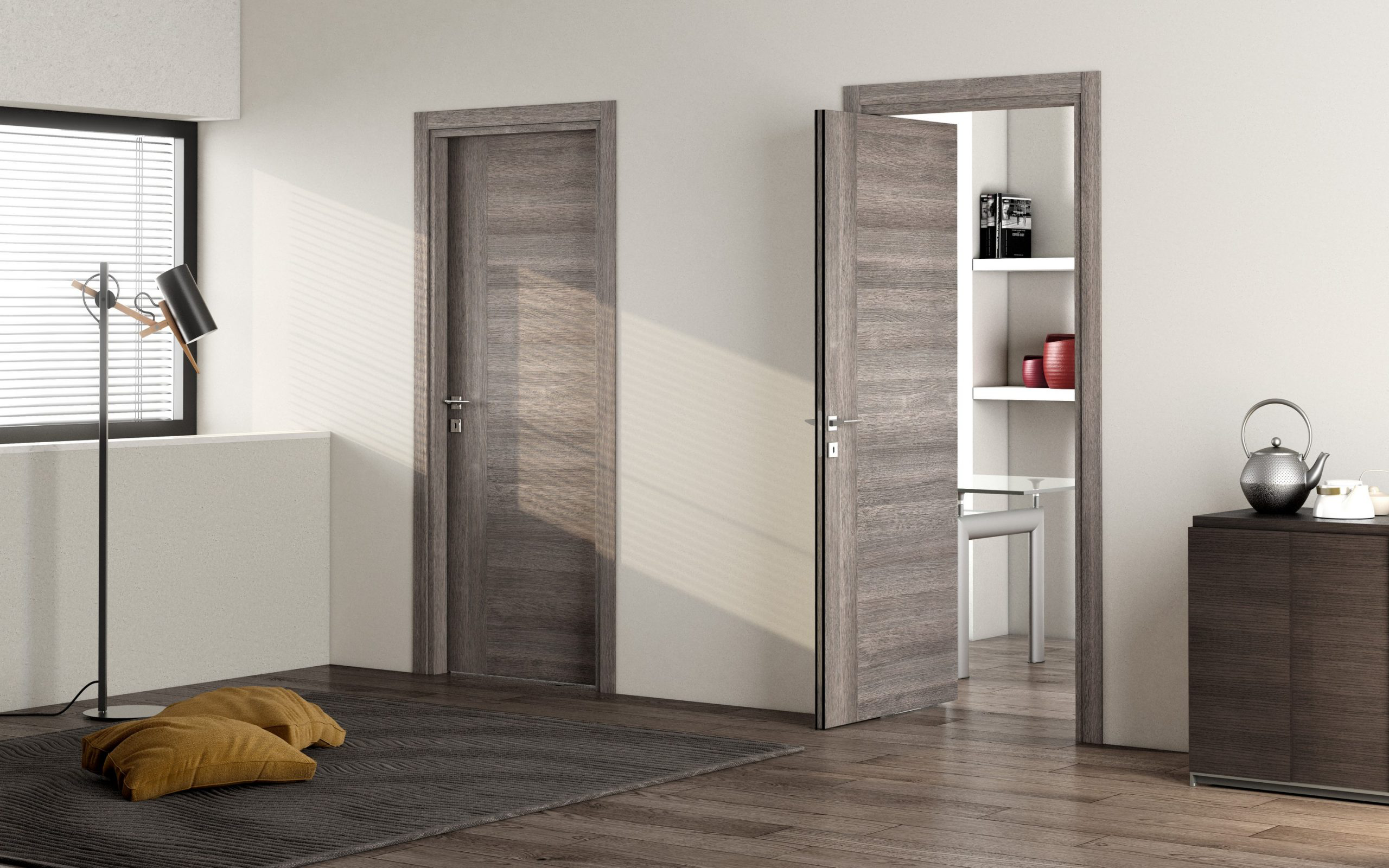
Pros and Cons for Durability
A solid wood Interior Door is known for long-lasting strength. It can handle daily use better than many cheaper door types. If it gets small scratches, you can often sand and refinish it instead of replacing the whole door.
Another benefit is better sound control. Because solid wood is heavier, it can help reduce noise between rooms. This makes it useful for bedrooms, nurseries, home offices, and media rooms.
However, solid wood doors can cost more than hollow core or MDF interior doors. They may also expand or shrink when humidity or temperature changes. Still, with proper installation and care, a solid wood interior door can bring lasting value and beauty to the home.
Engineered Wood and MDF Doors
Engineered wood and MDF are two of the most popular materials for a modern Interior Door. Many homeowners choose them because they offer a good balance between cost, style, and performance. Unlike solid wood, these doors use processed wood fibers or wood layers to create a stable, consistent product.
One reason people like engineered wood interior doors is their smooth appearance. The surface is often free from knots and natural imperfections, making it easier to paint and match with different home styles. Whether your home has a modern, transitional, or classic design, these interior doors can fit right in.
Another advantage is stability. An engineered wood or MDF interior door is less likely to expand, shrink, or warp when indoor temperatures and humidity levels change. This makes it a practical choice for many rooms throughout the home.
Budget-Friendly Yet Stylish
If you want a stylish Interior Door without spending a fortune, engineered wood and MDF doors are worth considering. They often cost less than solid wood doors while still offering an attractive look. This makes them a popular option for homeowners working within a remodeling budget.
Many MDF interior doors come in a wide range of panel styles, finishes, and designs. Some even look very similar to traditional wood doors once painted. As a result, you can achieve a high-end appearance without paying premium prices.
These affordable interior doors also work well for larger projects. If you need to replace multiple bedroom, closet, or hallway doors, engineered wood options can help keep costs under control while maintaining a consistent design throughout the house.
Eco-Friendly Options
For homeowners who care about sustainability, engineered wood and MDF can be more eco-friendly choices for interior doors. Many manufacturers use recycled wood fibers, wood by-products, or responsibly sourced materials during production. This helps reduce waste and makes better use of natural resources.
Because these materials use wood more efficiently, fewer raw timber resources may be required than for some traditional solid wood products. As a result, many environmentally conscious homeowners see engineered wood interior doors as a practical and responsible option.
In addition, many modern interior door manufacturers now focus on low-emission adhesives and environmentally friendly production methods. When shopping for an eco-friendly interior door, look for products that meet recognized environmental standards. This can help you create a stylish home while making a more sustainable choice.
Glass Interior Doors
Glass interior doors have become increasingly popular among homeowners seeking a modern, open feel. Unlike traditional wood doors, a glass Interior Door lets light pass through while still defining spaces. These doors come in many styles, including full glass panels, framed glass, and mixed wood-and-glass designs, making them versatile for different rooms.
Another advantage of a glass interior door is style. It can instantly make a space feel more contemporary, airy, and bright. Whether used for a home office, kitchen, or hallway, a glass door adds elegance and a sense of openness that solid wood doors may not provide.
Glass doors also pair well with other interior design elements. You can choose frosted, textured, or clear glass to match your home décor. Hardware, frames, and finishes can be customized, making a glass interior door both functional and a design statement.
Frosted and Clear Glass Styles
When selecting a glass Interior Door, you’ll notice two main options: frosted and clear glass. Frosted glass offers privacy while still allowing light to pass through. It’s perfect for bathrooms, bedrooms, or offices where you want a sense of separation without blocking daylight.
Clear glass doors, on the other hand, let in maximum light and create a sense of openness. They are often used for connecting living rooms, kitchens, or sunrooms. A clear glass interior door can make a smaller space feel larger and more inviting.
Many homeowners also like to combine both styles. Some glass doors have partial frosted panels or patterned glass, providing privacy where needed while still maintaining a bright, stylish interior. This flexibility makes glass interior doors highly adaptable to different needs.
Benefits for Light and Space
One of the biggest advantages of a glass Interior Door is its ability to bring light into darker areas. Hallways, closets, and interior rooms without windows can benefit greatly from a glass door, creating a brighter, cheerier environment.
Glass interior doors also help spaces feel larger. Because you can see through them, rooms feel connected and open rather than closed off. This is especially useful in modern homes with open floor plans or smaller apartments where every inch of space matters.
Finally, glass doors can improve the overall mood of your home. More natural light can make rooms feel warmer and more inviting. They combine functionality and beauty, offering both privacy options and a way to expand your space visually.
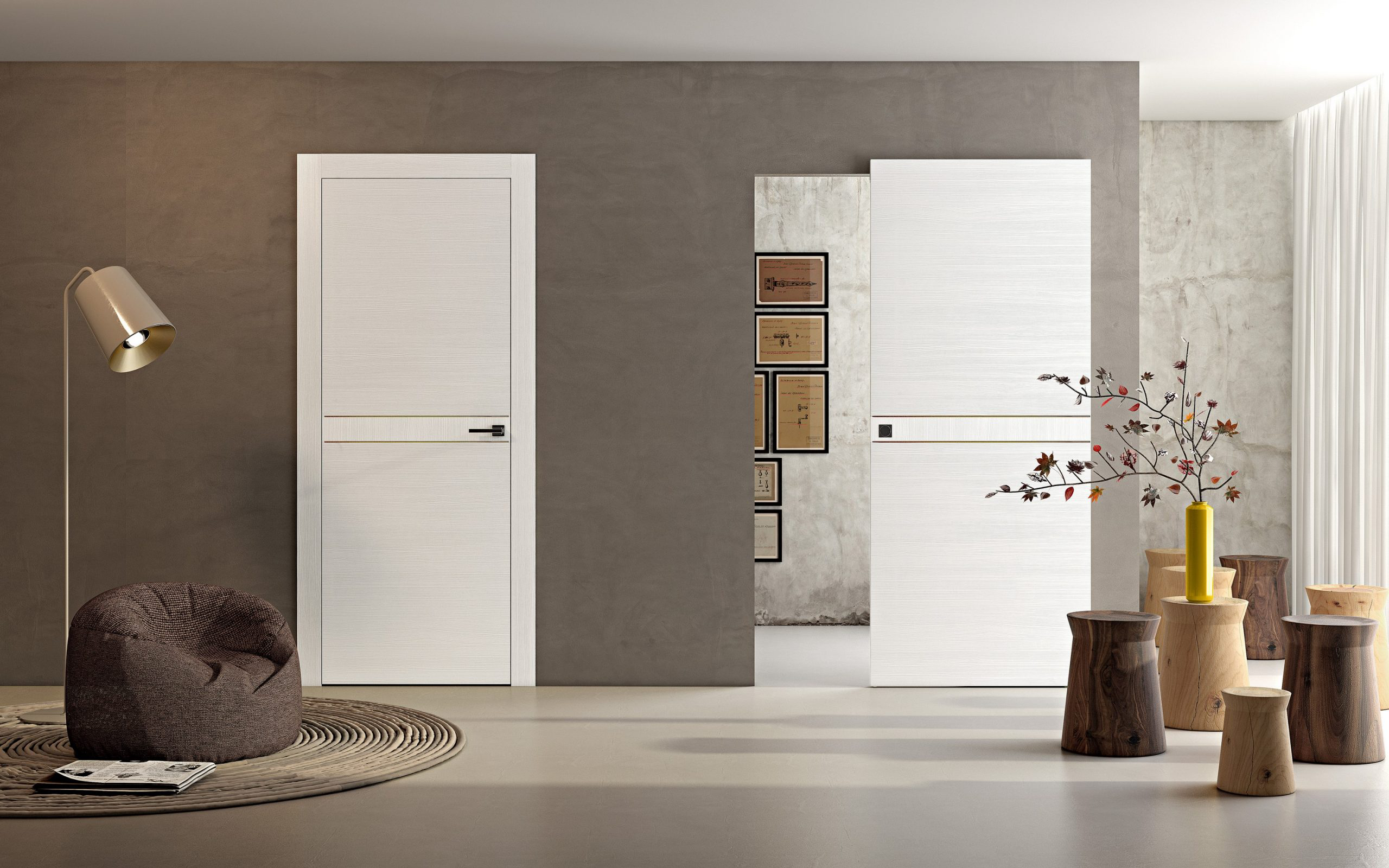
Modern Interior Door Designs
Minimalist Panel Doors
Minimalist panel doors are one of the most popular Interior Door styles in modern homes today. They focus on clean lines, simple shapes, and a clutter-free look. Instead of heavy details or decorative carvings, these doors create a calm and balanced appearance that works well in both large and small spaces.
A minimalist interior door can fit almost any room. Homeowners often use them in bedrooms, home offices, living rooms, and hallways. Because the design is simple, it blends easily with modern, Scandinavian, transitional, and even contemporary farmhouse interiors.
Another reason people love this type of interior door is its versatility. You can choose different panel layouts, colors, and finishes without losing the clean aesthetic. As a result, minimalist panel doors remain a timeless choice rather than a passing trend.
Single vs. Multiple Panels
When shopping for a panel Interior Door, one of the first decisions is choosing between a single-panel or multiple-panel design. A single-panel interior door features a single large, smooth panel that creates a sleek, modern look. It works especially well in minimalist homes where simplicity is the main goal.
Multiple-panel interior doors feature two, three, four, or even more sections. These designs add a bit more texture and visual interest while still keeping a clean appearance. They can help break up large surfaces and create a more traditional-modern balance.
The right choice often depends on your home’s style. A single-panel interior door usually feels more contemporary and streamlined. Meanwhile, a multi-panel door can add depth and character without making the room feel busy. Both options can work beautifully when matched with the right décor.
Popular Finishes and Colors
The finish of an Interior Door can significantly impact a room’s overall look. White remains one of the most popular choices because it feels bright, clean, and timeless. A white interior door works with almost any wall color and helps create a fresh, open atmosphere.
Natural wood finishes are also in high demand. Oak, walnut, maple, and other wood-look interior doors bring warmth and texture into a space. These finishes work especially well in modern organic, Scandinavian, and transitional homes where natural materials play an important role.
For homeowners who want a bold statement, darker colors are becoming more common. Black, charcoal gray, and deep navy interior doors can create contrast and add a modern touch. At the same time, matte finishes continue to gain popularity because they offer a soft, sophisticated look that feels both stylish and understated.
Flush Doors
Flush doors are a favorite choice for homeowners who want a clean, contemporary look. A flush Interior Door features a smooth, flat surface without panels or decorative details. This simplicity gives rooms a sleek and uncluttered feel, making it ideal for modern homes, apartments, or offices.
One reason people choose a flush interior door is its versatility. It fits seamlessly with a variety of décor styles, from minimalist and Scandinavian to industrial and modern transitional. Because the surface is so even, it can be painted or finished in any color, making it easy to match furniture, trim, or wall tones.
Flush doors are also practical. The smooth surface makes cleaning easier, and the simple design reduces the chance of dents or scratches catching on intricate panels. This makes a flush interior door both stylish and low-maintenance for busy homes.
Smooth Surfaces for Sleek Homes
A flush Interior Door is prized for its smooth, uninterrupted surface. Without panels, grooves, or moldings, it offers a sleek, modern aesthetic that enhances any room. These doors work especially well in narrow hallways, open-plan living spaces, or areas where a continuous, airy feel is desired.
The clean surface also allows for creative finishes. Homeowners can choose matte, satin, or glossy paints to complement lighting and furniture. Some even opt for wood veneer flush doors to combine natural warmth with modern smoothness. The result is an interior door that looks both simple and sophisticated.
Smooth flush doors can also create a sense of calm. Because there are no visual breaks, the eye can move freely around the room. This makes spaces feel larger, brighter, and more cohesive—perfect for sleek, modern interiors.
Matching Walls Seamlessly
One of the biggest benefits of a flush interior door is how easily it can blend with the walls. By using the same color, finish, or even textured paint, a flush Interior Door can almost disappear into the wall, creating a seamless look. This is ideal for minimalist designs or modern interiors where continuity and simplicity matter.
Matching doors to walls also helps highlight other elements in the room. Furniture, art, or lighting can become the focus while the doors remain subtle and elegant. This approach works well in open-plan homes or apartments, where doors should not interrupt the flow of the space.
Finally, flush interior doors give flexibility for hidden hardware or minimal handles. Using recessed handles or push-to-open systems keeps the door surface clean, reinforcing the seamless effect. The result is a modern interior door that feels integrated, functional, and effortlessly stylish.
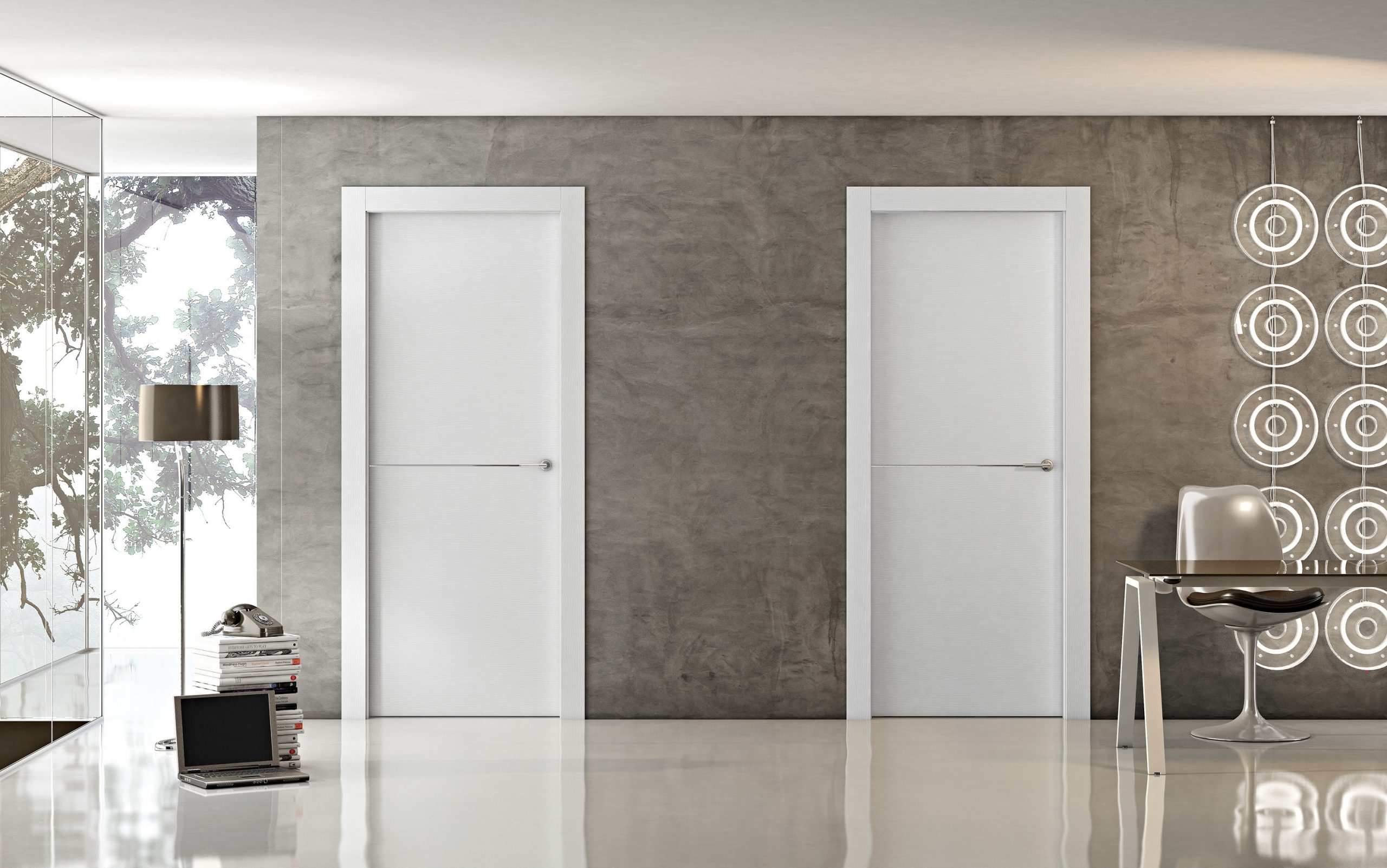
Barn Doors and Sliding Options
Barn doors and sliding doors have become popular interior door choices in modern homes. They offer a unique look while solving common space challenges. Unlike traditional swing doors, a sliding interior door moves along a track, so it does not need extra floor space to open and close.
Many homeowners use barn-style interior doors for bedrooms, home offices, laundry rooms, and pantries. They add character to a room while keeping the layout practical. At the same time, modern sliding interior doors come in many materials, including wood, glass, metal, and mixed-material designs.
Another reason these interior door styles remain popular is flexibility. Whether your home leans toward farmhouse, industrial, contemporary, or minimalist design, there is usually a sliding door option that fits naturally into the space.
Space-Saving Designs
One of the biggest advantages of a sliding Interior Door is its ability to save space. Traditional hinged doors require a clear swing area, but sliding doors move along the wall or into a pocket. This simple difference can free up valuable square footage in smaller rooms.
Because of this, sliding interior doors are often used in apartments, condos, and compact homes. They work especially well for closets, bathrooms, laundry rooms, and home offices where every inch matters. A space-saving interior door can make a room feel more functional without changing the overall layout.
Many homeowners also appreciate the cleaner traffic flow. Since the door does not swing outward, furniture placement becomes easier. You can position desks, shelves, or chairs closer to the doorway without worrying about door clearance.
Rustic Meets Modern
A barn-style Interior Door is known for blending rustic charm with modern design. Traditional barn doors often feature natural wood textures, visible grain patterns, and black metal hardware. These details bring warmth and personality into a room without feeling outdated.
At the same time, modern barn doors have evolved beyond the farmhouse look. Today, you can find sleek interior sliding doors with smooth finishes, minimalist hardware, frosted glass panels, or painted surfaces in black, white, and gray. This allows homeowners to enjoy the functionality of a barn door while maintaining a contemporary aesthetic.
The combination of rustic and modern elements creates a balanced look that many people love. A barn-style interior door can become a focal point in the room while still complementing clean lines and modern furniture. As a result, it remains one of the most versatile interior door designs available today.
French Doors and Glass Panels
French doors have remained a popular Interior Door choice for decades, and it is easy to see why. They combine beauty, functionality, and natural light in one design. Most French interior doors feature large glass panels framed in wood, MDF, or other materials, creating a bright, open feel between rooms.
Many homeowners use French interior doors to connect living rooms, dining areas, home offices, or sunrooms. Unlike solid doors, they allow you to maintain a sense of separation without making spaces feel closed off. As a result, rooms stay visually connected while still serving different purposes.
Modern French doors are available in many styles. Some feature traditional divided glass panels, while others use larger panes for a cleaner and more contemporary look. This flexibility makes French-style interior doors suitable for both classic and modern homes.
Light Flow Between Rooms
One of the biggest benefits of a French Interior Door is its ability to improve light flow. Natural light can move freely from one room to another, helping darker spaces feel brighter and more welcoming. This is especially useful in hallways, home offices, or interior rooms that receive limited sunlight.
Glass panel interior doors can also make a home feel more open. Because you can see through the glass, spaces appear larger and less confined. Even in smaller homes or apartments, a French interior door can help create a more spacious atmosphere.
Many homeowners appreciate this balance between openness and function. While the glass allows light to travel throughout the home, the door still provides a clear division between rooms. It is a simple way to improve both comfort and visual flow.
Elegant and Timeless Appeal
Few Interior Door styles offer the same timeless charm as French doors. Their balanced design and glass details have stayed popular through changing trends. Whether your home is traditional, transitional, farmhouse, or contemporary, French interior doors can blend in beautifully.
Another reason people choose French-style interior doors is their ability to elevate a room. The glass panels add sophistication without feeling overly formal. Paired with quality hardware and the right finish, they can instantly make a space feel more refined.
What makes French interior doors truly special is their versatility. They look just as attractive in a modern home office as they do between a dining room and a living room. Because of this lasting appeal, many homeowners see them as a long-term investment that adds both style and value to the home.
Pocket Doors
Pocket doors are a clever solution for homeowners looking to save space while keeping a stylish home. A pocket Interior Door slides neatly into the wall cavity, eliminating the swing space required by traditional doors. This design makes it perfect for small rooms, narrow hallways, or tight corners where a standard door would get in the way.
Many people choose pocket interior doors for bathrooms, closets, home offices, and laundry rooms. Because the door disappears into the wall when open, it creates a cleaner, more open look. At the same time, it maintains privacy and separation between rooms without sacrificing floor space.
Another benefit of pocket interior doors is their versatility. They come in a wide range of materials, finishes, and colors so that you can match them to your home décor. From modern minimalist designs to classic wood finishes, pocket doors seamlessly combine function and style.
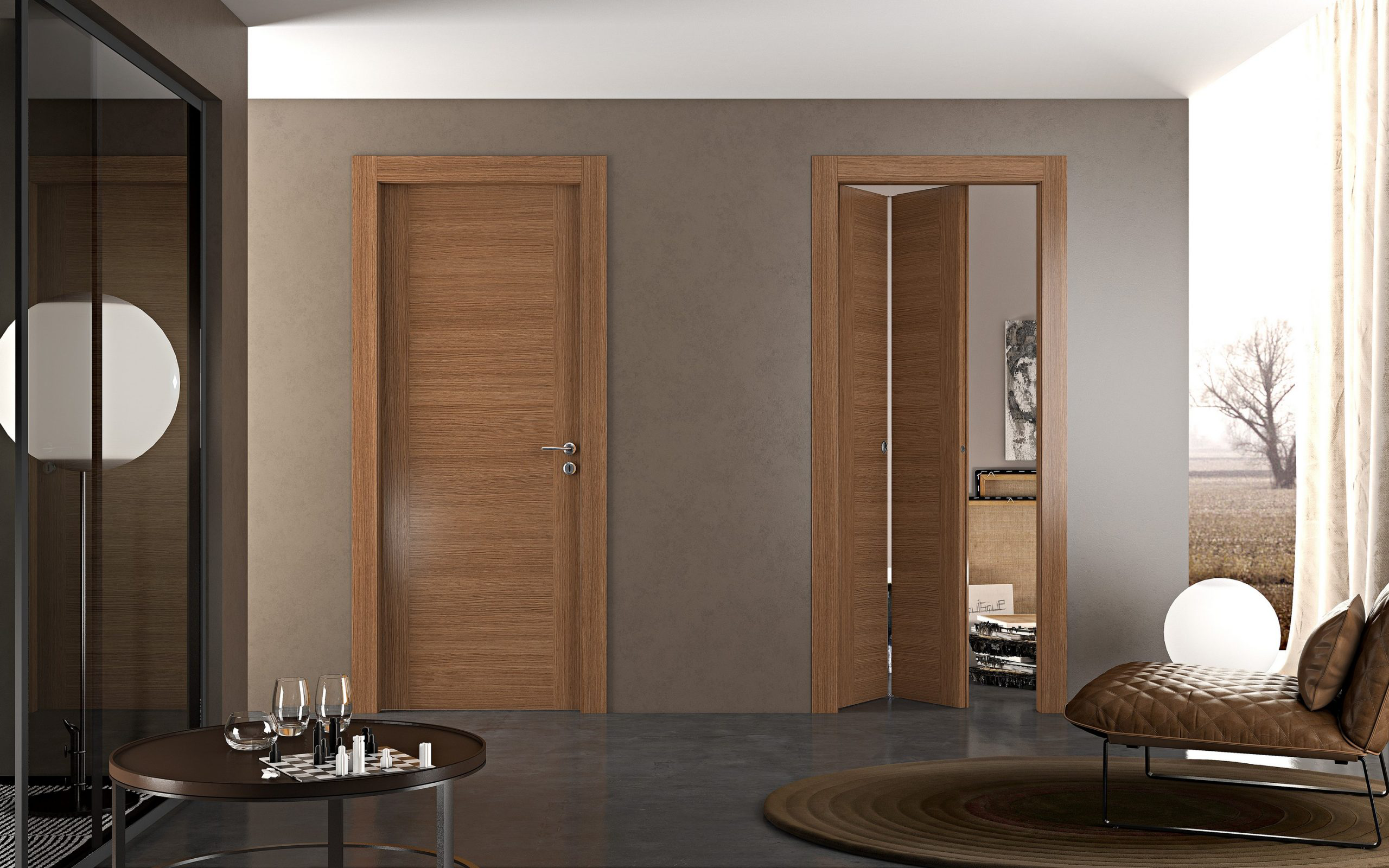
Hidden Doors for Small Spaces
One of the main advantages of a pocket Interior Door is that it can act as a hidden or discreet door. When fully open, the door slides completely into the wall, almost disappearing from view. This is especially helpful in apartments, studios, or homes where every inch of space counts.
Pocket doors also allow homeowners to make the most of small rooms. Without a swinging arc, furniture can be placed closer to the doorway, making hallways feel wider and more open. It is a smart choice for modern homes that aim for efficiency without compromising on design.
Because the door is hidden when open, it can also create a subtle, sophisticated look. Some designs include flush panels or painted finishes that blend perfectly with the wall, making the interior door feel like an integrated part of the room.
Functional Yet Stylish
A pocket Interior Door is both practical and attractive. The sliding mechanism makes it easy to operate, and modern hardware ensures smooth, quiet movement. Many homeowners love the combination of functionality and aesthetic appeal that pocket doors provide.
These doors also offer flexibility in styling. You can choose frosted glass panels for bathrooms, sleek wood veneers for bedrooms, or painted panels to match your trim. This allows a pocket interior door to enhance a room’s overall look while remaining highly functional.
Finally, pocket doors can complement any interior design theme. From contemporary lofts to traditional homes, they provide a streamlined, modern feel without taking up space. With careful selection of materials and finishes, a pocket interior door can be a subtle yet powerful design feature.
Interior Door Hardware and Accessories
Modern Handles and Knobs
Handles and knobs are small details that make a big difference in an Interior Door. They are not just functional; they also contribute to a room’s style and feel. Choosing the right hardware can enhance modern, classic, or minimalist interior doors, making them look polished and complete.
Modern interior door handles come in many shapes, sizes, and finishes. Lever handles are popular for sleek, contemporary doors, while round knobs often work well for traditional or transitional styles. No matter the type, good hardware should feel sturdy in the hand and operate smoothly for daily use.
Another benefit of updating interior door hardware is the ability to change the room’s look without replacing the whole door. Swapping out old knobs or handles with new, stylish pieces can refresh a space quickly and affordably.
Chrome, Brass, Matte Black
Brass, chrome, and matte black finishes are some of the most popular choices for modern Interior Door hardware. Brass adds warmth and a touch of luxury, making it ideal for classic or mid-century modern interiors. Chrome offers a clean, reflective surface that works well in contemporary or minimalist homes.
Matte black has become a favorite in recent years. It provides bold contrast against light doors and walls and pairs nicely with industrial or modern farmhouse décor. Matte-black handles or knobs also hide fingerprints better than shiny finishes, keeping doors cleaner.
Many homeowners mix and match finishes depending on their style. For example, brass knobs on wood interior doors give a traditional feel, while chrome or black handles can make a minimalist door pop. Choosing the right finish helps pull the room together and highlight the door as a design feature.
Minimalist vs. Statement Pieces
When selecting hardware for an Interior Door, consider whether you want something subtle or eye-catching. Minimalist handles and knobs feature simple shapes, clean lines, and muted finishes. They blend seamlessly with the door and other design elements, making them perfect for modern or Scandinavian interiors.
Statement pieces, on the other hand, draw attention. Oversized knobs, unique shapes, or bold finishes can turn a door into a focal point. A statement handle or knob works well on a single interior door that you want to highlight, such as a pantry, study, or main bedroom.
Ultimately, the choice between minimalist and statement interior door hardware depends on the room’s style and the overall mood you want to create. Minimalist handles keep spaces calm and cohesive, while statement pieces add personality and flair without changing the door itself.
Hinges, Tracks, and Slides
When people think about an Interior Door, they often focus on the design, color, or material. However, the hardware behind the door is just as important. Hinges, tracks, and sliding systems help an interior door open and close smoothly every day. Without quality hardware, even the most beautiful door may not perform well.
Traditional hinged interior doors rely on strong and properly installed hinges. Meanwhile, barn doors, pocket doors, and sliding interior doors use tracks and rollers to move along a rail system. Choosing durable hardware can improve performance, reduce wear, and extend the door’s lifespan.
It is also worth investing in hardware that matches the weight and size of your interior door. A well-balanced system creates a smoother experience and helps prevent common problems such as sticking, sagging, or noisy operation over time.
Soft-Close Mechanisms
Soft-close technology has become a popular upgrade for modern Interior Door systems. Instead of slamming shut, the door slows down gently during the final part of its movement. This creates a quieter and more controlled closing action.
Many homeowners choose soft-close interior door hardware for bedrooms, home offices, nurseries, and other spaces where noise reduction matters. It helps protect the door, frame, and hardware from repeated impacts, reducing long-term wear and tear.
Another benefit is convenience. A soft-close interior door feels more refined and premium during everyday use. Whether installed on a sliding door, pocket door, or barn-style interior door, the mechanism adds comfort while improving the overall user experience.
Smooth Operation Tips
A well-functioning Interior Door should open and close effortlessly. One of the easiest ways to maintain smooth operation is to inspect hinges, tracks, rollers, and screws regularly. Tightening loose hardware can prevent many common door issues before they become bigger problems.
Keeping track of and cleaning moving parts is also important. Dust, pet hair, and debris can accumulate over time, affecting the movement of a sliding interior door. A quick cleaning every few months can help keep the system running smoothly.
Finally, proper lubrication can make a noticeable difference. Applying a suitable lubricant to hinges, rollers, and tracks helps reduce friction and unwanted noise. Combined with routine maintenance and quality hardware, these simple steps can keep your interior door operating smoothly for years to come.
Locks and Privacy Options
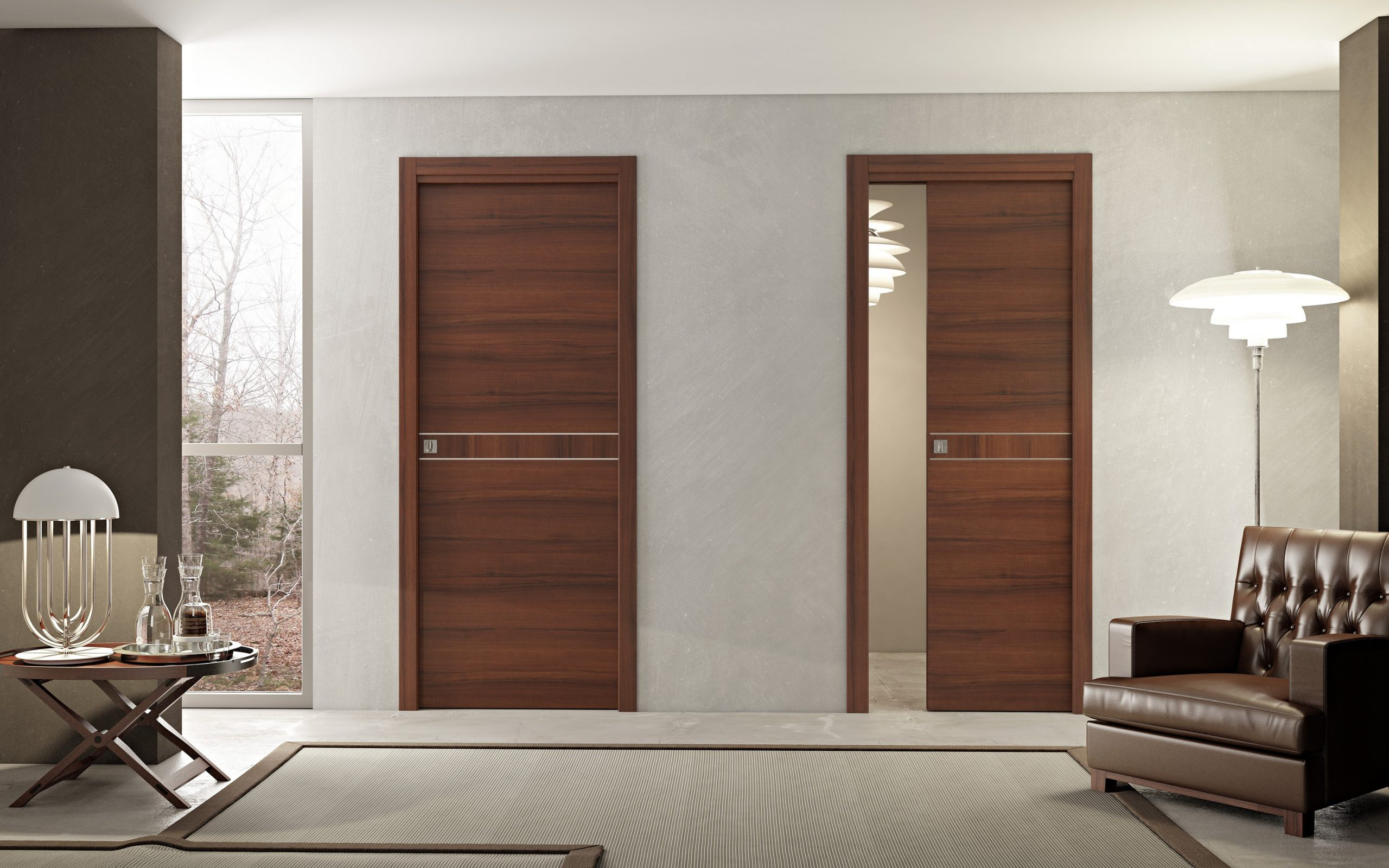
Locks play an important role in any Interior Door setup. While exterior doors focus on security, interior door locks are usually designed to provide privacy, comfort, and convenience. The right lock can help create personal space while still allowing easy access when needed.
Today, homeowners can choose from many types of interior door locking systems. Traditional privacy locks, push-button locks, thumb-turn locks, and modern smart locks are all common options. The best choice often depends on the room, the level of privacy required, and personal preference.
A good interior door lock should be easy to use, reliable, and visually consistent with the rest of the door hardware. Matching locks, handles, and finishes can create a more polished, cohesive interior design.
Bedroom and Bathroom Needs
Bedrooms and bathrooms are the most common places where a locking Interior Door is needed. In these spaces, privacy is usually more important than high-level security. As a result, many homeowners choose simple privacy locks that can be locked from the inside and opened from the outside during emergencies.
For a bedroom interior door, comfort and convenience are often the main priorities. A privacy lock helps create a personal retreat while maintaining a clean and attractive appearance. Lever handles with integrated locks are especially popular because they are easy to operate.
Bathroom interior doors have slightly different requirements. Moisture-resistant hardware is often a smart choice, especially in bathrooms with high humidity. Many homeowners also prefer simple thumb-turn locks because they are easy to lock and unlock without keys.
Bathroom interior doors have slightly different requirements. Moisture-resistant hardware is often a smart choice, especially in bathrooms with high humidity. Many homeowners also prefer simple thumb-turn locks because they are easy to lock and unlock without keys.
Smart Lock Technology
Smart technology is no longer limited to front doors. Today, many homeowners are adding smart features to their Interior Door systems as well. Smart interior door locks offer keyless entry, app control, and customized access settings, making them a convenient option for modern homes.
A smart lock for an interior door can be useful for home offices, rental spaces, storage rooms, or private areas within the home. Depending on the model, users may unlock the door using a smartphone, keypad, fingerprint scanner, or voice command.
Another advantage of smart interior door technology is flexibility. Many systems allow homeowners to create temporary access codes, track usage, or manage permissions remotely. As smart home technology continues to grow, smart locks are becoming an increasingly popular upgrade for homeowners who want both convenience and modern functionality.
Choosing the Right Interior Door for Each Room
Living Room and Open Spaces
The living room is often the heart of the home, so choosing the right Interior Door can have a big impact on both style and function. Unlike bedrooms or bathrooms, living rooms usually connect to other areas of the house. Because of this, the door should complement the overall design while helping maintain a comfortable flow between spaces.
In open-concept homes, many homeowners prefer interior doors that feel light and inviting rather than heavy and closed off. Glass doors, French doors, and modern sliding doors are popular choices because they create separation when needed without making the room feel smaller.
It is also important to consider how the interior door fits with furniture, flooring, and wall colors. A well-chosen door can tie the entire space together, making the room feel more polished and welcoming.
Statement Doors for Style
An interior door can become one of the most eye-catching design features in a living room or open space. Instead of blending into the background, these doors add personality and visual interest. A bold door design can instantly elevate a room’s overall look.
Many homeowners choose oversized panel doors, modern barn doors, or custom wood interior doors to create a focal point. Rich wood finishes, unique textures, and striking hardware can all help a door stand out while still complementing the surrounding décor.
Color is another way to make an interior door a statement piece. While white remains popular, black, charcoal gray, navy blue, and natural wood tones are increasingly common. These colors add depth and character without overwhelming the space.
Light-Enhancing Options
Natural light can make a room feel larger, brighter, and more comfortable. That is why many homeowners choose a light-enhancing Interior Door for living rooms and open areas. Doors with glass panels let sunlight flow between rooms and help reduce dark corners.
French doors, clear glass interior doors, and partially glazed doors are excellent options for maximizing light flow. They create a sense of openness while still providing a defined transition between spaces. This can be especially helpful in homes where some rooms receive less natural light than others.
Even if privacy is a concern, there are solutions. Frosted glass interior doors and textured glass panels allow light to pass through while limiting visibility. As a result, homeowners can enjoy a brighter interior without sacrificing comfort or functionality.
Bedrooms and Private Areas
Bedrooms and other private spaces have different needs than living rooms or shared areas. When choosing an Interior Door for these rooms, comfort, privacy, and noise control often become top priorities. A well-chosen bedroom interior door can help create a peaceful environment where people can relax, work, or sleep without distractions.
Many homeowners prefer solid-core or solid-wood interior doors for private spaces because they feel more substantial and provide better separation between rooms. These doors can also improve the home’s overall comfort by reducing everyday noise from hallways, living rooms, or nearby activities.
Style still matters, of course. The right interior door should complement the room’s décor while supporting its practical purpose. A balance between function and appearance often leads to the best long-term result.
Soundproofing and Privacy
One of the main reasons people upgrade a bedroom Interior Door is to improve privacy. Thin, hollow-core doors may allow sound to travel easily, making bedrooms feel less private. In contrast, solid core interior doors and solid wood doors can help reduce noise and create a quieter atmosphere.
Soundproofing is especially important for home offices, guest rooms, nurseries, and primary bedrooms. A heavier interior door can help block conversations, television noise, and other household sounds. Adding high-quality weatherstripping or door seals may further improve performance.
Privacy locks are another important feature for many private areas. A bedroom interior door with a simple privacy lock provides comfort without needing complex security hardware. Together, proper door construction and locking systems help create a more peaceful and personal space.
Coordinating Colors and Finishes
The color and finish of an Interior Door can influence the overall feel of a bedroom. Many homeowners choose soft, neutral tones because they create a calm, relaxing environment. White interior doors remain a classic option, while warm wood finishes remain popular for their natural character.
Matching the door finish with flooring, trim, furniture, or hardware can create a more cohesive design. For example, a walnut interior door may pair beautifully with wood furniture, while a painted interior door can complement modern or minimalist décor.
At the same time, some homeowners use bedroom interior doors as subtle design features. Matte black, deep gray, or natural oak finishes can add depth without overpowering the room. The goal is to choose an interior door that feels connected to the space while enhancing both style and comfort.
Kitchens and Bathrooms
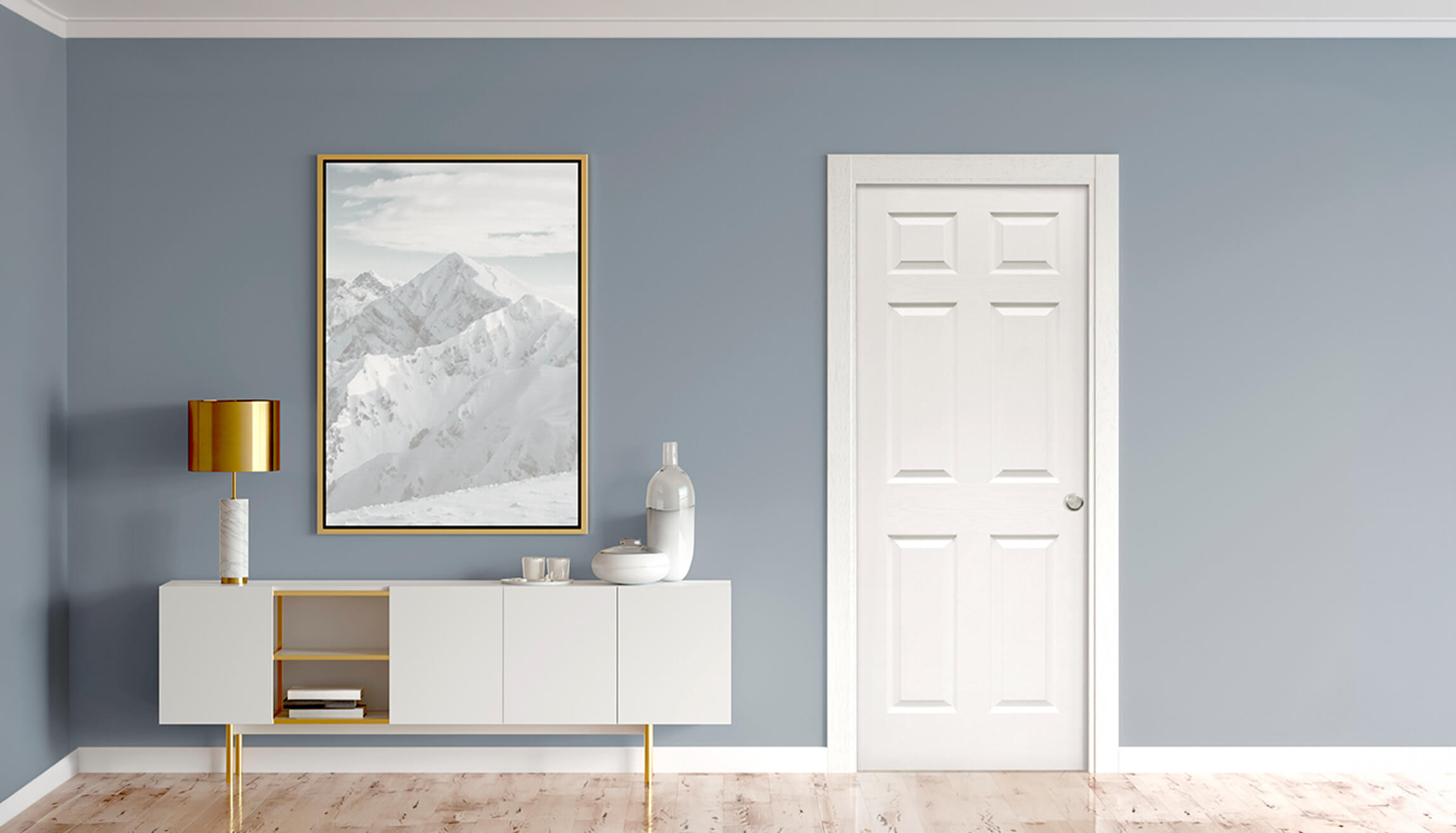
Kitchens and bathrooms have unique demands compared to other rooms. Choosing the right Interior Door for these spaces means thinking about moisture, humidity, and daily wear. A door that handles steam, spills, and temperature changes will last longer and look better over time.
Homeowners often select moisture-resistant interior doors for bathrooms and kitchens. Materials like solid-core MDF, engineered wood, PVC, or moisture-treated wood can withstand humidity better than standard doors. These doors prevent warping, swelling, or peeling, keeping your interior door functional and attractive.
In addition to materials, the design of a kitchen or bathroom interior door matters as well. Smooth surfaces, painted finishes, or laminate doors are easier to clean and maintain. They resist stains, splashes, and fingerprints, making daily upkeep quick and simple.
Moisture-Resistant Materials
Moisture-resistant Interior Doors are essential in rooms with high humidity. Bathrooms, laundry areas, and kitchens often experience steam, condensation, or sudden temperature changes. Using the right door material helps prevent damage and keeps doors aligned and smooth over time.
Engineered wood doors, MDF doors with water-resistant coatings, and PVC doors are excellent options. These materials expand and contract less than natural wood, making them ideal for wet or humid environments. Proper sealing around the edges also adds extra protection.
Selecting a moisture-resistant interior door ensures longevity and reduces the need for repairs or replacement. It also helps the door maintain its appearance and functionality, saving homeowners time and money in the long run.
Easy Maintenance Styles
For kitchens and bathrooms, easy maintenance is a key factor in choosing an Interior Door. Doors with flat panels, smooth finishes, or painted surfaces are the simplest to wipe down. Textured or highly detailed doors may collect dust or grime, making them harder to clean.
Hardware also plays a role in maintenance. Stainless steel, brushed nickel, or coated handles resist corrosion and fingerprints better than unprotected metals. Choosing the right finish ensures your interior door stays attractive without constant attention.
Finally, easy-to-maintain interior doors allow homeowners to focus on enjoying their home rather than spending extra time on cleaning or repairs. A practical, low-maintenance door can keep your kitchen or bathroom functional, fresh, and stylish for years.
Home Offices and Multi-Use Rooms
Home offices and multi-use rooms have become more important than ever. Whether the space is used for work, studying, hobbies, or occasional guests, choosing the right Interior Door can improve both comfort and functionality. The ideal door should help define the space while supporting the room’s changing needs.
Many homeowners look for an interior door that provides privacy without making the room feel isolated. Depending on the layout, options such as solid-core doors, glass-panel doors, pocket doors, or sliding interior doors can all work well. The best choice often depends on how the room is used throughout the day.
A well-chosen interior door can also enhance the room’s overall appearance. By matching the door style with the rest of the home, homeowners can create a space that feels intentional, organized, and comfortable for both work and relaxation.
Functional Design Choices
Function should be a top priority when selecting an Interior Door for a home office or flexible living space. If noise reduction is important, a solid core interior door can help create a quieter environment for video calls, meetings, or focused work. This can be especially useful in busy households.
For rooms that serve multiple purposes, space-saving options can be a smart solution. Pocket doors, barn doors, and sliding interior doors allow homeowners to use floor space more efficiently. These designs help improve traffic flow while keeping the room flexible and easy to adapt.
Storage and accessibility also play a role. A functional interior door should open smoothly, provide the right level of privacy, and fit naturally into the room layout. Choosing practical hardware and durable materials can make everyday use more convenient.
Maximizing Light and Space
A bright room often feels larger, more welcoming, and more productive. That is why many homeowners choose an Interior Door that helps maximize natural light. Glass-panel interior doors, French doors, and frosted glass doors can let light flow between rooms while still creating separate work areas.
In smaller home offices or multi-purpose rooms, a light-enhancing interior door can make a noticeable difference. Clear glass doors create a more open feeling, while frosted glass provides privacy without blocking daylight. Both options help reduce the closed-in feeling that some workspaces can have.
The right interior door can also improve the perception of space. Slim frames, clean lines, and modern glass designs help rooms feel less crowded and more connected to the rest of the home. As a result, homeowners can enjoy a space that feels both practical and visually appealing.
Relate FAQ
What are the most popular interior door styles for modern homes?
Modern homes often feature slab doors, shaker doors, barn-style sliding doors, French doors, and glass-paneled doors. Each style offers a unique aesthetic and functionality, from minimalist smooth finishes to decorative paneling that complements contemporary interiors.
How do I choose the right interior door style for my home?
Consider your room’s purpose, natural light needs, privacy, and overall interior design theme. For instance, glass-paneled doors enhance light flow, while solid wood doors offer more privacy and sound insulation.
What materials are best for interior doors in modern homes?
Solid wood, MDF, engineered wood, and tempered glass are commonly used. Solid wood adds luxury and durability, MDF is cost-effective and smooth for painting, and glass panels provide elegance and light diffusion.
Are sliding or pocket doors suitable for small spaces?
Yes. Sliding or pocket doors save space and provide a clean, minimalist look. They’re ideal for bathrooms, closets, and compact rooms where swing doors would be impractical.
Can interior doors improve energy efficiency or soundproofing?
Absolutely. Thicker doors, solid-core designs, and acoustic seals help reduce noise transfer and maintain indoor climate control, making your home more comfortable and energy-efficient.
How do I maintain modern interior doors?
Regular dusting, gentle cleaning with non-abrasive products, and occasional lubrication of hinges or sliding tracks keep doors functional and looking new. Wood doors may need refinishing every few years, depending on wear.
What are the current trends in modern interior door hardware?
Sleek matte black, brushed nickel, and stainless steel handles are trending. Minimalist lever handles, concealed hinges, and push-to-open mechanisms complement modern designs beautifully.
Can interior doors be customized to match modern interior styles?
Yes. Custom finishes, paneling, glass inserts, and paint colors allow homeowners to match doors to walls, cabinetry, or flooring. Many manufacturers also offer bespoke sizing for unique spaces.