What are the disadvantages of pivot doors?
What Are Pivot Doors?
Pivot doors are gaining popularity in modern architecture because of their sleek, minimalist look and unique functionality. They differ from traditional doors, offering both aesthetic appeal and practical benefits.
Understanding Pivot Door Design
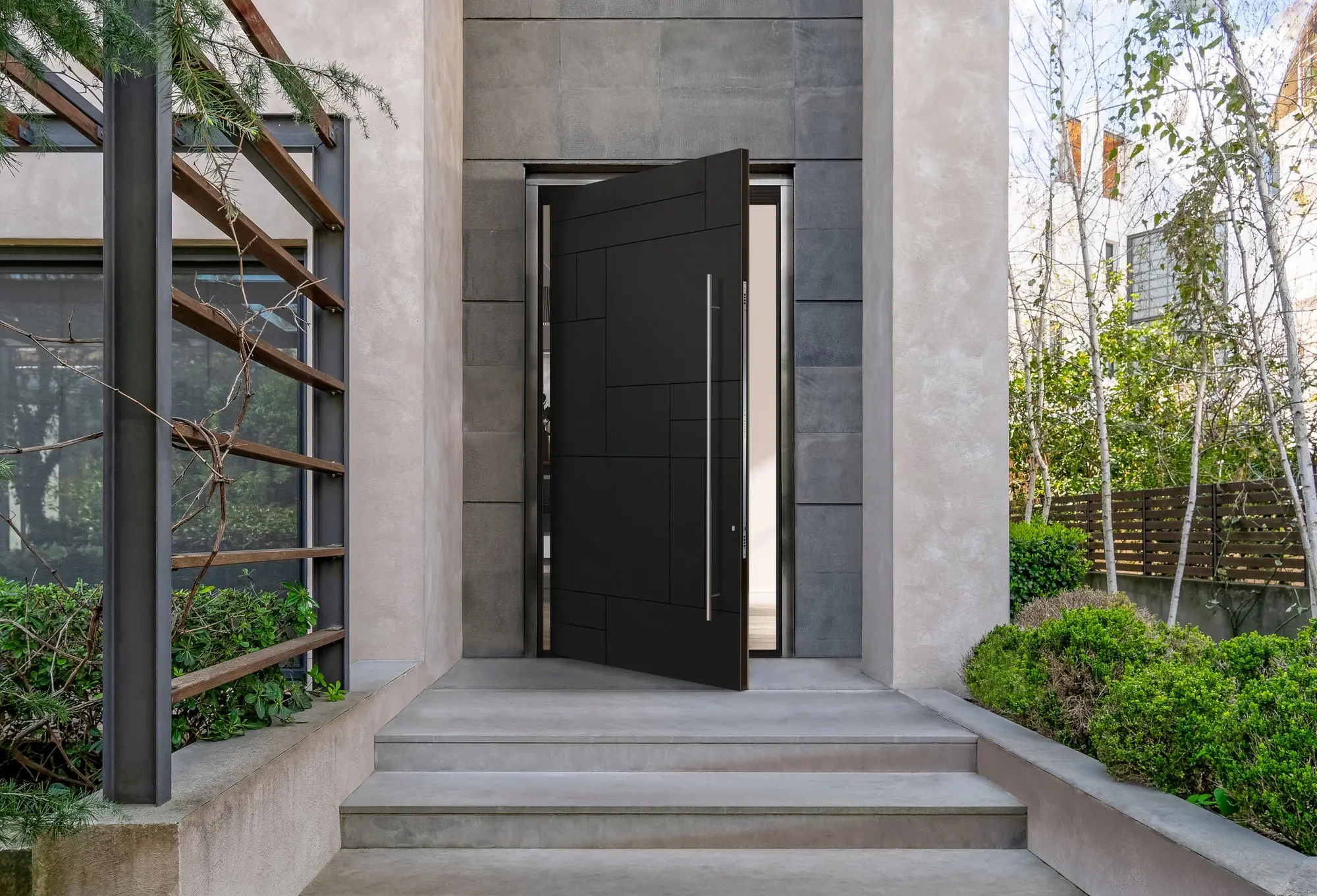
Pivot doors are quite different from the standard hinged doors you might be familiar with. Instead of swinging on hinges attached to the frame, pivot doors rotate around a central axis. This rotation point is typically located at the top and bottom of the door, allowing it to pivot smoothly.
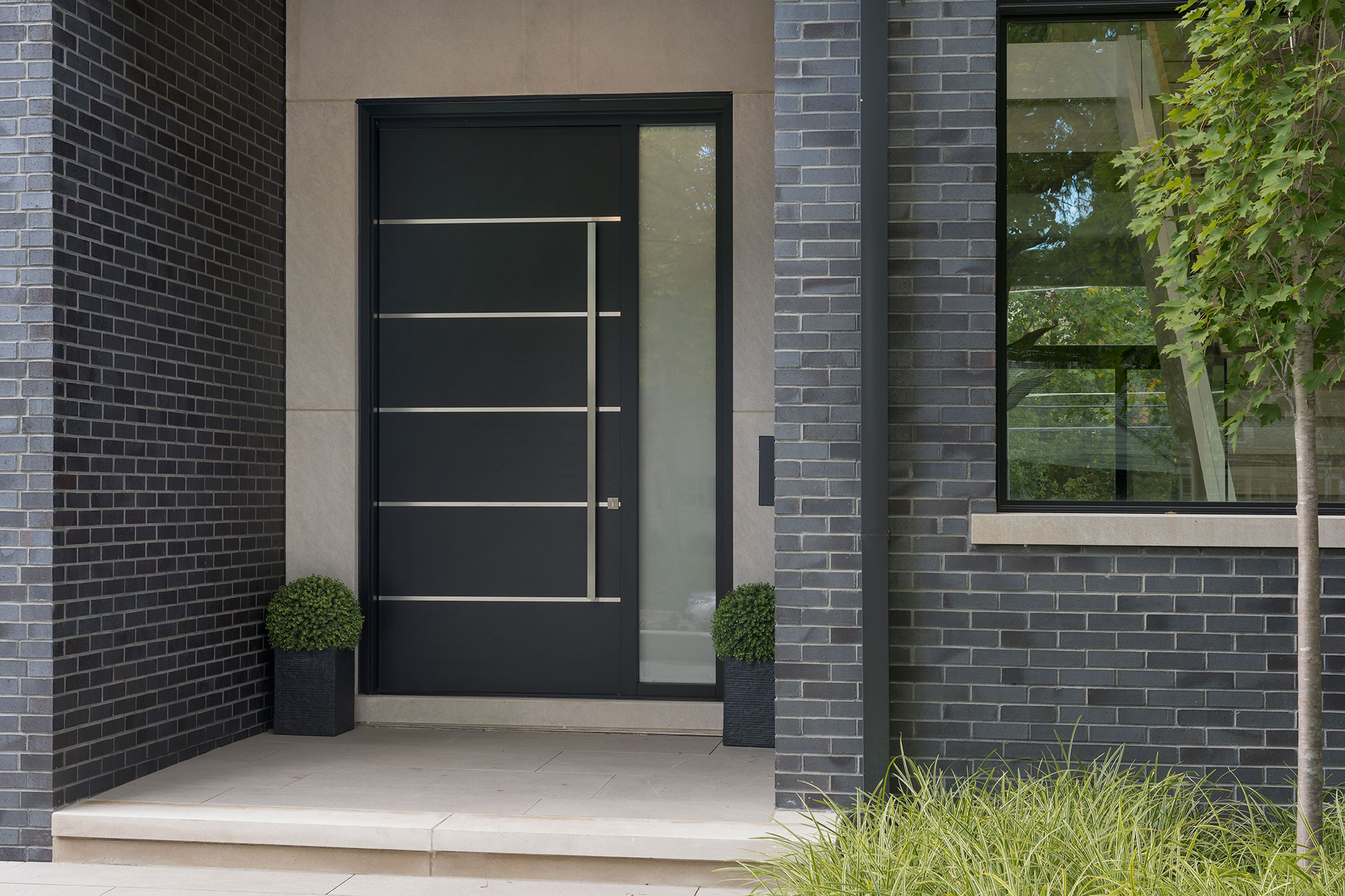
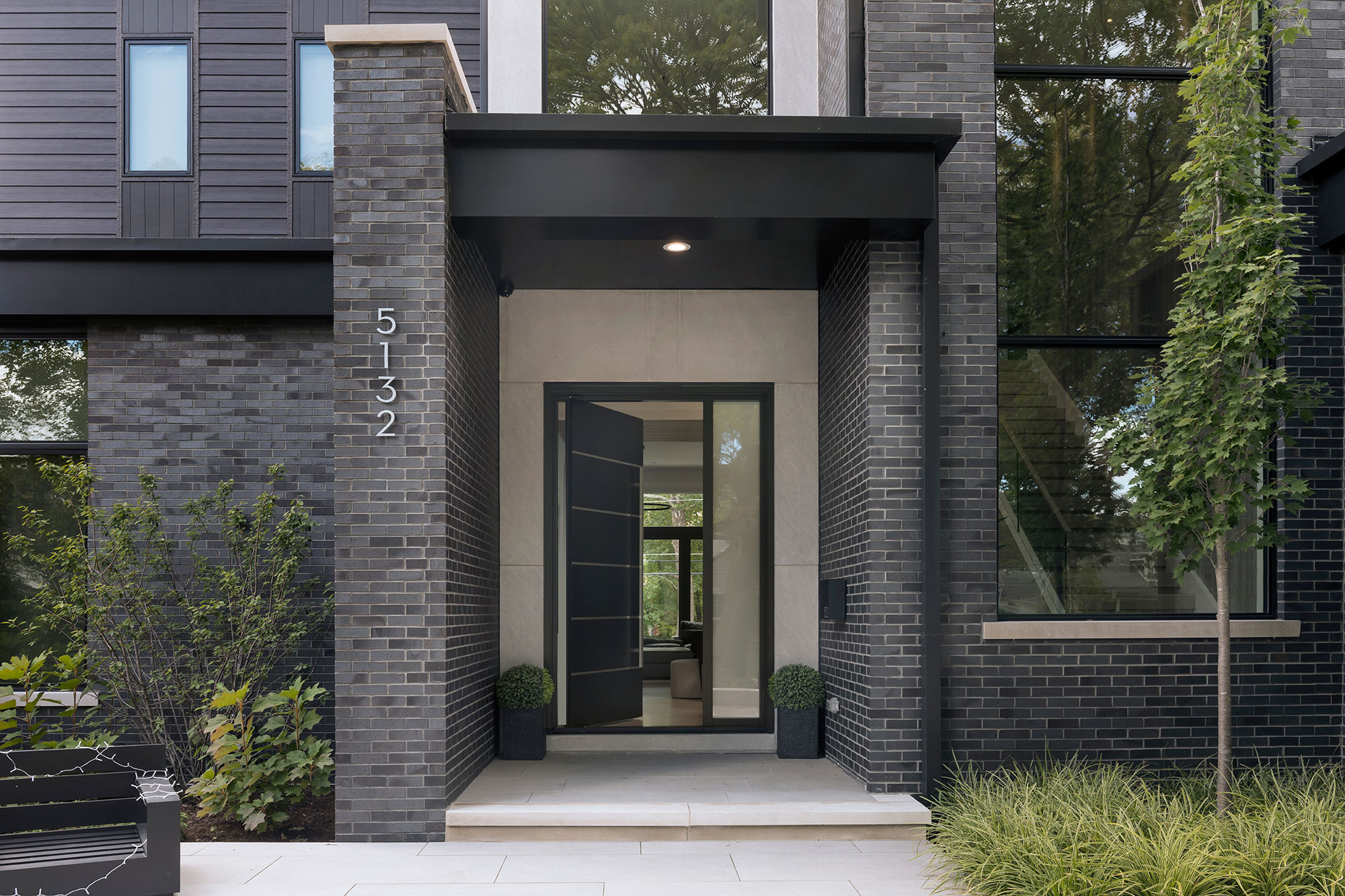
This design choice allows for a larger, more expansive door panel, often used to create a dramatic entrance or modern facade. Pivot doors are often found in contemporary homes, commercial spaces, and luxury buildings because they blend functionality with a clean, bold design.
What Makes A Pivot Door Different from Traditional Doors?
The primary difference between a pivot door and a traditional hinged door is in how they open. Traditional doors are attached to a frame by hinges, which allow the door to swing open in a typical arc. Pivot doors, however, rotate on a vertical axis, meaning the door itself is mounted on a pivot point. This allows the door to open with a smooth, almost effortless motion.
Pivot doors often have larger door leaves (the actual doors) than traditional doors, making them suitable for grand entrances. Unlike traditional doors, which must be sized to fit within a frame, pivot doors can be larger without compromising their function. Because they rotate, pivot doors can open more freely without worrying about clearance for a swing arc, a limitation with regular hinged doors.
Aesthetically, pivot doors often offer a modern, luxurious look. They can be made from a variety of materials, such as glass, wood, or metal, and can be custom-designed to match a space’s architectural style. They are particularly popular in high-end homes and commercial buildings where the emphasis is on visual impact and modern design.
Key Features of A Pivot Door
Several key features set pivot doors apart from their traditional counterparts:
- Larger Door Panels: Pivot doors can be made much larger than standard doors, often without the need for additional support. The central pivot point provides a stable axis, allowing a heavier, wider door to operate smoothly.
- Sleek and Modern Design: The minimalist look of pivot doors makes them a favorite in modern architecture. There are no visible hinges, creating a smooth, uninterrupted surface. This clean design works well with contemporary home styles.
- Smooth Operation: Thanks to their pivot mechanism, these doors open and close with minimal effort. The rotation is fluid, providing a unique user experience compared to traditional swinging doors.
- Versatility in Materials: Pivot doors can be made from a wide range of materials, offering homeowners a variety of options. Whether you prefer the classic look of wood, the industrial feel of metal, or the transparency of glass, pivot doors can accommodate a range of aesthetic choices.
- Enhanced Durability: Due to the central pivot system, these doors are often more durable than standard doors. The mechanism reduces wear and tear typically seen with traditional hinges because the weight distribution is more even.
- Space Efficiency: Since pivot doors don’t require a swinging arc, they are perfect for areas where space is limited. You won’t need to worry about furniture or other obstacles blocking the door’s movement.
Popularity of Pivot Doors
Pivot doors are increasingly chosen for their striking visual appeal and practical advantages. Unlike traditional hinged doors, pivot doors offer a fresh, modern look, making them a standout feature in both residential and commercial spaces. Their sleek design, larger sizes, and smooth operation have captured the attention of architects, designers, and homeowners alike.
Why Are Pivot Doors Becoming a Popular Choice?
The design flexibility of pivot doors also contributes to their popularity. Unlike traditional doors, which require a standard frame and hinges, pivot doors can be customized in a variety of materials, including wood, glass, or metal. This versatility allows homeowners and designers to create doors that suit their unique tastes and complement the space’s overall aesthetic. Whether you’re going for a minimalist look or something more bold and industrial, pivot doors offer countless possibilities.
Another reason for their rise in popularity is the functionality of the pivot mechanism. These doors are easy to operate and operate smoothly and quietly. Because they pivot around a central axis, there’s no need for the door to swing open in an arc, making them perfect for tight spaces where traditional doors would be impractical. As a result, pivot doors are now being used not just for entryways but also as interior doors for bathrooms, living rooms, and even large closets.
Moreover, pivot doors are seen as a sign of modernity and luxury. They can instantly elevate the style of any home or business, adding sophistication and elegance. In commercial spaces, these doors often serve as a focal point in the design, offering both functionality and style that attract attention.
How Do Pivot Doors Enhance Modern Architecture?
In modern homes, pivot doors help create open, airy spaces. Their ability to support larger door panels makes them ideal for expansive entryways or open-concept living areas. The large size of these doors can also be used to showcase beautiful materials, such as a stunning piece of wood or a panoramic glass view. Whether used as the main entrance or as an interior feature, pivot doors are a powerful design tool that complements the spacious, flowing feel of modern architecture.
Additionally, pivot doors can be used to connect indoor and outdoor spaces, enhancing the transition between the two. For example, a large glass pivot door can open to a patio or garden, offering unobstructed views of the outdoors while maintaining the clean, elegant lines of the interior design. This feature is particularly valuable in homes or offices that prioritize natural light and a connection with nature.
In commercial spaces, pivot doors can create a grand first impression. They add a touch of luxury and modernity, making businesses stand out. Whether in a high-end hotel, trendy office space, or upscale restaurant, pivot doors help set the tone for the overall experience. Their presence immediately communicates that the space is carefully designed with attention to detail, sophistication, and modern aesthetics.

What Are the Disadvantages of Pivot Doors?
While pivot doors are undeniably stylish and functional, they come with drawbacks. These can range from their higher initial cost to the complexities involved in installation.
Higher Initial Cost
Pivot doors are a significant investment compared to traditional hinged doors. The unique design and materials used in their construction often push their prices higher than those of standard doors. While this initial cost can be a downside for some, it’s important to weigh the long-term benefits of their functionality and aesthetic appeal.
Why Are Pivot Doors More Expensive Than Standard Doors?
The main reason pivot doors are more expensive than standard hinged doors is due to their design and mechanics. A traditional door typically uses simple hinges and a basic frame, which are cheaper to manufacture and install. On the other hand, pivot doors require a special pivoting mechanism to support their rotation. This mechanism is more complex and requires high-quality materials to ensure smooth operation, thereby increasing overall costs.
Additionally, the larger size of many pivot doors also contributes to the higher price tag. Unlike standard doors, pivot doors can be much larger, creating more expansive and dramatic entrances. The materials needed to make these larger doors – whether heavy wood, glass, or metal – also come with a premium price. This combination of size and special mechanics is what makes pivot doors a more expensive option.
Additional Factors Influencing the Cost: Materials and Hardware
The materials used in pivot doors also play a significant role in determining their cost. Pivot doors can be made from a variety of premium materials, including solid wood, glass panels, and custom metal frames. Each material has its own cost, and higher-end materials will naturally increase the price.
Moreover, the hardware required for pivot doors is often more advanced. For instance, the pivoting system, which includes specialized bearings, hinges, and the necessary hardware to ensure stability and smooth motion, tends to be pricier than standard door hardware. This specialized equipment adds both to the overall cost of production and installation.
If you opt for custom designs or specific finishes, like high-quality wood or a unique glass treatment, the cost can increase significantly. These customizations can turn a pivot door into a truly luxury feature, but they also add to the overall price.
Finally, if you plan to sell your home, replacing the front door is an affordable way to increase curb appeal and make a strong first impression on potential buyers. Even if your door isn’t technically at the end of its life, a fresh, modern door can boost your home’s value and make it more attractive to buyers.
Installation Complexity
While pivot doors offer great benefits, their installation is far more complex than that of standard hinged doors. The intricate mechanism and the precise alignment required for proper operation make professional installation almost always necessary. For homeowners who are looking for a quick, easy fix, this may not be the best option.
Why Pivot Doors Require More Intricate Installation?
Installing a pivot door requires greater precision than installing a traditional hinged door. Since the door rotates around a central axis, it needs to be carefully aligned to ensure smooth movement and proper weight distribution. If the door is not installed properly, it can lead to issues such as misalignment, difficulty in opening and closing, or even damage to the door or surrounding structure.
Additionally, pivot doors often require custom framing and specialized support systems. This means the doorframe itself may need to be built to specific dimensions or reinforced to accommodate the pivoting mechanism. This adds complexity to the installation process, which typically takes longer and requires more expertise compared to a traditional door.
Professional Installation and Potential Challenges
Due to the complexity of installing a pivot door, it is highly recommended to hire a professional installer with experience working with this type of door. While DIY installation is possible, it’s not recommended unless you have a strong understanding of how pivot doors work and the tools required for proper installation.
Even with a professional, challenges can arise during the installation process. For instance, ensuring the door is perfectly aligned can take time, as even slight misalignments can cause it to stick or operate unevenly. Additionally, since pivot doors are often larger and heavier than regular doors, handling and positioning them during installation can require special equipment and a second set of hands.
Space Requirements
While pivot doors are known for their sleek design and smooth operation, they do have specific space requirements that can limit where they can be installed. Unlike traditional doors, which open within the confines of their doorframe, pivot doors need more space to swing open properly.
Pivot Door’s Space Limitations for Proper Operation
One of the main space considerations with pivot doors is the area required for the door to rotate. Since pivot doors rotate, they need sufficient clearance around the door to function properly. This means that pivot doors can be difficult to install in spaces with limited room for movement, such as smaller foyers or narrow hallways.
The larger the door, the more space it may need to rotate freely. In some cases, pivot doors may not be suitable for apartments or homes with limited entryways. This is particularly important in areas where furniture or obstacles could block the door’s path when opening. Without enough space, the door may not open fully or may even cause damage to nearby objects.
Considerations for Homes with Limited Entry Space
If your home has limited entry space, it’s important to consider whether a pivot door is the right choice carefully. While pivot doors are often larger and more striking than traditional doors, they do require more room to operate smoothly. If you’re working with a smaller space, like a compact hallway or entryway, a pivot door may not be ideal.
In some cases, homeowners might opt for a smaller pivot door or one with a more compact pivoting mechanism to reduce the space needed. However, this could limit the door’s visual impact or overall functionality. It’s essential to balance the desire for a dramatic design feature with the practical needs of your space.
Common Problems with Pivot Doors
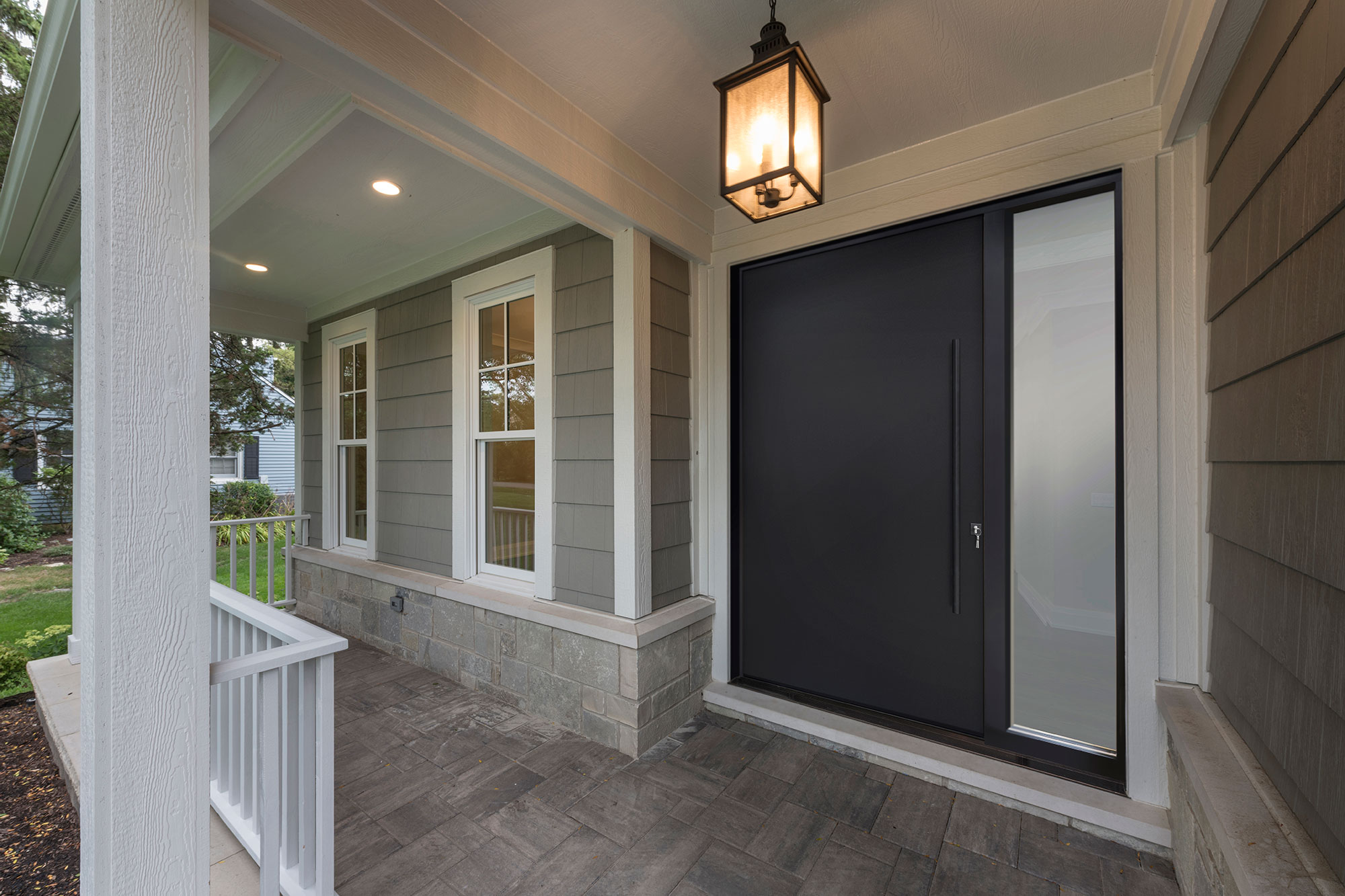
While pivot doors offer a stunning modern look and smooth functionality, they also come with their share of challenges. These doors, though attractive, may present issues related to design limitations, maintenance, and the risk of misalignment. Understanding these potential problems can help you better prepare for the realities of owning and maintaining a pivot door.
Limited Design Flexibility
Pivot doors are a popular choice in contemporary architecture, but their design flexibility isn’t as limitless as it may seem. While they can be customized to some extent, there are still certain constraints that could affect the overall look of your door and how it fits within your space.
How the Pivot Mechanism Can Limit Design Options?
The pivot mechanism, which is essential to the door’s operation, can limit the door’s design. Since the door rotates around a central axis, it needs a specific support structure that can affect the overall aesthetic. This mechanism can make it harder to incorporate intricate designs, especially if you’re aiming for a lightweight or frameless look.
For instance, pivot doors with heavy or complex mechanisms often require reinforcement at the top and bottom, which may limit style and material choices. If you want a door made of a very thin material or one with a completely seamless appearance, the pivot system could restrict how that vision can be achieved.
Additionally, the pivot door’s design may limit the number of decorative elements you can incorporate. While traditional hinged doors can easily accommodate decorative panels, glass inserts, or detailed hardware, a pivot door’s structure often requires a more streamlined, minimalist design to maintain smooth operation.
Potential Aesthetic Constraints Compared to Other Door Styles
Compared to traditional doors, pivot doors often lean towards a minimalist design to highlight their unique functionality. This can be a disadvantage if you want something more elaborate or traditional. The simplicity of a pivot door, while elegant, might not suit every style or décor.
For example, in more classic or ornate homes, a pivot door might feel out of place. Traditional doors, such as those with detailed moldings or panels, can offer more design variety, allowing homeowners to match the door style with various architectural elements. If you’re after something with a more intricate or historic style, pivot doors may not always align with your vision.
Maintenance Challenges
Pivot doors are built to last, but their unique hardware and mechanisms can pose maintenance challenges. Regular upkeep is essential to keep the door working smoothly and looking its best.
Pivot Door’s Unique Hardware and Its Maintenance Needs
The pivot door mechanism is made up of specialized hardware that differs from traditional door hinges. These pivot points require careful attention to ensure they continue to operate smoothly. Since pivot doors tend to be heavier than standard doors, the hardware is subjected to greater stress over time. This can lead to wear and tear, especially if the door is used frequently.
The bearings and pivots that allow the door to rotate smoothly need to be maintained to avoid squeaks, stiffness, or difficulty in movement. These parts can also accumulate dirt, dust, or moisture, which may impair their function. Regular cleaning and lubrication of these parts is key to prolonging the lifespan of a pivot door.
Furthermore, because these doors often use high-end materials, it’s important to clean them carefully to avoid damaging the surface. For example, if you have a glass pivot door, you’ll need to be extra cautious when cleaning to prevent scratches or streaks. While maintenance isn’t as frequent as with more traditional doors, it requires attention to the unique components that make up the pivot system.
Common Maintenance Issues: Hinges, Door Alignment, and More
Like any other door, pivot doors can experience issues over time. One common problem is with the door alignment. The central pivot system can shift or become misaligned due to regular use or environmental factors, leading to issues with the door opening and closing smoothly. If the door isn’t aligned correctly, it may drag along the floor or get stuck, making it difficult to operate.
Hinges (or rather, the pivot points) are another area where problems can arise. While pivot doors are designed for smoother operation than traditional hinged doors, the specialized pivots are not immune to wear. If the pivots are damaged or poorly maintained, they may cause the door to wobble or fail to open properly.
Another maintenance issue could arise if the door’s material becomes damaged. Since pivot doors often come in large sizes, their weight can put additional pressure on materials such as glass or thin wood. Over time, this pressure may cause bending, cracking, or warping, particularly if the door is not properly supported.
Risk of Misalignment
Proper installation is crucial for the optimal performance of a pivot door. If the installation is even slightly off, it can result in misalignment, leading to several operational issues. This is one of the most common problems faced by pivot door owners and can be difficult to fix once the door is installed.
The Importance of Precise Installation for Proper Door Alignment
The success of a pivot door largely depends on how accurately it is installed. Unlike traditional doors that rely on standard hinges, pivot doors require precise installation to open and close smoothly. The central pivot point must be perfectly aligned with the door frame to prevent any issues. If the alignment is even slightly off, it can lead to uneven pressure on the door, causing it to drag, make noise, or even malfunction.
Additionally, the door’s weight distribution needs to be considered during installation. Since pivot doors are often larger and heavier than traditional doors, evenly distributing the weight is essential to prevent strain on the pivot mechanism. Any imbalance can lead to a door that doesn’t function properly, making precise installation even more important.
How Misalignment Affects the Door’s Performance and Safety?
Misalignment doesn’t just affect the door’s operation; it can also compromise its safety. If the pivot door is misaligned, it may not close securely, leaving gaps that can let in drafts or even affect the door’s security. Over time, continued misalignment can accelerate wear on the pivot mechanism, leading to costly repairs or replacement.
Furthermore, when misalignment occurs, the door may not open or close evenly. This could create safety hazards, such as the door getting stuck in an open position or suddenly slamming shut. These issues can lead to accidents or damage to both the door and the surrounding structure. Proper installation is the best way to prevent these problems and ensure the pivot door remains in good working condition.
What Can Go Wrong with Pivot Doors Over Time?
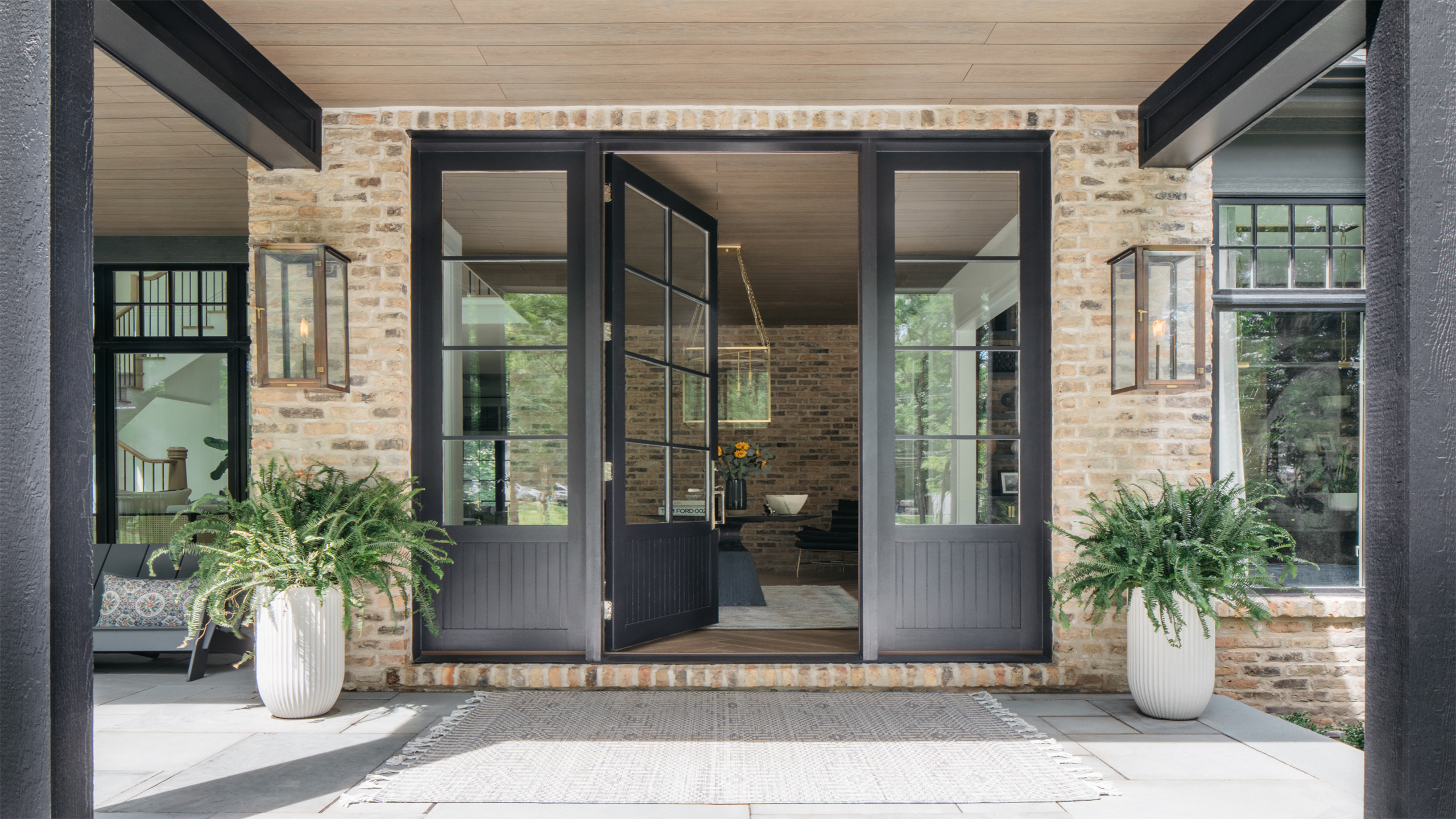
Pivot doors are designed to last, but like any door, they can face issues over time with frequent use. These problems may range from wear and tear on the pivot mechanism to potential damage to the surrounding walls or unwanted noise during operation. Understanding what can go wrong with pivot doors and how to address these issues will help you maintain their function and longevity.
Wear and Tear
As with any high-traffic feature in your home, pivot doors are prone to wear and tear over time. Due to their unique design, the pivot mechanism is especially susceptible to stress from regular use. While these doors are built for durability, consistent movement can lead to issues if not properly maintained.
How Frequent Use Can Cause Wear and Tear on the Pivot Mechanism?
Pivot doors feature a central pivot point that allows the door to rotate smoothly. However, the more a pivot door is used, the greater the pressure on this mechanism. Over time, constant rotation can cause the pivot system to wear down, leading to friction, stiffness, or even complete failure if not properly maintained.
The door’s material also plays a role. Heavier pivot doors, especially those made from dense materials such as solid wood or glass, place greater stress on the pivot mechanism. This extra weight can accelerate wear and tear, especially if the door is used frequently.
If the pivot point or bearings are not regularly cleaned, lubricated, or inspected, they can begin to grind, leading to uneven movement. This might cause the door to feel heavy, difficult to open, or noisy when in motion. It’s essential to keep the pivot mechanism well-maintained to ensure smooth operation and extend the door’s lifespan.
Common Long-Term Issues That May Arise
Several long-term issues may arise from wear and tear on pivot doors. One common problem is misalignment. As the pivot mechanism deteriorates, it can cause the door to hang unevenly or not close properly. This can create gaps between the door and the frame, allowing drafts to enter and reducing the door’s effectiveness as a barrier.
Another issue is the wear on the door’s surface. The constant friction of opening and closing the door can cause scratches or even dents on the material, especially if the door is large and heavy. Over time, this can affect the door’s aesthetic and require repairs or refinishing to restore its original look.
Potential for Damage to Surrounding Walls
Due to their size and rotation mechanism, pivot doors can sometimes cause damage to the walls or surrounding structure. If the door swings too widely or doesn’t have enough clearance, it may make contact with the wall or surrounding furniture, leaving scuff marks, dents, or even cracks in the wall.
How Pivot Doors Might Affect the Surrounding Structure?
When pivot doors open, they rotate around a central axis, which may require more space than traditional doors. If there is insufficient clearance, or if the door isn’t aligned correctly, it could strike the wall or furniture in the surrounding area. Over time, this repeated impact can damage both the door and the structure it opens into.
In some cases, the weight of a pivot door can also put pressure on the surrounding wall, especially if the door is large and heavy. The constant stress from opening and closing may cause the wall to shift or develop cracks, particularly if it’s made of weaker materials or isn’t properly reinforced.
Solutions to Prevent Wall Damage
To prevent damage to the surrounding structure, consider adding a protective bumper or stop mechanism to limit the door’s range of motion. These simple additions can prevent the door from swinging too widely and making contact with the wall. If the pivot door is used frequently, you can also install a soft-close system to prevent it from slamming into the frame.
Proper installation is also key to preventing wall damage. Ensuring the door has enough space to swing without obstruction, and that it’s installed with the correct weight distribution, will reduce the risk of accidental contact with the wall. If you’re installing a pivot door in a smaller space, consider a narrower or lighter door to avoid added strain on the surrounding structure.
For added protection, you could also reinforce the area around the door with stronger materials or additional support, especially if the door is large or made from heavy materials like glass or solid wood. This will help distribute the weight more evenly and reduce the risk of wall damage.
Possible Noise Issues
Another issue pivot doors may face is noise during operation. While these doors are designed to open smoothly, the pivot mechanism can sometimes produce unwanted sounds. This noise can range from squeaks and creaks to grinding or rattling sounds.
How the Pivot Door Mechanism Can Cause Noise When It Moves?
The noise from pivot doors often results from friction between the pivot point and the supporting bearings. Over time, dirt, dust, or moisture can accumulate around the pivot mechanism, leading to friction and resistance when the door moves. This friction can cause squeaking or grinding sounds that can be annoying, especially if the door is used frequently.
The weight of the door can also contribute to the noise. Heavier doors, such as those made of solid wood or metal, may place additional pressure on the pivot mechanism, resulting in more noise when the door is in motion. If the door isn’t perfectly aligned, the pivot mechanism may struggle, resulting in more noise.
Tips to Reduce Unwanted Sound During Operation
To reduce unwanted noise, it’s essential to regularly maintain the pivot mechanism. Cleaning and lubricating the pivot points can go a long way in reducing friction and keeping the door quiet. You can use silicone-based lubricants that won’t attract dust or dirt, ensuring the door operates smoothly without causing noise.
In addition, regularly checking the door’s alignment is important. Misalignment can add strain to the pivot mechanism, increasing noise during operation. If you notice any unusual sounds, it’s a good idea to inspect the door to ensure it’s aligned correctly and that no dirt or debris is interfering with the pivot system.
If noise persists despite maintenance, consider consulting a professional. They can assess the pivot mechanism, check for wear, and determine if any parts need to be replaced or adjusted to reduce the sound.

Alternatives to Pivot Doors
While pivot doors are a modern and stylish choice for many homes and businesses, they’re not always the right fit for every space or need. There are several alternative door styles to consider, each with its own set of advantages.
Traditional Hinged Doors
Traditional hinged doors are the most common and familiar type of door used in homes and commercial spaces. These doors swing open on hinges attached to the frame’s sides, making them a simple, classic choice. While pivot doors have gained popularity for their modern appeal, hinged doors still offer several benefits that make them a great option for many.
Pros and Cons of Standard Hinged Doors as a Comparison
Pros:
- Simplicity and Cost: Hinged doors are much more affordable than pivot doors. They have a simple design with basic hardware, which keeps their price down.
- Ease of Installation: Since hinged doors follow a straightforward design, they are easy to install and do not require the complex, custom installation required by pivot doors.
- Wide Variety: Hinged doors come in many styles, materials, and finishes, allowing customization to fit almost any aesthetic.
Cons:
- Limited Design Flexibility: Hinged doors require space to swing open, which can be restrictive in smaller areas or homes with limited entryways. The swinging arc also limits where you can place furniture and other items.
- Less Dramatic: While functional, hinged doors don’t offer the bold, contemporary look that pivot doors provide. They might not be as eye-catching or unique.
When to Choose a Hinged Door Over a Pivot Door?
Hinged doors are the better option if you’re working with a smaller budget, need a quick installation, or prefer a more traditional look. They are also ideal for areas where you don’t have the space for a large, pivoting door. If your entryway is narrow or you need to prevent the door from swinging into nearby furniture, a hinged door may be a more practical choice. Additionally, if you’re after a more classic or traditional style, hinged doors are a solid, reliable option.
Sliding Doors
Sliding doors are another alternative to pivot doors, offering a sleek, space-efficient solution. These doors glide open along a track, making them ideal for tight spaces where traditional doors might be too bulky. Sliding doors are often used for patios, closets, or any place where you want to save space while still enjoying easy access.
How Sliding Doors Compare to Pivot Doors in Terms of Space Usage?
One of the most significant advantages of sliding doors is their space-saving design. Unlike pivot doors, which require clearance to rotate fully, sliding doors move along a horizontal track, meaning they don’t need extra room to swing open. This makes them perfect for small rooms, apartments, or narrow hallways where every inch of space counts.
In comparison, pivot doors, though impressive and striking, require more clearance for smooth operation. They also need more space around the door for the pivot mechanism to function properly. Sliding doors eliminate the concern about door swing space, making them ideal in rooms with limited space or where maximizing usable area is crucial.
Advantages of Sliding Doors for Specific Areas
Sliding doors are perfect for areas where you want to maximize space without sacrificing functionality. They’re commonly used in:
- Patios and Balconies: Sliding doors open to the outdoors, bringing the outdoors in while saving space. They also provide a wider opening, offering better access and views.
- Closets: Sliding closet doors take up less space than hinged doors, making them ideal for bedrooms or rooms with limited space for door swings.
- Dividing Rooms: Sliding doors can serve as room dividers in open-concept spaces, allowing for flexible layouts while maintaining openness when needed.
Bi-fold Doors
Bi-fold doors are another great alternative, providing a balance between space-saving functionality and a sleek, modern design. These doors fold in on themselves as they open, making them a great option when you need to open up an entire space but don’t have room for a full door swing.
Benefits of Bi-fold Doors as an Alternative
- Space Efficiency: Like sliding doors, bi-fold doors are ideal for spaces where a full swing of a traditional or pivot door would take up too much room. They fold neatly, taking up minimal space when open.
- Wide Opening: When fully opened, bi-fold doors create a large, unobstructed entryway. This makes them perfect for areas like patios, large closets, or rooms that need flexible, wide access.
- Aesthetic Appeal: Bi-fold doors have a stylish, modern appearance. They can be made of various materials, including wood, glass, or metal, and can complement both traditional and contemporary spaces. Bi-fold doors are particularly popular for creating an indoor-outdoor connection, especially when made of glass panels.
How Bi-fold Doors Can Solve Space and Functionality Issues?
Bi-fold doors are great when you need to save space but still want the option to open up an area entirely. For example, they are often used in:
- Living Areas: In homes with an open-concept layout, bi-fold doors can be used to separate the living and dining areas or to close off a hallway without sacrificing space.
- Closets and Pantries: Bi-fold doors are often used for closet doors or pantry spaces where a traditional door would be cumbersome and take up too much room. They fold away neatly, allowing easy access to the contents.
- Indoor-Outdoor Transitions: Bi-fold doors are a popular choice for opening up living spaces to outdoor patios, gardens, or decks. When opened, they create a seamless flow between the indoors and outdoors, enhancing both functionality and visual appeal.
How to Overcome the Disadvantages of Pivot Doors
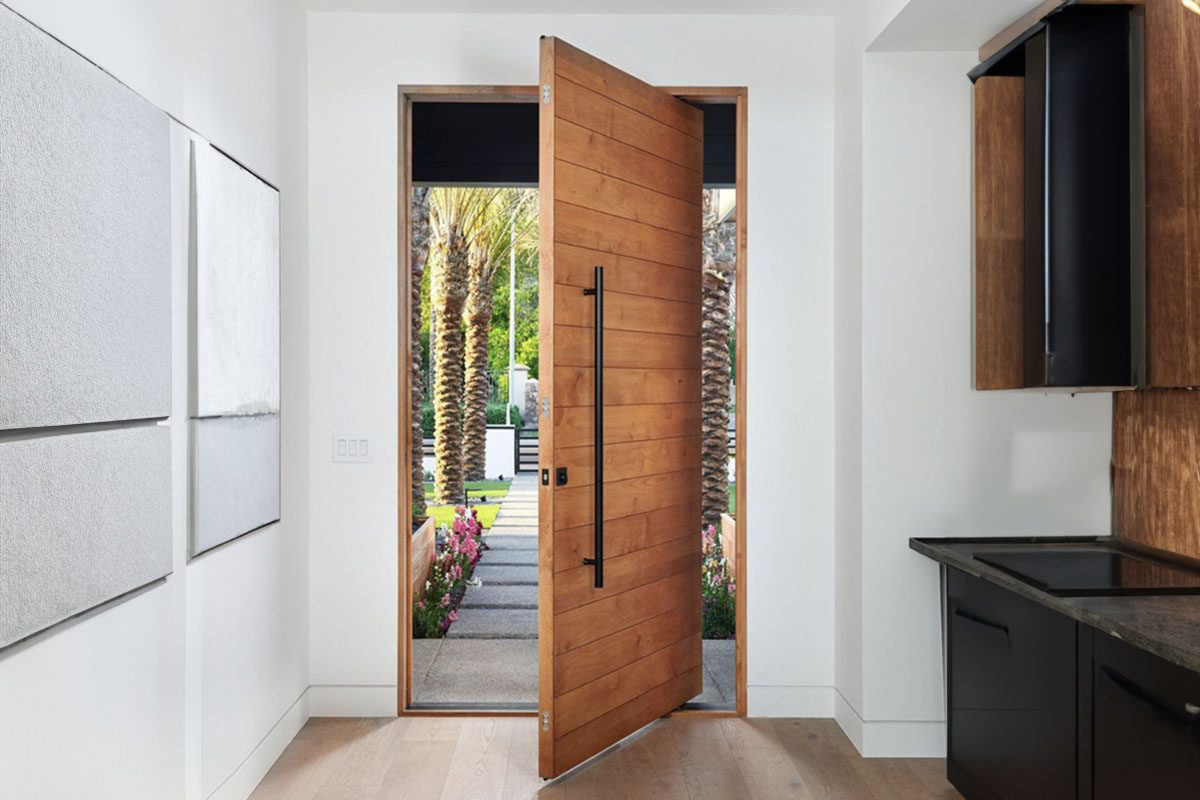
While pivot doors offer a sleek, modern look, they come with their own set of challenges, including higher costs, complex installation, and maintenance requirements. In this section, we’ll explore how choosing the right material, hiring a professional installer, and performing regular maintenance can help you overcome these common issues.
Choosing the Right Material
The material you choose for your pivot door can significantly impact both its longevity and its performance. By selecting the right material, you can reduce common issues such as wear and tear, noise, and potential damage to the door and surrounding structure.
How Selecting the Right Material Can Minimize Issues?
Certain materials are better suited for pivot doors because they are more durable, wear-resistant, and able to support the door’s weight without straining the pivot mechanism. Choosing a material that’s neither too heavy nor prone to warping will help ensure the door opens and closes smoothly without putting unnecessary stress on the pivot system.
For example, lightweight materials such as aluminium or high-quality fibreglass are often easier on the pivot mechanism, reducing the risk of wear over time. On the other hand, heavy materials like solid wood or thick glass may put more strain on the hardware, requiring more frequent maintenance and possibly causing the mechanism to wear out sooner.
Additionally, some materials may be more resistant to weather-related issues, such as humidity or temperature changes, that can affect the door’s alignment. For instance, materials like stainless steel or treated wood are less likely to expand or contract with moisture, helping maintain proper alignment and function.
Popular Materials for Pivot Doors and Their Benefits
- Wood: Solid wood pivot doors offer a classic, timeless look and are often highly customizable. Wood is a great choice for aesthetic appeal and insulation. However, it can be heavy and prone to warping if not properly treated or maintained.
- Glass: Glass pivot doors create an elegant, modern look and can make a space feel more open and connected to the outside. They’re perfect for contemporary homes. However, glass is heavy and requires precise installation to prevent cracking or misalignment.
- Metal: Materials such as stainless steel and aluminum provide strength and durability. Metal pivot doors are low-maintenance, modern, and weather-resistant, making them a great option for both interior and exterior doors.
Professional Installation Tips
One of the best ways to ensure your pivot door functions well over time is to hire a professional installer. While DIY installation may seem like a cost-saving option, the complexity of pivot doors makes them best suited for experienced professionals.
Why Hiring an Experienced Installer is Crucial?
Pivot doors require precise installation to ensure the pivot mechanism functions correctly. Even a small misalignment during installation can lead to issues such as difficulty in opening and closing, uneven weight distribution, and premature wear on the door and hardware. An experienced installer will know how to properly align the door, support its weight, and make any necessary adjustments to prevent future problems.
Professionals also have the right tools and expertise to handle the specialized hardware required for pivot doors. This ensures a smooth installation and that the door operates as intended. Additionally, hiring a professional can save you time and effort, allowing you to avoid potential headaches that may arise from a poorly installed door.
What to Expect During the Installation Process?
When hiring a professional to install a pivot door, the process generally involves several steps:
- Assessment of the Space: The installer will first assess the space to ensure it’s suitable for a pivot door. This includes checking for adequate clearance and making sure the framing and structure are up to code.
- Custom Measurements: Pivot doors often require custom measurements, especially when oversized. The installer will carefully measure the doorframe to ensure the door fits properly.
- Hardware Installation: The pivot mechanism is installed next. This can be a complex process, as it requires precise alignment and securing of the door’s pivot points.
- Final Adjustments: After the door is installed, the installer will make final adjustments to ensure smooth operation. They may test the door multiple times, checking for any sticking, noise, or alignment issues.
Regular Maintenance Tips
To ensure that your pivot door remains in top condition, regular maintenance is crucial. While pivot doors are designed to last, they require proper care to avoid common issues such as misalignment, wear on the pivot mechanism, or surface damage.
How to Keep Your Pivot Door in Optimal Condition?
Maintaining a pivot door involves several key steps to keep it functioning smoothly. First, check the pivot mechanism regularly to ensure that there is no dirt, debris, or moisture buildup. Keeping the pivot points clean and lubricated will prevent friction that could lead to wear.
It’s also important to regularly inspect the door for any signs of misalignment or structural issues. Check whether the door opens and closes smoothly and whether it is properly aligned with the door frame. If you notice any issues, it’s best to address them early to avoid more serious problems down the line.
Simple Maintenance Steps to Avoid Common Problems
- Clean the Pivot Mechanism: Use a soft cloth to remove dust and debris from the pivot points. You can also use a vacuum cleaner with a brush attachment to clean hard-to-reach areas.
- Lubricate the Mechanism: Apply a small amount of silicone-based lubricant to the pivot points. This will help the door move smoothly and prevent squeaks or grinding sounds.
- Inspect for Alignment: Periodically check the door’s alignment to ensure it remains properly positioned. If you notice any gaps or difficulty in closing, it may be time to make adjustments or contact a professional.
- Check for Surface Damage: Inspect the door’s surface for any scratches, dents, or cracks. If you notice any, take action quickly to prevent further damage. For wood doors, sanding and refinishing may be necessary. For glass or metal doors, you may need to replace damaged panels.
Conclusion
Recap of the Disadvantages of Pivot Doors
Pivot doors are often seen as a luxurious, bold design element, but there are a few factors you should keep in mind before deciding to install one in your home or business. The most notable disadvantages include:
1. Higher Initial Cost:
Pivot doors are more expensive than traditional hinged doors due to their complex design and high-quality materials. You’ll also need to factor in the cost of installation, as pivot doors typically require more specialized expertise.
2. Installation Complexity:
Installing a pivot door is more intricate than installing a standard door. The door must be carefully aligned, and the pivot mechanism must be installed properly. Any misalignment can lead to long-term functional issues.
3. Space Requirements:
Pivot doors need sufficient clearance to operate smoothly. This can be a disadvantage in spaces with limited room for door movement, as the pivot door requires more space than a traditional hinged door.
4. Limited Design Flexibility:
While pivot doors are highly customizable, the pivot mechanism can limit design options, especially with lighter or more delicate materials. This can be a constraint if you have a very specific design vision in mind.
5. Maintenance Needs:
Pivot doors have specialized hardware that requires regular maintenance. The pivot points and bearings need to be kept clean and lubricated to ensure smooth operation and to avoid wear and tear.
6. Risk of Misalignment:
Since pivot doors rely on precise alignment to function properly, there’s a higher risk of misalignment over time. This can make the door difficult to operate and may lead to more frequent repairs.
Thoughts on Whether a Pivot Door is Right for Your Space
When deciding whether a pivot door is the right choice for your space, several factors should be considered. While pivot doors are certainly striking and offer a modern, sophisticated look, they may not be ideal for every situation.
1. Space and Layout:
If you have ample space in your entryway or interior, a pivot door can be an excellent focal point, adding character and style. However, if your space is tight or cramped, consider an alternative, like a sliding door, which requires less room to operate.
2. Budget:
Pivot doors are an investment, so if you’re working within a specific budget, a more affordable option, such as a traditional hinged door or a sliding door, might be a better fit. Remember, the cost of the door is only part of the overall price—you’ll also need to account for installation, hardware, and potential future maintenance.
3. Aesthetic Vision:
Pivot doors are perfect for contemporary or modern spaces, but they may not blend well with traditional or ornate design schemes. If you’re going for a more classic look, a traditional hinged door might offer more design flexibility.
4. Long-Term Maintenance:
If you’re looking for a door that requires minimal upkeep, a pivot door might not be the best choice. The specialized hardware requires regular care and attention. If you prefer low-maintenance options, a standard hinged door or sliding door might be more appropriate.
Relate FAQ
What are the disadvantages of pivot doors?
- Higher Cost
- Complex Installation
- Limited Opening Width
- Maintenance and Repairs
- Space Requirements
- Weather Sealing
- Heavyweight
Are pivot doors energy-efficient?
While pivot doors are visually appealing, they might not always be the most energy-efficient option. Their size and construction may affect insulation, and without proper weatherproofing, they could allow heat loss or drafts.
How long do pivot doors last?
With proper maintenance and care, pivot doors can last for decades. The quality of the materials and hardware plays a significant role in the door’s longevity. Regular upkeep of the pivot mechanism is essential for smooth operation.
Can pivot doors be used in small spaces?
While pivot doors work well in larger spaces, they can also be used in smaller spaces, provided the design accommodates the necessary clearance. However, their wide swing radius can be a factor to consider when working with limited room.
Do pivot doors require special hardware?
Yes, pivot doors require specialized hardware, such as a strong pivot hinge, to ensure smooth operation. This hardware is often custom-designed for the specific dimensions and weight of the door.