What are the most popular interior doors for modern homes?
What Are The Most Popular Types Of Interior Doors Today?
When choosing the right Interior Door for a modern home, most homeowners look for a balance among style, function, and space use. Today’s interior doors are not just about separating rooms. They also shape how a home feels, how light moves, and how much space you actually save.
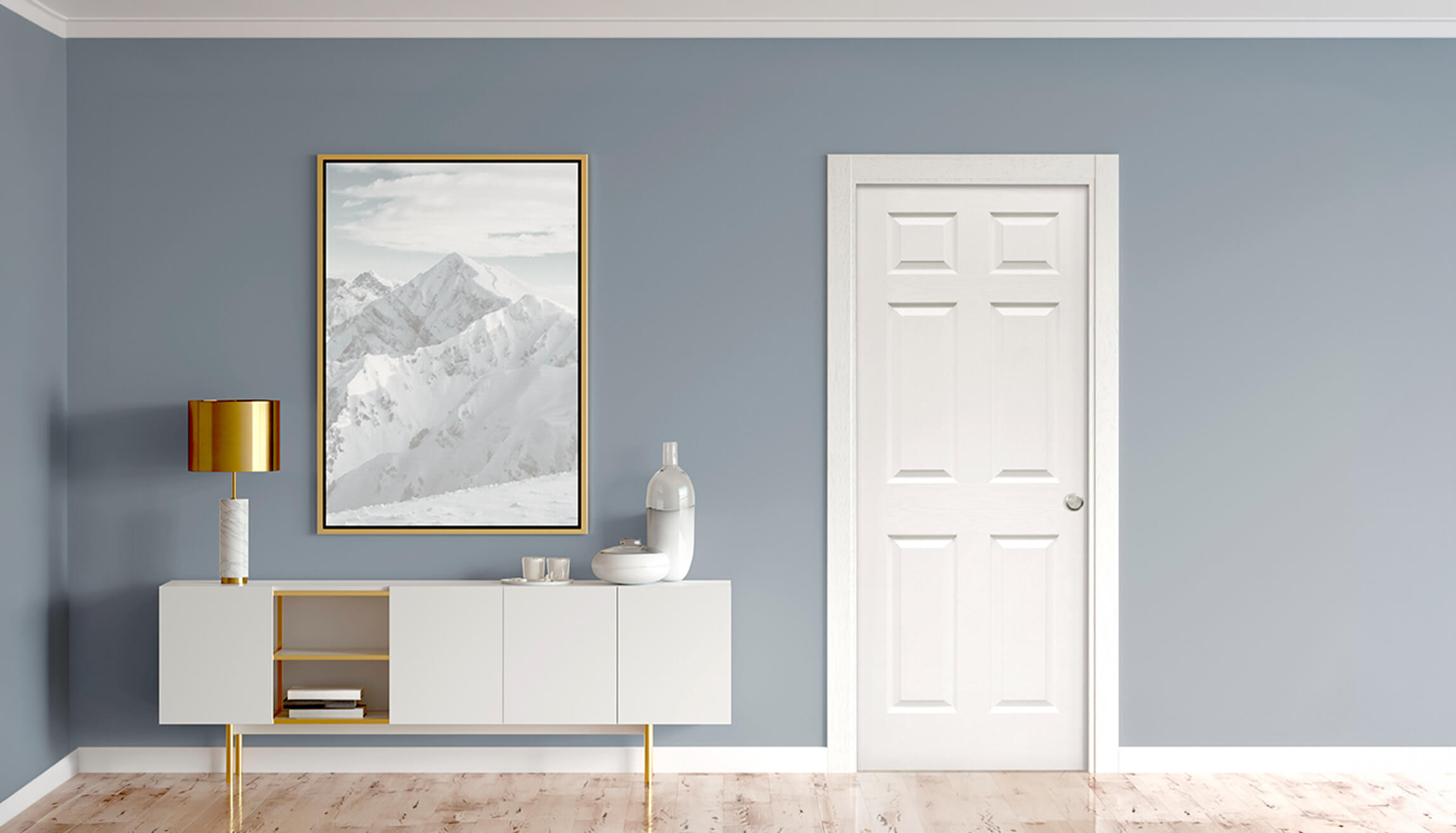
Panel Doors
Panel doors are among the oldest and most trusted types of Interior Doors used in residential homes. They come in structured designs like 2-, 4-, or 6-panel layouts, which add depth and a traditional feel to any space. Even in modern homes, they remain widely used because they are simple, strong, and easy to match with different interior styles.
These doors work well in almost every room, especially bedrooms, hallways, and living spaces where privacy matters. The solid frame structure provides good durability, making it ideal for long-term daily use. Many homeowners still choose panel interior doors when they want something reliable without overthinking design trends.
Another reason panel doors stay popular is flexibility. You can paint, stain, or customize them easily to match modern or classic interiors. Because of this, they often appear in searches like “best interior door for bedroom” or “classic interior door styles for homes.”
Flush Doors
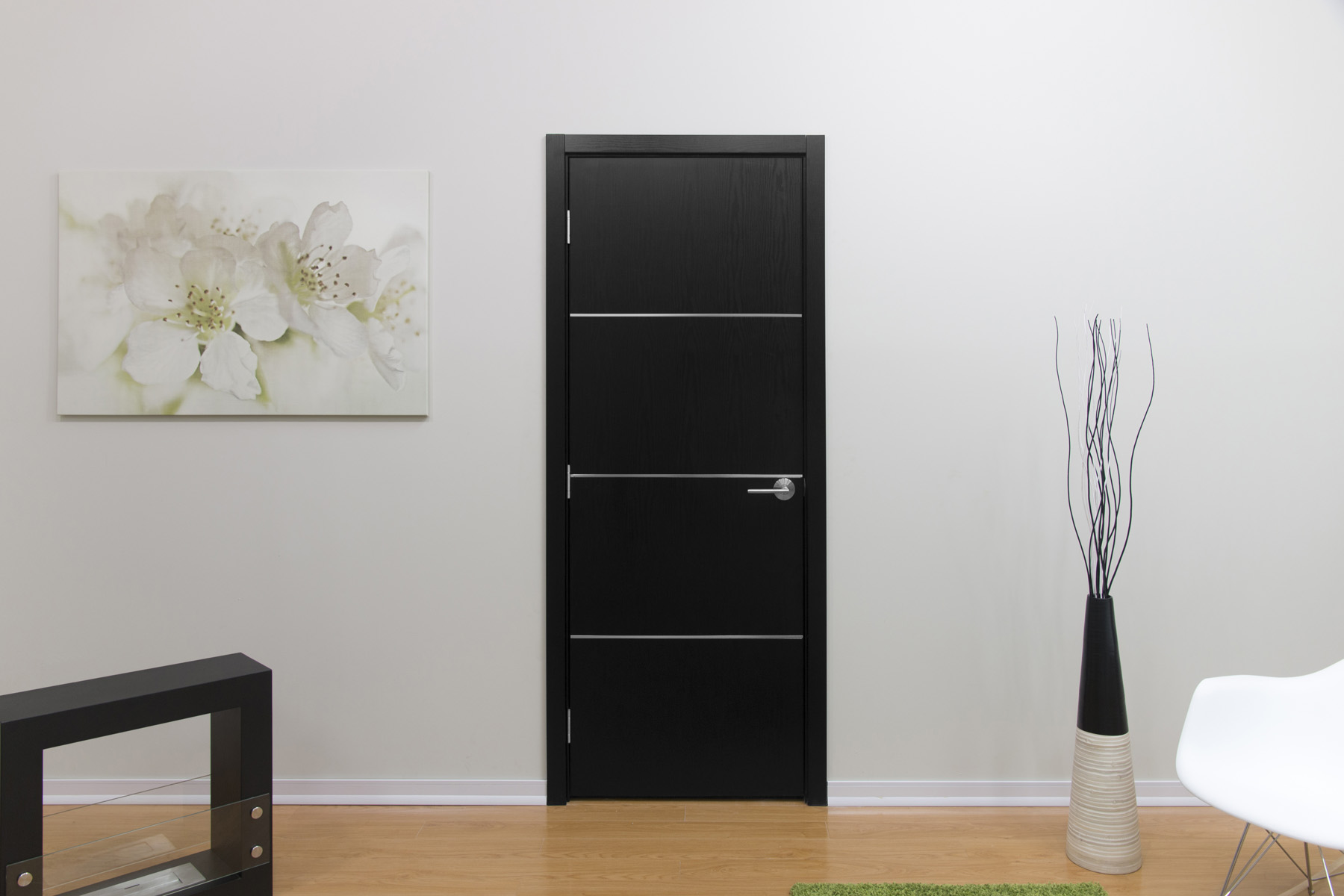
Flush doors are a very popular type of modern Interior Door, especially in new apartments and minimalist homes. They have a completely flat surface with no panels or decorative details, creating a clean, smooth look. This simple design makes them perfect for people who prefer a calm and uncluttered interior style.
These doors are usually made from engineered wood or MDF, which keeps them lightweight and cost-effective. At the same time, they still offer good strength for everyday use. Many interior designers choose flush interior doors when they want walls and doors to blend without visual distraction.
Flush doors also work well in small spaces where simplicity helps the room feel larger. They are commonly used in bedrooms, offices, and hallways. When people search for “modern interior door design” or “minimalist interior doors,” flush doors often appear among the top results.
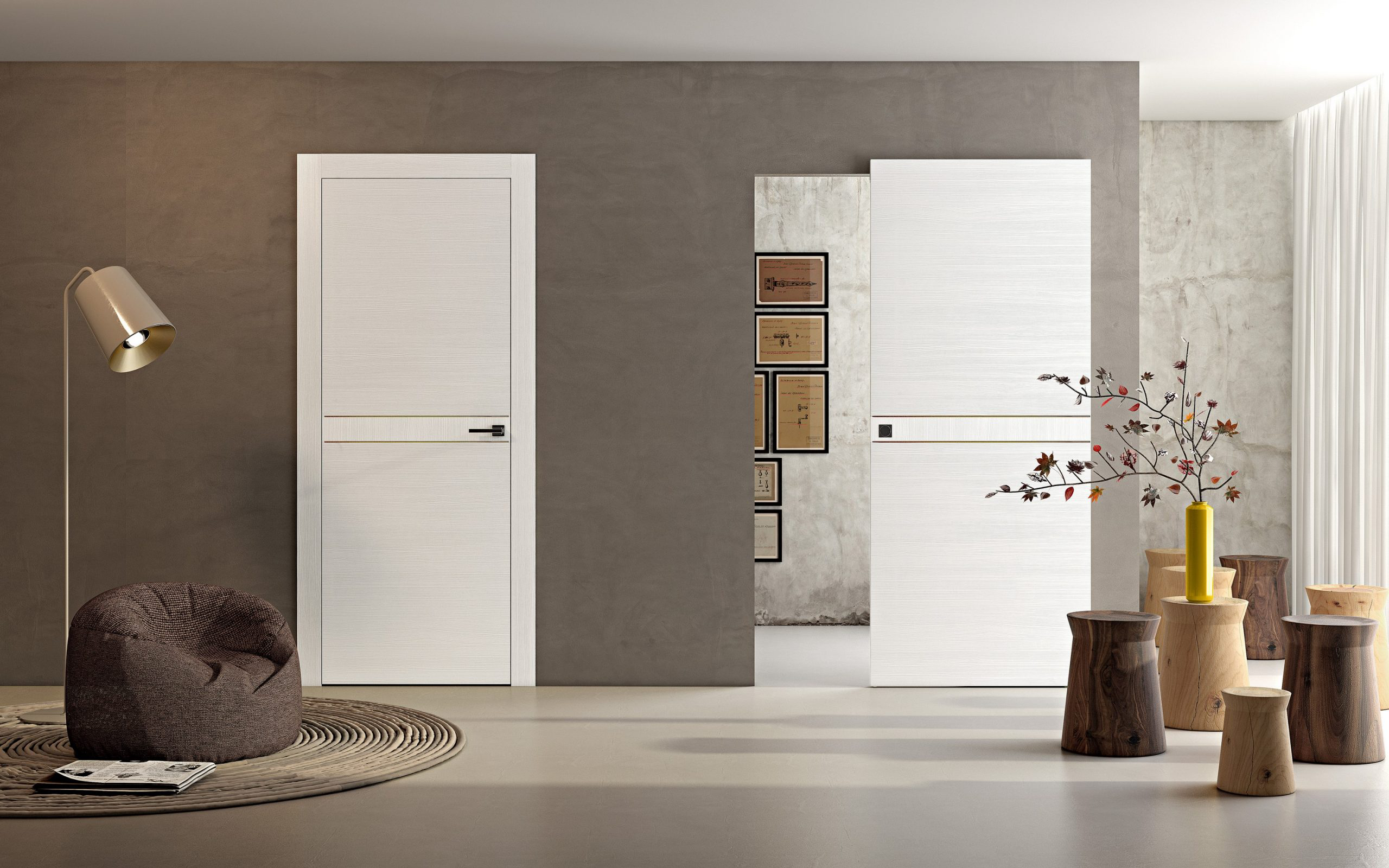
Sliding Interior Doors
Sliding doors are among the smartest types of Interior Doors for homes with limited space. Instead of swinging open, they move along a track or slide into the wall, which helps save floor space. This makes them extremely practical for modern apartments and compact home layouts.
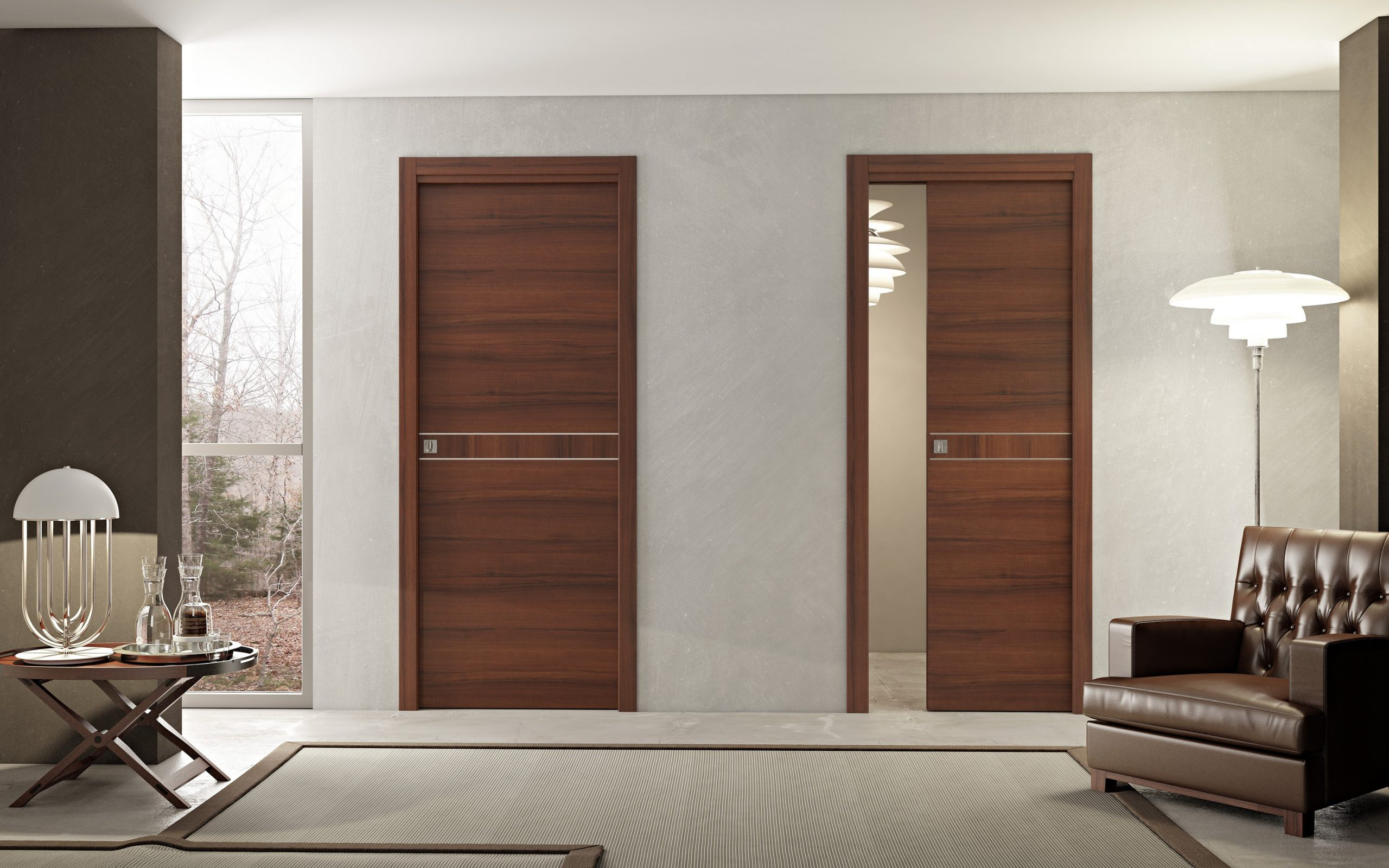
There are two main styles: barn sliding doors and pocket sliding doors. Barn doors slide on an external rail, while pocket doors disappear inside the wall. Both options are popular because they combine functionality with a modern design touch that feels stylish and practical at the same time.
Sliding interior doors are often used in closets, bathrooms, and small bedrooms. They are also common as room dividers in open-plan homes. Many homeowners search for “space saving interior door solutions” or “sliding interior doors for small rooms,” which shows how strong this trend has become.
French Doors
French doors are a more decorative and elegant type of Interior Door that focuses on light and openness. They usually come in pairs and feature large glass panels, which allow natural light to pass between rooms. This creates a brighter and more connected living space.
These doors are often used in living rooms, dining rooms, and home offices where style and visibility matter. Even when closed, French interior doors still make rooms feel open and spacious. That is why they are popular in both modern and traditional home designs.
Another advantage is their visual appeal. French doors add a touch of luxury without being too heavy or complex. They are often searched under terms like “interior doors for natural light” or “elegant interior door designs,” especially by homeowners who want a brighter home atmosphere.
Bi-Fold Doors
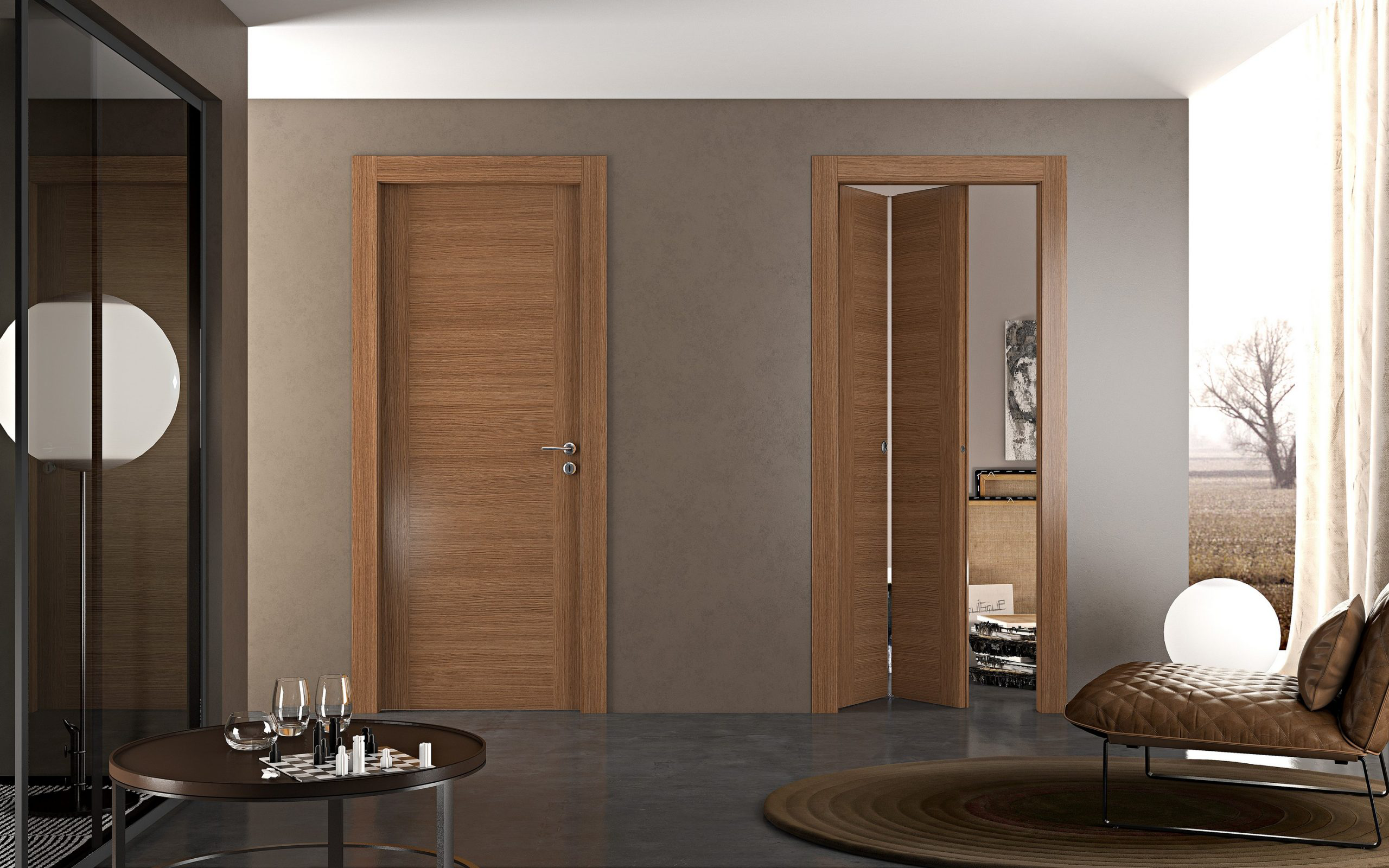
Bi-fold doors are a very functional type of Interior Door designed for flexibility and space efficiency. They fold in sections and slide to one side, making them ideal for areas where a full swinging door would take up too much space. This simple folding system makes them very practical for everyday use.
They are commonly used in closets, laundry rooms, pantries, and storage areas. While they are not always chosen for main living spaces, they are extremely useful in utility zones where access and space-saving matter more than design impact. Many homeowners rely on them for organization-heavy areas.
Bi-fold interior doors are also easy to install and maintain, which adds to their popularity. They are often searched as “best closet interior doors” or “folding interior doors for small spaces.” Their strength lies in convenience rather than decoration.
Louvered Doors
Louvered doors are a unique type of Interior Door designed with horizontal slats that allow air to flow through. This makes them different from most solid door designs. They are especially useful in spaces where ventilation is important, but full privacy is still needed.
These doors are commonly found in closets, laundry rooms, utility spaces, and storage areas. They help reduce moisture buildup and keep enclosed spaces fresh. This is why they are often used in warmer or humid climates where airflow is a key concern.
Louvered interior doors are not usually chosen for main rooms, but they are highly practical in functional spaces. People often search for “ventilated interior doors” or “best closet doors for airflow,” and louvered designs consistently rank among the top solutions.
What Interior Door Styles Are Trending In Modern Homes?
Modern Interior Door trends are moving fast, especially in new homes and renovations. Today, people don’t just want a door that opens and closes. They want style, clean design, and sometimes even safety features, like an internal door at bedroom, kitchen, or garage entry points inside the home.
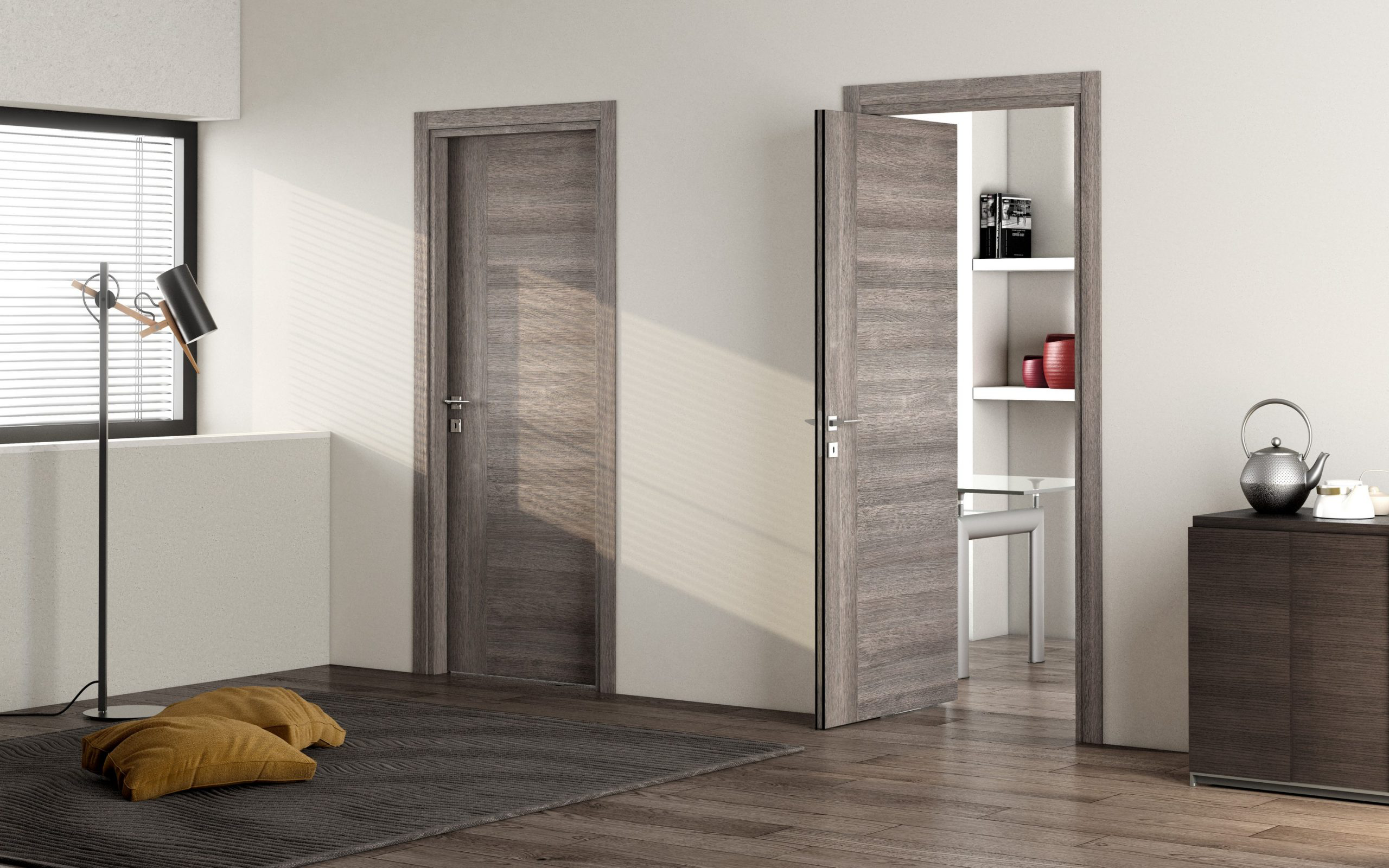
Minimalist Flat Doors With Hidden Frames
Minimalist flat doors are one of the strongest trends in modern Interior Door design. They come with a smooth surface and no visible frames, creating a clean, wall-like effect. This style fits perfectly in modern apartments and luxury homes where simplicity matters.
These doors often blend directly into the wall, making them almost invisible when closed. Because of this, many designers also pair them with Internal Door specifications, especially in hallways or bedrooms where safety codes are in effect. It gives both style and protection in one simple design.
Another reason people love this style is flexibility. You can paint them the same color as your wall, so the door disappears into the space. Searches like “hidden interior doors modern homes” and “minimal flush fire rated interior doors” are becoming more common.
Black-Framed Glass Doors
Black-framed glass doors are a bold, modern Interior Door trend inspired by industrial loft design. They use metal frames with clear or frosted glass panels that let in light while clearly dividing spaces. This creates a strong visual contrast in modern interiors.
These doors are often used between kitchens, living rooms, or home offices. They help keep spaces open but still structured. In some layouts, builders also use Internal Door glass systems, especially when safety regulations require separation between rooms or corridors.
People choose this style because it feels modern, slightly luxurious, and very open. It is often searched as “industrial interior glass doors” or “black metal frame interior door design.” It works especially well in urban homes and modern renovations.
Natural Wood Grain Finishes
Natural wood-grain doors bring a warm, organic feel to any Interior Door design. Instead of looking cold or flat, they show real texture and natural patterns. This makes the home feel more welcoming and connected to nature.
These doors are often used in living rooms, bedrooms, and even office spaces where comfort is a priority. Many homeowners also upgrade to Internal Door versions in wood finish, especially in multi-floor homes or apartments where building safety rules apply.
Wood grain interior doors are popular because they balance modern and traditional styles. Searches like “natural wood interior doors modern home” and “fire rated wooden interior door design” show how this trend connects beauty with safety and function.
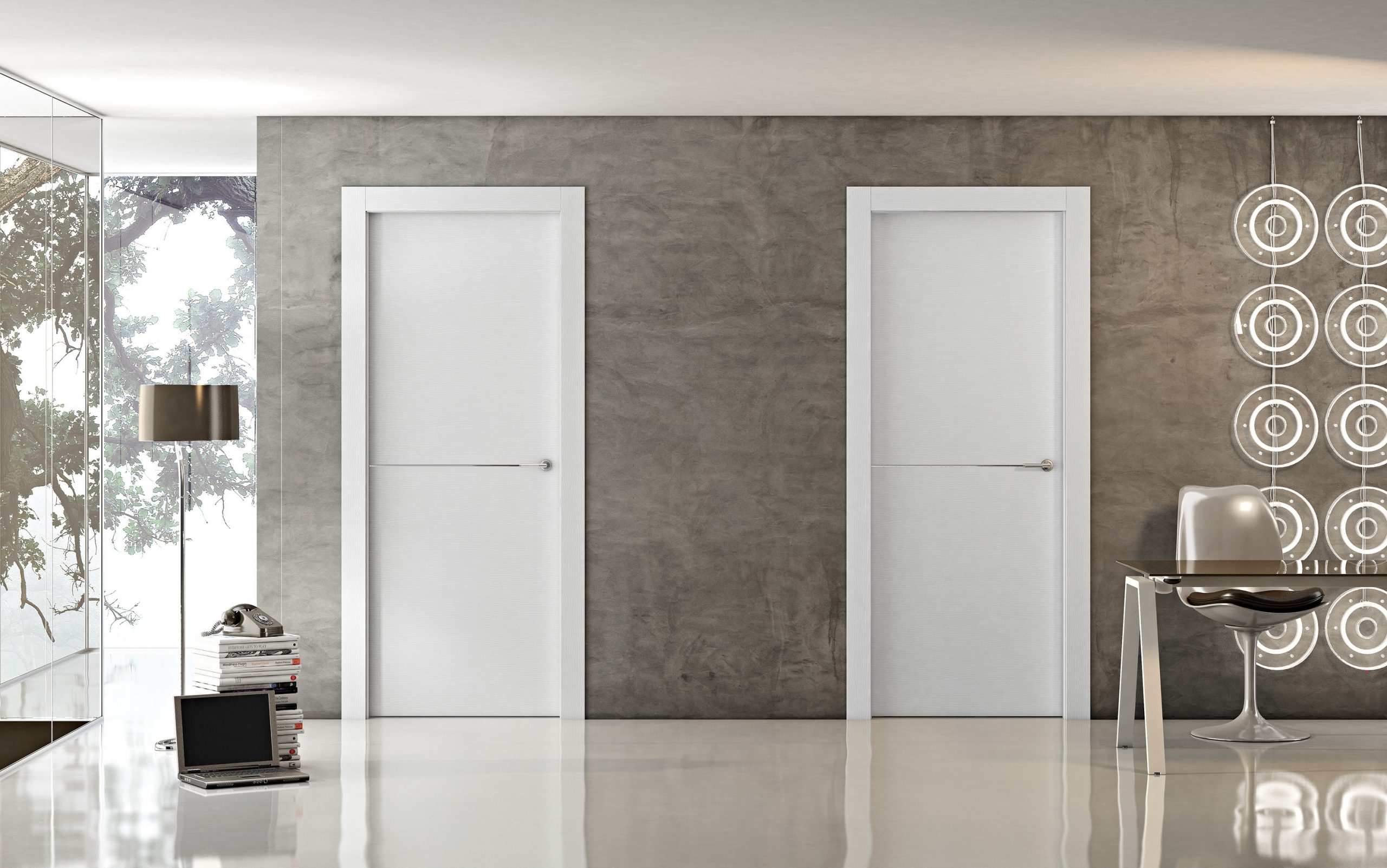
Matte White Doors
Matte white doors are a key part of Scandinavian-style Interior Door design. They focus on simplicity, brightness, and clean lines. The matte finish prevents shine, making the door feel both soft and modern.
These doors are often used in small homes or apartments where light and space matter. In many modern buildings, matte white doors are also available as Internal Door options, especially for bedrooms and corridors, providing both design and compliance in a single solution.
Homeowners like this style because it blends easily with any color scheme. Whether the walls are grey, beige, or wood-toned, matte white doors always fit in. That is why searches like “Scandinavian interior door white modern” are very common.
Flush Doors With Invisible Hinges
Flush doors with invisible hinges are one of the most premium Interior Door trends today. These doors sit perfectly flat with the wall, and the hidden hinges make the whole system look seamless and clean. This creates a high-end architectural feel in modern homes.
These doors are often used in luxury apartments, hotels, and modern houses where design detail matters. In many cases, builders also install Internal Door versions with concealed hardware, especially in commercial-style homes or high-end residential projects.
The biggest advantage is visual simplicity. There are no visible screws, no heavy frames, and no distractions. People often search “invisible hinge interior doors” or “modern flush fire rated interior door systems” when looking for this style.
What Materials Are Used For Interior Doors?
When choosing an Interior Door, material matters as much as style. It changes how the door feels, how long it lasts, and how it performs every day. Some materials give a premium look, some focus on budget, and others focus on sound, weight, or even safety rules, like an Internal Door requirement in modern homes and apartments.
Solid Wood Doors
Solid wood is one of the strongest and most premium choices for an Interior Door. It is made from natural timbers such as oak, maple, or walnut. This gives the door a rich look and a solid feel when you close it. It also lasts for many years if maintained well.
Because of its density, solid wood also offers good sound control and privacy. Many homeowners choose it for bedrooms, master suites, or living areas where comfort matters most. In some high-end buildings, solid wood doors are also used in Internal Door systems, especially when combined with treated cores and certified hardware.
However, solid wood is not cheap. It can also react to changes in humidity and temperature. Still, people love it because it feels natural, strong, and timeless. That is why searches like “premium interior wood doors” or “internal door solid wood options” stay very popular.
MDF/HDF Doors
MDF and HDF doors are the most widely used materials for modern Interior Door design. MDF (Medium Density Fiberboard) and HDF (High Density Fiberboard) are engineered wood products made from compressed fibers. They create a smooth surface that is easy to paint and style.
These doors are very popular in homes, apartments, and offices because they offer a good balance between price and quality. They look clean and modern and can match almost any interior design style. Many builders also use MDF/HDF cores when building Internal Door models because they can be combined with fire-resistant layers.
Another advantage is flexibility. You can design them in panel, flush, or minimalist hidden-frame styles. That is why “best MDF interior doors” and “internal door MDF systems” are common search terms in home renovation projects.
Hollow Core Doors
Hollow-core doors are a lightweight, budget-friendly option for interior doors. They are made with a thin outer layer of wood or MDF and a hollow or honeycomb structure inside. This makes them easy to install and very affordable compared to solid doors.
They are often used in apartments, rental homes, and low-traffic areas like closets or guest rooms. Because they are light, they are also easy to handle during installation. However, they do not offer strong sound insulation, so they are not ideal for noisy or private spaces.
In some modern buildings, hollow core doors are upgraded with reinforced cores to meet Internal Door standards, especially in shared corridors or multi-unit housing. That is why searches like “cheap interior door options” and “internal door lightweight solutions” often include upgraded hollow core systems.
Glass Interior Doors
Glass doors are a modern, stylish type of Interior Door that emphasize light and openness. They can be fully clear, frosted, or tinted, depending on the level of privacy needed. This makes them perfect for creating bright, open living spaces.
They are commonly used in living rooms, home offices, and kitchen areas where natural light is important. Many modern homes also combine glass panels with metal frames for a clean architectural look. In some commercial-style interiors, glass systems are also built as Internal Door assemblies to meet safety regulations while still keeping transparency.
Homeowners like glass interior doors because they make spaces feel bigger and more connected. They are often searched as “modern glass interior doors,” “frosted interior door ideas,” or “internal door glass systems.”
Metal And Hybrid Doors
Metal and hybrid doors are a strong and modern choice for an Interior Door, especially in industrial-style homes or loft apartments. They usually combine steel or aluminum frames with wood, glass, or composite panels. This creates a bold and durable design.
These doors are often used in high-traffic areas or spaces that need extra strength. They are also common in commercial interiors and modern residential buildings where safety and durability are important. Many metal-based systems are designed as Internal Door solutions because metal naturally supports safety standards when properly engineered.
Hybrid doors also allow more design freedom. You can mix textures like wood grain with black metal frames for a modern industrial look. That is why searches like “industrial interior doors metal frame” and “internal door metal frame designs” are becoming more popular in modern architecture.
Which Interior Door Is Best For Each Room?
Choosing the right Interior Door is not just about style. It is about how each room is used every day. Some rooms need privacy. Some need moisture resistance. Others need a space-saving design or a clean, open look. That is why different door types work better in different parts of the home.
Bedroom Doors – Privacy And Sound Control
Bedroom doors are among the most important types of Interior Doors in any home. The main goal here is privacy and comfort. People want a quiet space where they can rest, sleep, or work without disturbance.
That is why solid-core or MDF-based interior doors are often used in bedrooms. They help reduce noise from hallways and living areas. In many modern homes, bedroom doors are also upgraded with better seals and thicker cores for stronger sound control.
In some apartments and multi-unit buildings, bedroom doors are even designed as Internal Door safety systems, especially when fire regulations apply. This is why you often see terms like “soundproof interior bedroom doors” or “fire rated internal door for bedrooms” in renovation searches.
Bathroom Doors – Moisture-Resistant Materials
Bathroom doors need to handle humidity, water, and temperature changes. That is why not every Interior Door material works well here. The wrong choice can lead to swelling, damage, or long-term wear.
Most homeowners choose MDF with moisture-resistant coating, PVC doors, or specially treated wood doors for bathrooms. These materials handle steam and wet air much better than standard wood. Glass panels are also popular in modern bathroom designs because they resist moisture completely.
In some building codes, bathroom doors near shared corridors may also be built as Internal Door compliant systems for safety and ventilation balance. That is why searches like “best bathroom interior door materials” or “moisture resistant internal door for bathrooms” are very common.
Kitchen Doors – Easy Cleaning Surfaces
Kitchen doors deal with heat, grease, and constant movement. So the right Interior Door here must be easy to clean and strong enough for daily use. Smooth surfaces are always the best choice because they do not trap dirt or stains.
MDF doors with laminated finishes or glass interior doors are very popular for kitchens. They wipe clean easily and keep a fresh look even after long use. Some modern homes also use sliding or half-glass designs to connect the kitchen and dining areas.
In larger homes or apartments, kitchen doors near utility zones are sometimes designed as Internal Door systems to comply with building safety regulations. That is why “easy clean kitchen interior doors” and “fire rated internal kitchen door options” are common search terms.
Living Room Doors – Style And Openness
Living room doors are more about design and flow than about function. An interior door in this space should feel open, stylish, and connected to the rest of the home. That is why glass, French, or wide panel designs are often used here.
These doors let natural light flow through the home, making the space feel larger. Some homeowners even choose double doors or black-framed glass styles for a modern look. The goal is not just separation, but visual balance between rooms.
In premium homes, living room entry systems are sometimes built as Internal Door fire-rated designs to meet safety standards without losing style. Searches like “modern living room interior doors” or “open concept internal door ideas” reflect this design trend.
Closet Doors – Sliding Or Bi-Fold Options
Closet doors are all about saving space. A standard swinging Interior Door is not always practical here because it takes up too much room. That is why sliding and bi-fold designs are the most popular choices.
Sliding doors are great for modern bedrooms and wardrobes. They move smoothly along a track and do not block walking space. Bi-fold doors are also useful because they fold neatly and allow full access to the closet when needed.
In some apartment layouts, closet doors near corridors are also designed as Internal Door compliant units for safety and building standards. That is why people often search for “space saving interior closet doors” or “sliding internal door for wardrobes.”
How To Choose The Right Interior Door For Your Home?
Choosing the right Interior Door is not just a design decision. It affects how your home feels every day. It impacts space, comfort, privacy, and even long-term value. To make the right choice, you need to think step by step. Room size, privacy needs, design style, budget, and hardware all matter.
Consider Room Size And Space
Room size plays a big role when choosing an Interior Door. A small room does not work well with wide swinging doors because they take up valuable floor space. In this case, sliding or flush doors are often better choices.
For larger rooms, you have more freedom. You can use panel doors or French-style doors without worrying about space loss. Many modern homes also use open swing designs to create a smooth flow between rooms.
When space is tight, people often search for “space saving interior door ideas” or “sliding interior door for small rooms.” In some layouts, compact doors are also designed as Internal Door systems, especially in apartments where every inch matters.
Think About Privacy And Noise Control
Privacy is one of the most important factors when choosing an Interior Door. Bedrooms, bathrooms, and home offices all need different levels of sound control. A thin door will not work well if you want quiet and privacy.
Solid core or MDF doors are often used because they reduce noise better than hollow doors. They help block sound from hallways, living rooms, or shared spaces. This makes daily life more comfortable, especially in busy homes.
In some buildings, privacy-focused doors are also built as Internal Door safety systems to meet building standards. That is why terms like “soundproof interior bedroom door” or “quiet internal door solutions” are very common in home improvement searches.
Match With Interior Design Style
Your Interior Door should match the overall style of your home. If your home is modern and minimal, flat flush doors or matte finishes work best. If your home is more classic, panel doors fit better.
For industrial or urban interiors, black-framed glass doors are a strong choice. For warm, cozy homes, natural wood-grain doors create a soft, organic feel. The key is consistency. Your doors should feel like part of the wall design, not something separate.
Many homeowners also look for “modern interior door styles” or “luxury internal door design ideas” when planning their space. A well-matched door style can make the whole home feel more complete and balanced.
Budget And Material Durability
Budget always matters when selecting an Interior Door, but it should be balanced with durability. Hollow-core doors are cheaper, but they are not as strong or durable. Solid wood doors are premium, but they cost more and need maintenance.
MDF and HDF doors are often the middle ground. They are affordable, strong enough for daily use, and easy to customize. That is why they are the most common choice in modern homes and apartments.
When safety or building codes apply, some doors are also upgraded to Internal Door standards for strength and compliance. This is especially common in apartments or multi-level homes where durability and safety both matter.
Hardware And Handle Options
Hardware is often ignored, but it has a big impact on how an Interior Door feels and works. A good handle, hinge, or lock can change the whole experience. Even a simple door feels premium when the hardware is well chosen.
For modern homes, matte black, brushed steel, and minimalist handles are very popular. Sliding doors also require strong rail systems to move smoothly and quietly. Poor hardware can reduce the life of even the best door.
In some cases, hardware must also meet Internal Door safety requirements, especially in buildings where fire safety or security rules apply. That is why people often search for “best interior door handles modern homes” or “durable internal door hardware systems.”
Interior Door Sizes And Standard Measurements
When choosing an Interior Door, size is one of the most important things to get right. Even a beautiful door will look wrong if the measurement does not fit the frame. That is why most homes follow standard sizing, but there is still room for custom options depending on layout and design.
Standard Door Height And Width
Most Interior Door sizes follow a simple standard range, especially in the US and Europe. The most common height is around 80 inches (about 203 cm). This size works well for most rooms and gives a balanced look in modern homes.
For width, interior doors usually range from 24 to 36 inches. Bedrooms and bathrooms often use narrower doors, while living rooms and main spaces use wider options for comfort and flow. These standard sizes make installation easier and more cost-effective.
When people search for “standard interior door dimensions” or “typical internal door size for homes,” they are usually referring to these measurements. Sticking to standard sizes also makes future replacement or upgrades much simpler.
Thickness Variations Explained Simply
Thickness is another key factor in an Interior Door. It affects how strong the door feels, how well it blocks sound, and how stable it is over time. The most common thickness is around 35-45mm in residential homes.
Light doors, like hollow-core models, are usually thinner and lighter. Solid core doors are thicker and feel more stable when closed. This is why many people prefer thicker doors for bedrooms or offices where privacy matters more.
In some modern buildings, thicker doors are also used in Internal Door setups for better sound control and safety performance. That is why you may see searches like “soundproof interior door thickness” or “internal door standard thickness guide.”
Custom Interior Door Sizes For Modern Homes
Not every home fits standard measurements. That is why custom Interior Door sizes are becoming more popular, especially in modern architecture and luxury homes. Custom doors offer greater design control and fit into unusual openings.
These doors are often used in older homes, renovated buildings, or modern open-plan layouts where standard frames do not work. Designers can adjust height, width, and even shape to match the space perfectly. This creates a cleaner and more built-in look.
In many premium projects, custom doors are also designed as Internal Door systems to meet both design and safety requirements. That is why terms like “custom interior door solutions” or “made-to-measure internal door sizes” are widely used in renovation planning today.
Interior Door Design Mistakes To Avoid
Choosing The Wrong Size
One of the biggest mistakes with an Interior Door is picking the wrong size. A door that is too large can block movement. A door that is too small can look out of place and reduce comfort in daily use.
Standard sizes exist for a reason. They make installation easier and keep the room flow balanced. Many people ignore this and end up with custom adjustments that cost more time and money.
This mistake also affects safety in some homes. In certain layouts, doors must match Internal Door standards for proper fit and function, especially in apartments or shared buildings. That is why searches like “standard interior door size guide” are so common during renovation.
Ignoring Soundproofing Needs
Another common mistake is failing to consider sound control when choosing an Interior Door. Not all doors block noise equally well. Hollow doors, for example, let sound pass through easily.
Bedrooms, offices, and study rooms always need better sound protection. Solid-core or MDF doors are much better because they reduce noise and provide privacy. This small detail makes a big difference in daily comfort.
In some homes, especially multi-unit buildings, sound control is also part of Internal Door safety and comfort design. That is why people often search for “soundproof interior door options” or “quiet internal door solutions for bedrooms.”
Mixing Styles In One Home
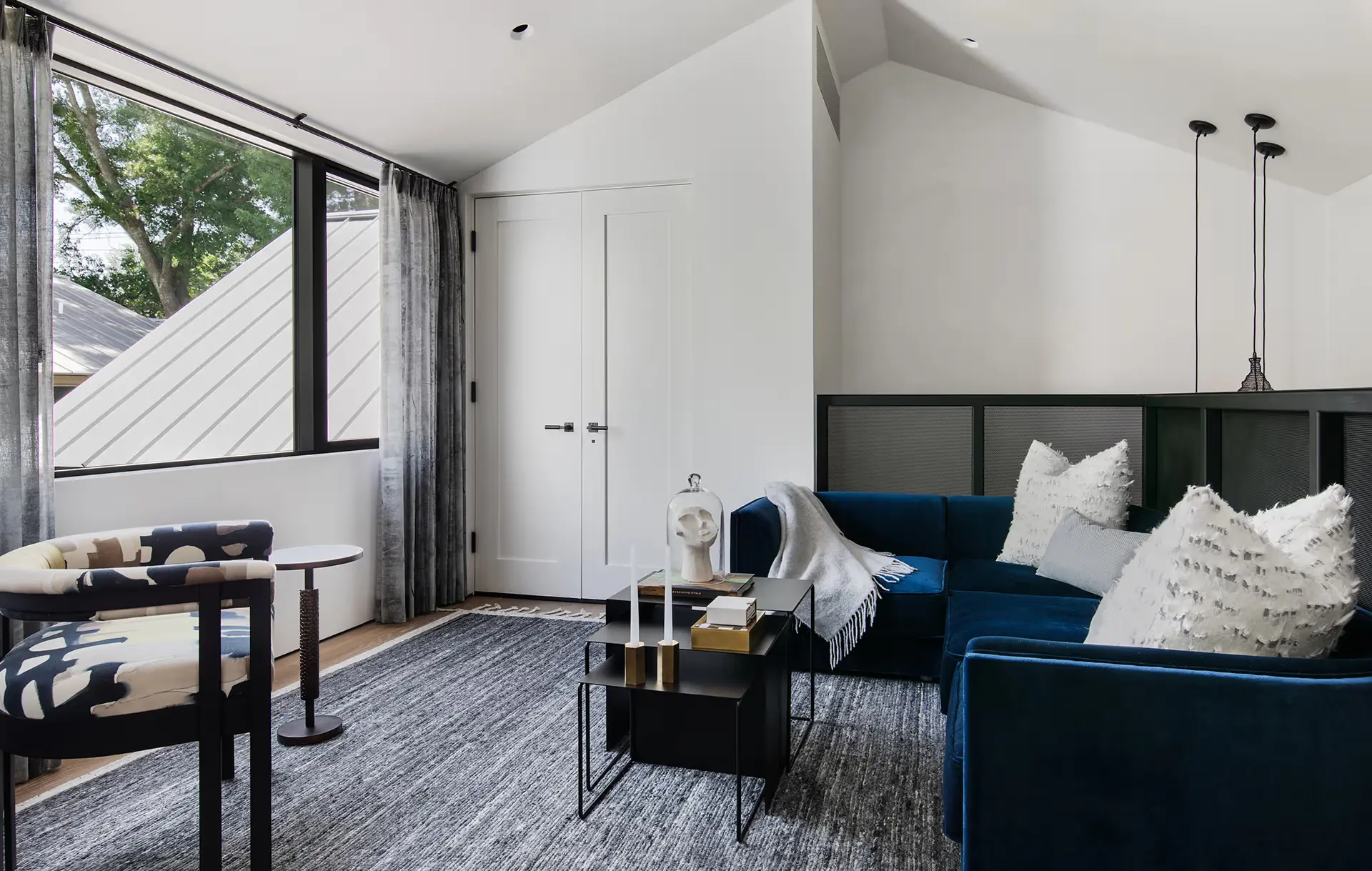
Style inconsistency is another mistake many people make when selecting Interior Doors. A modern flat door in one room and a classic panel door in another can make the home feel disconnected.
A home works best when doors follow a clear design language. For example, all matte white doors or all wood grain doors can create a smooth visual flow. Even small changes in finish or handle style can affect the overall look.
Designers often recommend keeping a consistent interior door theme across rooms. When planning upgrades, many homeowners search for “matching interior door styles for home” or “modern internal door design consistency.”
Poor Hardware Selection
Even a good Interior Door can feel cheap if the hardware is low quality. Handles, hinges, and locks are small parts, but they control daily experience. A loose hinge or noisy handle can quickly ruin the feel of the door.
Good hardware should match both style and function. For modern homes, matte black, brushed steel, or minimal hidden handles are very popular. Sliding doors also require robust rail systems to operate smoothly over time.
In some cases, hardware must also meet Internal Door safety requirements, especially in buildings with strict building codes. That is why searches like “best interior door handles modern homes” or “durable internal door hardware kits” are very common during renovation planning.
What types of interior doors are most popular in modern homes?
The most popular choices include flush doors, shaker-style doors, sliding barn doors, and pocket doors. Flush doors dominate minimalist interiors, while shaker doors are widely used in transitional and contemporary homes for their simple framed design.
Why are flush interior doors so popular in modern design?
Flush doors are preferred for their clean, flat surfaces and minimalist look. They blend seamlessly with modern interiors, especially in Scandinavian, Japanese, and contemporary-style homes.
What is the difference between solid core and hollow core interior doors?
Solid core doors are heavier, more durable, and offer better sound insulation, making them ideal for bedrooms and bathrooms. Hollow-core doors are lighter and more affordable but offer less noise reduction.
Are sliding interior doors a good option for small spaces?
Yes, sliding doors and pocket doors are excellent for small or compact homes because they eliminate the need for swing space. They are commonly used in apartments, closets, and en-suite bathrooms.
What interior door styles are trending?
Current trends include minimalist flush doors, black-framed glass doors, natural wood finishes, and hidden (invisible) doors that blend into wall panels for a seamless aesthetic.
What materials are best for modern interior doors?
Popular materials include engineered wood (MDF), solid wood, glass panels, and composite cores. MDF with laminate or veneer finishes is especially popular due to its durability and cost-effectiveness.
Do interior doors affect soundproofing in modern homes?
Yes, door construction plays a major role in sound insulation. Solid-core doors significantly reduce noise between rooms, while hollow-core doors offer minimal acoustic performance.