What is the difference between a pocket door and a invisible door?
Understanding Pocket Doors
What is a Pocket Door?
Definition and Basic Explanation
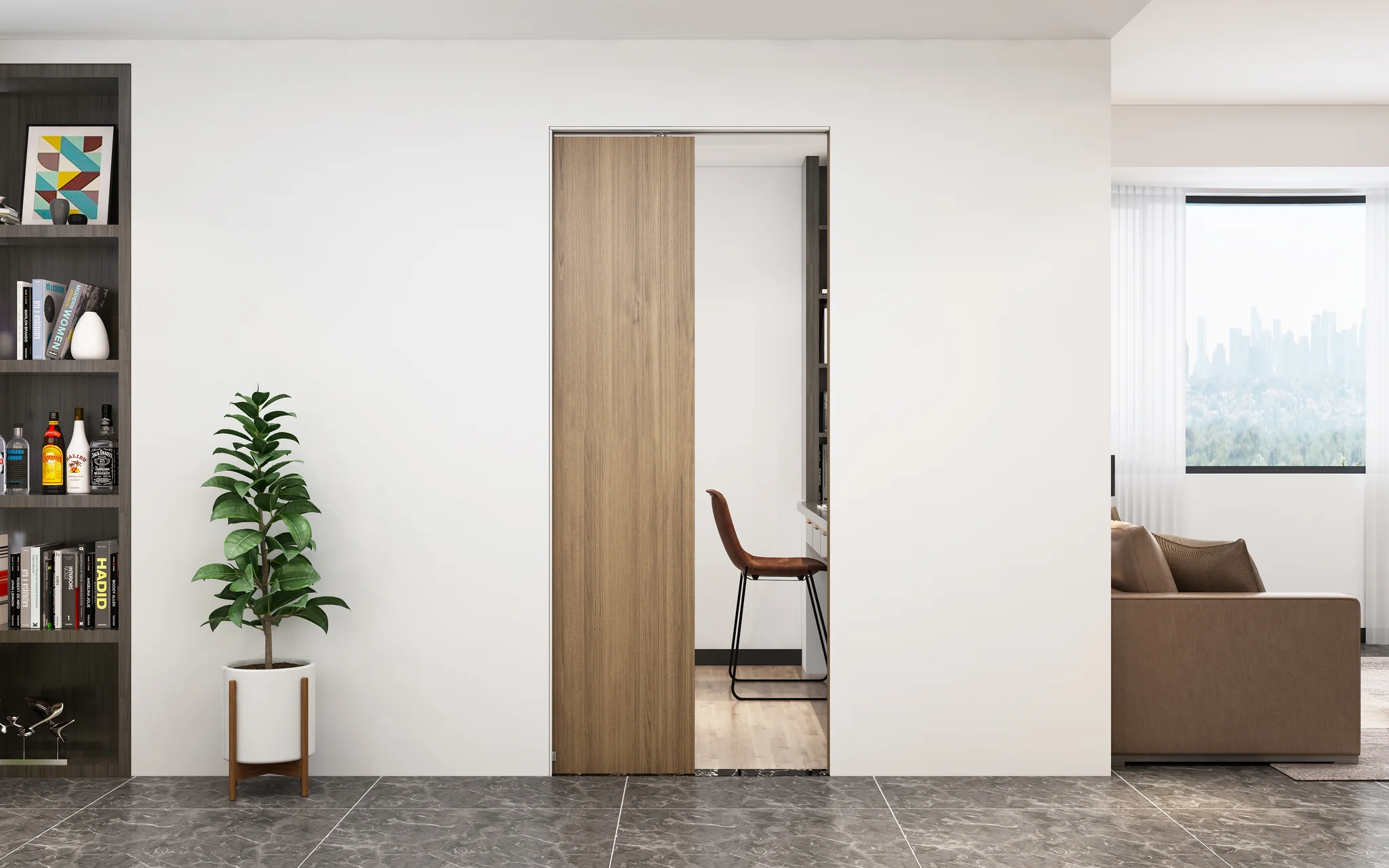
A pocket door is a type of sliding door that disappears into a compartment, or “pocket,” within the wall when opened. Unlike traditional doors, which swing open, pocket doors glide smoothly along a track and tuck away inside the wall.
This makes them an excellent space-saving option, especially in small areas where a swinging door might be too bulky. Whether you’re renovating a home or designing a new one, a pocket door can help make the most of your available space while maintaining a sleek, modern look.
How it Works and Its Unique Features?
A pocket door slides along a track inside the wall. A specially designed frame and hardware system allow the door to slide effortlessly, without hinges or a door swing. When you pull the handle, the door moves smoothly into its hidden pocket. This design makes pocket doors highly functional, especially in tight spaces like bathrooms, kitchens, or smaller rooms where every inch counts.
One of the unique features of pocket doors is that they don’t require extra space to open, unlike traditional doors that need room to swing. Because of this, pocket doors are ideal for areas with limited space. Additionally, they can be installed with a range of materials, such as glass, wood, or even frosted panels, making them adaptable to different styles and aesthetics.
The mechanism behind pocket doors is simple yet effective. The door is mounted on a set of rollers, which run along a horizontal track inside the wall. The rollers allow for smooth, quiet movement. Since the door is completely concealed when open, it provides a clean, unobstructed look that enhances a room’s overall design.
Benefits of Pocket Doors
Space-Saving Benefits
One of the biggest advantages of pocket doors is how much space they save. Unlike traditional doors that swing open, a pocket door slides neatly into the wall. This means you don’t need to worry about extra space for a door to open. In smaller rooms or areas with limited space, this is a game changer.
Whether it’s a tiny hallway, a crowded kitchen, or a compact bathroom, a pocket door can make the room feel more open and airy. You can even place furniture or decor near the door, which would be impossible with a standard swinging door. Pocket doors give you the freedom to use every square inch of a room.
Ideal for Small or Tight Spaces
Pocket doors are perfect for tight or awkward spaces. In places like small apartments, home offices, or guest rooms, where every inch matters, a pocket door is an excellent choice. Since it doesn’t take up space when opened, you can place furniture or other items closer to the door.
This is especially helpful in areas where you need to maximize space for movement or storage. Plus, if you’re remodeling a room with limited wall space or a non-traditional layout, pocket doors are a flexible solution. They offer a seamless way to divide spaces without making the room feel cramped.
Easy to Operate and Maintain
Pocket doors are easy to operate and maintain. The sliding mechanism is simple and smooth, requiring minimal effort to open or close. Most modern pocket doors come with high-quality rollers and tracks that ensure a quiet, smooth glide.
With proper installation and care, these doors can last for years with little need for repair. Compared to traditional doors with hinges, which may need adjustments over time, pocket doors are far less troublesome.
They don’t suffer from common issues like sagging or misalignment. Cleaning is also straightforward – keep the track clear of debris, and the door will continue to operate as good as new. Plus, since there are no visible hinges or hardware, pocket doors often have a cleaner, more polished look.
Types of Pocket Doors
Single Pocket Doors vs. Double Pocket Doors
When choosing a pocket door, one of the first decisions you’ll face is whether to go with a single pocket door or a double pocket door.
Single Pocket Doors
A single pocket door is the most common and works well for smaller openings, such as those between rooms. It slides into a pocket on one side of the wall and is ideal for areas where a wide opening isn’t needed. Single pocket doors are often used in bathrooms, closets, and small rooms where space is limited, but a smooth transition between spaces is needed.
Double Pocket Doors
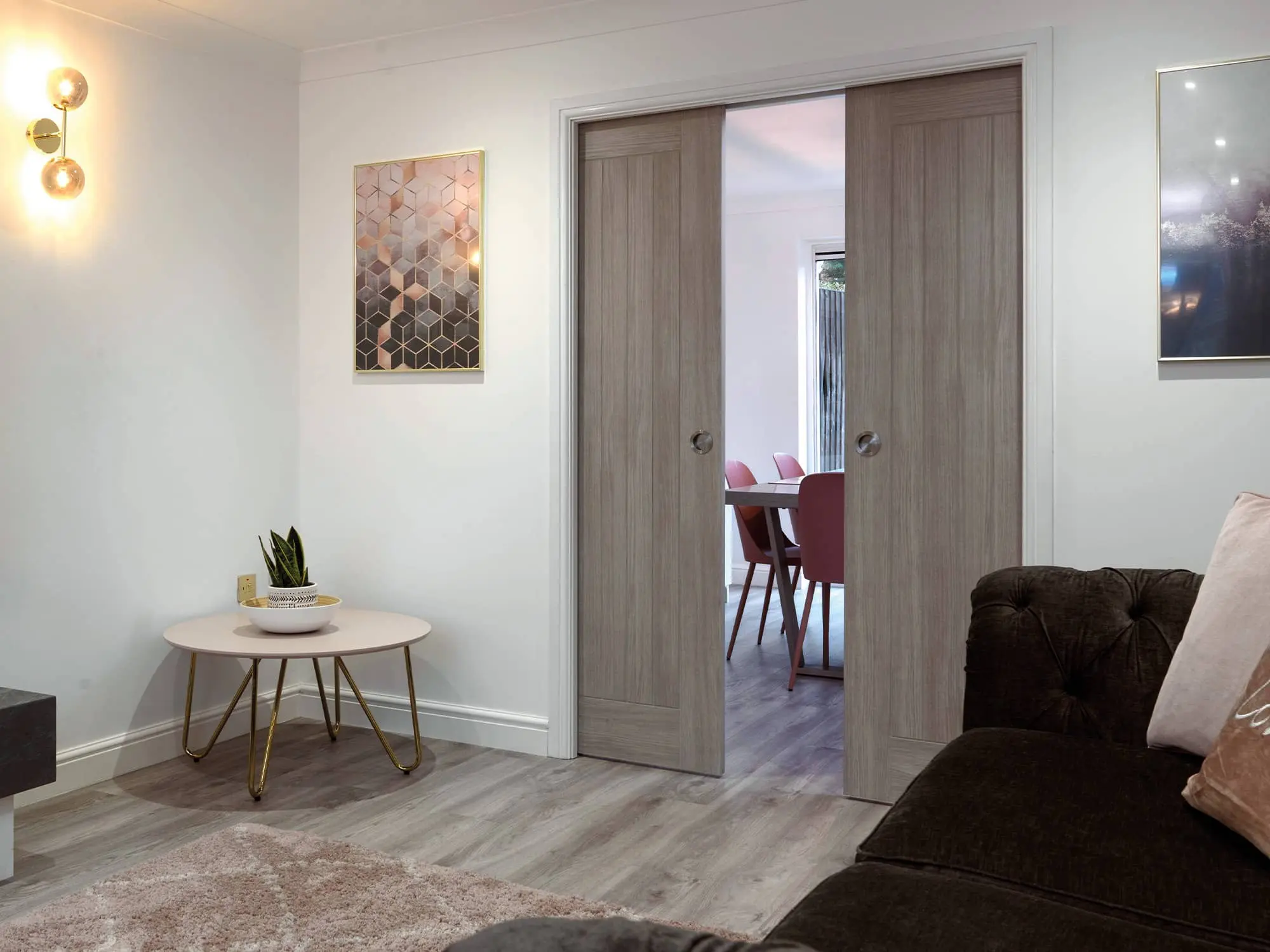
On the other hand, double pocket doors are ideal for larger openings, such as dividing two spacious rooms or creating a grand entrance. These doors slide into pockets on both sides of the wall, allowing for a wider opening. Double pocket doors are perfect for creating an open feel while still allowing you to close off a space when needed. Whether you’re separating a living room and dining area or creating a more dramatic effect in a larger room, double pocket doors offer both functionality and style.
Summary
Both options have their advantages depending on your needs. A single pocket door is compact and space-efficient, while a pair of pocket doors offers a grander feel and greater accessibility.
Wood and Other Materials
Pocket doors are available in a variety of materials, with wood among the most popular. Wood offers a classic, timeless look that works well in many different home styles, from rustic to modern. You can find pocket doors in various wood types, such as oak, maple, or cherry, each offering its own color and texture. Wooden pocket doors can be stained or painted to match your decor, making them highly customizable. Plus, wood provides good insulation, helping to keep rooms quiet and comfortable.
However, wood isn’t the only option. Glass pocket doors are an elegant choice, especially for modern homes or areas where you want to create a sense of openness. Glass doors can be clear or frosted for added privacy while still allowing light to flow between spaces. They’re great for offices, kitchens, or any area where you want to maintain visibility without sacrificing privacy.
There are also metal pocket doors, often used in industrial or contemporary spaces. Metal doors are durable and low-maintenance, offering a sleek, modern aesthetic. Some metal doors may also feature decorative elements, such as patterns or glass inserts.
When to Choose a Pocket Door?
Best Applications for Pocket Doors
Pocket doors are a fantastic solution for specific situations where traditional doors just won’t cut it. The main reason to choose a pocket door is to save space or work with a smaller or tighter area. Let’s take a look at some of the best applications for pocket doors.
First, small rooms are one of the best places to install pocket doors. In spaces like bathrooms, bedrooms, or home offices, where you want to maximize every inch of floor space, pocket doors are a real lifesaver. Since they don’t swing open, you can place furniture closer to the door, giving you more flexibility in how you design the room. A pocket door in a bathroom, for example, makes it easier to move around without worrying about the door blocking your way.
Next, open-plan living areas are another great application. Pocket doors can be used to separate large rooms while still keeping an open feel when needed. For instance, if you have a combined living and dining area, a pocket door can be used to divide the spaces for privacy or quiet when desired. You can easily slide it open or closed, depending on your needs, without taking up extra room.
Another good use for pocket doors is in closets or pantries. In tight hallways or small bedrooms, a pocket door works well for closet entrances. It’s easier to access your clothes or storage without having to deal with a door that swings into your space. The same goes for a kitchen pantry, where you don’t want the door to take up extra space when you open it. The sliding action of a pocket door ensures that you won’t have to step back every time you need to grab something from the pantry.
What is an Invisible Door?
Defining an Invisible Door
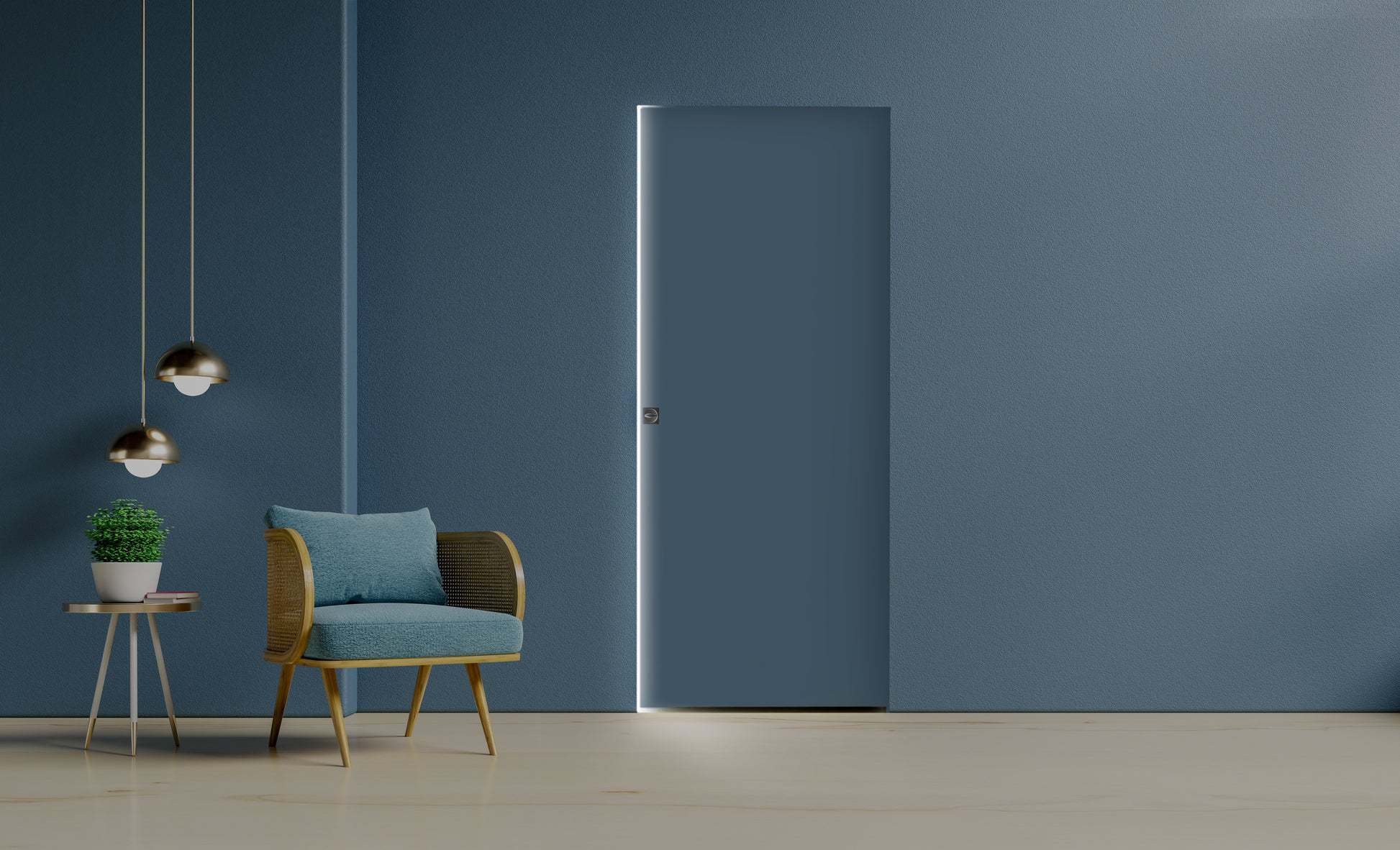
An invisible door is a design concept that blends a door seamlessly into its surrounding wall, making it appear almost invisible. These doors are often used in modern architecture to create sleek, minimalist spaces. Instead of a typical door with visible frames and hardware, an invisible door is flush with the wall, hiding any visible details. This means that when the door is closed, it looks just like part of the wall, offering a clean, uninterrupted surface. Invisible doors are becoming increasingly popular in high-end homes, offices, and even galleries, where the goal is to create a smooth, modern aesthetic.
Invisible doors can work just like pocket doors, but with an added level of subtlety. While pocket doors slide into the wall, an invisible door’s goal is to become indistinguishable from the wall itself. It often uses custom panels and specialized hardware to make the door blend into its surroundings. These doors can be used for everything from hidden rooms and secret storage spaces to simply as a design element to maintain a minimalist look.
What Makes It "Invisible"?
What makes an invisible door truly “invisible” is its seamless design. Unlike traditional doors that have frames, handles, or visible hinges, invisible doors have none of these distracting features. The door is mounted within the wall so that it aligns perfectly with the surrounding surfaces. The edges of the door are often hidden with special trim or are designed to be so subtle that they disappear from view. Even the door handle is often hidden or integrated into the design, so it doesn’t break the smooth surface.
The result is a clean, uniform look that gives the space an ultra-modern feel. When you look at the wall, you won’t notice where the door begins or ends—it’s like the door doesn’t even exist. This type of design is especially useful for homes seeking a minimalist, spacious vibe. It also adds a sense of intrigue, as people may not immediately realize there is a door at all.

How Invisible Doors Integrate Into Modern Architecture?
Invisible doors integrate seamlessly into modern architecture, enhancing a space’s overall aesthetic. In today’s design world, simplicity and clean lines are highly valued. Architects and designers are increasingly choosing invisible doors to maintain an uncluttered look. This type of door works especially well in open-concept spaces, where walls are often minimized to create large, airy rooms.
In homes with contemporary or industrial designs, invisible doors keep the focus on other features of the room, such as large windows, sleek furniture, or unique flooring. They are perfect for those who want to hide functional spaces, like closets or bathrooms, without drawing attention to them. Invisible doors can also be used in places like home offices or library walls, creating a hidden entrance to a private space.
Beyond just aesthetics, invisible doors can also be part of a larger smart home setup. Some invisible doors can be designed with automatic mechanisms that open and close via sensors or remote controls for added convenience. This level of integration fits perfectly into modern homes that prioritize both style and technology.
The Appeal of Invisible Doors
Aesthetic Benefits: Blending Into the Wall
One of the main reasons people are drawn to invisible doors is the aesthetic benefit they offer. The beauty of an invisible door lies in its seamless integration into the wall, creating a smooth, uninterrupted surface. Instead of the typical door with visible frames, handles, and hinges, an invisible door creates the illusion that the wall itself extends continuously. This design choice makes the door feel like it’s part of the room’s architecture rather than a separate, functional element.
This seamless look can significantly enhance a space’s visual appeal, especially in minimalist or modern rooms. Whether it’s a sleek living room, a contemporary office, or a stylish hallway, invisible doors provide a clean, elegant look that complements the overall design. The door essentially disappears when closed, allowing other elements in the room, like furniture or artwork, to take center stage.
Invisible doors also offer great design flexibility. They can be customized to match the exact texture and color of the surrounding walls, making them virtually indistinguishable from the walls. This creates a cohesive look where every element of the room flows together without distraction. It’s a perfect choice for anyone looking to create a streamlined environment where design is key, and nothing feels out of place.
Modern Look and Feel
Invisible doors are a great way to achieve a modern look and feel in any space. They represent a forward-thinking approach to interior design that blends function and style. With clean lines and a minimalistic design, invisible doors fit perfectly in contemporary spaces. Their subtlety adds to the overall sense of openness and spaciousness in a room. In a world where design is becoming more focused on simplicity and functionality, invisible doors are the perfect solution.
Moreover, invisible doors can be part of a smart home setup, integrating with automated systems for added convenience. The ability to open and close doors at the touch of a button or through motion sensors adds a level of modernity and innovation. This, combined with the door’s seamless design, gives the space an even more sophisticated, high-tech feel.
Whether used in open-plan living spaces, luxury apartments, or high-end offices, invisible doors provide a fresh, cutting-edge solution for modern interiors. They help create a cohesive, visually stunning environment that emphasizes elegance and simplicity while offering practical functionality. If you’re looking for a design that is both sleek and modern, invisible doors are the way to go.
Invisible Doors vs. Traditional Doors
How Invisible Doors Differ in Design, Installation, and Functionality?
Invisible doors stand apart from traditional doors in several key ways, including their design, installation, and functionality.
Design:
The most obvious difference between invisible doors and traditional doors is in their design. Traditional doors typically have visible frames, handles, and hinges, making them stand out as distinct elements in a room. They are designed to be noticed. In contrast, invisible doors are crafted to blend seamlessly into the wall, with no visible hardware or frame. The door and the surrounding wall are often made from the same material, making it difficult to tell where the door starts and ends. This minimalist approach creates a sleek, modern look that enhances a space’s overall aesthetics.
While pocket doors also slide into the wall and save space, invisible doors take this concept further by ensuring that, even when closed, they are virtually indistinguishable from the rest of the wall. There’s no noticeable gap between the door and the wall, which gives the room a clean, uninterrupted feel.
Installation:
Installing an invisible door is a more involved process than installing a traditional door. Traditional doors typically require a standard frame and hinges, making them relatively straightforward to install. The door swings open and closed with ease, with sufficient space for it to move.
On the other hand, installing an invisible door requires more precise work. The wall must be specially designed to accommodate the hidden door. The door frame is built into the wall, and the hinges or sliding mechanisms are carefully concealed. This often means custom carpentry and detailed craftsmanship to achieve the seamless effect. While pocket doors are simpler in their sliding mechanism, invisible doors demand additional steps to ensure they align perfectly with the wall’s surface.
Functionality:
In terms of functionality, both traditional and invisible doors serve their basic purpose of providing privacy and separating spaces. However, invisible doors are more about the aesthetic and space efficiency than simple functionality. Unlike traditional doors that may require a bit of space to open and swing, invisible doors are designed to be sleek and unobtrusive. They may even be designed with hidden handles or integrated touch-release mechanisms for a truly seamless look.
Invisible doors can also be equipped with smart features, such as automatic opening and closing or motion-sensing controls. Traditional doors, on the other hand, typically require manual effort to open and close, and their mechanical parts are often visible.
Key Differences Between Pocket Doors and Invisible Doors
Design and Aesthetics
Pocket Doors: Visible Frame and Hardware
When it comes to design and aesthetics, pocket doors stand out with their functional yet visible components. These doors are designed to slide into a compartment or “pocket” within the wall, saving space and offering a more streamlined alternative to traditional swinging doors. However, unlike invisible doors, pocket doors still feature some visible elements.
Typically, you’ll notice the door frame and track system, which are required to allow the door to slide smoothly. The hardware, like rollers and guides, might be visible, especially when the door is open. This gives pocket doors a slightly more industrial or utilitarian look. Though pocket doors can be customized to fit the room’s style, they never fully disappear into the wall like invisible doors do.
Another point to consider is that pocket doors often have handles or pulls to help open and close them. While these can be sleek and subtle, they still stand out to some degree. For those who love the functional charm of visible design elements, pocket doors are a great option. They combine the practicality of sliding movement with an open and accessible appearance.
Invisible Doors: Completely Hidden, Seamless Integration
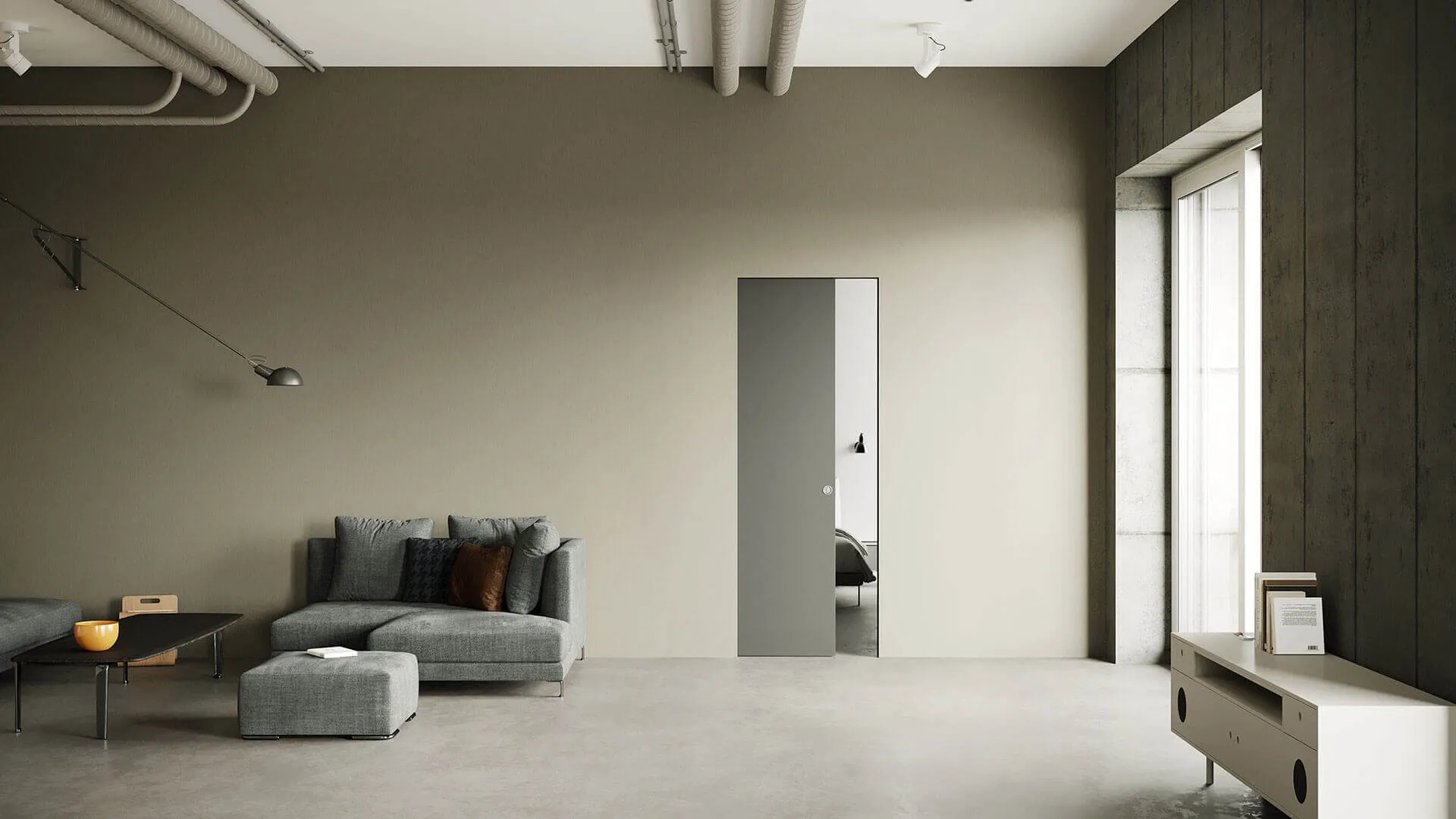
In stark contrast, invisible doors are designed to blend completely into the wall. These doors prioritize minimalism and seamless integration. Unlike pocket doors, invisible doors have no visible frame, track system, or hardware. The door is completely flush with the wall, making it almost impossible to distinguish where the door ends and the wall begins.
Invisible doors typically use specialized concealed hinges, and some may even have hidden handles that open with a touch or gentle pressure. This gives the door an almost “magic” quality, as it appears to be part of the wall rather than a separate element. When closed, the seamless design keeps the room feeling open and uninterrupted, creating a sleek, clean look.
While pocket doors still offer a modern design, invisible doors take it to the next level by eliminating every trace of hardware, offering a truly invisible solution. Their ability to disappear completely into the wall makes them the ideal choice for creating a minimalist or ultra-modern aesthetic where the focus remains on other design elements.
Installation Process
Pocket Doors: Installation Requires a Pocket Within the Wall
Installing pocket doors is a bit more complex than installing traditional swinging doors, but it’s relatively straightforward compared to installing invisible doors. For a pocket door to function properly, a pocket or compartment must be built within the wall. This pocket allows the door to slide in and out of the wall, saving valuable space.
During installation, the wall structure must be modified to accommodate the track system and the door. The door frame must be carefully aligned to ensure smooth operation. A pocket door typically requires some upfront planning, as the wall must be deep enough to accommodate the door when fully open. In some cases, an existing wall may need to be modified or rebuilt to fit the door.
While pocket doors do require a bit of extra space within the wall for the pocket, they are usually simpler to install than invisible doors. With proper planning and the right tools, installation can be completed without too much difficulty, making pocket doors a popular choice for homeowners looking to save space without compromising style.
Invisible Doors: Requires Advanced Design and Careful Wall Integration
Installing invisible doors is a much more intricate process. Unlike pocket doors, which slide into a designated pocket within the wall, invisible doors require advanced design and careful wall integration. The goal of an invisible door is to make it completely seamless with the surrounding wall, which means the entire door and the wall must be designed and constructed with precision.
The wall must be modified to accommodate the door while maintaining a flush, uninterrupted surface. This typically requires custom carpentry, as the door frame is hidden within the wall, and no visible hardware or frame should be present. The installation process often involves installing concealed hinges or specialized tracks, and careful attention is needed to ensure the door opens and closes smoothly without disrupting the seamless aesthetic.
Invisible doors also require more planning and preparation before installation. The wall must be designed to conceal the door fully, and the installation must ensure there is no visible transition between the door and the rest of the wall. This often involves specialized finishing techniques to achieve the smooth, unbroken look that invisible doors are known for.
Advantages and Disadvantages of Pocket Doors
Pros of Pocket Doors
Space Efficiency
One of the biggest advantages of pocket doors is their space efficiency. Since pocket doors slide into the wall rather than swing open, they don’t take up valuable room. This is especially important in small spaces, like bathrooms, hallways, or rooms with limited floor area. Traditional doors require a certain amount of clearance to open and close, which can limit how you arrange furniture.
With pocket doors, you can place furniture closer to the door, making better use of the available space. In homes with tight layouts, this can make a huge difference in how the room feels and functions. Whether you’re designing a compact apartment or trying to make a small room feel bigger, pocket doors let you maximize every square inch. They help create a more open feel by eliminating the need for door swings and expanding the floor area for other uses.
Versatile Design Options
Another major pro of pocket doors is their versatility in design. Pocket doors come in a variety of materials and styles, making them adaptable to many interior styles. Whether you want a wooden pocket door for a classic, rustic look, a glass pocket door for a modern, sleek feel, or even a frosted pocket door for added privacy, there are endless options.
This design flexibility also allows pocket doors to blend seamlessly with the room’s decor. You can customize the door to match your existing furniture, color schemes, and overall aesthetic. You can opt for a door that matches your walls, or even go for a bold contrast. Pocket doors are also great for rooms with high ceilings, as they can be designed to complement the vertical space, creating a balanced, modern look.
Easy to Install in Most Homes
Pocket doors are relatively easy to install in many homes, especially during construction or remodeling. Unlike invisible doors, which require custom design and more complex wall modifications, pocket doors require only creating a pocket in the wall and installing a track system. The installation process can usually be completed with basic carpentry skills and doesn’t need as much precision as an invisible door. This makes pocket doors a great option for homeowners looking to improve their space without completely overhauling their design.
For homes that already have the necessary wall structure, pocket doors can often be retrofitted into existing spaces. Whether you’re renovating a room or simply adding a door where one didn’t exist before, pocket doors are an efficient way to maximize space without a full renovation. Even in older homes, it’s often possible to install a pocket door with some minor adjustments to the wall.
Cons of Pocket Doors
Limited in Terms of Noise Reduction
One drawback of pocket doors is their limited noise reduction. While they do provide a functional way to separate spaces, pocket doors generally don’t offer the same level of sound insulation as traditional doors. Since pocket doors slide along a track and may not seal completely when closed, noise can easily pass through the gaps around the edges. This can be an issue in rooms where privacy and quiet are important, such as bedrooms, bathrooms, or home offices.
In contrast, traditional doors often have solid cores and are designed to close tightly, providing better soundproofing. If you need to block out noise in a particular area, a pocket door may not be the best choice. You should add additional soundproofing measures, such as thicker panels or weatherstripping, to improve its noise-blocking performance.
Pocket Framing May Require Extra Space
Another disadvantage of pocket doors is that they may require extra space within the wall for framing. To install a pocket door, a cavity or “pocket” must be built into the wall to house the door when it’s open. This means that a portion of the wall must be dedicated to the door’s movement, which can take up space that could be used for other purposes, such as shelving or plumbing.
For homes with limited wall space, installing a pocket door may not be feasible or may require significant structural modifications. Additionally, in some situations, the pocket depth may need to be adjusted, which can complicate and increase the cost of the installation. Although pocket doors are space-saving in terms of opening clearance, they do require careful planning when it comes to wall structure.
Advantages and Disadvantages of Invisible Doors
Pros of Invisible Doors
Ultra-Modern Design
Invisible doors are a perfect choice for anyone looking to achieve an ultra-modern design. These doors are a true example of sleek, cutting-edge architecture. Unlike traditional doors or even pocket doors, invisible doors disappear completely into the wall, leaving no visible traces of hardware, frames, or handles. This clean and seamless look fits perfectly in contemporary homes, offices, or any space that leans toward a futuristic or high-end style.
Their minimalist appearance gives them a sophisticated, modern edge that fits into any contemporary interior. Whether you’re designing a luxury apartment or updating a modern office, an invisible door offers a refined, elegant solution that enhances the room’s overall aesthetic without drawing attention to itself.
Invisible doors are ideal for open-plan layouts, where you want to divide spaces without interrupting the flow or feeling of openness. Their ultra-modern design makes them ideal for showcasing clean lines and enhancing the space’s overall simplicity.
Uninterrupted Aesthetics, Ideal for Minimalistic Styles
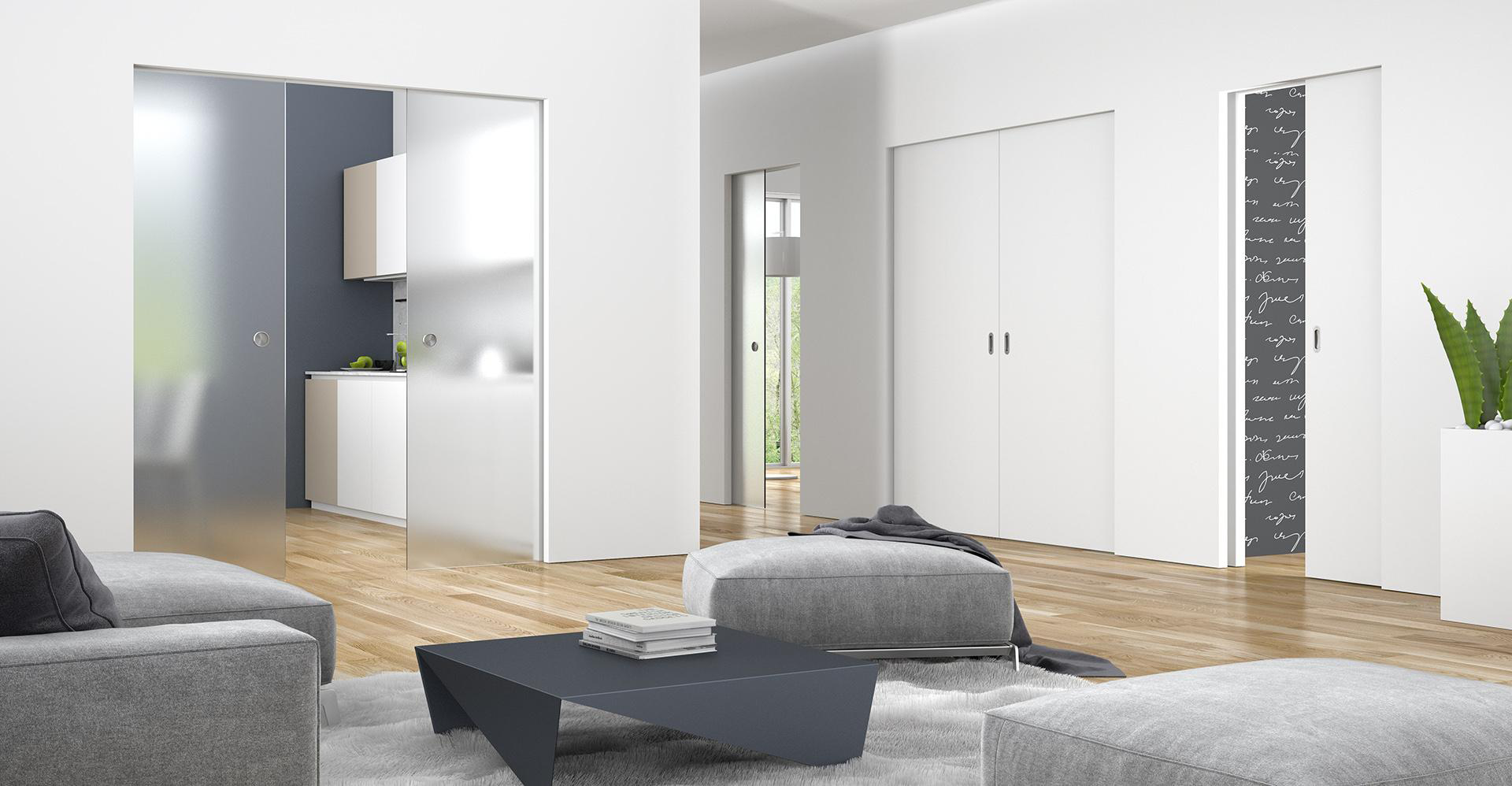
Invisible doors are ideal for minimalist styles because they create an uninterrupted aesthetic. In minimalist design, every element of the room is chosen to maintain simplicity and elegance. Traditional doors or even pocket doors, with their visible frames and hardware, can disrupt this flow. In contrast, invisible doors blend seamlessly into the wall, maintaining a clean, smooth surface that aligns with the minimalist approach.
With invisible doors, the focus stays on the design elements that matter most—whether it’s the flooring, furniture, or even artwork on the wall. They keep the room looking spacious, uncluttered, and open, enhancing the feeling of airiness. Whether in a living room, bedroom, or gallery, the seamless integration of the door ensures an overall aesthetic that is calm, clean, and uninterrupted.
Cons of Invisible Doors
Higher Cost Due to Specialized Installation
One of the main drawbacks of invisible doors is their higher cost, which is primarily due to the specialized installation process. Unlike pocket doors, which can often be installed in existing walls with some adjustments, invisible doors require custom design and construction to ensure they blend seamlessly into the wall. The materials needed for this level of integration—such as specialized frames, hidden hinges, and concealed tracks—can drive up the overall price.
The installation process for invisible doors is more intricate, often requiring skilled craftsmen or specialized contractors. The wall must be carefully planned to accommodate the door while maintaining a smooth, uninterrupted surface. This level of precision adds to both labor and material costs, making invisible doors a more expensive option than traditional or pocket doors.
Additionally, because invisible doors are custom-built to fit perfectly into the surrounding wall, you may face higher design and planning costs, particularly if you’re renovating an existing space. If you’re on a budget, this higher initial investment might make pocket doors a more affordable choice for space-saving and functionality.
May Require Wall Reinforcements
Another challenge of invisible doors is that they may require wall reinforcements. Since the door is designed to be fully integrated into the wall, the wall itself must be reinforced to support the door’s weight and the hidden hardware. This can be particularly tricky in homes with older or less sturdy walls.
In some cases, the wall may need to be rebuilt or modified to ensure the door operates smoothly and securely. If you’re installing an invisible door in a space where the wall structure is not ideal, additional reinforcements may be necessary. This can add complexity to the installation and increase the overall cost and time required for the project.
Pocket doors, by comparison, require less modification to the wall. While they still need space for the pocket, they typically don’t demand the same level of structural changes. Therefore, if wall integrity or reinforcement is a concern, a pocket door might be a simpler and more cost-effective solution.
Which Door is Right for You?
Consider Your Space and Needs
Pocket Doors Are Great for Smaller Rooms
When choosing between pocket doors and invisible doors, consider the size and layout of your space. Pocket doors are an excellent choice for smaller rooms, where saving space is crucial. These doors slide into the wall, so they don’t require the extra space a traditional door needs to swing open. If you’re dealing with a cramped hallway, bathroom, or small bedroom, pocket doors let you make the most of your limited floor space. They can even be used to separate spaces in an open-plan layout without disrupting the flow.
In tight spaces, every inch counts, and pocket doors are among the best ways to maximize functionality without sacrificing style. They’re easy to install, and their sliding design helps create a more open, airy feel. Whether you’re renovating a small apartment or updating a cozy room, pocket doors can make a big difference in how you use the available space.
Invisible Doors Work Well in Luxury and Modern Designs
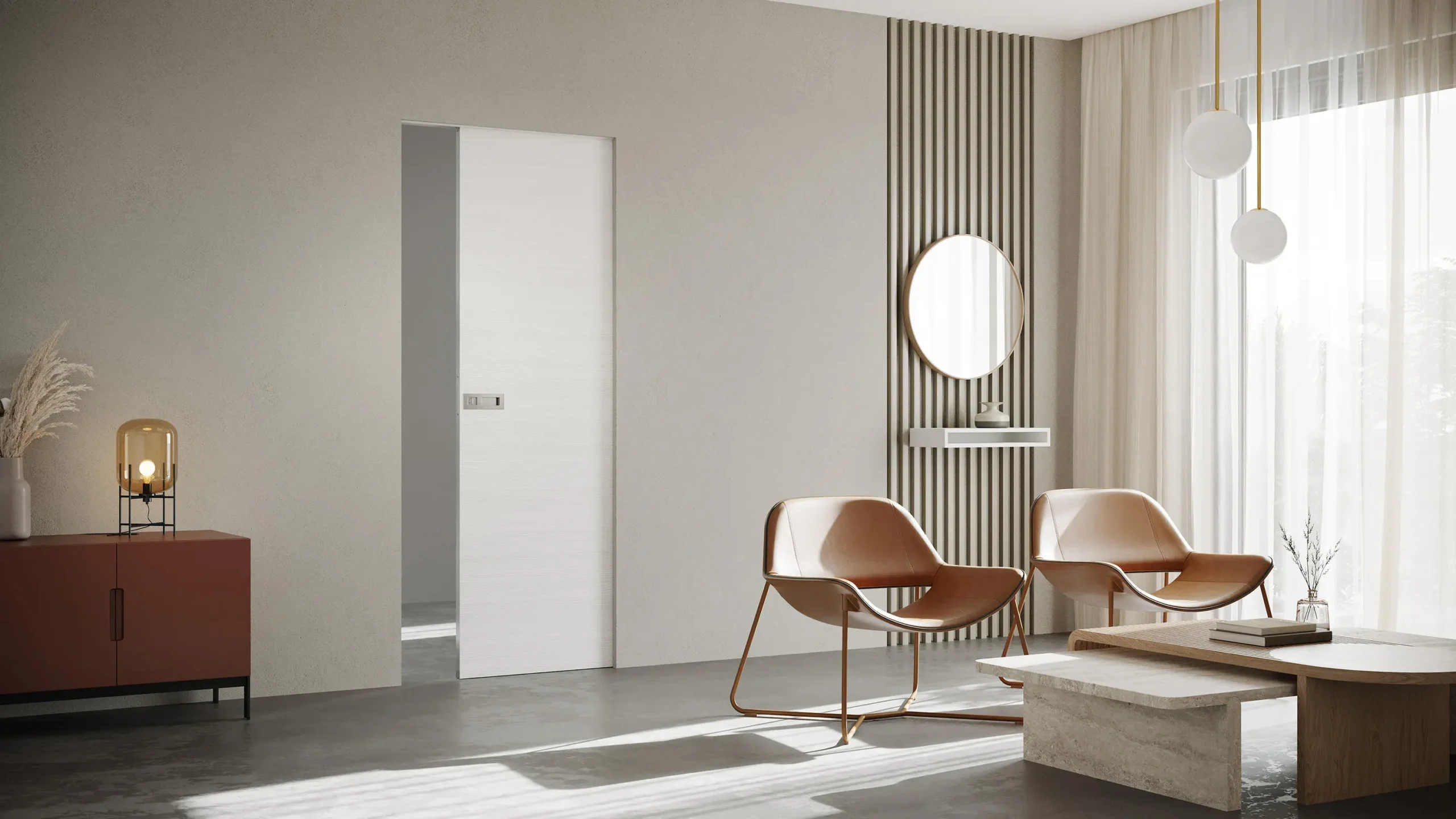
On the other hand, invisible doors are perfect for those looking to create a luxury or modern design. If you want a sleek, ultra-modern look that emphasizes clean lines and minimalist aesthetics, invisible doors can elevate your space to the next level. These doors completely disappear into the wall, creating a seamless and sophisticated appearance that works well in high-end homes, stylish offices, or contemporary living spaces.
Invisible doors are ideal for open-concept designs and areas where you want to maintain a sense of openness and flow. They are often used in luxury homes where the design is focused on simplicity and elegance. Whether you’re looking to hide a secret room or want a clean, minimalist appearance, invisible doors add a touch of refinement to the overall space.
If your goal is to create a visually stunning, high-end environment, an invisible door might be the perfect solution. However, they do come at a higher cost and require a more complex installation, so make sure they fit within your budget and project scope. For those who appreciate top-tier design and are willing to invest in the details, invisible doors are a standout option.
In summary, pocket doors are a fantastic, budget-friendly choice for smaller rooms or spaces where maximizing square footage is key. Invisible doors, on the other hand, are better suited for luxury designs and modern interiors where aesthetics take center stage. Consider your space, style, and budget to determine which door fits best with your needs.
Relate FAQ
What is a pocket door?
A pocket door is a sliding door that disappears into a compartment, or "pocket," within the wall when fully open. This type of door saves space because it doesn’t swing open like traditional doors. They are often used in smaller rooms or where saving space is a priority, such as bathrooms, kitchens, or closets.
What is an invisible door?
An invisible door blends seamlessly into the wall, appearing as if there is no door at all. The design conceals the doorframe, hardware, and even the door itself, making it appear to be a continuation of the wall. Invisible doors are typically custom-made and often feature a flush, minimalist design, making them perfect for modern, sleek interiors.
How do pocket doors and invisible doors differ in terms of design?
The main difference in design is visibility. Pocket doors, although hidden when open, still have a visible doorframe and hardware. They function like sliding doors but are designed to slide into a wall cavity. On the other hand, invisible doors are completely flush with the wall when closed and feature hidden hardware, making them virtually undetectable to the naked eye.
Which door is better for space-saving?
Both pocket doors and invisible doors save space in different ways. Pocket doors are ideal for tight spaces because they slide into the wall, allowing you to use the area that a door's swing would typically occupy. Invisible doors also save space, but their main appeal is the visual and aesthetic space they create by blending completely into the wall, providing a clean, uninterrupted flow in the room.
Are pocket doors or invisible doors more expensive?
Invisible doors are generally more expensive than pocket doors because of the custom craftsmanship required for seamless integration with the wall. The design of an invisible door often requires specialized materials, a hidden frame system, and precise installation. Pocket doors, though still a premium option, are more cost-effective because they rely on more traditional sliding-door systems.
Which type of door is more suitable for modern homes?
Invisible doors are a popular choice for modern, minimalist homes. Their ability to blend seamlessly with the wall allows for sleek, uninterrupted design aesthetics. If you want a door that is almost invisible and fits into the modern design ethos, an invisible door is a perfect choice.
On the other hand, pocket doors are also suited for modern homes, especially when you need functional sliding doors without sacrificing wall space. They can complement a variety of interior styles.
Which door is easier to maintain: a pocket door or an invisible door?
Maintenance for both types of doors is relatively simple, but there are some distinctions. Pocket doors require occasional maintenance of the sliding track and rollers to ensure smooth operation. While invisible doors may not require as much upkeep in terms of functionality, their unique design means you’ll need to be careful with wall finishes and the door's integration to prevent visible wear and tear.