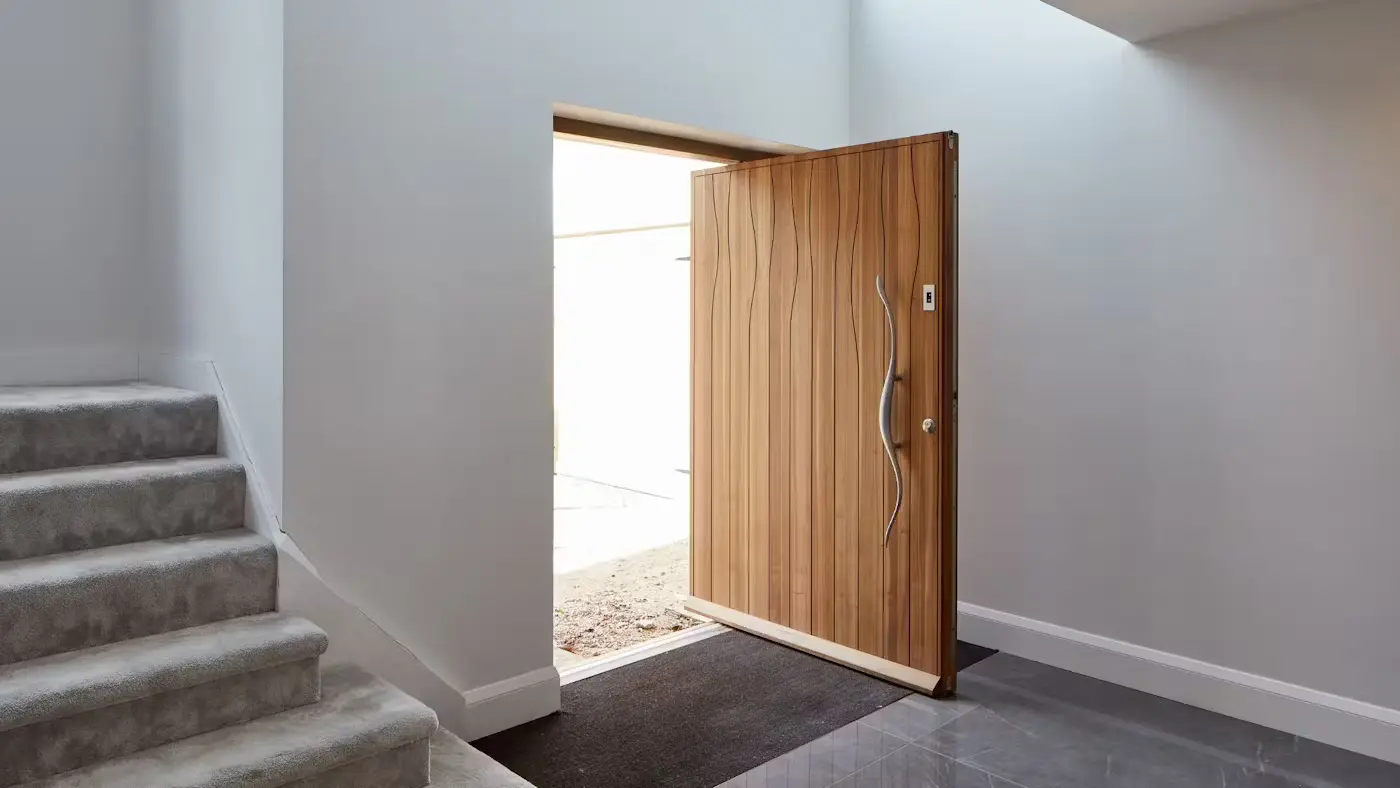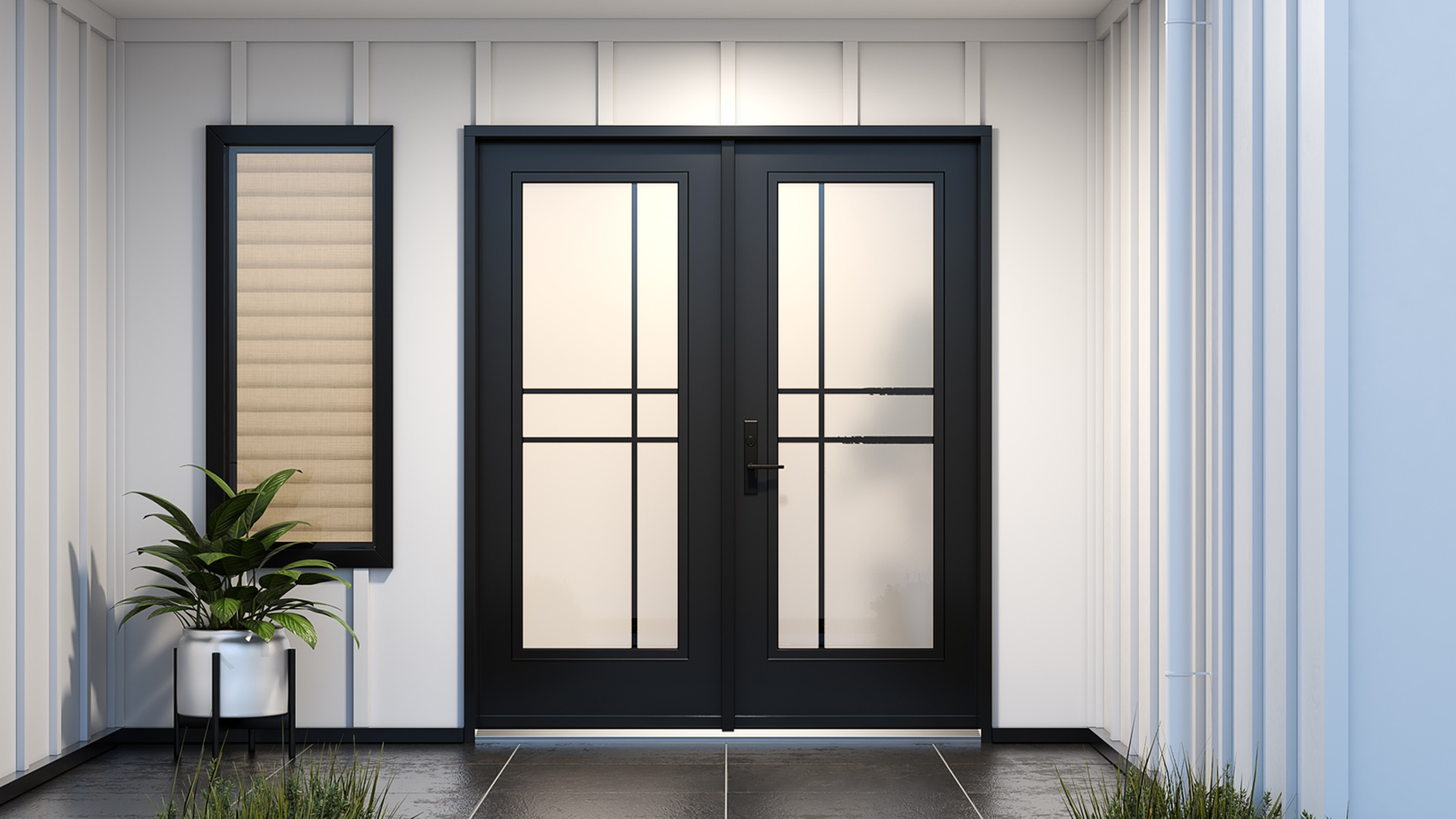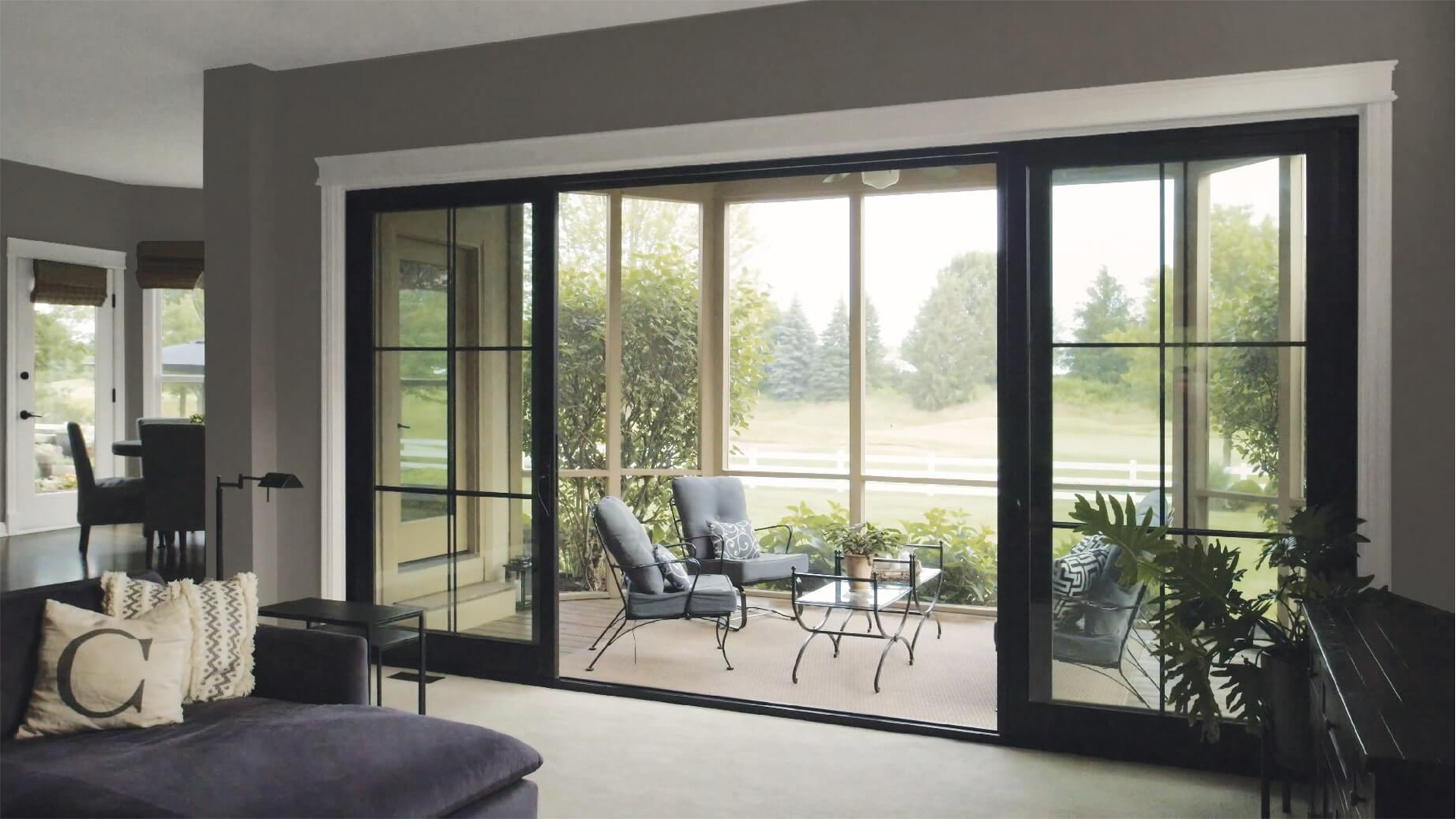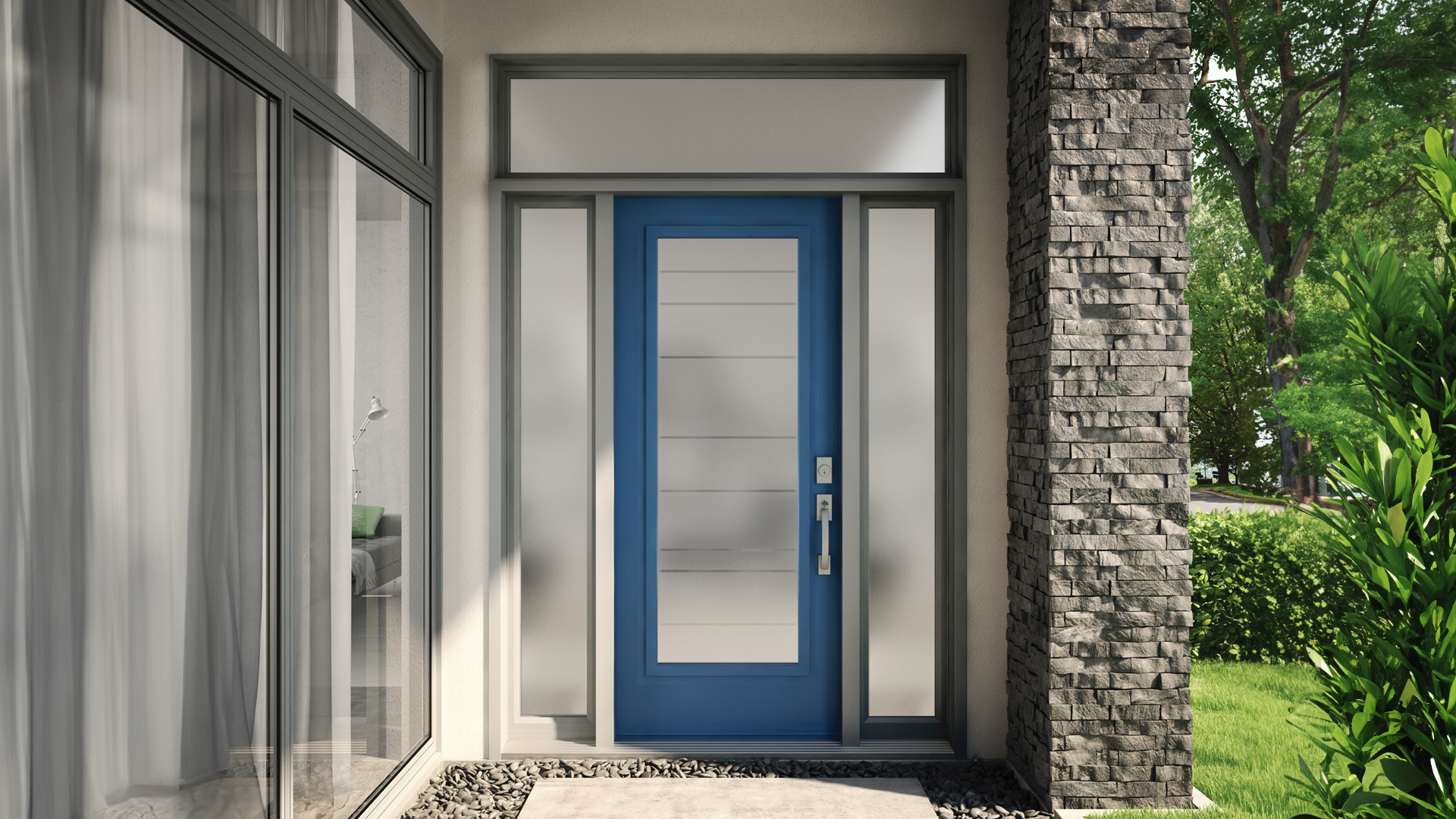
What is the meaning of inner door?
Introduction to Inner Doors
What Are Inner Doors?
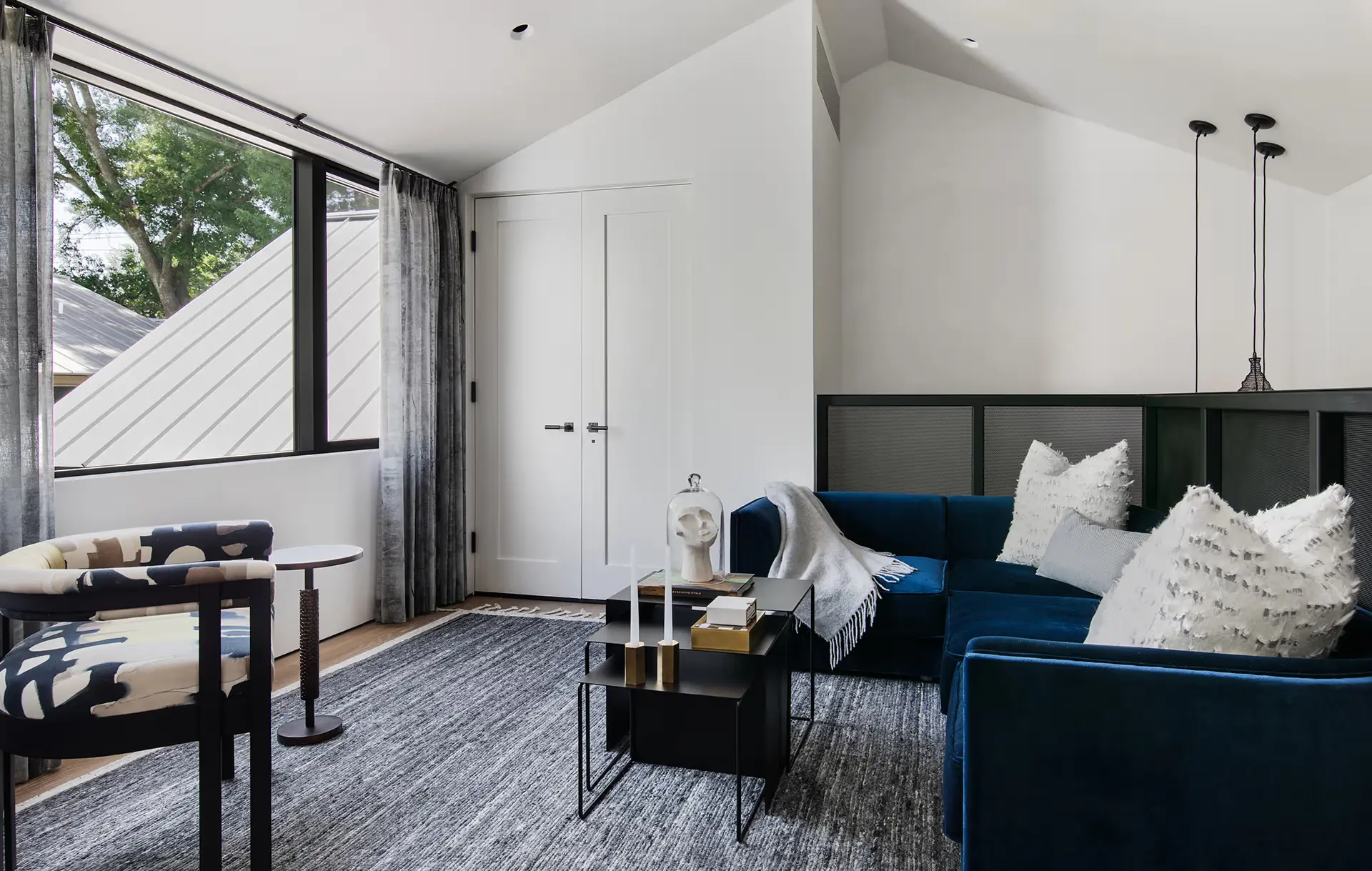
An inner door is a door that separates different rooms or spaces within a building, such as a home or office. Unlike exterior doors, which protect your home from the outside, inner doors primarily serve to create privacy, define spaces, and help with soundproofing. They can be simple, elegant, or decorative, depending on the room’s style.
In a family home, an inner door might separate the living room from the kitchen or provide privacy between bedrooms. In an office, inner doors often separate workspaces, meeting rooms, and lounges, helping maintain a quiet and productive environment.
Inner doors aren’t just functional; they also play a big role in interior design. The right inner door can enhance a room’s overall aesthetic, adding a touch of elegance, modernity, or coziness. In some homes or offices, the inner door is a subtle detail that ties everything together.
Types of Inner Doors
When choosing the right inner door, consider several types, each with unique features and benefits. Here are some of the most popular types of inner doors:
Pocket Doors
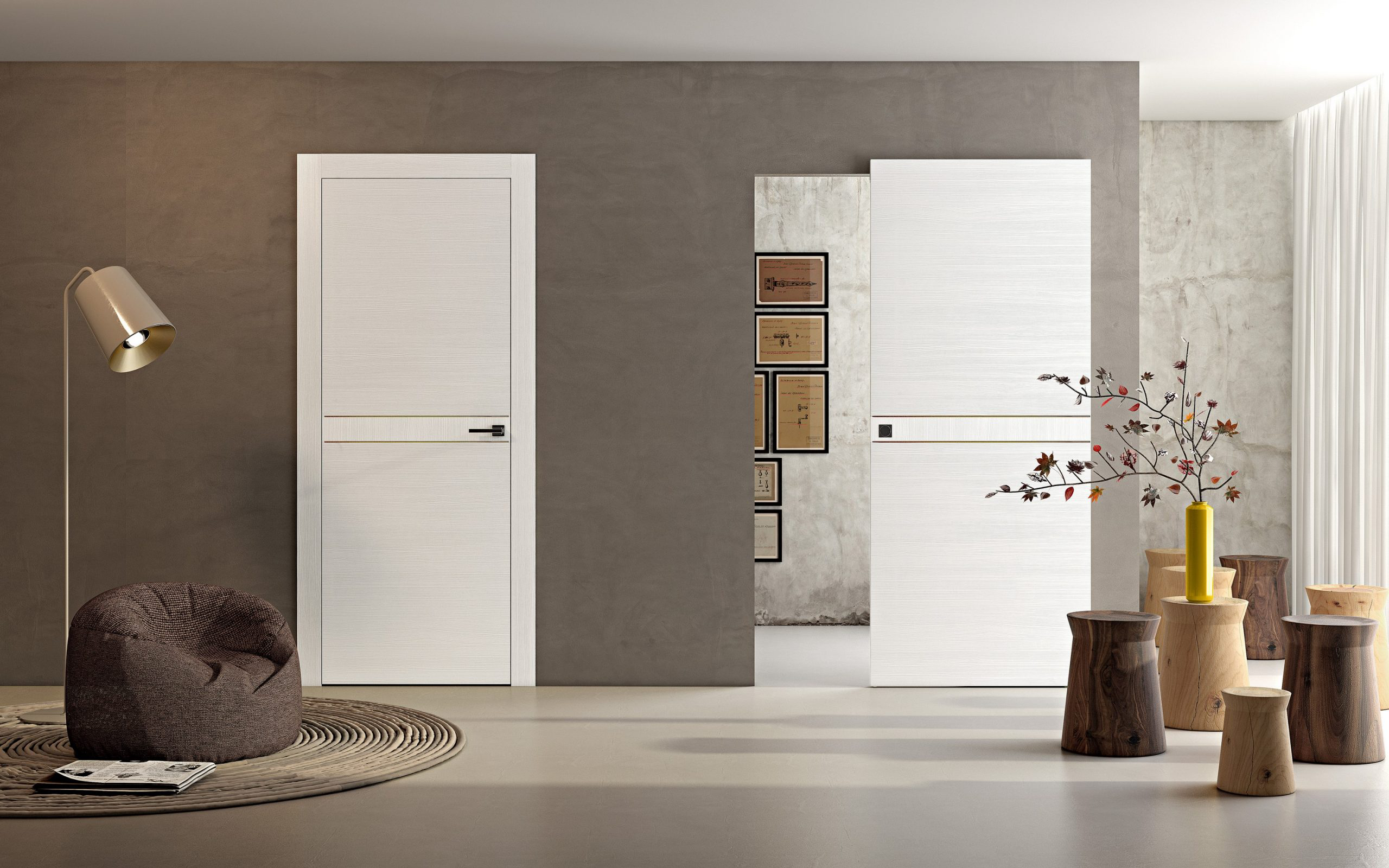
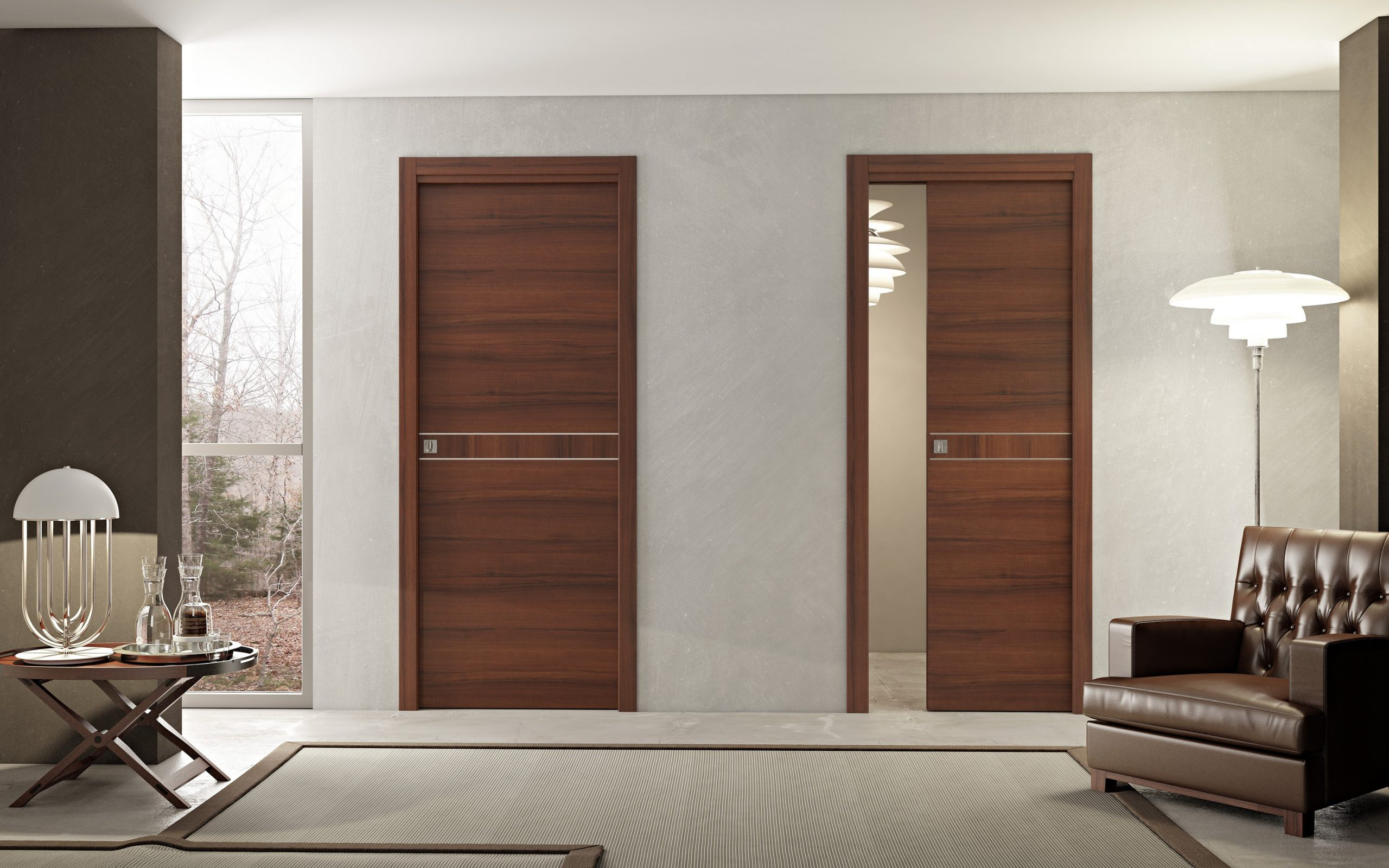
Pocket doors are a space-saving solution, particularly useful in smaller rooms. They slide into the wall when opened, so they don’t take up any floor space. This type of door is commonly used in bathrooms, closets, and other areas where you need to save space without sacrificing style. They can add a modern touch to your home or office.
Invisible Doors
As the name suggests, hidden doors are designed to blend seamlessly into the wall, making them nearly invisible. These doors are perfect for modern homes or offices where clean lines and minimalism are the priority. Often, they are used for secret rooms or to create a sleek, uninterrupted aesthetic. Hidden doors are a unique choice for those seeking a minimalistic or high-tech feel.
Folding Doors
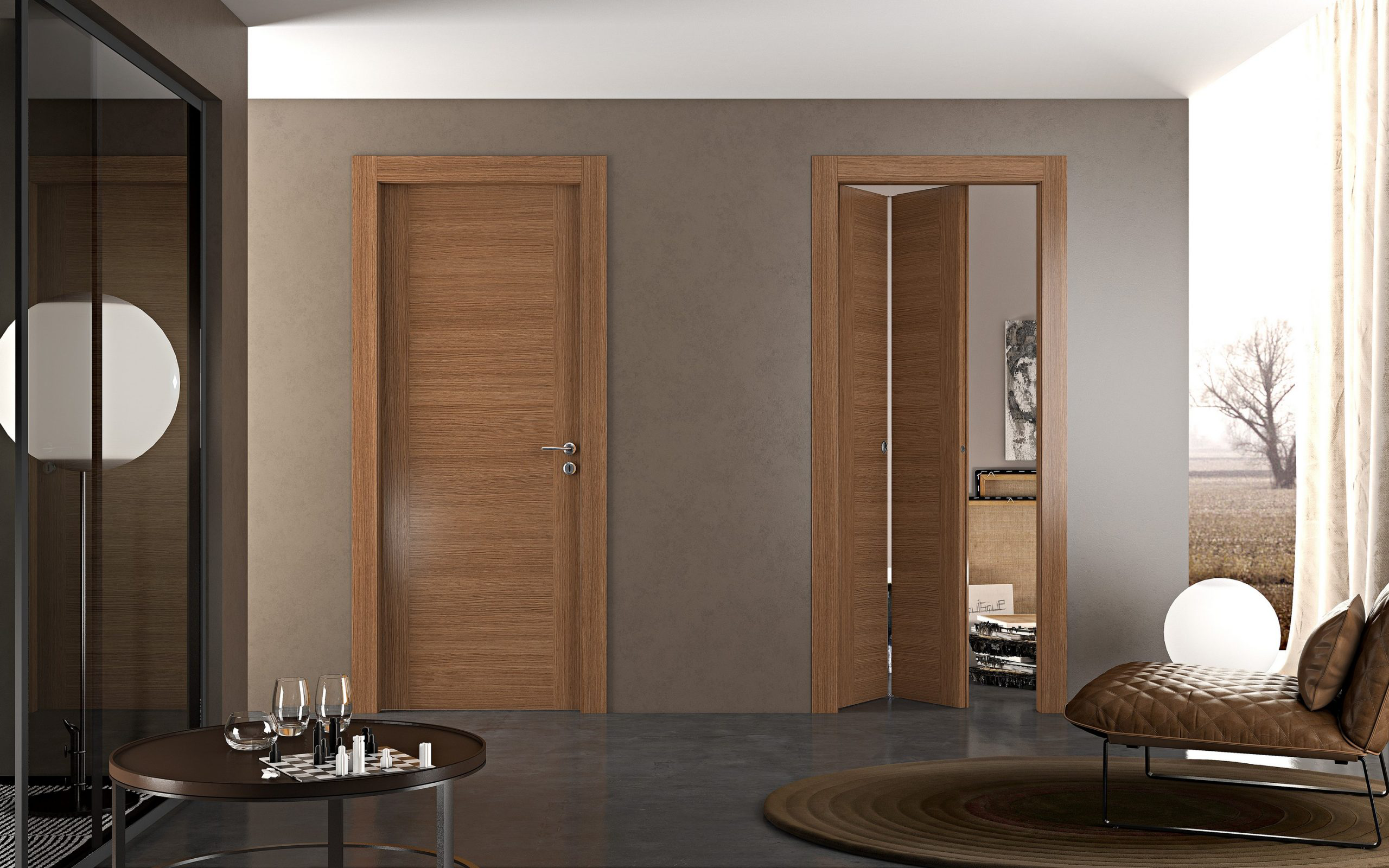
Folding doors, also known as bi-fold doors, are ideal for spaces where you need to divide a room while maintaining flexibility. They fold in on themselves, making them ideal for separating larger spaces, like living areas or dining rooms. They can be made from a variety of materials, including wood and glass, and they provide a versatile option that works well in both contemporary and traditional designs.
Traditional Swing Doors
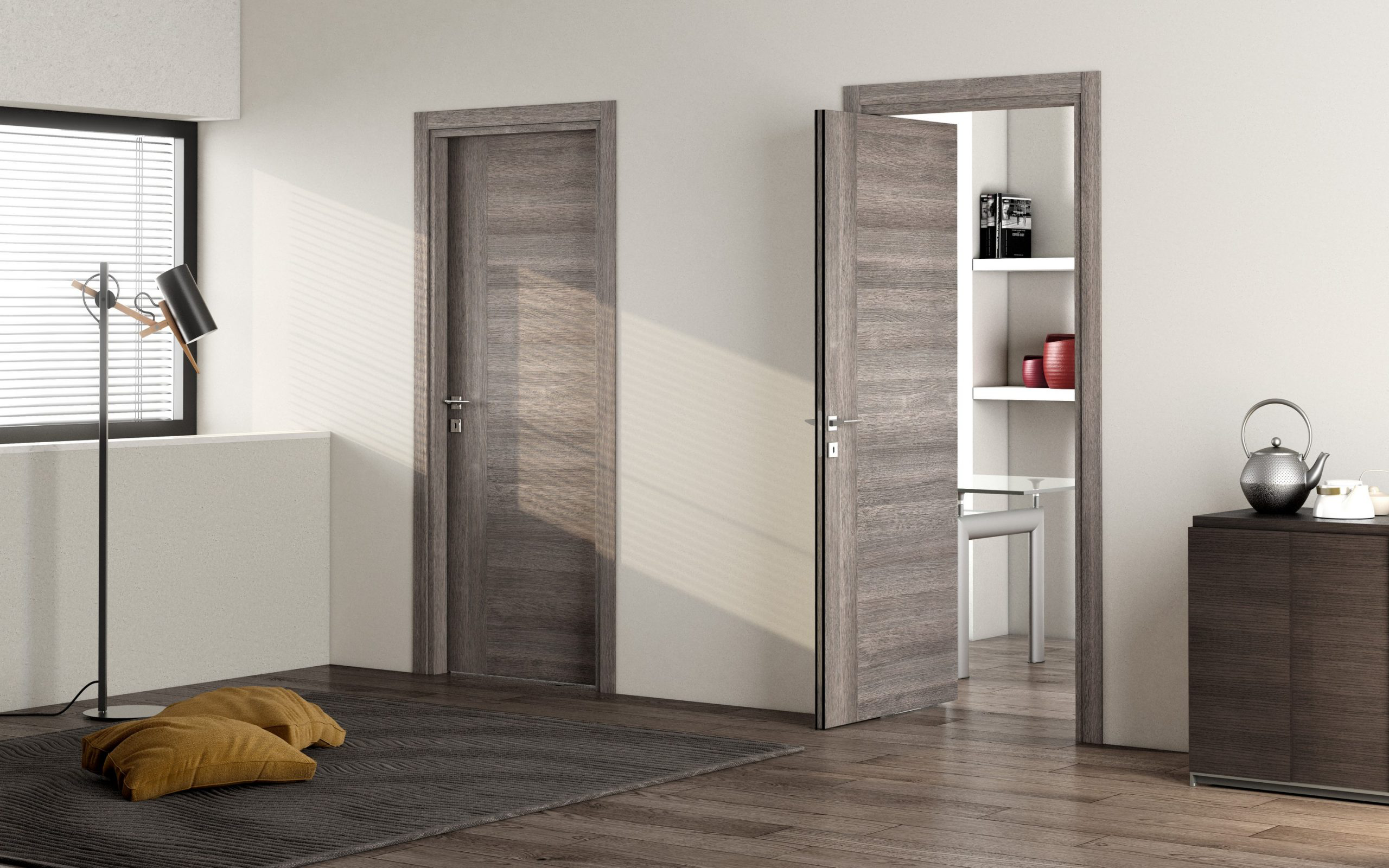
Traditional swing doors are the classic type of inner door. They are hinged on one side and swing open and closed. This type of door is still widely used in most homes and offices due to its simplicity, reliability, and ease of use. You can choose between solid wood, panel, or glass swing doors, depending on your style preferences and the amount of light you want to let into a room.
The Importance of Inner Doors
Why Do We Need Inner Doors?
Inner doors are more than just functional barriers between rooms—they are essential for creating privacy, managing sound, and ensuring security in both homes and offices.
Privacy:
One of the main purposes of an inner door is to provide privacy. Whether you’re in your bedroom, bathroom, or home office, inner doors keep your personal space undisturbed. In shared spaces, like homes with multiple people or offices with open layouts, inner doors act as a shield, allowing you to enjoy a private, peaceful environment.
Soundproofing:
Inner doors are also important for controlling noise. If you work from home or need a quiet space for studying, the right inner door can block out distracting sounds. For instance, a solid wood or composite inner door helps to absorb sound and create a quieter atmosphere. This is particularly important in shared living areas or in offices where maintaining focus is crucial.
Safety and Security:
Another reason inner doors are important is their role in safety and security. They can provide a barrier in case of emergencies, such as fires or unwanted intrusions. For example, inner doors with sturdy locks can help protect valuable possessions or keep children safe from areas like kitchens or basements. In addition, some inner doors are fire-resistant, providing an extra layer of protection in the event of a fire.
The Role of Inner Doors in Home Design
While inner doors are practical, they also play a major role in shaping a room’s overall look and feel. Choosing the right inner door can enhance your home’s design, complementing your existing décor and adding style.
Design and Style:
Inner doors come in a variety of designs, from classic to contemporary, helping you match the door’s look to your home’s style. For a traditional look, you might opt for a solid wooden door with intricate carvings. On the other hand, if you prefer a modern style, you could choose a sleek, minimalist door made from glass or a combination of glass and wood.
Lighting and Openness:
Glass inner doors, for example, can open up a space by allowing more natural light to flow through. This is especially beneficial in smaller rooms where you want to make the space feel larger and brighter. Transparent or frosted glass doors offer a balance of privacy while still letting in light, making them perfect for spaces like bathrooms or kitchens.
Cohesion and Flow:
When selected carefully, inner doors can contribute to a cohesive look in your home. The style, color, and material of your doors should complement other elements in the room, such as furniture, flooring, and wall colors. By maintaining design consistency, you can create a harmonious flow between rooms. For instance, choosing matching doors throughout your home helps create a sense of continuity and balance.
Creating a Focal Point:
Sometimes, an inner door can be the focal point of a room. A beautifully designed or uniquely crafted door, such as a French door or a custom-made door with artistic details, can elevate a room’s décor. These doors can draw attention and serve as eye-catching features that add personality and charm to the space.
Types of Inner Doors for Different Spaces
When choosing the right inner door for your home, consider how each space will be used and which style best suits your needs. Inner doors not only contribute to the overall aesthetic but also provide privacy, sound control, and practicality. Let’s explore some of the best options for specific rooms.
Best Inner Doors for Bedrooms
A bedroom is a personal retreat, so the inner door you choose should prioritize privacy and noise reduction. Opt for solid-core or soundproofed hollow-core doors. These types of doors help create a peaceful environment by minimizing sound transfer, making them perfect for a bedroom. Additionally, materials like wood or MDF (medium-density fiberboard) are both effective at blocking sound and provide a natural, warm aesthetic that complements the cozy atmosphere of the bedroom.
For enhanced privacy, bi-fold doors or French doors with frosted glass panels can also be a stylish and practical choice. While glass adds an elegant touch, frosted options ensure your space remains private while still allowing light to flow through.
Ideal Inner Doors for Bathrooms
The bathroom is another space where privacy is essential, but moisture resistance is just as important. When selecting an inner door for the bathroom, consider moisture-resistant materials such as composite wood. These materials are not only durable but also help prevent the door from warping or degrading in high-humidity environments.
Additionally, flush doors are a popular choice for bathrooms. They offer a sleek, modern look while still providing the necessary privacy. If you prefer a door with a bit of style, wooden doors with moisture-resistant finishes can offer both the warmth of natural wood and practical moisture protection.
Choosing Inner Doors for Living Rooms and Offices
For living rooms and offices, the focus should be on both functionality and aesthetics. The inner doors in these spaces should blend seamlessly with the decor while still performing their core function—whether that’s enhancing the flow of light or providing privacy when needed. Sliding doors are an excellent choice for both living rooms and offices because they save space and give off a contemporary vibe.
If you’re looking for something more traditional, panel doors made from high-quality wood or engineered wood are timeless choices for living rooms and offices. They offer a refined look while also being practical for day-to-day use. If your office or living room doubles as a shared space, soundproof inner doors can provide the extra noise control you need for meetings or quiet time.
The right inner door can elevate your space’s functionality and enhance its aesthetic appeal. Whether you’re designing a cozy bedroom, a moisture-resistant bathroom, or a multifunctional living room and office, consider both practical needs and design preferences when selecting the perfect door.
Materials Used in Inner Doors
When selecting internal doors for your living room, it’s crucial to consider more than just style and material. Practical features, such as the door’s opening direction, its ability to reduce noise, and its safety features, all play important roles in creating a functional and comfortable living space.
Wooden Inner Doors
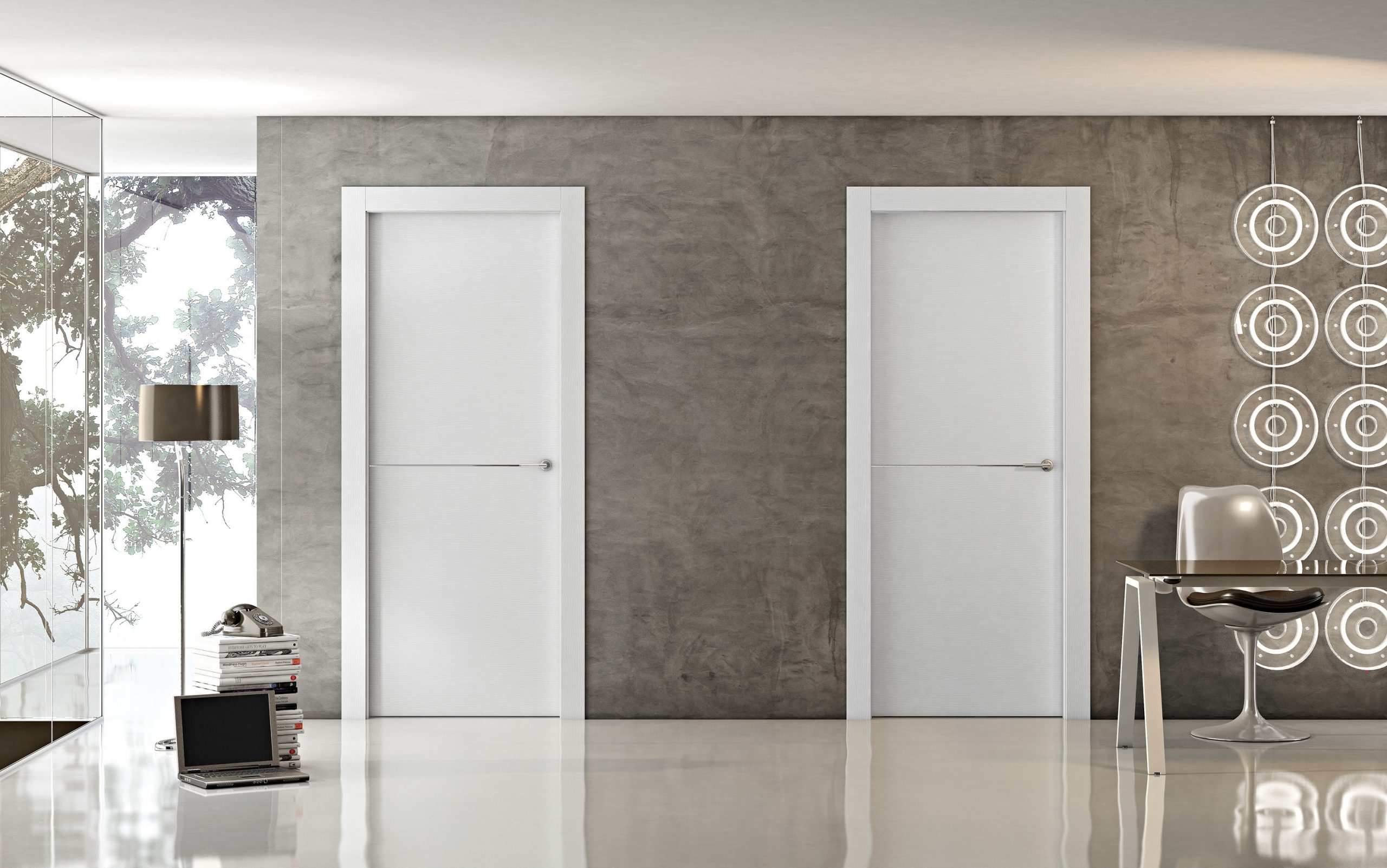
Wooden inner doors are a classic choice that has been used for centuries. They offer a warm, timeless aesthetic that suits nearly every home style. Solid wood doors are known for their strength and ability to provide excellent privacy and sound insulation. This makes them an ideal option for bedrooms, offices, and other private spaces where noise reduction is important.
One of the main advantages of wooden inner doors is their natural beauty and the variety of finishes available. Whether you prefer a sleek, modern look or a rustic, traditional style, wood can be easily customized with a variety of stains, paints, and textures. Common wood types used for inner doors include oak, pine, mahogany, and cherry, each offering unique grain patterns and colors.
However, wooden doors can be more expensive and may require maintenance over time, such as refinishing or sealing, especially in high-humidity areas like bathrooms. But with the right care, a wooden door can last for many years, making it a great investment.
Glass Inner Doors
Glass inner doors bring a modern, stylish touch to any space. The transparency of glass doors creates a sense of openness, making them ideal for living rooms, offices, or areas that benefit from natural light. They can brighten a space, making it feel more expansive and airy.
A popular option for glass inner doors is frosted glass, which provides privacy while still allowing light to pass through. This makes it an excellent choice for spaces like bathrooms or home offices, where you want to maintain privacy without sacrificing natural light. On the other hand, clear glass doors are great for contemporary designs, as they can create visual connections between rooms while still keeping areas distinct.
Glass doors also add a sleek, modern aesthetic, complementing minimalistic or industrial home styles. However, they may require more frequent cleaning to keep them spotless and smudge-free. Additionally, while glass can offer excellent light diffusion, it may not provide as much privacy or sound insulation as other materials, such as wood or composite doors.
Other Materials and Composite
Composite and other engineered materials have gained popularity in recent years due to their versatility, cost-effectiveness, and durability. Composite inner doors are made from a combination of materials such as wood fibers, plastics, and resins, resulting in a strong, lightweight door. These doors often mimic the appearance of solid wood but at a fraction of the cost.
One of the main benefits of composite doors is their resistance to warping, cracking, and expansion, especially in areas with fluctuating temperatures and humidity. This makes them a good choice for bathrooms, kitchens, or basements where wooden doors may struggle with moisture. Composite doors are also low-maintenance, requiring less upkeep than solid wood doors.
Whether you’re on a tight budget or looking for a door that’s both stylish and functional, composite and other engineered materials can offer a great solution without sacrificing quality. These doors are available in various designs and finishes, allowing you to find a suitable match for your home’s style and your budget.
How to Choose the Right Inner Door?
Choosing the right inner door for your home or office is an essential decision that can affect both the aesthetics and functionality of your space.
Factors to Consider When Selecting an Inner Door
When selecting an inner door, several factors should be considered to ensure it meets your requirements. These factors include:
1. Space Function:
The room’s function will greatly influence the type of door you choose. For example, a bedroom door needs to provide privacy and soundproofing, while a bathroom door may need to be moisture-resistant. An inner door for a living room might be more focused on aesthetics and easy access.
2. Material:
The material of the inner door plays a crucial role in both its appearance and performance. Wooden doors are popular for their warmth and timeless appeal, while glass doors can add a modern touch and allow light to flow through. Composite materials can offer durability at a lower price point, making them a good choice for budget-conscious homeowners.
3. Budget:
Inner doors range widely in price, so it’s essential to set a budget before you start shopping. A wooden door may cost more, but it might be worth the investment for its durability and style. Alternatively, if you’re working with a tighter budget, you can find affordable alternatives made from engineered wood or hollow-core doors.
4. Style:
The door’s style should complement the room’s overall design. Whether you’re going for a traditional, modern, or minimalist look, make sure the door fits the space’s aesthetics. There are many styles to choose from, including panel, flush, and French doors.
Measuring for Your Inner Door
Accurate measurements are critical to ensure that the door fits properly into the doorframe. Here’s how to measure for your inner door:
1. Measure the Door Frame:
Start by measuring the width and height of the door frame. This will give you the basic dimensions for the door. Be sure to measure the frame in multiple places to account for any irregularities or unevenness in the structure.
2. Consider Door Thickness:
Most standard doors are around 1 3/8 inches thick, but some applications require thicker doors for added strength or soundproofing. Measure the thickness of the current door or the space where the door will be installed.
3. Allow for Clearance:
When measuring, leave a small gap between the bottom of the door and the floor. This is important to ensure the door opens and closes smoothly.
4. Check for Special Features:
If you need a door with special features, such as windows, ventilation panels, or locks, make sure to measure these areas as well. This will ensure that any additional features you need fit properly into the door.
Measuring your inner door correctly ensures that the new door will be a perfect fit and function properly in your space. If you are unsure about the measurements, consider hiring a professional to take accurate measurements.
Maintenance Tips for Your Inner Door
Your internal doors play a major role in your home’s functionality and aesthetics, but to ensure they continue to perform well and look great, proper maintenance is key. Whether your doors are made of wood, paint-free materials, or composite, each material requires specific care. Regular cleaning and simple maintenance steps can help extend the life of your internal door.
Cleaning and Care for Different Materials
Each material used for internal doors comes with its own cleaning and care requirements. To maintain your doors’ appearance and functionality, it’s essential to use the right cleaning methods and products based on the material type.
Wooden Doors:
Wooden internal doors are classic and timeless, but need careful attention to keep them looking their best. To clean a wooden door, start by dusting it with a soft, dry cloth. For more stubborn dirt or smudges, lightly dampen the cloth with water and a small amount of mild soap. Avoid soaking the wood, as excessive moisture can cause it to warp or swell. After cleaning, dry the door with a soft towel to prevent water damage.
If your wooden door is painted or stained, it’s important to check for chips or scratches regularly. Touching them up promptly with the same color paint or wood stain will keep your door looking fresh. To protect the finish, consider applying a coat of furniture polish or wax every few months. This will help seal the wood and prevent it from drying out or cracking over time.
Paint-Free Doors:
Paint-free internal doors, also known as natural or veneered wood doors, are a low-maintenance choice that retains the natural beauty of the wood. To clean paint-free doors, dust them regularly with a soft cloth to remove dirt. For deeper cleaning, use a damp cloth with a mild cleaner, but avoid using too much water to prevent any damage to the wood. Since paint-free doors showcase the natural grain of the wood, it’s important to ensure that no moisture is left on the surface, as this can cause discoloration or swelling over time.
If the door is in a high-traffic area, inspect it for any scratches or marks. These can be gently sanded and touched up with a wood oil or wood stain to maintain the door’s natural look. For extra protection, you might want to apply a wood conditioner or polish to enhance the finish and keep the door looking fresh.
Painted Doors:
Painted internal doors offer a more customizable look but require consistent maintenance to preserve their finish. To clean painted doors, use a damp cloth with a gentle cleaning solution. For stains or fingerprints, use a mild soap solution. Avoid harsh chemicals or abrasive scrubbing, as this can damage the paint. After cleaning, dry the door thoroughly to avoid any water spots.
Over time, painted doors may chip or scratch. For minor damage, you can use touch-up paint to restore the door’s appearance. If the paint begins to look worn out or dull, a fresh coat of paint can bring the door back to life. Ensure that you use a paint type suitable for doors to maintain durability. Additionally, periodically inspecting painted doors for cracks or peeling is important, as these can expose the door to moisture, which can cause further damage.
Composite Doors:
Composite doors are designed to be low-maintenance and durable. To clean them, wipe the surface with a damp cloth and mild detergent. They are resistant to moisture and wear, so you don’t have to worry about swelling or rotting as with wood. However, they may still accumulate dust and dirt over time. Regular cleaning ensures they stay looking fresh without damaging the material.
For composite doors with decorative panels or textures, make sure to clean the grooves and edges regularly to prevent dirt buildup, which can affect both appearance and performance.
Preventing Wear and Tear: How to Extend the Life of Your Door
To ensure your internal doors continue to function properly and stay visually appealing, there are a few proactive maintenance tips that can help prevent wear and tear.
1. Keep Doors Properly Aligned
One of the most common issues with internal doors is misalignment. This can lead to difficulty opening or closing the door, as well as damage to the frame and hinges. Regularly check that your door is properly aligned within the frame. If you notice any sticking or resistance when opening or closing, the hinges might need adjustment. Tighten loose screws or consider having the door professionally realigned if required.
2. Lubricate Hinges and Hardware
Over time, door hinges can become squeaky or stiff. To keep your internal door functioning smoothly, apply a small amount of lubricant, like WD-40 or silicone spray, to the hinges. This helps reduce friction and prevents rust or damage to the moving parts. Don’t forget also to check and clean the door handle and other hardware components. Ensure that the handle is securely attached and functions properly.
3. Address Scratches and Dents Quickly
Internal doors can sometimes suffer from small scratches or dents, especially in high-traffic areas. If you notice a minor scratch on a wooden door, sand it lightly and touch it up with matching paint or stain. For paint-free doors, gently sand the affected area and apply a wood stain or conditioner. For painted doors, touch up with the appropriate paint color. Fixing small issues early can prevent them from becoming bigger problems down the road.
4. Control Humidity and Temperature
Extreme changes in temperature and humidity can cause wooden internal doors to warp or swell. To avoid this, keep your home’s humidity levels stable. Use a dehumidifier in areas prone to moisture or during humid seasons. If your home experiences extreme temperature swings, consider installing weatherstripping around the door frame to control airflow and temperature better.
5. Check for Drafts
If you notice cold air coming through the edges of your door, it may be time to replace the seals. Weatherstripping or door sweeps can help prevent drafts and maintain energy efficiency. These small additions can also protect your door from wear caused by shifting temperatures and moisture.
Relate FAQ
What are the different types of inner doors?
There are several types of interior doors, including hinged, sliding, bi-fold, and pocket doors. Each type offers unique benefits depending on space, style, and functionality.
Why should I choose an inner door?
Inner doors help create distinct living spaces, improve privacy, manage sound, and enhance a room's overall aesthetic. Choosing the right inner door can elevate the design and functionality of your home or office.
How do I maintain an inner door?
Regular maintenance of inner doors involves cleaning, inspecting hinges for wear, and ensuring smooth operation. Wood doors may require occasional refinishing to preserve their appearance.
What is the difference between an inner door and an exterior door?
An interior or inner door is designed for indoor use, while an exterior door is built to withstand weather conditions and provide security for the building. Inner doors are typically lighter and have fewer weatherproofing features compared to exterior doors.
Can inner doors improve soundproofing?
Yes, certain inner doors, such as solid-core doors, are designed to improve sound insulation between rooms. They help reduce noise transmission, making them ideal for bedrooms, offices, or home theaters.
How do I choose the right inner door for my home?
When selecting an inner door, consider the style, material, functionality, and the specific needs of the room. For example, soundproof doors are ideal for bedrooms.