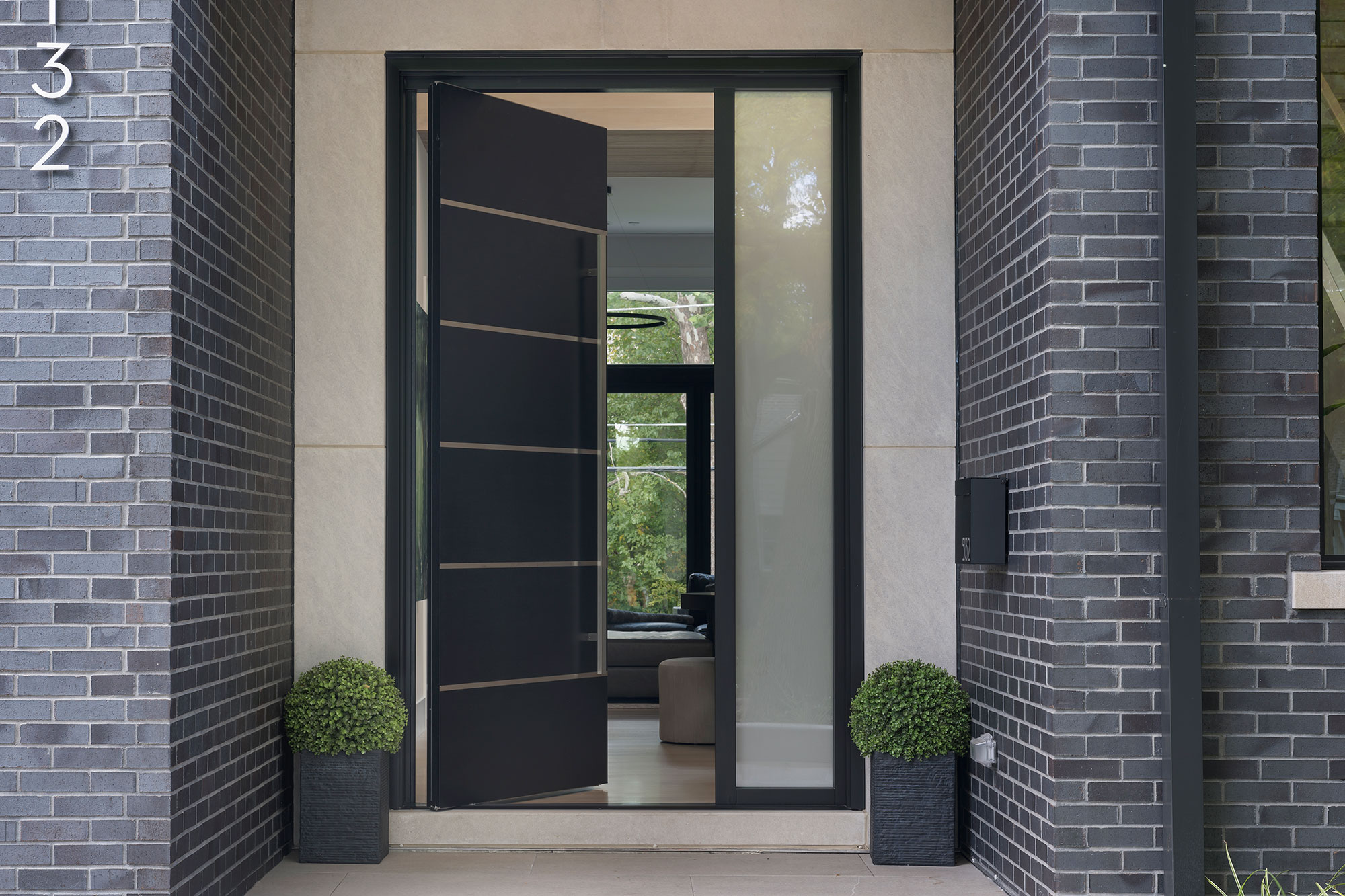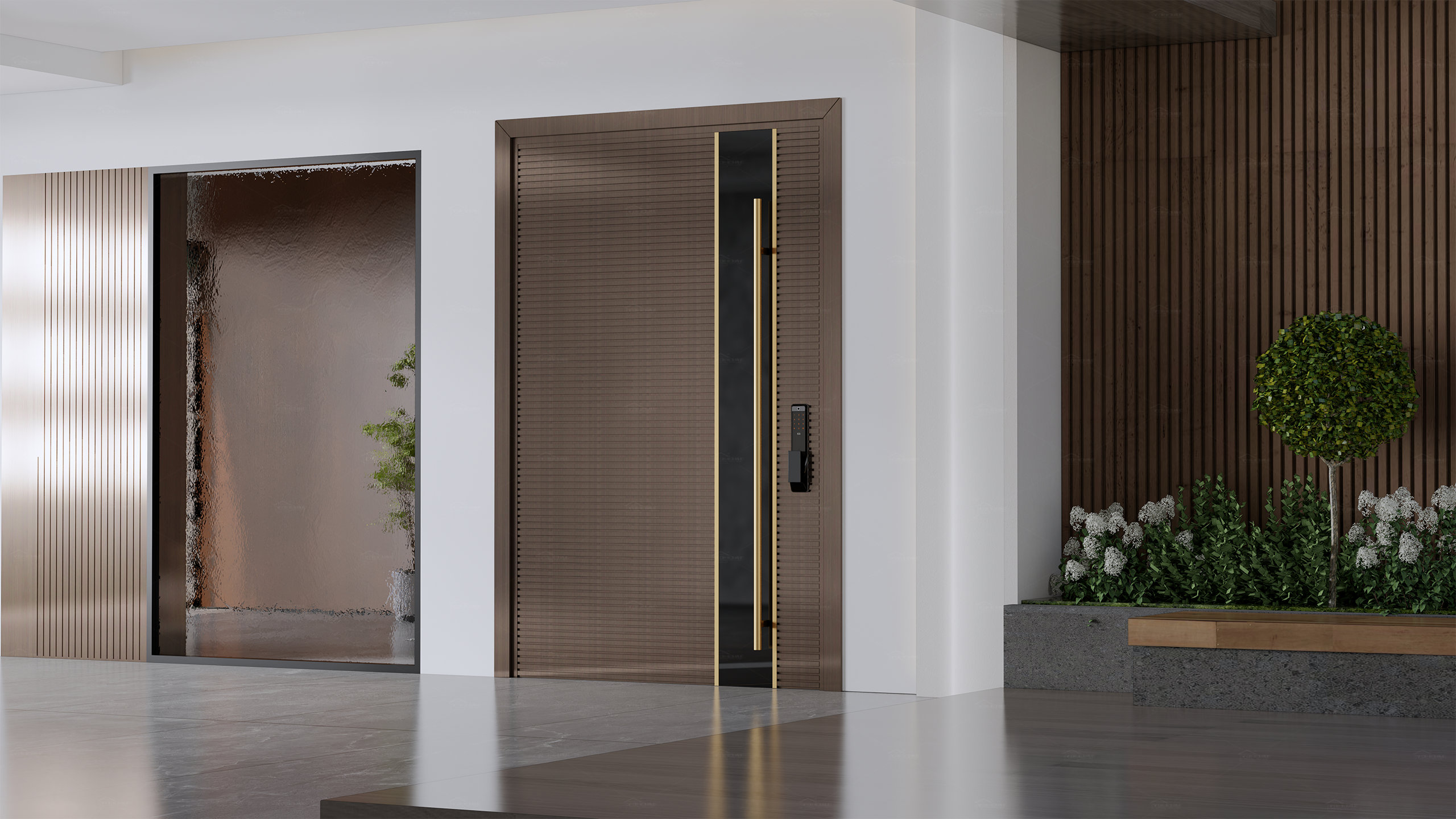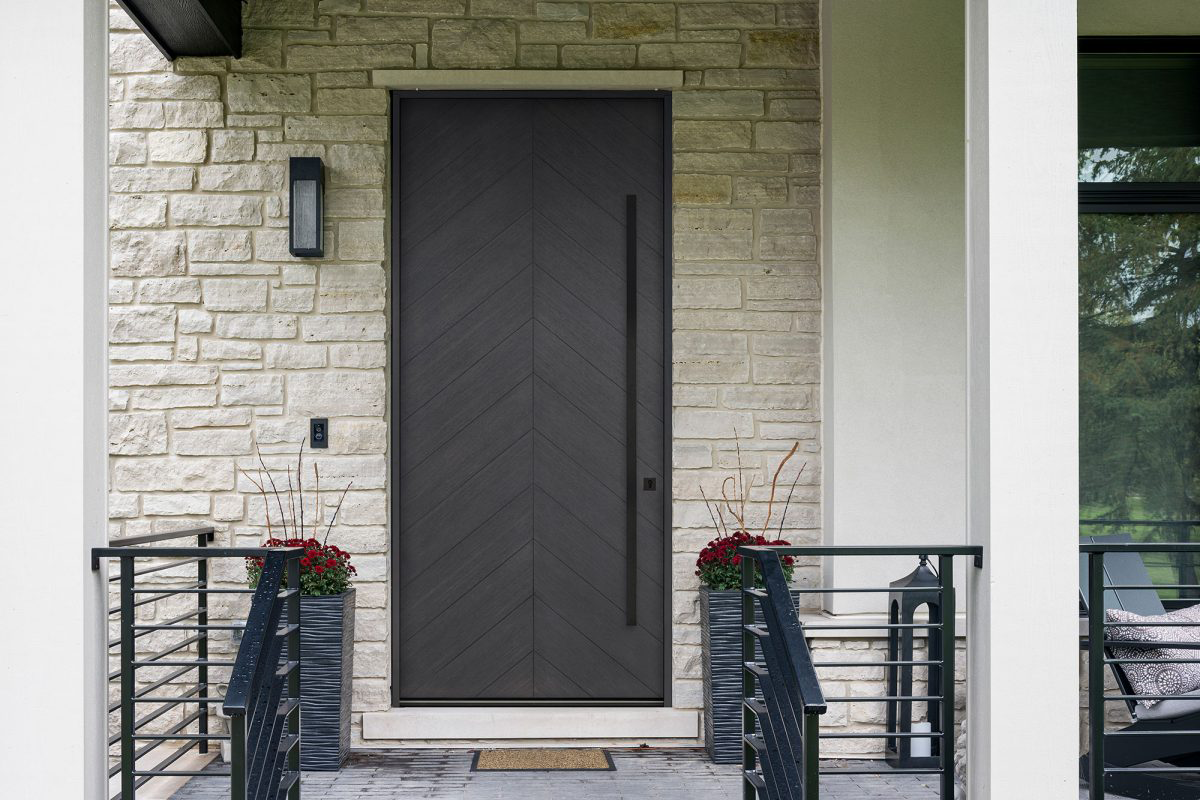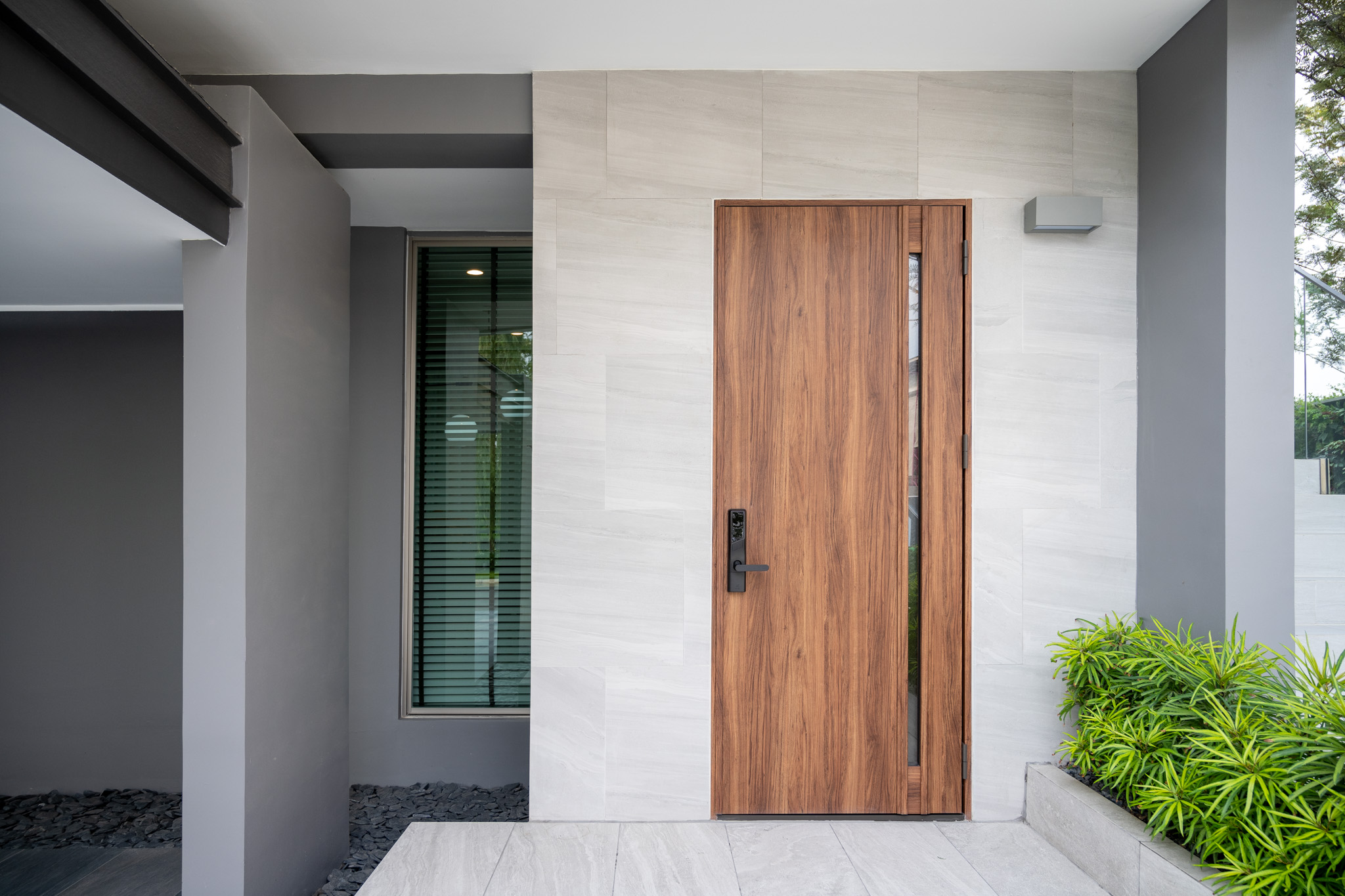
What is the standard thickness of an external door?
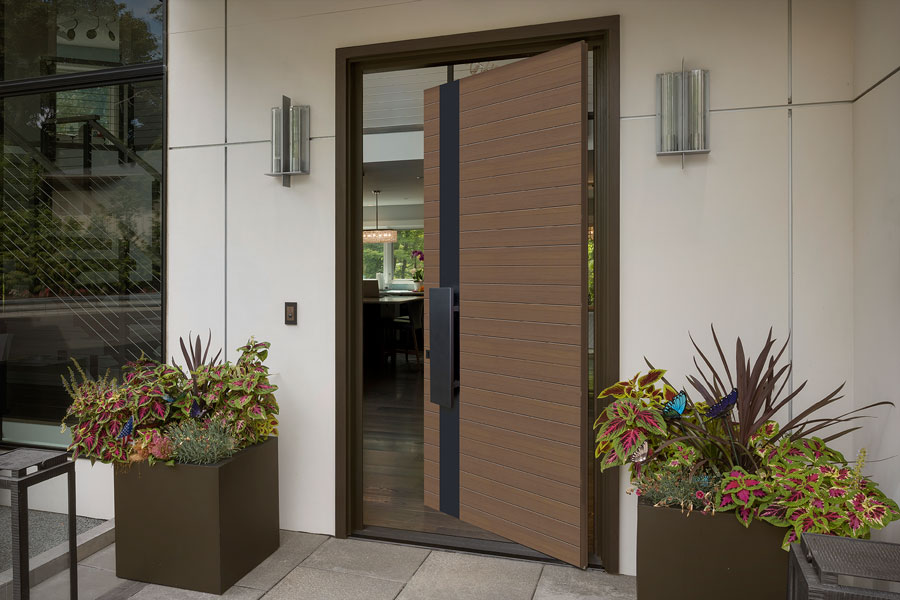
Introduction to External Doors
What Makes an External Door Different from an Internal Door?
External doors, unlike internal doors, are designed to withstand the elements. These doors are exposed to harsher conditions, including wind, rain, and extreme temperatures. The main difference between external and internal doors lies in their structure and materials. External doors are typically much sturdier, offering better security and insulation.
The thickness of external doors is usually greater than that of internal doors, as they need to block drafts and maintain energy efficiency. These doors also have a robust frame to withstand external pressure. Additionally, external doors often feature more advanced locking mechanisms, making them more secure than internal doors.
In contrast, internal doors are lighter because they don’t need to withstand the same outdoor pressures. Their primary function is to divide spaces inside the home, so their construction focuses more on aesthetics and ease of use than on durability against weather or security threats.
Importance of Choosing the Right External Door
When selecting an external door, you’re not just picking a piece of wood or steel for your home; you’re making a crucial decision that impacts both your safety and comfort. Choosing the right external door involves several factors, such as insulation, security, and aesthetics.
Secondly, the right external door improves security. External doors are often the first line of defense against potential intruders. A solid, reinforced door with a good locking system can make all the difference in keeping your family and belongings safe.
Lastly, external doors enhance your home’s curb appeal. Whether you prefer a traditional wooden look, a modern steel design, or a sleek glass finish, your external door will make a significant first impression. The style of your door can enhance your home’s overall aesthetic and complement its architectural design.
Summary
Choosing the right external door is more than just a matter of preference. It’s about investing in durability, security, and comfort, ensuring that your door performs well in all aspects for years to come.

Standard Thickness of an External Door
What is the Common Thickness for External Doors?
For external doors, thickness can vary depending on the type of door and the materials used. However, the most common thickness for an external door is around 1 3/4 inches (44mm). This thickness is standard for most residential homes and provides a good balance between durability and insulation.
Some external doors, particularly those made from solid wood or steel, may be thicker, with some options reaching 2 inches (50mm) or more. The added thickness improves the door’s energy efficiency and security.
For highly insulated or specialised external doors, such as fire-rated or soundproof doors, the thickness can reach 2 1/2 inches (63mm) or more. These doors are designed to meet specific safety and acoustic standards.
Typical Dimensions of External Doors
While the thickness of an external door is important, so are the door’s overall dimensions. The most common standard size for an external door is 80 inches (2032mm) in height and 36 inches (914mm) in width. These dimensions are widely accepted and used in most homes.
However, some homes may have doors that are 84 inches (2134mm) or even 96 inches (2438mm) tall for more grandeur or design preferences. In terms of width, 32 inches (813mm) is also a popular option for smaller entryways, though 36 inches remains the most common choice for front doors.
When selecting an external door, it’s important to measure your existing frame or the intended installation space. Custom sizes are also available if you need a non-standard size, but the most typical dimensions are the ones mentioned above.
Why Does the Thickness of an External Door Matter?
The thickness of an external door plays a crucial role in several factors, such as insulation, security, and durability. Here’s why thickness matters:
Insulation:
Thicker external doors provide better insulation, keeping your home warmer in the winter and cooler in the summer. They help prevent drafts and improve your home’s overall energy efficiency. A well-insulated door can save you money on heating and cooling costs in the long run.
Security:
The thicker the external door, the harder it is for an intruder to break through. Solid, thick doors are much harder to kick in or damage compared to thinner, lighter options. If security is a priority, opting for a thicker door can provide peace of mind.
Soundproofing:
If you’re looking to reduce noise from the outside world, a thicker door can help. Doors with more thickness can better block sound, making your home quieter and more comfortable.
Durability:
Thicker doors are generally more durable and resistant to wear and tear. Whether it’s from weather conditions or general use, a thicker door tends to last longer and maintain its appearance over time.
Summary
In conclusion, the thickness of an external door isn’t just about its look or feel. It’s an essential factor that affects the door’s performance in terms of comfort, security, and energy efficiency. When choosing your external door, consider the level of insulation, security, and durability you need, and select a thickness that meets those requirements.
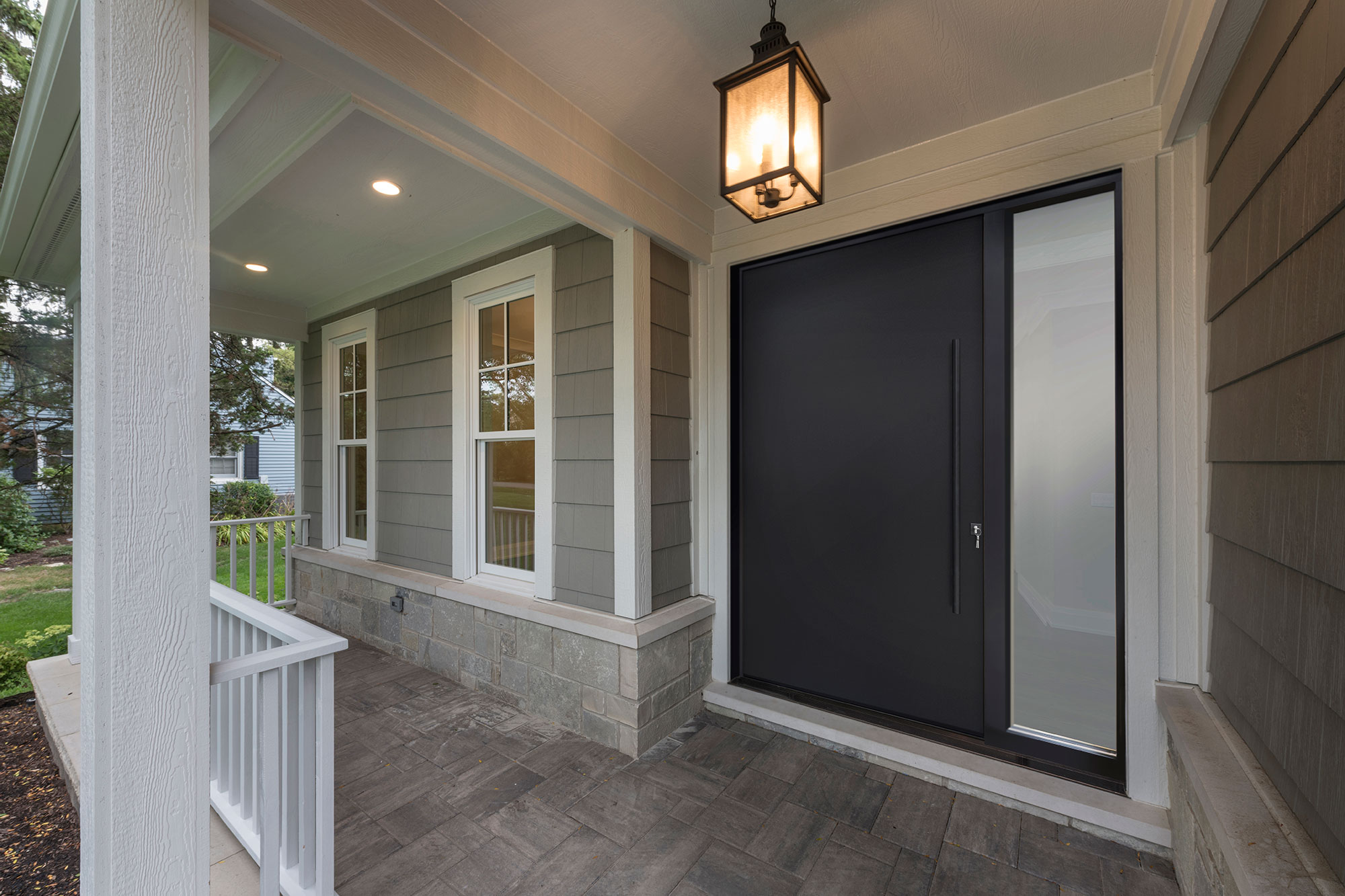
Factors That Affect the Thickness of External Doors
Material Considerations
The material used for your external door significantly impacts its thickness. Different materials have unique properties that affect the door’s strength, insulation, and durability.
Wood:
Traditional wooden external doors tend to be thicker than those made of other materials. Solid wood doors often have a thickness of about 1 3/4 inches (44mm) to 2 inches (50mm). This thickness helps wood doors provide good insulation and a classic aesthetic. However, they may require more maintenance over time as wood can expand and contract with changes in humidity.
Cast Aluminum:
Cast aluminum doors are lighter yet still strong, making them a good choice for homeowners who want durability without the weight of solid wood. These doors are typically 1 3/4 inches (44mm) thick. They offer excellent corrosion resistance and are often used in harsh weather conditions.
Stainless Steel:
Stainless steel external doors are extremely strong and durable, making them ideal for security. These doors are usually thicker than wood and aluminum, often reaching 2 inches (50mm) or more. The extra thickness ensures the door provides superior protection while also offering high resistance to weather conditions and wear.
Fiberglass and Composite:
Fiberglass and composite external doors are designed for energy efficiency. These doors often feature a foam core, making them thicker than traditional wooden doors. The typical thickness of a fibreglass door ranges from 1 3/4 inches (44mm) to 2 1/2 inches (63mm). The insulation helps improve energy efficiency, keeping your home comfortable and your energy bills low.
Summary
Each material has its strengths and affects the door’s overall performance. Choosing the right material depends on your priorities—whether it’s strength, appearance, energy efficiency, or maintenance.
Climate and Weather Impact on Door Thickness
The climate in which you live can also affect the ideal thickness of your external door. External doors need to withstand weather conditions, so the thicker the door, the better it performs in extreme climates.
Cold Climates:
In areas with harsh winters, thick exterior doors are essential. A door that’s thicker and well-insulated will help retain heat inside the home and prevent cold drafts from entering. This can significantly impact your heating costs and ensure a cozy indoor environment. For colder climates, 2 inches (50mm) thick or more is often the best choice to keep your home warm and energy-efficient.
Hot Climates:
In hotter climates, the focus shifts to keeping the heat out. Thicker doors with a solid insulation core can block heat from the outside, keeping indoor spaces cool. Insulated fibreglass or composite doors are ideal for hot climates, as they help regulate indoor temperatures and reduce the need for air conditioning.
Humid or Wet Climates:
If you live in a humid or coastal area, corrosion-resistant materials such as stainless steel or fibreglass are a smart choice for exterior doors. These materials prevent damage from moisture and salt, which can weaken other materials over time. In such environments, a thicker, corrosion-resistant door is critical to ensuring longevity and performance.
Summary
Overall, the climate directly impacts the performance and material choice for your external door. You should choose a door with adequate thickness and insulation to handle the specific weather conditions in your area.
Security and Insulation Requirements
The thickness of your external door is not just about keeping the weather out—it’s also about providing a safe and secure entry into your home. Thicker external doors tend to provide better security and insulation, which are both crucial factors to consider when selecting the right door.
Security:
A thicker external door offers greater protection against break-ins. For instance, solid wood or steel doors provide more resistance to forced entry. Doors with a thickness of 2 inches (50mm) or more are recommended for homeowners who prioritize security. In addition, thicker doors often come with stronger locking mechanisms and better protection against tampering.
Insulation:
External doors play a key role in keeping your home energy-efficient. Thicker doors, especially those with insulated cores, offer better protection against winter heat loss and summer heat gain. Insulated doors help maintain a stable indoor temperature, reduce energy consumption, and improve overall comfort. If energy efficiency is a top priority, choosing a door with a good insulation rating and adequate thickness will help you save on energy costs.
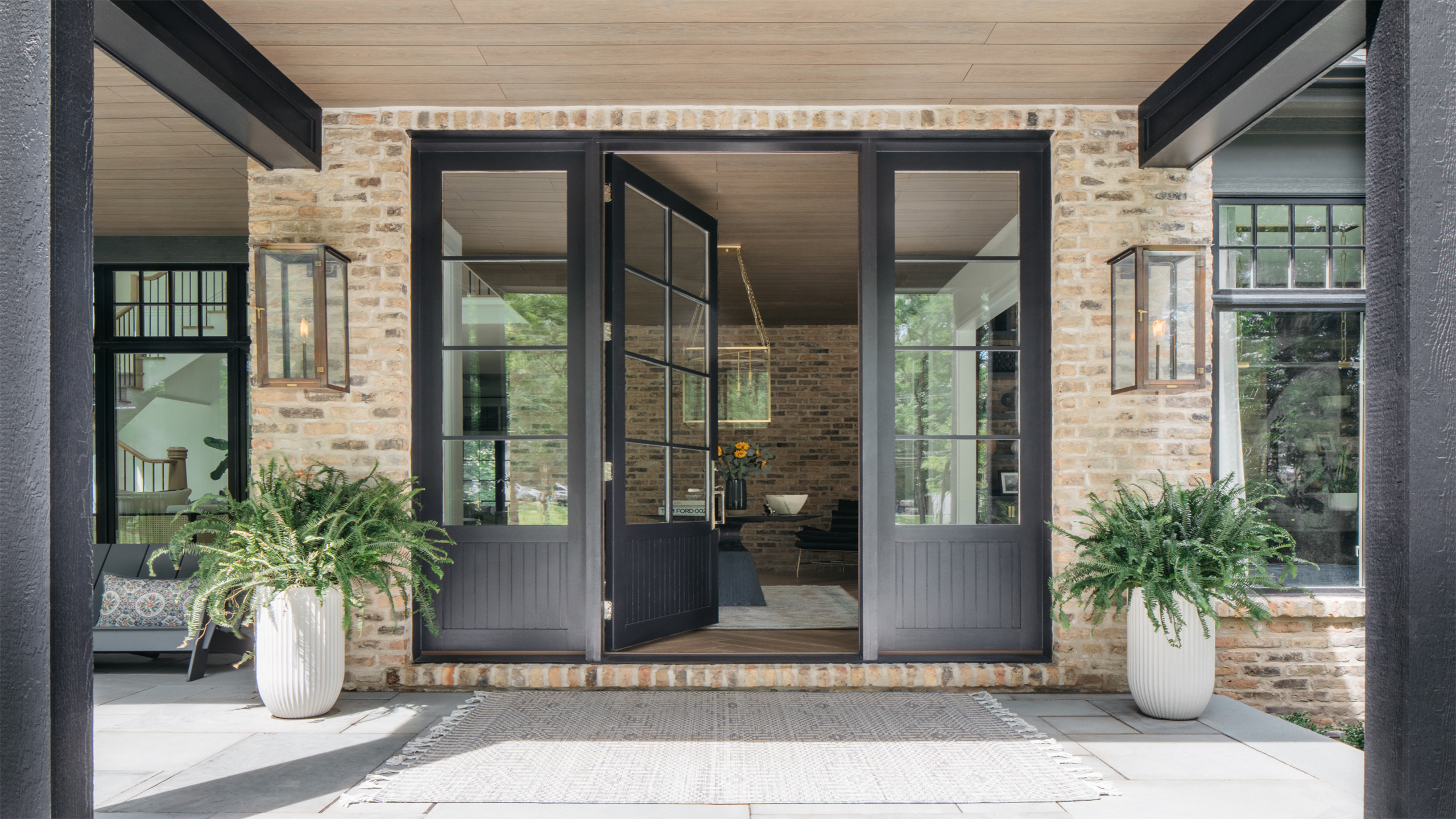
Different Types of External Doors and Their Thickness
Solid Wood External Doors
Solid wood exterior doors are a timeless, classic choice for homeowners seeking durability and natural beauty. These doors are known for their strength, excellent insulation properties, and aesthetic appeal. The thickness of a solid wood external door typically ranges from 1 3/4 inches (44mm) to 2 inches (50mm), though some high-end options may even be thicker.
The thickness of a wooden external door helps it resist the effects of weather, improving both insulation and security. A thicker wooden door will provide better protection against heat and cold, making it an excellent choice for homes in a variety of climates. Additionally, solid wood doors often allow customisation, so you can choose different finishes, panel designs, and even sizes to match your home’s style.
However, wood does require regular maintenance, especially in humid or wet climates. Over time, wood can expand or contract, potentially affecting its fit or performance. Despite this, a solid wood external door remains a popular and reliable option for many homeowners who value its natural charm and robust construction.
Cast Aluminum External Doors
Cast aluminium external doors are a lightweight yet durable option that provides strong protection against the elements. These doors are known for their resistance to rust and corrosion, making them an ideal choice for coastal areas or regions with high humidity. The thickness of cast aluminium external doors typically ranges from 1 3/4 inches (44mm), offering a balance between sturdiness and weight.
Cast aluminum doors are also energy-efficient, helping to keep your home comfortable year-round. Their thickness contributes to insulation, though they may not provide quite as much insulation as solid wood or composite doors. However, for homeowners seeking a low-maintenance door that’s weather-resistant and long-lasting, cast aluminium is a great option.
Additionally, cast aluminum doors can be customized with decorative panels and finishes, offering a sleek, modern look for your home’s exterior. They are also highly secure, with reinforced designs and solid frames, making them a reliable option for homeowners concerned with safety.
Stainless Steel External Doors
Stainless steel external doors are a premium choice known for their strength, durability, and modern appearance. These doors are often thicker than wood or aluminum doors, with a typical thickness of 2 inches (50mm) or more. The added thickness helps stainless steel doors provide superior protection against break-ins, extreme weather, and wear over time.
Stainless steel is an incredibly tough material that offers both security and insulation. These doors are highly resistant to corrosion, rust, and other forms of damage, making them ideal for homes in areas with heavy rainfall or coastal exposure. While stainless steel doors may not offer as much insulation as solid wood doors, their thickness and design still provide good energy efficiency.
The sleek, modern look of stainless steel external doors also adds a contemporary touch to your home’s exterior. Whether you’re looking for a minimalist design or a more decorative style, stainless steel doors can be customized to suit your needs. Due to their durability and strength, they are often chosen by homeowners who prioritize security and long-term performance.
Summary
In summary, each type of external door—whether solid wood, cast aluminium, or stainless steel—offers unique benefits. The thickness of each door type plays an important role in its performance, affecting everything from insulation to security. Choosing the right type of external door depends on your specific needs, climate, and style preferences.

Is There a Standard Thickness for Exterior Door Frames?
What Size Door Frame Do You Need for Standard External Doors?
When installing an external door, the door frame plays a crucial role in ensuring that the door fits properly and functions effectively. The size of the door frame is typically determined by the external door, with standard external doors generally requiring standard-sized frames.
For a 36-inch (914mm) wide external door, the standard door frame is usually around 38 inches (965mm) wide to allow for proper clearance. The frame height should be 82 inches (2083mm) for most standard 80-inch (2032mm) tall doors. This extra space ensures the door swings freely and provides room for the hinges and weatherproofing seals.
If your door is taller or wider than the standard size, such as an 84-inch (2134mm) tall door, you will need to opt for a custom door frame. Custom frames allow for the added height or width and ensure a perfect fit for the door. It’s important to consider that the frame must accommodate the door’s thickness, as well as any insulation or materials that will affect the overall dimensions.
When replacing or installing a new external door, always measure the existing frame carefully or consult a professional to ensure you select the right-sized frame for your new door. Having the correct door frame size ensures that your door functions well and provides proper security and insulation.
Differences Between Door Frames and Doors
It’s important to understand the differences between an external door and its frame, as these two components work together to provide security, insulation, and functionality.
External Door:
The external door itself is the actual barrier that closes your home’s entryway. It is typically made from materials such as wood, stainless steel, or cast aluminium. The door’s thickness and construction materials contribute to its security and insulation properties. While the frame plays an essential role, it’s the door that is exposed to the elements and provides protection from the outside.
Door Frame:
The door frame is the structural component that supports the external door. It is typically made from wood, metal, or a combination of both. The frame is installed into the wall opening, and it’s within this frame that the door swings open and closed. It also contains the hardware needed to operate the door, including hinges, locks, and weather seals.
The main difference between the two is that the door frame is a stationary component that supports the door, while the door is the movable part that provides access to your home. The frame must be strong enough to support the door’s weight and secure it properly, while the door must meet specific performance standards, such as insulation, security, and ease of use.
Summary
In summary, the size and strength of the door frame are just as important as the door itself. Without a proper frame, your external door will not function as it should, potentially compromising security, insulation, and durability. Always make sure your door frame matches the size and type of the external door you choose.
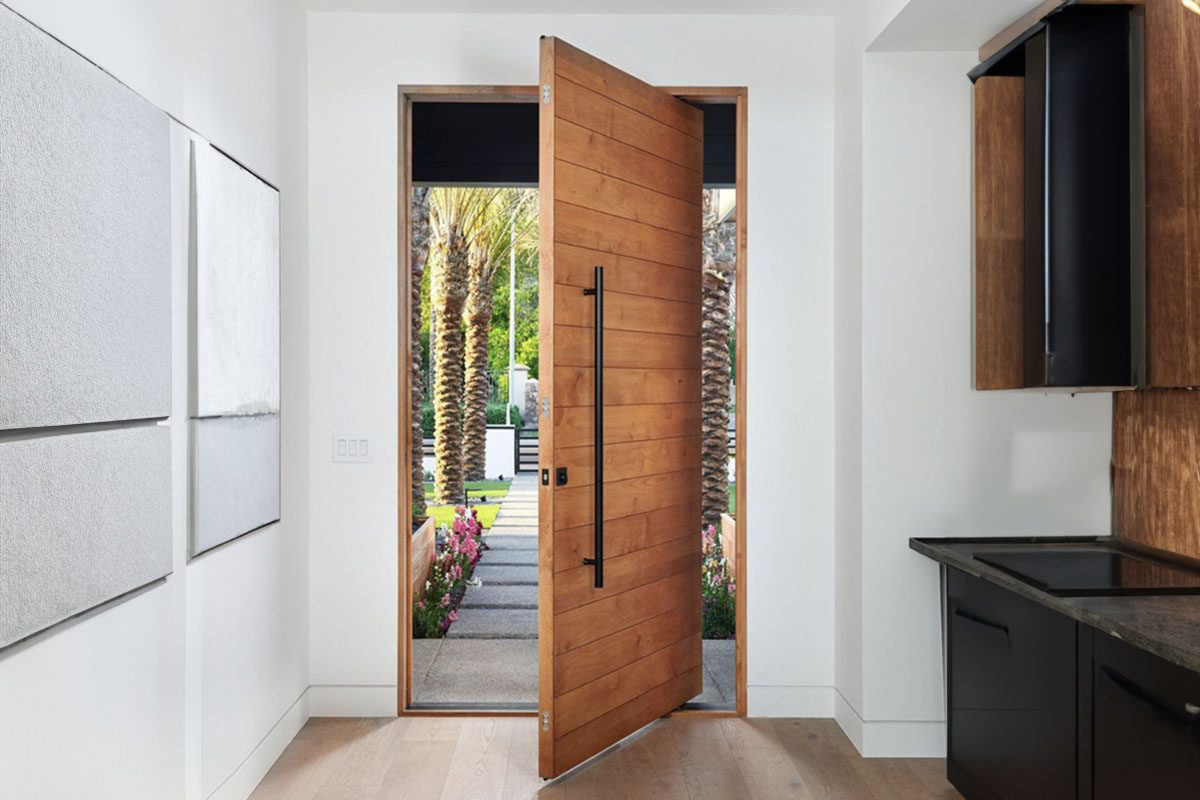
How to Choose the Right Thickness for Your External Door?
Key Considerations for Homeowners
Choosing the right thickness for your external door is more than just about looks—it’s about making a smart investment that improves your home’s security, comfort, and energy efficiency. Here are the key things homeowners should consider when selecting the right thickness for an external door:
1. Security:
The thicker the external door, the harder it is for intruders to break in. Thicker doors made of strong materials, such as steel or solid wood, offer greater protection. If security is a high priority for you, look for doors that are at least 1 3/4 inches (44mm) thick, or even thicker for additional strength.
2. Insulation and Energy Efficiency:
The thickness of the door affects its ability to keep your home warm in the winter and cool in the summer. Thicker doors, especially those with insulation cores, offer better energy efficiency by reducing drafts and heat loss. If you’re in an area with extreme weather, choosing a thicker door can help reduce energy costs.
3. Climate:
The weather conditions in your area should also influence your choice. In colder climates, a thicker door provides better insulation, keeping heat in. In hotter climates, thicker doors with good insulation help keep the heat out and keep indoor temperatures cooler.
4. Aesthetic and Style:
While function is essential, don’t forget the door’s appearance. The door’s thickness may also affect its design. A thicker door may appear more solid, enhancing your home’s curb appeal. Choose a thickness that complements your house’s architectural style.
5. Budget:
Thicker doors tend to be more expensive. Keep in mind that while investing in a thicker, higher-quality door may have a higher upfront cost, it can save you money on energy bills and maintenance over time. Consider your budget when selecting the thickness of your external door, but remember that it’s an investment in your home’s long-term performance.
How to Measure Your Door’s Thickness?
Measuring the thickness of your external door is essential when selecting a new door or replacing an old one. Here’s a step-by-step guide to help you measure it accurately:
1. Remove Any Decorative Trim:
If there’s trim or molding around the door frame, remove it first. This will give you a clear view of the door’s edge.
2. Use a Measuring Tape:
Grab a standard measuring tape and measure the door’s thickness from the edge. Measure from one side of the door to the other, making sure the tape is flat and aligned properly to get an accurate reading.
3. Check the Full Door Thickness:
In some cases, the door may have a solid core with an outer layer of veneer or other materials. Be sure to measure through the entire thickness of the door, not just the surface material.
4. Measure Multiple Points:
If the door is not perfectly uniform, measure at different points along the edge to get an average thickness. This is especially important for wooden doors that can warp over time.
5. Double Check:
Always measure twice to ensure accuracy, especially if you’re ordering a custom door. This ensures the door will fit properly into your existing frame and that there are no surprises during installation.
What to Look for in Custom Doors?
When shopping for a custom external door, the thickness is just one consideration. Here’s what else to look for to ensure you’re getting the right door for your home:
1. Material:
Custom external doors are available in a variety of materials, including wood, stainless steel, and cast aluminium. Each material has different properties in terms of strength, insulation, and appearance. Choose a material that meets your needs for durability, energy efficiency, and aesthetic appeal. For example, if you want a door that provides top-notch security, a 2-inch (50mm) solid steel door might be ideal.
2. Insulation:
Many custom doors offer enhanced insulation options, such as foam cores or double-glazed panels. These features can greatly improve the door’s energy efficiency. Consider how much insulation you need based on your local climate and energy-saving goals.
3. Design and Style:
Custom doors allow you to choose the style, finish, and hardware that match your home’s decor. Whether you want a traditional wooden door, a sleek modern steel design, or a door with intricate glass panels, customisation options let you match your personal taste.
4. Security Features:
Some custom doors come with enhanced security features, such as reinforced frames, multiple locking points, or impact-resistant glass. These features can offer added peace of mind, especially if you live in an area with higher security concerns.
5. Durability:
A custom door should be built to last. Check the materials and craftsmanship to ensure the door can withstand the elements and daily wear and tear. For example, steel doors are highly durable and resistant to damage, while solid wood doors may require more maintenance but offer a natural look.
6. Fit and Measurements:
Ensure you provide accurate measurements of your door frame when ordering a custom door. A well-fitting door is essential for proper insulation, security, and operation. If you’re unsure about measurements, consult a professional to help ensure the door fits perfectly.
Summary
In conclusion, choosing the right thickness for your external door depends on various factors, including security, insulation, climate, and your aesthetic preferences. By carefully considering these factors, you can ensure your external door meets your needs and delivers long-lasting performance. Whether you choose a pre-made or custom door, taking the time to select the right thickness will improve your home’s security, energy efficiency, and curb appeal.
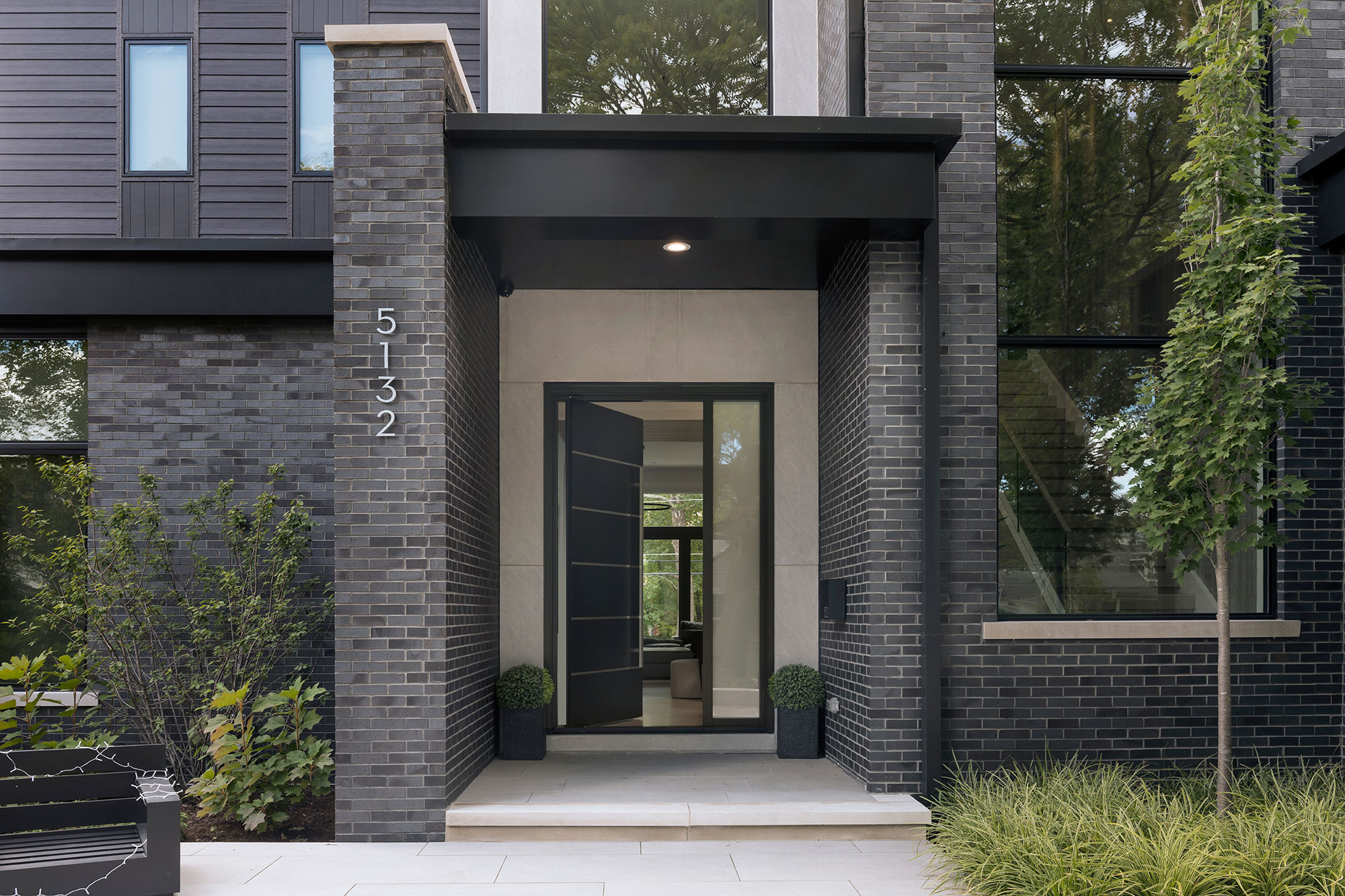
Can You Adjust the Thickness of an External Door?
Can You Modify Existing Doors?
Yes, it is possible to modify an existing external door if you need to adjust its thickness. However, this depends on the door material and the extent of required modifications.
- Wooden Doors: If your external door is made of wood, it’s relatively easier to modify the thickness. You can sand down the door to reduce its thickness, but do so cautiously. Keep in mind that excessive sanding could weaken the door or affect its structural integrity. Additionally, if the door has an insulating core or veneer layers, this can complicate the process. In some cases, it might be more practical to replace the door rather than modify it.
- Steel or Aluminum Doors: Modifying the thickness of a metal door is more challenging. These doors are usually pre-manufactured to specific thicknesses, and adjusting them can be difficult without affecting their strength and security features. If you need to reduce the thickness of a steel or aluminium door, it’s best to consult a professional to determine whether it’s feasible. In most cases, it may be more cost-effective to purchase a door that fits your requirements.
What to Do if the Door Thickness Doesn’t Fit Your Frame
If your front door is over 20 years old, it may no longer function as efficiently as it should. While regular maintenance can extend life, an old door can become less secure, energy-efficient, and appealing.
1. Re-sanding or Planing the Door:
For wooden doors, you can use a planer to shave off a small amount of thickness from the edges. This can help the door fit the frame without compromising its strength. However, be careful not to remove too much material, as this could affect the door’s insulation properties and security. It’s always best to make small adjustments and test the fit frequently.
2. Adjusting the Door Frame:
If the door is too thick and cannot be modified easily, you may need to adjust the door frame itself. This might involve trimming the frame to accommodate the thicker door or adjusting the hinges to allow for more space. For this process, you might need a professional carpenter or door installer to ensure the frame is altered without damaging the structure.
3. Replacing the Door:
If modifying the door or frame isn’t feasible, replacing the external door might be the most practical option. A custom door can be made to fit perfectly within the existing frame, ensuring proper insulation, security, and functionality. When replacing a door, it’s important to carefully measure the frame and consult a professional to get the right size and thickness.
4. Weatherstripping and Sealing:
If the door fits but doesn’t seal properly due to its thickness, you can use weatherstripping to fill the gaps. Weatherstripping is an easy, affordable solution that improves a door’s insulation and energy efficiency. This is especially useful if your door is only slightly too thick and needs a little extra sealing to prevent drafts.
Summary
In conclusion, while it is possible to adjust the thickness of an external door, the process depends on the door’s material and the extent of the adjustment needed. If you find that your door doesn’t fit your frame, the best solution is to either carefully modify the door or the frame or replace the door altogether. Always prioritise security and insulation when making any changes to your external door.
Relate FAQ
What is the standard thickness of an external door?
The standard thickness for most external doors is typically 1 3/4 inches (44mm). This thickness ensures durability, security, and proper insulation. However, it can vary depending on the type of door and its material.
What are the most common materials for external doors?
External doors can be made from a variety of materials, including:
- Wood – Traditional, elegant, and provides great insulation.
- Stainless Steel – Durable, secure, and offers excellent protection.
- Cast Aluminum – Lightweight and resistant to corrosion, often used for modern designs.
Are external doors thicker than internal doors?
Yes, external doors are generally thicker than internal doors to provide better security and insulation. While internal doors are usually around 1 3/8 inches (35mm) thick, external doors often have a standard thickness of 1 3/4 inches (44mm) or more, depending on the material and security requirements.
What thickness of an external door is best for security?
For enhanced security, external doors should ideally be 1 3/4 inches (44mm) thick. Additionally, doors made of steel or solid wood provide extra protection, and many high-security doors are thicker or incorporate reinforced cores for added strength.
How thick should an external door be for energy efficiency?
An external door with a thickness of 1 3/4 inches (44mm) is typically sufficient for most homes, providing a balance of insulation and energy efficiency. However, the material and the door’s core also play a significant role. Doors with foam cores or double-glazed panels provide better insulation and help reduce energy costs.
Can I change the thickness of my external door?
Yes, it’s possible to change the thickness of an external door, but it may require modifications to the door frame. It’s important to ensure the frame can accommodate the new thickness, and in some cases, professional installation may be necessary to ensure proper fit and performance.
How do I measure the thickness of an external door?
To measure the thickness of an external door:
- Open the door fully.
- Use a tape measure to measure from the inside edge to the outside edge of the door panel.
- Ensure the measurement is taken at the thickest point, typically in the center of the door.