Where are invisible doors used?

Introduction to Invisible Door
What is an Invisible Door?
Define the Concept of An Invisible Door
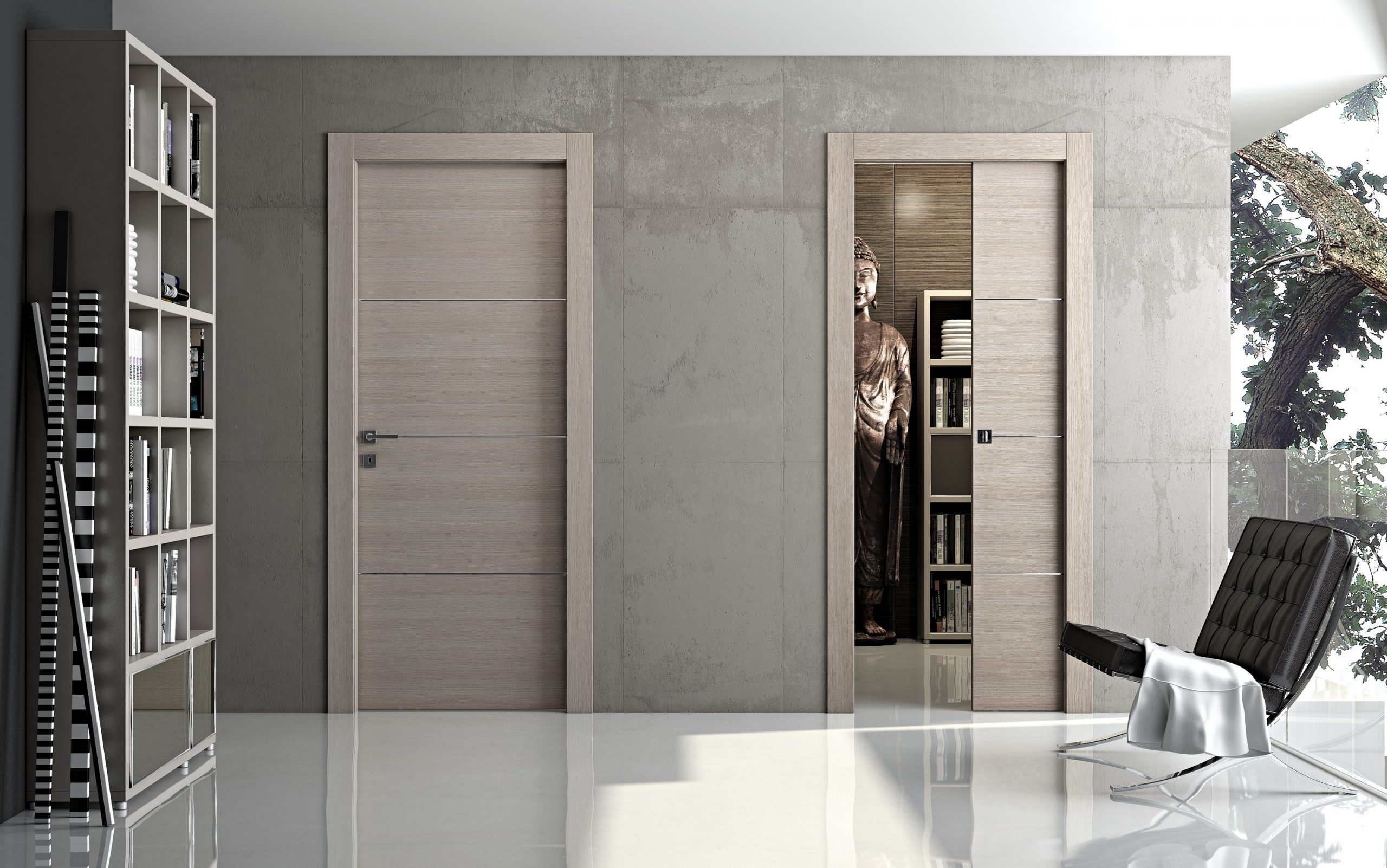
An invisible door is exactly what it sounds like – a practically invisible door. It’s a cleverly designed opening that blends into its surrounding walls, often made to look like part of the wall or furniture. This design concept is all about minimalism.
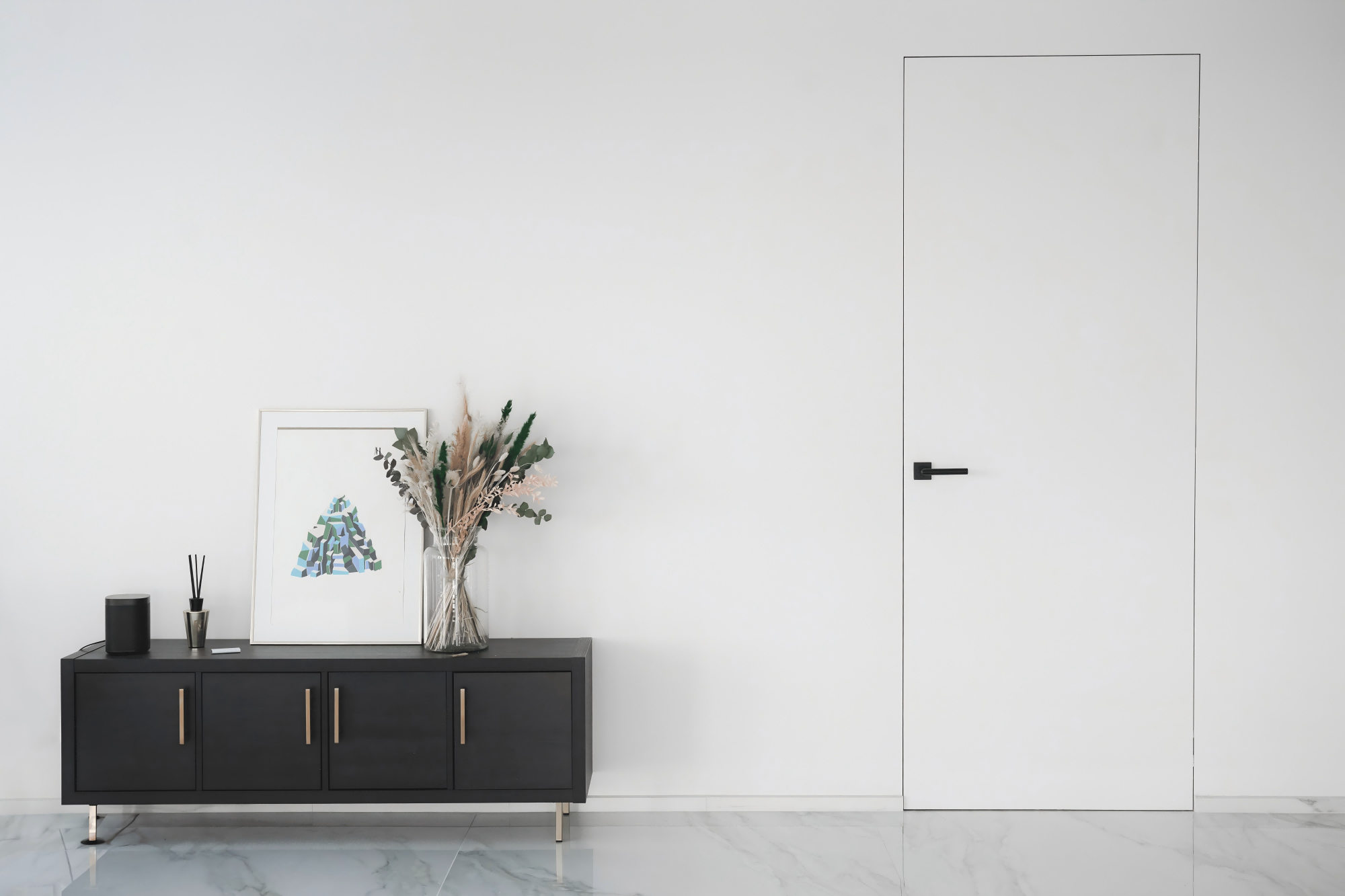
The door is hidden in plain sight, with no visible hardware, such as handles or hinges, standing out. When closed, it looks like a regular wall or panel, offering a sleek, uninterrupted surface.
Brief Explanation of How It Works and Its Design Features
Clever engineering and design techniques power invisible doors. These doors typically operate with hidden mechanisms, making them easy to open and close without visible handles or knobs. Some use a magnetic or touch system, while others are hinged so they swing open effortlessly. Many invisible doors use concealed tracks or hydraulic systems to remain stable and open with minimal force. These mechanisms are carefully built into the frame or wall, ensuring that the door works smoothly and securely.
One of the key design features of invisible doors is their ability to match the surrounding environment. For example, a door can be designed to look like part of a bookshelf, a wall panel, or even a window. This integration into the design creates a minimalist aesthetic that’s perfect for modern homes, offices, and other spaces where clean lines and simplicity are important.
Why Are Invisible Doors Gaining Popularity?
Discuss the Growing Trend of Invisible Doors in Modern Architecture and Design
Invisible doors are catching the attention of architects, designers, and homeowners alike. The trend has grown, especially in luxury homes and contemporary office spaces, because they offer a unique combination of style and functionality. As more people embrace minimalism and sleek, clean designs, invisible doors provide a seamless way to achieve this look.
Invisible doors also tie into the rise of smart homes and technology-driven interiors. These doors can be paired with advanced systems, such as touch-sensitive or remote-controlled opening mechanisms. As demand for innovative, aesthetically pleasing spaces increases, invisible doors are seen as the perfect solution for creating hidden rooms or secret areas in modern architecture. The ability to hide storage spaces, home offices, or even wine cellars behind a wall is an appealing feature in both residential and commercial designs.
Advantages Over Traditional Doors
Invisible doors offer several advantages compared to traditional doors, making them increasingly desirable. One of the most significant benefits is their aesthetic appeal. Unlike traditional doors, which often disrupt a room’s flow with bulky handles and visible frames, invisible doors blend into the design. They can be made to look like part of a wall, bookshelf, or other elements, making them ideal for spaces that require a clean, uninterrupted look. This seamless integration is particularly popular in open-plan spaces and minimalist interiors.
Another major advantage is their space-saving qualities. Traditional doors require a swing space, making them unsuitable for tight or small areas. Invisible doors, on the other hand, don’t have this limitation. Because they operate on concealed hinges or tracks, they can open into walls or storage spaces without taking up any extra room. This makes them perfect for compact spaces, like tiny apartments or small office cubicles, where every inch counts.
Additionally, invisible doors provide a sense of privacy without compromising the design or openness of a space. They’re perfect for creating hidden rooms or compartments while keeping everything visually neat and organized. Whether you’re using them in a home theater, a hidden wine cellar, or a discreet office space, invisible doors offer the flexibility to enhance privacy without clashing with the overall design aesthetic.
How Does an Invisible Door Work?
Maximizing Space with Invisible Doors
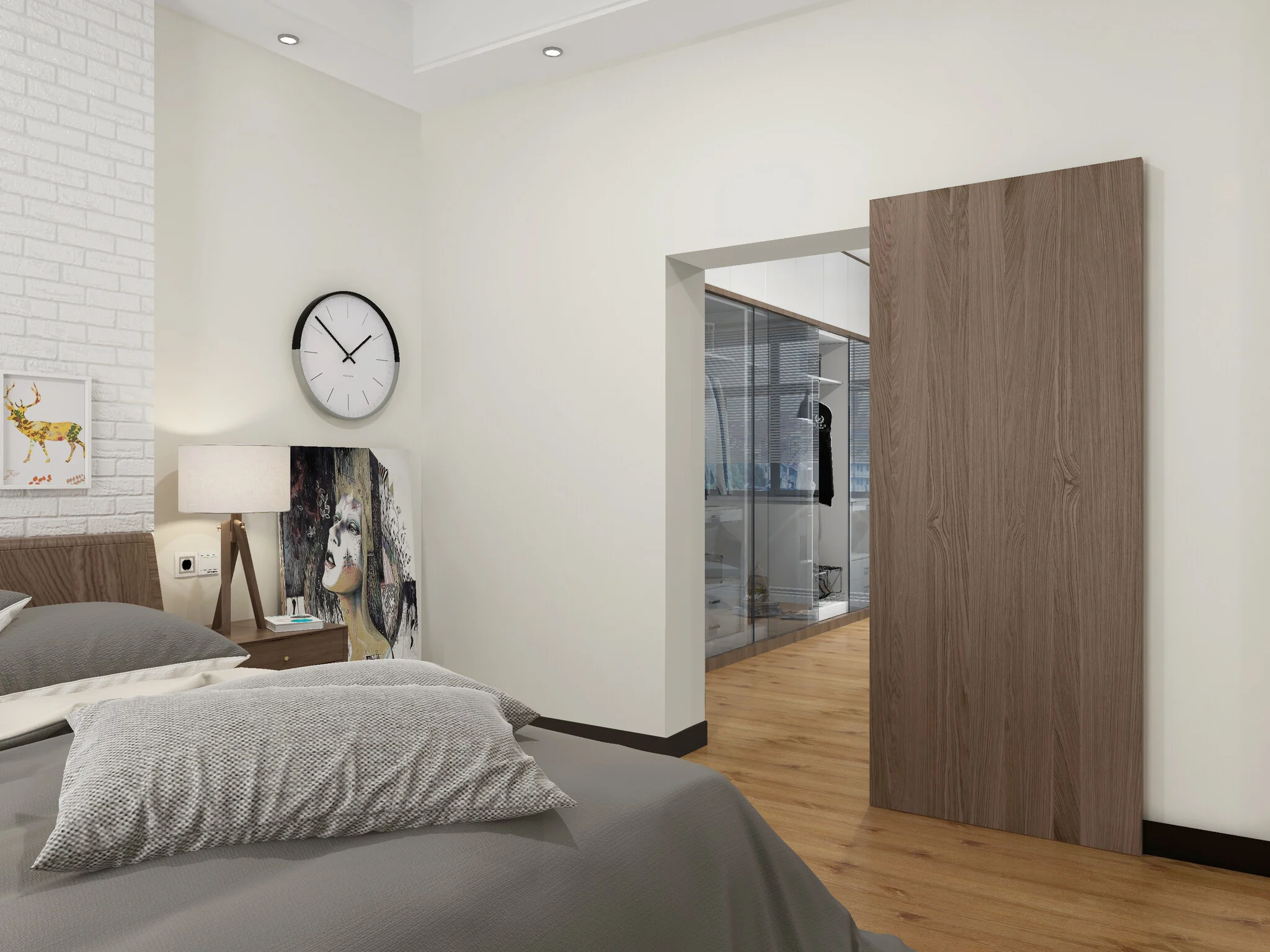
Invisible doors excel at making a space feel larger. By eliminating the need for bulky frames or visible hardware, they create an illusion of expanded space. This is especially helpful in rooms that are already small or have complex layouts.
In smaller rooms or apartments, invisible doors can significantly enhance the perception of space. They blend effortlessly into the walls, providing more freedom to arrange furniture or décor. The absence of handles and frames gives the space an open, airy feel.
Space-Saving Design
One of the biggest advantages of invisible doors is their ability to save space. Traditional doors often have large, obtrusive frames and handles that can make a room feel more cramped. In contrast, invisible doors are all about simplicity. They have no visible hardware, making them almost disappear when closed.
This minimalistic design choice works especially well in smaller rooms. Without the distractions of a traditional door, the space feels less cluttered and more expansive. Invisible doors are a great way to keep the room looking tidy while still providing easy access between spaces.
Suitable for Small or Cramped Spaces
Invisible doors are ideal for small or cramped spaces where every inch matters. In tight areas like hallways, bathrooms, or tiny apartments, invisible doors maximize available space. They provide a seamless transition between rooms without drawing attention to themselves.
In a room with limited square footage, invisible doors create a sleek, modern look while making the room feel more open. Their ability to blend into the wall means there’s no need to sacrifice style for function. They are a clever way to make the most of every corner without cluttering the space.
Invisible Doors as a Design Element
Invisible doors offer more than just functionality—they serve as a unique design element in modern interiors. When strategically placed, they can add a sense of intrigue and sophistication to your home. These doors don’t need to be flashy or overly detailed to make an impact; their very simplicity makes them stand out.
When used thoughtfully, invisible doors can create a sense of openness and continuity. They act as a seamless extension of the walls, contributing to a clean, minimalist aesthetic that’s very much in demand today.
Using Invisible Doors as a Statement Piece
While invisible doors are often associated with simplicity, they can also be used as statement pieces in certain settings. In a room that’s focused on clean lines and modern design, an invisible door can add a subtle yet powerful touch of luxury.
For example, an invisible door can be the perfect complement to a feature wall or a bold, minimalist design. Whether placed in the living room, kitchen, or bedroom, the invisible door can serve as the room’s centerpiece. It’s all about creating an element that seamlessly blends in while also offering a unique twist to the space.
Combining with Modern Furniture and Wall Finishes
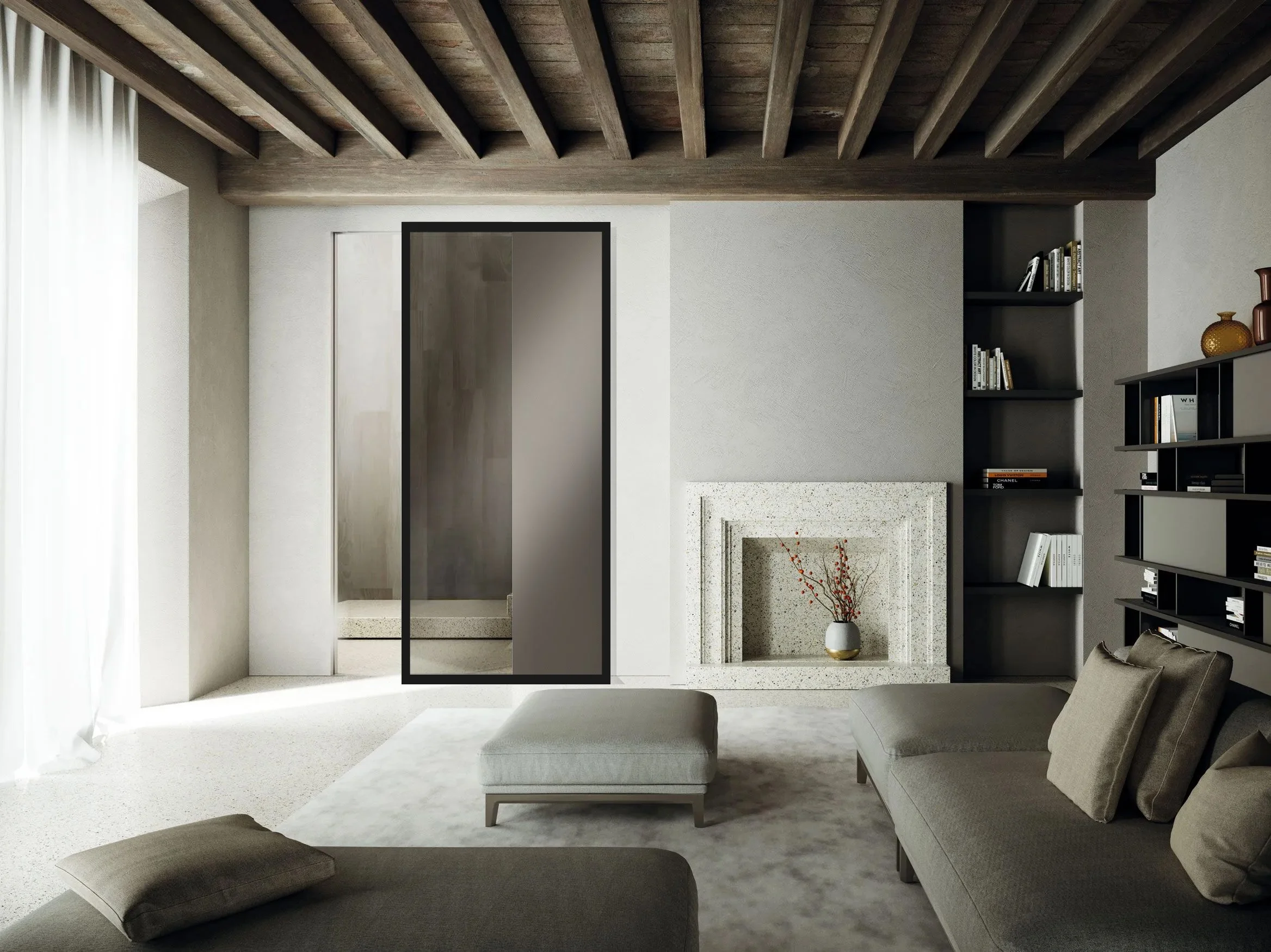
Invisible doors pair beautifully with modern furniture and wall finishes. When combined with contemporary décor, they enhance the room’s overall aesthetic. The absence of visible hardware and frames allows the door to blend seamlessly with sleek furniture, minimalist wall treatments, and smooth finishes such as matte paint or textured wallpaper.
In an open-plan living area, for instance, an invisible door can seamlessly integrate into the walls, creating an uninterrupted flow between the living and dining spaces. It complements modern furniture, such as low-profile sofas or minimalist dining tables, while maintaining the room’s clean, airy atmosphere. The combination of invisible doors, modern furniture, and wall finishes creates a space that feels polished, stylish, and effortlessly cohesive.
Incorporating invisible doors into your interior design can create a striking balance between style and functionality. Whether used as a statement piece or to enhance a room’s flow, these doors contribute to a modern, sophisticated living space.
Invisible Doors In Smart Homes
In a smart home, every detail should feel connected. An invisible door works well in this setup because it supports both function and style. It blends into the wall while also working with smart systems behind the scenes. So, you get a space that looks calm but feels advanced.
A hidden door system can be linked to lighting, security, and motion sensors. As a result, the door becomes part of the whole smart home experience, not just a basic feature.
Integration With Home Automation Systems
One of the biggest advantages of an invisible door is how easily it fits into home automation. You can connect a smart invisible door to systems like voice control or mobile apps. For example, you can open the door with a phone tap or a voice command.
Also, many flush invisible doors now work with motion sensors. So, when you walk close, the door opens smoothly. This is useful in places like kitchens or home offices where your hands may be full.
How They Contribute To The Overall Smart Home Aesthetic?
A smart home should feel simple, not busy. That’s where an invisible door really shines. Since it has no visible frame or handle, it keeps the space neat. It removes visual noise, which is key in modern design.
When you pair an invisible door with smart lighting or minimal furniture, the whole space feels more high-end. Everything flows better. Nothing feels out of place.
Also, a hidden door design supports the idea of “less but better.” Instead of adding more elements, it hides them. This creates a calm and organized environment, which is exactly what most smart homes aim for.
Invisible Doors In Residential Spaces
Hidden Doors In Modern Homes
A hidden door is no longer just a cool feature. It has become a smart design choice. In modern homes, people want clean lines and simple layouts. So, an invisible door blends right in and supports that idea.
For example, a concealed door can hide a pantry, a closet, or even a private room. Guests may not even notice it at first. That small surprise adds a bit of fun and mystery to the space. More importantly, it keeps the design neat and balanced.
Seamless Integration With Walls And Furniture
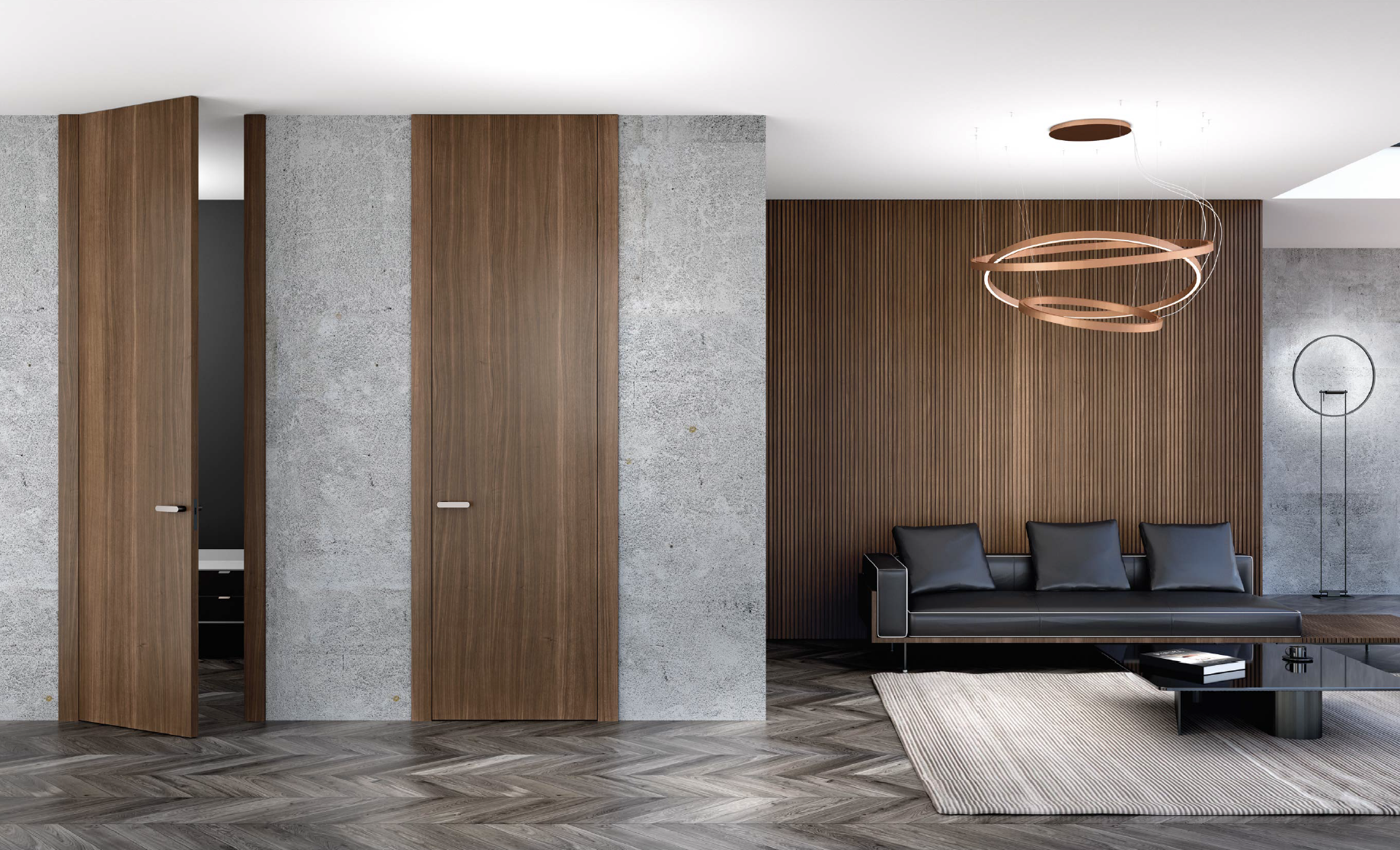
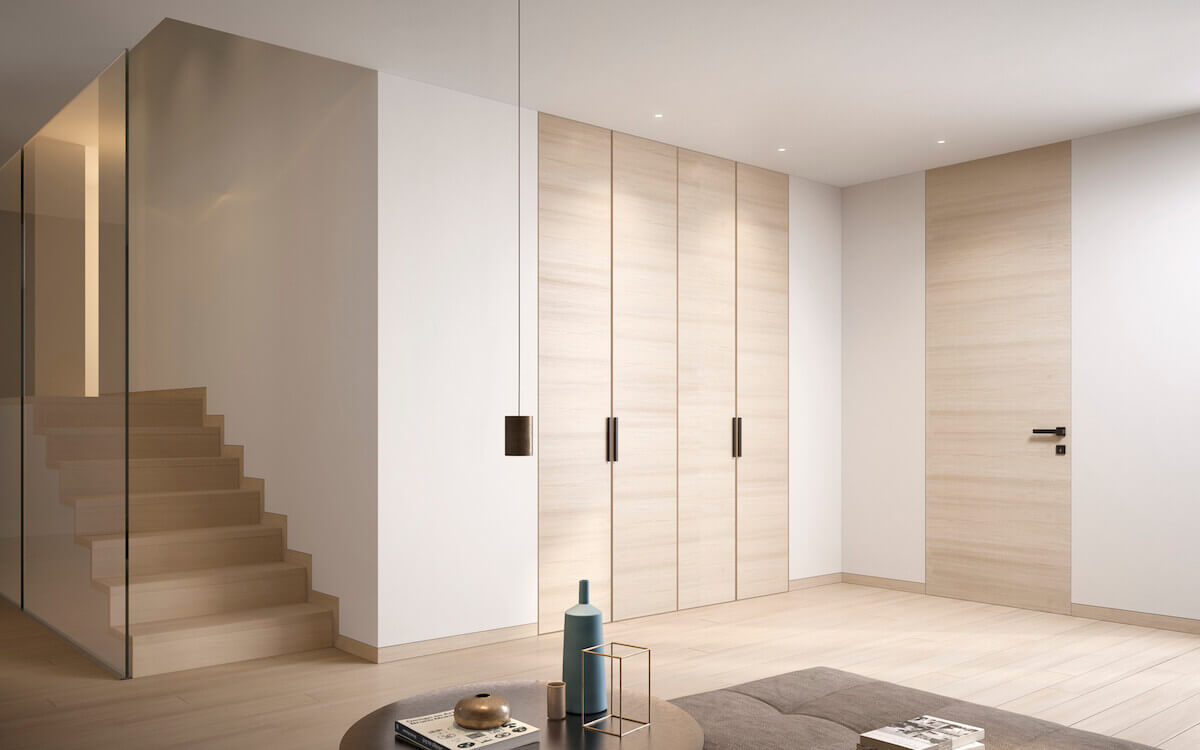
One key strength of an invisible door is its ability to blend with walls and furniture. You can paint the invisible door the same color as the wall. Or, you can use the same wood panels or wall finish. This makes the door almost disappear.
In some homes, designers even match the hidden door with built-in shelves or cabinets. So, the door becomes part of the furniture. This creates a smooth and unified look. Because of this seamless integration, the room feels less crowded. Your eyes don’t get distracted. Instead, everything feels connected and easy to follow.
Benefits Of Using Invisible Doors In Living Rooms
The living room is where design matters most. It’s the space people see first. So, using an invisible door here can make a big difference.
First, an invisible door keeps the living room clean and modern. There are no visible hinges or handles. So, the wall looks smooth and complete.
Second, it helps hide private areas, such as storage or hallways. This keeps the focus on the main design, like your sofa or TV wall.
Also, a hidden door can improve how the space feels. The room looks bigger and more open. That’s very useful, especially in small apartments.
In the end, an invisible door in the living room is a simple upgrade. But it brings a strong impact. It improves both function and style without adding extra noise to the space.
Invisible Doors In Home Offices
A home office needs focus and privacy. That’s where an invisible door really comes in handy. It creates a clear boundary but does not ruin the room’s look. Instead of a standard door, a hidden door design blends into the wall. So, the office feels like a quiet, separate zone.
At the same time, when the door is closed, it almost disappears. This is great if your office sits inside a bedroom or living space. You keep a clean layout while still having a dedicated work area.
Creating Private Spaces With Hidden Doors
Privacy matters when you work from home. An invisible door makes it easier to create that private space. Once you close the door, you block visual distractions. This helps you stay focused.
Also, a concealed door can completely hide the office. Guests may not even notice it. This is useful if you don’t want your workspace on display all the time.
In addition, a hidden door system works well for small homes. You don’t need extra walls or bulky dividers. The invisible door does its job simply.
Soundproofing And Design Aesthetics
Noise can break your focus fast. So, many invisible doors now come with basic soundproof features. A well-built, flush, invisible door can reduce noise from other rooms. It won’t block all sound, but it helps create a quieter space.
You can also upgrade materials to improve sound control. For example, solid core panels or tight seals can make a big difference. This makes your home office feel more peaceful.
At the same time, the design stays clean. The invisible door keeps the wall smooth. No handles, no frames, no distractions. It fits well with modern desks, simple shelves, and neutral colors.
In the end, an invisible door gives you both function and style. It creates a quiet, private workspace while keeping your home looking sharp and organized.

Invisible Doors in Commercial Settings
Office Spaces And Conference Rooms
In office spaces, layout matters a lot. An invisible door helps connect different areas without breaking the design. For example, you can use a hidden door for meeting rooms, private offices, or storage areas.
In conference rooms, a concealed door keeps the focus on the discussion. There are no distractions from handles or frames. Everything looks clean and sharp. Also, it creates a more high-end feel, which is great for presentations and client meetings. At the same time, employees can move between spaces easily. The invisible door supports a smooth workflow.
Maximizing Space And Productivity
A big benefit of an invisible door is space efficiency. In many offices, space is limited. So, every detail matters. An invisible flush door takes up less visual space and helps the room feel open.
Because the design is simple, people feel less crowded. This can actually improve focus and productivity. A clean space helps people think clearly.
Also, with a hidden door system, you can hide storage or utility rooms. This keeps the workspace tidy. And when the space looks organized, managing work becomes easier.
Using Invisible Doors For Privacy In Open-Concept Offices
Open offices are popular, but they often lack privacy. That’s where an invisible door becomes very useful. You can create quiet zones or private rooms without changing the whole layout.
For example, a hidden door can lead to a small meeting room or a focus booth. When closed, the door blends into the wall. So, the open space still looks consistent.
At the same time, it gives employees a place to take calls or work in a quiet environment. This balance is important. Too open, and people lose focus. Too close, and the space feels tight.
An invisible door solves this problem. It keeps the office open but adds privacy when needed. That’s why more modern offices are adopting this kind of design.
Hotels And Luxury Resorts
Hotels and resorts focus on experience. Every detail should feel thoughtful. That’s why many designers choose invisible doors in these spaces. A hidden door design adds a subtle sense of surprise. Guests may not notice it right away, and that creates a unique feeling.
Also, a concealed door fits well with modern hotel styles. Clean walls, soft lighting, and minimal decor all work better without visible doors. The invisible door supports this look and keeps the space calm and polished.
Invisible Doors In Hotel Suites And High-End Rooms
In hotel suites, an invisible door can separate spaces without breaking the design. For example, it can hide a bathroom, closet, or private lounge area. When closed, the door disappears into the wall. This makes the room feel larger and more open.
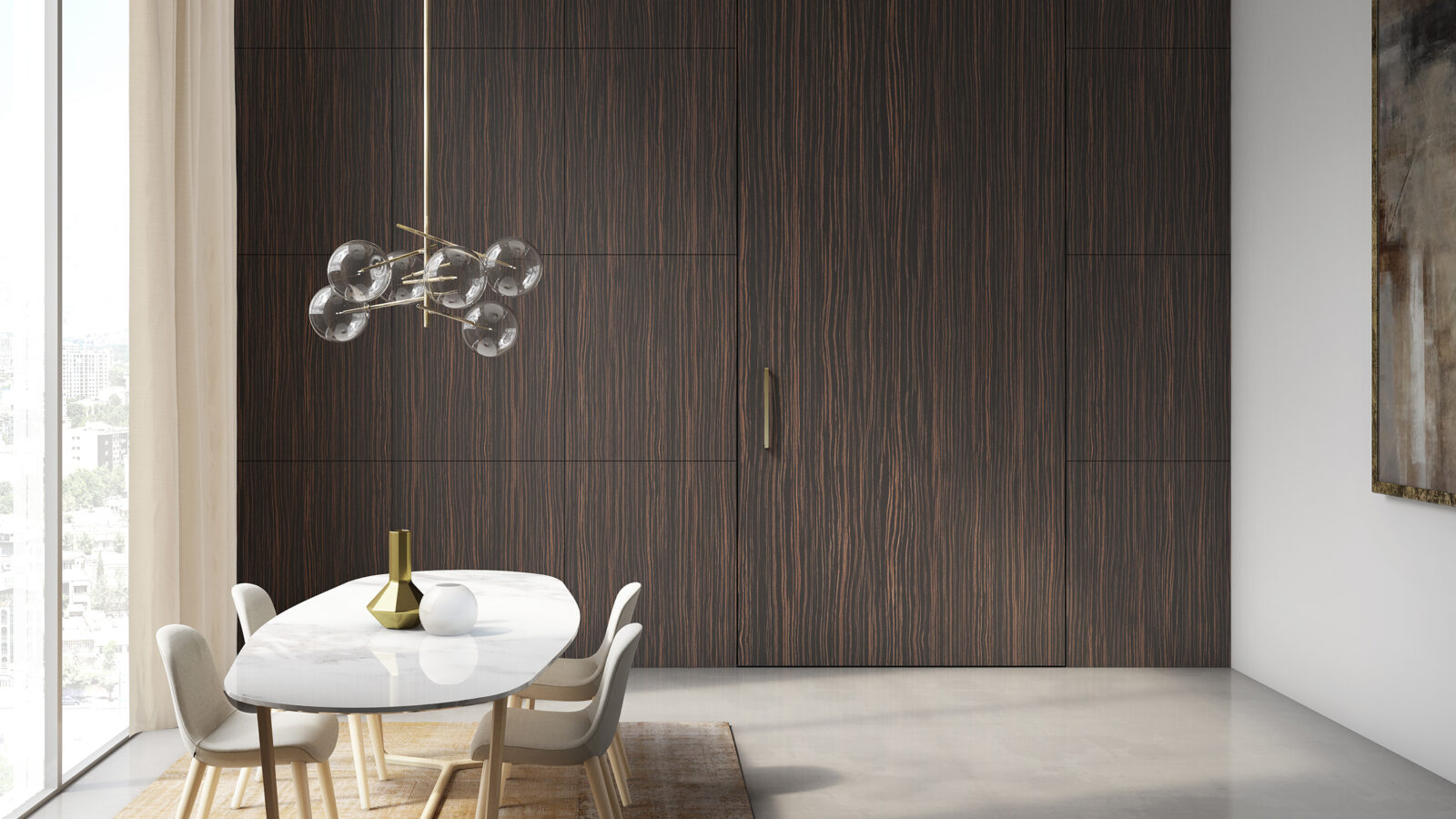
An invisible flush door also works well with luxury materials. It can match wood panels, marble walls, or textured finishes. So, the door becomes part of the design rather than a distraction.
This kind of detail helps create a high-end feel. Guests may not always notice the door itself, but they feel the difference in the space.
Enhancing Customer Experience With Hidden Entries
Guest experience is everything in hospitality. An invisible door helps improve that in a simple way. First, it adds privacy. Guests can enjoy their space without clear visual breaks or obvious entry points.
Second, it creates a smoother and more relaxing environment. A hidden door system removes clutter and keeps the room looking clean. This helps guests feel calm and comfortable.
Also, invisible doors can subtly guide movement. For example, service areas or staff entrances can stay hidden. This keeps the focus on the guest experience, not the operation behind it.
In the end, an invisible door is a small detail, but it makes a big impact. It supports luxury design, enhances privacy, and helps create a seamless, memorable stay.
Invisible Doors In Public and Cultural Spaces
Invisible Door for Homes
Museums and art galleries are spaces where every detail matters. The main focus is on the art, and the design should not compete with the exhibits. Invisible doors are the perfect solution for these environments. By using hidden doors, the architecture stays sleek and uninterrupted. Visitors can focus entirely on the art, not the structure around it.
These types of doors are often used to hide staff areas, storage rooms, or offices, ensuring that the public spaces remain pristine. With an invisible door, there’s no visual break in the walls, creating a clean backdrop that highlights the exhibits.
Protecting Art with Invisible Entries
Art preservation is a top priority in museums and galleries. An invisible door can help protect valuable pieces while also maintaining a high level of security. Many museums use concealed doors to limit access to certain areas. These doors can be equipped with advanced security systems, such as smart locks or motion sensors, ensuring only authorized personnel can enter restricted spaces.
Additionally, the discreet nature of invisible doors means they won’t detract from the space’s visual experience. By seamlessly blending with the walls, the focus stays on the artwork itself. Guests can move freely around the exhibits without the distraction of visible doors or barriers.
Enhancing Visitor Experience Through Seamless Architecture
Visitor experience is a crucial element in museums and art galleries. An invisible door enhances this experience by creating a fluid, uninterrupted space. By integrating hidden doors into the architecture, the entire space feels like a cohesive whole. This subtle design choice allows visitors to enjoy the exhibits without the distraction of traditional doors or partitions.
The smooth, minimalist look of invisible doors also supports the overall aesthetic of modern art galleries and museums. Visitors feel as though they are walking through a carefully curated space, where every element, including the doors, is thoughtfully designed to enhance their experience.
In the end, invisible doors help to protect art, create secure environments, and elevate the visitor experience. They contribute to a space that’s both functional and beautiful, keeping the focus exactly where it should be: on the art itself.
Theaters and Performance Venues
In theaters and performance venues, the design must enhance the experience for both the audience and the performers. Invisible doors are becoming an increasingly popular choice in these spaces because they offer a clean, polished look that doesn’t detract from the performance itself.
These venues often feature complex layouts with backstage areas, dressing rooms, and storage spaces that require quick access. An invisible door can offer a discreet way to move between these spaces while keeping the audience unaware of backstage activity. This helps maintain the illusion and atmosphere of the performance.
Concealing Backstage Areas and Changing Rooms
Invisible doors are especially useful in concealing backstage areas and changing rooms in theaters. The hustle and bustle behind the scenes can sometimes disrupt the flow of the performance, but hidden doors allow for seamless movement. They blend into the walls, ensuring the focus stays on the performance rather than the venue’s operational aspects.
For example, when performers need to move from a backstage area to the stage, invisible doors provide easy access without interrupting the audience’s view. Whether it’s a costume change, set adjustments, or quick scene transitions, the hidden door system keeps the backstage hidden from view, enhancing the audience’s overall experience.
Additionally, these concealed doors are often used in areas like dressing rooms, storage spaces, and staff-only zones. Since they’re not visible to the audience, they help maintain the illusion of a clean, uncluttered space, which is key to the theater or performance venue’s ambiance.
Invisible doors in these spaces also help optimize space use. They eliminate the need for bulky doorframes or handles, which could interfere with the flow of backstage operations. The result is a smooth, professional environment for performers and crew while maintaining the venue’s high aesthetic standard.
Practical Benefits Of Invisible Doors
Improved Privacy And Security
A concealed door gives you a smarter way to manage private areas. Unlike a standard door, it does not stand out. So, people may not even notice that a room is there. This helps reduce unwanted access.
Also, many invisible door systems now support modern locks and smart features. You can add keypads, hidden handles, or even app control. So, you keep both privacy and convenience.
Enhanced Privacy For Personal Spaces
In personal spaces like bedrooms, home offices, or walk-in closets, privacy is key. An invisible door helps create a quiet and separate zone. Once closed, the door blends into the wall, so the space feels more secure.
For example, a hidden door can lead to a private office or a storage room. Guests may not even know it exists. This gives you more control over your space.
Also, because the design is minimal, it reduces visual noise. This helps the room feel calm and more personal. You get both function and comfort in one simple solution.
How Invisible Doors Can Increase Security Through Hidden Entryways?
Security is not only about locks. It is also about how visible your entry points are. An invisible door improves security by staying hidden. If people cannot see the door, they are less likely to try to open it.
For example, a concealed door can hide a safe room, a storage area, or even a private office. This adds an extra layer of protection without extra effort.
In addition, you can combine an invisible door with strong materials and smart locks. This makes the hidden entry both secure and reliable. Some systems even connect to home security setups, which adds more control.
At the end of the day, an invisible door gives you a quiet advantage. It does not just close a space—it protects it subtly and effectively.
Also, invisible doors often use solid core materials. These materials are heavier, so they absorb more sound. When combined with tight edges and proper installation, the door becomes a strong barrier against noise.
This makes a big difference in spaces where quiet matters. You don’t need a full soundproof room. A good invisible door already improves the situation a lot.
The Soundproof Qualities Of Invisible Doors For Quiet Environments
In places like bedrooms or home offices, quiet is essential. An invisible door helps create that calm space. When closed, it reduces outside noise and helps you relax or focus.
For example, in a bedroom, a concealed door can block noise from the living room or hallway. This leads to better sleep and less disturbance.
In a home office, a flush, invisible door helps reduce background noise.
So, you can take calls, join meetings, or work without distractions.
Also, many modern invisible door systems include seals or acoustic strips. These small details improve soundproof performance. While it may not be 100% soundproof, it creates a much quieter environment.
In the end, an invisible door gives you both style and comfort. It keeps the space clean while also helping control noise simply and effectively.
Easy Maintenance And Durability
One strong point of an invisible door is its ease of maintenance. Since the door sits flush with the wall, there are fewer edges where dust can collect. Also, there are no visible handles or frames that need extra cleaning.
A hidden door system usually uses high-quality materials. These materials resist wear and daily use. So, the door keeps its shape and function for a long time.
In addition, most invisible doors come with concealed hinges. These hinges stay protected inside the structure. As a result, they last longer and need less adjustment.
Low-Maintenance Features And Materials Used
An invisible flush door is designed for simplicity. Many models use durable surfaces like laminate, MDF, or treated wood. These finishes are easy to wipe and do not stain easily.
Also, because the invisible door blends into the wall, you can paint or finish it the same way as the wall.
If the wall looks clean, the door looks clean too. This saves time and maintains consistent space.
Some concealed door systems also include soft-close mechanisms. These reduce impact and protect the door over time. So, even with daily use, the door stays in good condition.
Long-Lasting And Durable Designs
Durability is a key reason people choose an invisible door. A well-made hidden door can last for many years without major issues. The structure is solid, and the design avoids weak points like exposed joints or heavy handles.
Also, the minimal design helps reduce damage. Fewer parts can break or loosen. This keeps the door stable over time.
In high-use areas like living rooms or offices, a concealed door system still performs well. It handles frequent opening and closing without losing alignment.
In the end, an invisible door is a smart long-term choice. It looks simple, but it is built strong. You get a clean design, easy care, and lasting performance—all in one solution.
Maintenance and Care for Invisible Door
Invisible doors offer a sleek, modern design that fits seamlessly into any space. However, just like any other interior door, they require regular maintenance to keep them functioning properly and looking their best. Whether you have a wood, glass, or metal invisible door, maintaining it is essential to ensure longevity and smooth operation.
How to Keep Your Invisible Door in Top Condition?
Keeping your invisible door in top condition involves regular care, cleaning, and checking for performance issues. Here’s how you can maintain your invisible door:
1. Regular Cleaning:
Invisible doors, especially those made from glass or wood, should be cleaned regularly to remove dust, dirt, and fingerprints. Use a gentle glass cleaner and a soft cloth to avoid scratches on invisible glass doors. For wooden doors, a damp cloth is enough to wipe off dust. Be sure to avoid harsh chemicals that could damage the finish.
2. Check for Smooth Operation:
Periodically check that the door opens and closes smoothly. If you notice any resistance, it could indicate an issue with the hinges or tracks. You can lubricate the hinges with a silicone-based lubricant to ensure they remain smooth.
3. Examine the Seals:
The seals around the door are crucial for insulation and soundproofing. Over time, these seals can wear out. Regularly inspect them for any cracks or damage and replace them if necessary. This will help maintain the door’s privacy and energy savings efficiency.
4. Inspect for Gaps or Misalignment:
Occasionally, check if the door still aligns perfectly with the wall. If there are gaps between the door and the surrounding wall, it might be a sign that the door has shifted or that the hinges are loosening. In this case, you may need to adjust the door or call in a professional for realignment.
5. Protect from Humidity and Extreme Temperatures:
If you have a wood or metal invisible door, be mindful of extreme temperature changes or high humidity, as they can cause the materials to expand or contract. For example, wood can warp in high humidity, and metal can corrode. Ensure that the space where the door is installed has a stable temperature and humidity level.
Common Issues with Invisible Doors and How to Solve Them
Although invisible doors are generally low-maintenance, they can face a few common issues over time. Here’s how to handle some of the most frequent problems:
1. Door Sticking or Jamming:
This can happen if the door is misaligned or dirt builds up in the track or hinges. To fix this, check for any debris in the hinges or track and clean them carefully. If the door still doesn’t open smoothly, it could indicate that the pivot points or hinges need lubrication or adjustment.
2. Magnetic Lock Not Engaging:
Invisible doors often use magnetic locks to secure them in place when closed. If the lock isn’t engaging properly, check for any debris around the locking mechanism. Clean it with a soft cloth and ensure that the magnets are intact. If the issue persists, the magnets may need to be replaced or realigned.
3. Misalignment of the Door:
If the invisible door begins to sag or shift over time, it could cause misalignment with the surrounding wall, leading to gaps or difficulty closing. To fix this, you might need to adjust the hinges or tracks. Sometimes, you may require professional help to ensure the door is realigned correctly.
4. Scratches or Dents:
Invisible doors, especially those made from glass or wood, can be susceptible to scratches or dents. To avoid this, be mindful of objects or heavy furniture that could come into contact with the door. If a scratch or dent does occur, repair kits are available for wood and glass surfaces. You may need to consult a professional to smooth out the damage to metal doors.
5. Soundproofing Issues:
Over time, the soundproofing ability of your invisible door might decrease. This is especially common in high-traffic areas. If you notice noise leaking through the door, replacing or reinforcing the seals might be in order. Upgrading to a higher-quality soundproofing material can also help.
How to Maintain the Hidden Hinges and Locks?
The hinges and locks of an invisible door are critical to its smooth operation and security. Since these parts are hidden within the door or wall, they require special attention to ensure they remain in good working order.
1. Lubricate the Hinges:
The hidden hinges are often subject to wear and tear, especially if the door is used frequently. Apply a small amount of silicone-based lubricant to the hinges every few months to keep them moving smoothly. Avoid using oil-based lubricants, as they can attract dust and dirt, which may cause the hinges to stick.
2. Check for Rust or Corrosion:
It’s essential to check for any signs of rust or corrosion on metal invisible doors, especially those with hidden hinges. If you spot any rust, use a fine-grit sandpaper to smooth out the surface, then apply a protective coating or paint to prevent further damage.
3. Inspect the Locking Mechanism:
It’s important to ensure the locking mechanism is secure, whether a magnetic or traditional lock. Check that the magnets align properly and that the lock fully engages when the door is closed. If the lock feels loose or the door doesn’t stay shut properly, adjust the lock or replace the components as needed.
4. Keep the Locking Mechanism Clean:
Just like hinges, the locking mechanism can accumulate dust or debris, preventing it from functioning properly. Wipe the lock and its components with a soft cloth to remove dirt or buildup. For magnetic locks, ensure that the magnets are not blocked or covered by dust.
Summary
The hinges and locks of an invisible door are critical to its smooth operation and security. Since these parts are hidden within the door or wall, they require special attention to ensure they remain in good working order.
Relate FAQ
Where are invisible doors most commonly used?
Invisible doors are widely used in modern residential spaces such as living rooms, bedrooms, and hallways. They are especially popular in minimalist and contemporary interiors where clean lines and seamless walls are essential.
Are invisible doors suitable for commercial spaces?
Yes, invisible doors are frequently used in offices, hotels, and retail environments. They help maintain a sleek, professional appearance while discreetly concealing storage rooms, staff-only areas, or service corridors.
Can invisible doors be used in luxury homes?
Absolutely. High-end residential projects often use invisible doors to create hidden entrances to walk-in closets, private offices, or safe rooms, enhancing both aesthetics and exclusivity.
Are invisible doors used in small apartments?
Yes, invisible doors are ideal for compact spaces. By blending with the wall, they reduce visual clutter and make rooms appear larger and more open.
Can invisible doors be used for hidden rooms?
Invisible doors are a perfect solution for hidden rooms such as secret storage areas, panic rooms, or private lounges. They provide both functionality and a unique design feature.
Are invisible doors only for modern interior design?
While most popular in modern and minimalist styles, invisible doors can also be adapted to other design aesthetics by customizing finishes, textures, and surrounding wall treatments.