Which interior doors are best for noise reduction?
Introduction to Noise-Reducing Interior Doors
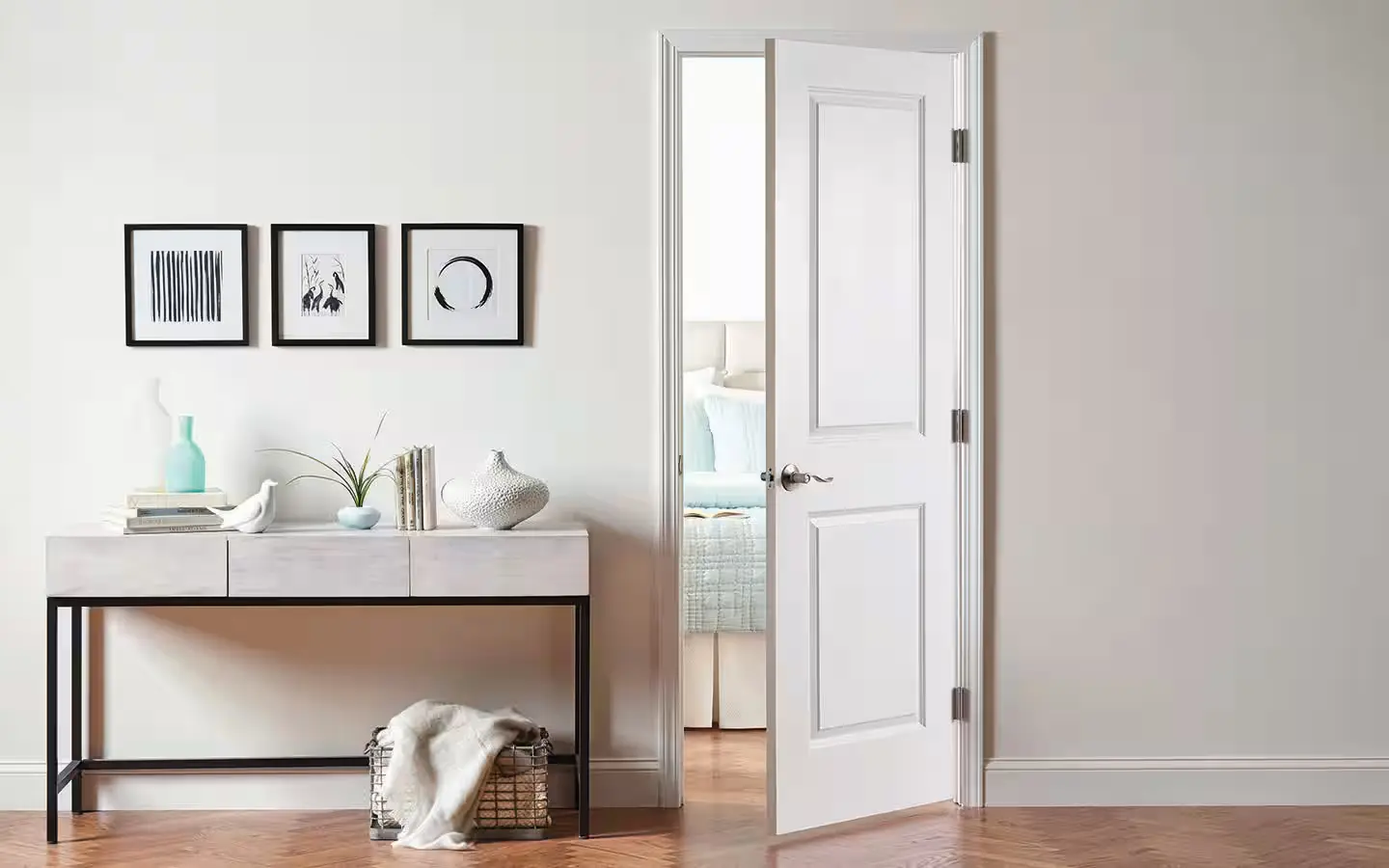
Noise-reducing interior doors offer a simple and effective way to block sound and create a quieter environment. These doors are specifically designed to minimize sound transmission, creating a more comfortable, private space.
What Is Noise Reduction in Homes?
In many homes, unwanted noise can disrupt daily activities and cause stress. This is why improving your home’s acoustics with noise-reducing solutions, such as special interior doors, can make a big difference. These doors are engineered to block or absorb sound, making it easier to sleep, work, or relax without being disturbed by outside noise.
Explain Soundproofing Simply
Soundproofing means preventing sound from traveling through walls, floors, or doors. Think of it like adding a layer of protection that keeps noise out—or in—where you need it. For interior doors, soundproofing can be achieved with thicker materials, special seals around the edges, or a door design that limits gaps through which sound can pass.
This way, noise from the hallway or adjacent rooms is kept to a minimum, keeping your space quieter. Soundproof doors don’t make a room completely silent, but they significantly reduce noise levels.
Why Noise Reduction Matters in Bedrooms, Offices, Apartments?
Soundproofing means preventing sound from traveling through walls, floors, or doors. Think of it like adding a layer of protection that keeps noise out—or in—where you need it. For interior doors, soundproofing can be achieved with thicker materials, special seals around the edges, or a door design that limits gaps through which sound can pass.
In offices, noise reduction can boost productivity. When you’re working from home, the last thing you want is to be distracted by sounds from other rooms or outside the house. A noise-reducing interior door can block out background sounds, helping you focus on tasks and maintain a professional atmosphere.
Apartments, with their shared walls and floors, are particularly vulnerable to noise problems. If you live in an apartment, noise from neighbors above, below, or beside you can be overwhelming. Installing noise-reducing interior doors helps create a peaceful barrier, reducing sound intrusion from your neighbors and improving your quality of life.
How Interior Doors Affect Sound?
The right interior door can absorb or block sound, reducing noise levels between rooms. When choosing a door, it’s important to consider the materials, core structure, and seals, as these factors can make a huge difference in how much noise is reduced.
Door Material, Core, and Seal Impact Noise
The material of an interior door greatly affects its sound-blocking performance. Solid doors, made from materials like wood or composite, generally perform better at soundproofing than hollow-core doors. Thicker and denser materials are more effective at absorbing and blocking sound, preventing it from passing through.
The core of the door is another crucial factor. Acoustic doors typically feature a specialized core designed to absorb sound waves. These cores often contain dense materials, such as mineral cores or foam, that help reduce noise transmission. The denser the core, the better the door will be at minimizing sound.
Lastly, the seal around the door plays an important role in soundproofing. Even the best door won’t perform well if there are gaps around the edges. A good seal, whether it’s weatherstripping or specialized acoustic seals, prevents sound from sneaking through those small spaces. These seals create a tight barrier, further improving the door’s noise-reducing abilities.
Difference Between Standard Doors and Acoustic Doors
Standard doors are usually made of lightweight materials and have a simple design. While they may provide some privacy and insulation, they do little to block sound. These doors often have gaps around the edges and are not designed to prevent noise from entering or exiting a room.
On the other hand, acoustic doors are specifically designed to reduce sound transmission. They are built with dense materials, specialized cores, and soundproof seals to prevent noise from passing through easily. Acoustic doors are much thicker than standard doors, and their construction is carefully designed to absorb sound waves and minimize noise.
While a standard interior door might work fine in areas where noise isn’t a major concern, acoustic doors are perfect for spaces that require more quiet, such as bedrooms, home offices, or music rooms. These doors make a big difference when you need a peaceful environment, and they’re especially helpful in apartments or houses with thin walls.
Types of Interior Doors for Noise Reduction
When you’re looking to reduce noise in your home, the type of interior door you choose matters a lot. Some doors are better designed to block sound, and depending on your needs, you can find options that suit different spaces, such as bedrooms, offices, or apartments.
Solid Core Doors
Solid-core doors are known for their ability to reduce noise better than hollow-core doors. They have a solid interior, often made of dense materials like wood, mineral cores, or composite materials. Solid core interior doors are ideal for bedrooms, offices, and other spaces where noise reduction is a priority.
Wood Solid Core Doors
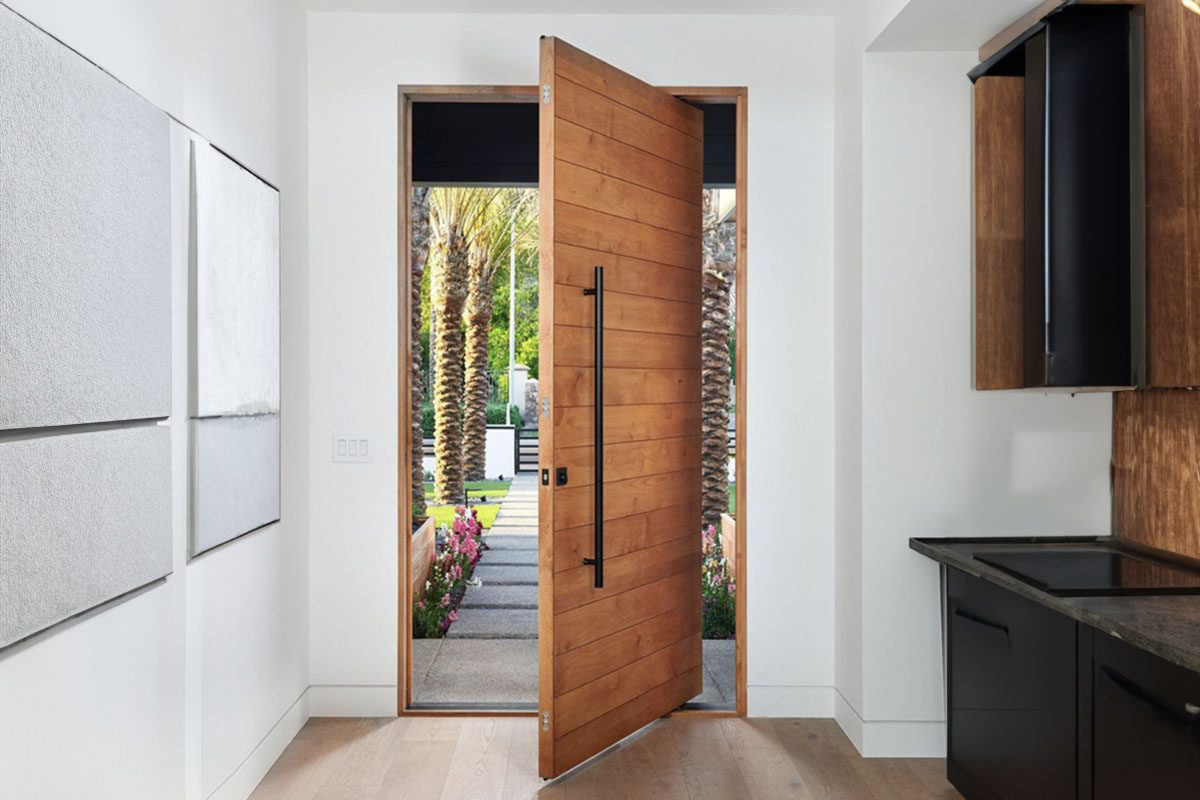
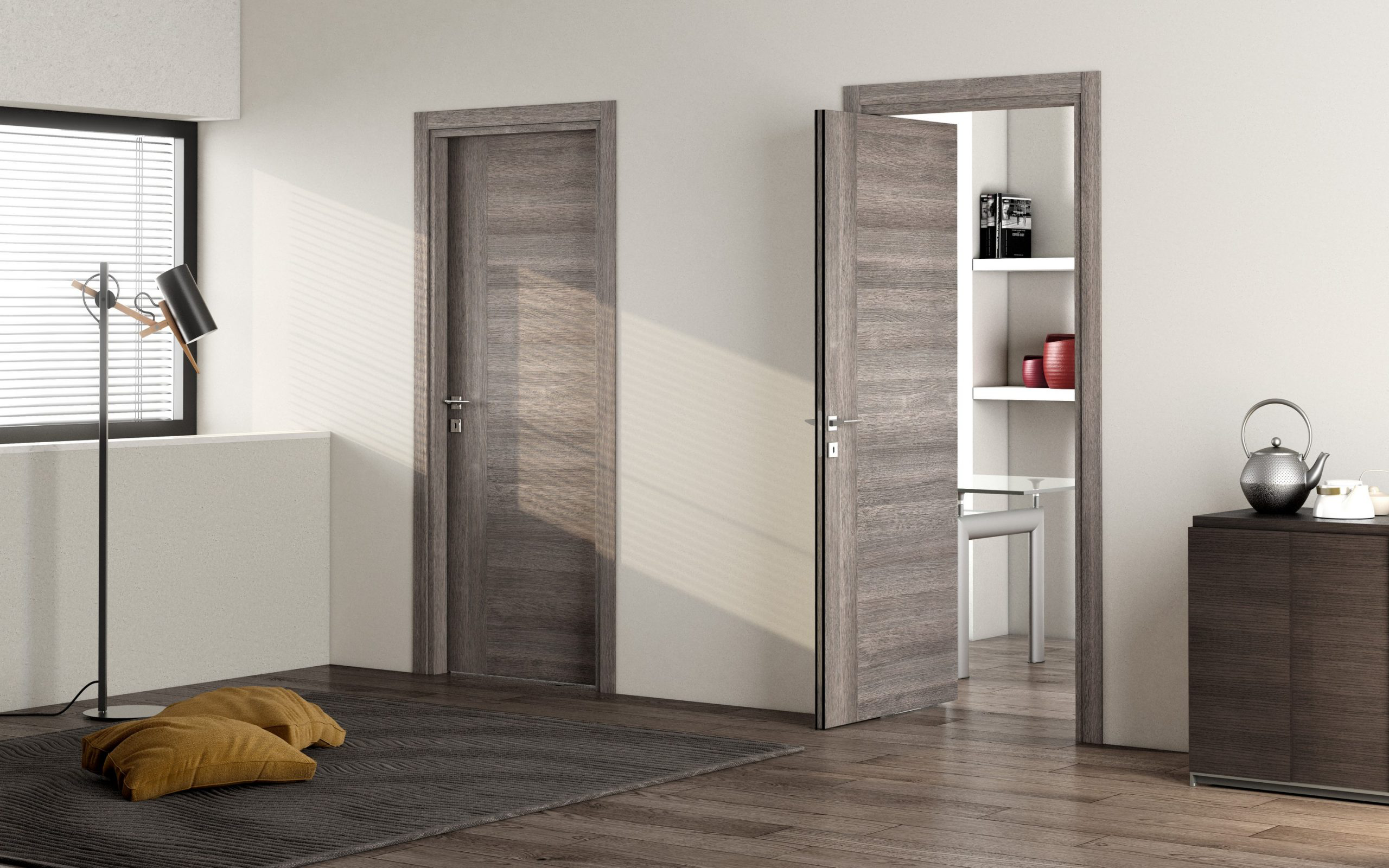
Solid-core wood doors are a popular choice for homeowners who want a balance of soundproofing and aesthetic appeal. These doors are made of a solid wooden core, often surrounded by a veneer or laminate finish. They are highly effective at blocking sound while also adding a touch of elegance and warmth to the space.
Pros and Cons for Bedrooms and Offices:
Pros:
- Excellent Soundproofing: Wood solid-core doors are highly effective at reducing noise, making them ideal for bedrooms and offices where a quiet environment is essential. They block out both external sounds (like street noise) and internal noises (like sounds from other rooms).
- Durable and Sturdy: These doors are solid and built to last, making them a long-term investment for your home. They won’t easily warp or bend over time, providing a stable sound barrier.
- Aesthetic Appeal: Wood doors have a natural beauty that complements many interior designs. Whether your room has a modern, rustic, or classic look, a solid-core wood door can blend in seamlessly.
Cons:
- Cost: Wood-solid core doors tend to be more expensive than hollow-core doors. If you’re on a tight budget, they may not be the most affordable option.
- Weight: These doors are heavier than standard hollow-core doors, making installation more challenging. You may need a stronger frame and hardware to support the added weight.
- Maintenance: While durable, wood doors require some maintenance. They may need to be refinished or treated to maintain their appearance, especially if exposed to moisture or heavy use.
Popular Finishes and Styles:
Solid-core wood doors come in a wide variety of finishes and styles to suit different tastes and home designs. Some of the most popular finishes include:
- Natural Wood Finish: This finish highlights the wood’s natural grain and texture, offering a rustic or classic feel to your room. It’s perfect for traditional and farmhouse-style interiors.
- Painted Finishes: If you prefer a more modern or sleek look, a painted finish can provide a clean, uniform look. White, black, or neutral tones are commonly chosen for contemporary or minimalist spaces.
- Veneer Finishes: A veneer finish can give your door the look of solid wood, but at a lower price point. It offers a sophisticated touch with less maintenance than a pure wood finish.
Hollow Core Doors
Hollow core doors are lightweight and affordable, making them a popular choice for many homes. These doors are constructed with a hollow interior, typically made of cardboard or a similar lightweight material. While they are perfect for basic privacy and visual separation, they don’t offer much soundproofing.
Why They Are Less Effective for Noise Reduction?
Hollow-core interior doors are less effective at reducing noise due to their lightweight construction. Since they have a hollow interior, there is less material to absorb sound vibrations. When sound waves hit these doors, they pass right through or bounce off the surfaces, resulting in little to no sound reduction. The thin layers of material on the door provide little sound resistance, which is why hollow-core doors are often found in spaces where soundproofing isn’t a priority.
Another reason hollow-core doors are less effective is the gaps around the door. Even if the door itself is lightweight, any small space around the edges or at the bottom can allow sound to pass through. As a result, while these doors may provide some privacy by keeping sights out, they fall short in preventing noise from traveling between rooms.
Possible Improvements with Seals and Panels
Although hollow-core doors are not ideal for noise reduction on their own, you can make several improvements to enhance their soundproofing. Adding seals around the edges of the door can help reduce the amount of sound that leaks through gaps. Weatherstripping or acoustic door seals are great for filling gaps and providing a tighter fit, helping block more noise.
Another improvement involves adding soundproof panels or thick curtains. Soundproofing panels can be attached to the door surface to add density, helping block sound waves. These panels can be made from materials like foam or mass-loaded vinyl, which are designed to absorb sound. The additional layers on the door can make a noticeable difference in sound reduction.
While these improvements won’t turn a hollow-core door into a solid-core door, they can help reduce some noise. If you’re working with a budget or don’t want to replace the door entirely, these solutions are a good option for improving sound isolation.
Acoustic or Soundproof Doors
Acoustic or soundproof doors are built to minimize the amount of noise that passes through them. These doors differ from standard interior doors because they use materials and construction techniques specifically designed to absorb and block sound. Acoustic doors are particularly useful in environments where sound control is critical.
Materials Used
The materials used in acoustic or soundproof doors play a key role in their effectiveness at blocking noise. These doors are made with dense, heavy materials that help prevent sound from passing through. Some of the most common materials used in the construction of acoustic doors include MDF, steel, and composite materials.
MDF (Medium Density Fiberboard):
MDF is a popular material for soundproof doors due to its dense and solid structure. It is made from wood fibers pressed and bonded together, creating a smooth, uniform surface. MDF is great for soundproofing because it is denser than traditional wood, which helps absorb sound vibrations. This material is often used in interior doors because it is cost-effective, easy to work with, and provides good soundproofing properties. Additionally, MDF doors can be finished in various styles, making them a versatile choice for many interiors.
HDF (High-Density Fiberboard):
HDF is a denser, more durable version of MDF, making it an excellent choice for soundproof doors. It is made from wood fibers compressed to a higher density than MDF, making it even better at absorbing sound and reducing noise transmission. Due to its greater density, HDF doors are more rigid and offer better acoustic performance. HDF doors are ideal for areas that require higher noise reduction, such as home theaters or offices. Though they can be more expensive than MDF, they offer superior soundproofing and remain relatively affordable compared to steel or specialized composite doors.
Composite Materials:
Composite materials are blends of different materials, often including wood, plastic, and other fibers, to create a dense, strong door. These materials are engineered to enhance soundproofing and are commonly used in acoustic doors because they offer a balance of durability, strength, and affordability. Composite doors can be designed to mimic the appearance of wood while providing better soundproofing. They are also more resistant to moisture and temperature changes, making them ideal for areas with varying climate conditions.
Door Features That Improve Noise Reduction
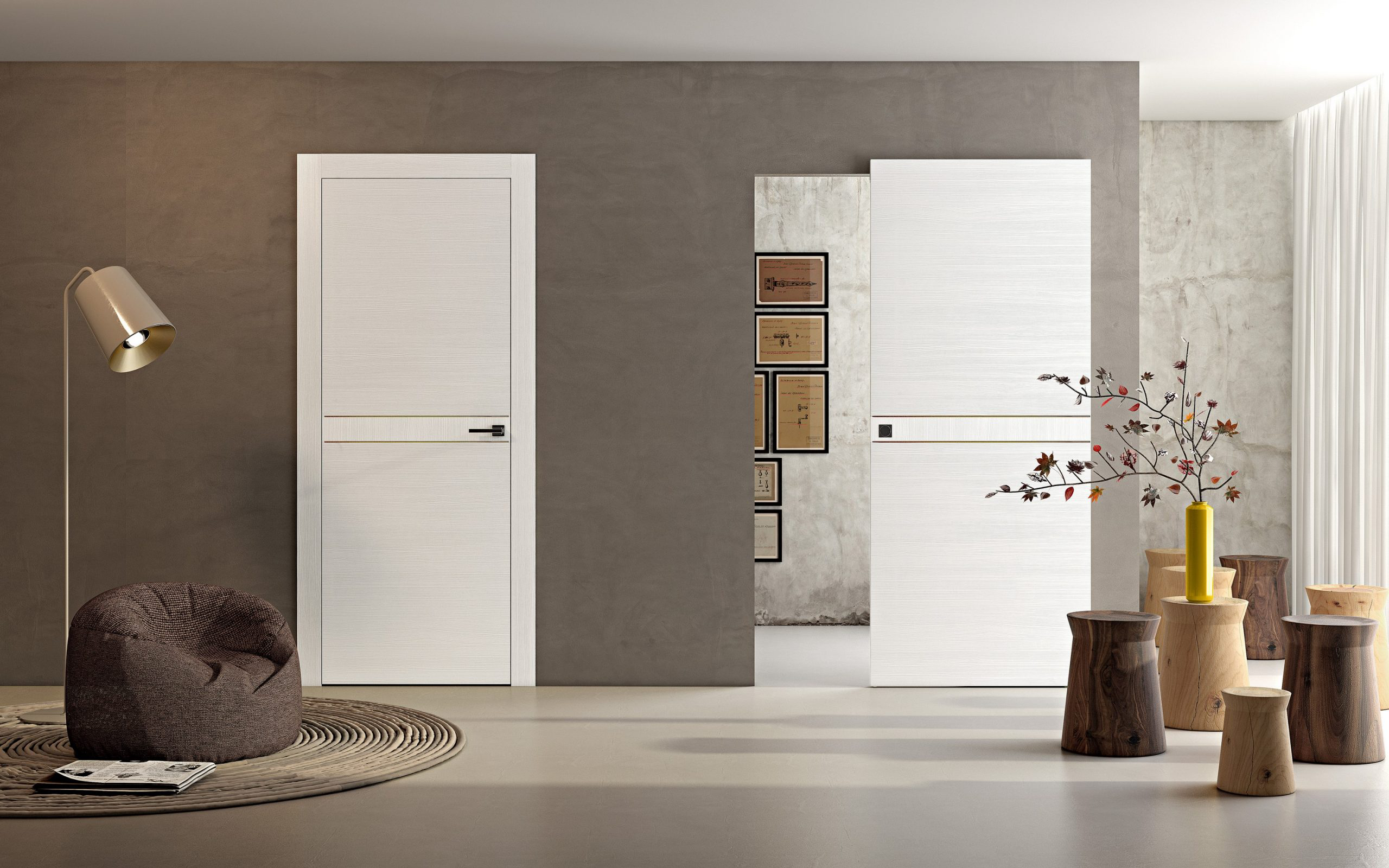
When it comes to improving the soundproofing in your home, it’s not just the door material that matters—its features play a huge role, too. From door thickness to seals and gaskets, several factors can enhance the door’s ability to block sound.
Door Thickness and Weight
One of the most important factors in noise reduction is the thickness and weight of the door. Generally, thicker and heavier doors are better at blocking sound because they have more material to absorb and deflect sound waves.
Thicker doors, such as solid-core doors, are far more effective than thinner, hollow-core doors at reducing noise. The extra material helps to prevent sound from traveling through. Heavier doors, like those made of wood or composite, are even better, as they offer greater resistance to vibrations, which is the main cause of sound transmission.
If you’re looking to soundproof a room, it’s important to choose a door that’s thick enough to block noise. While thinner doors may be cheaper, they won’t perform as well in terms of sound isolation. A solid, heavy interior door will do a much better job of keeping unwanted noise out.
Seals, Gaskets, and Weatherstripping
Even the most solid door can let in sound if there are gaps around the edges. Seals, gaskets, and weatherstripping are vital components for improving soundproofing by filling in these gaps.
Seals and Gaskets:
A good door seal creates a tight barrier around the edges of the door, preventing sound from sneaking through. These seals can be made of rubber, foam, or silicone, all of which are excellent at blocking sound. Gaskets, often used in combination with seals, provide extra protection by creating an airtight seal, preventing sound from passing through small cracks.
Weatherstripping:
Another great way to prevent noise from leaking through the edges of your interior door. Weatherstripping, usually made from foam, vinyl, or rubber, is installed around the door frame. It works by creating a seal when the door is closed, blocking both air and sound. Weatherstripping is a simple, affordable way to upgrade any door for better sound insulation.
Door Panels and Designs
The door’s design also plays a role in soundproofing. Different door panel styles and designs can influence how well the door blocks sound.
Solid Panels:
Solid panels are more effective at soundproofing than doors with hollow or decorative panels. The continuous surface provides a denser barrier that absorbs and blocks sound. If you’re looking for maximum noise reduction, go for a door with a solid, flat panel design.
Acoustic Door Panels:
Some interior doors come with specially designed acoustic panels. These panels are made from sound-absorbing materials like foam, fiberglass, or mineral cores, which help reduce sound transmission. They’re commonly used in high-performance soundproof doors, such as those found in music studios or home theaters.
Multi-Layered Construction:
Doors with multi-layered construction are also great at blocking sound. The layers of material inside the door can vary, with some using combinations of MDF, foam, and other sound-dampening materials. This layered construction creates multiple barriers for sound waves to pass through, making it harder for noise to enter or exit.
Bottom Seal Strip
The bottom of the door is another common area where sound can leak through, especially if there’s a gap between the door and the floor. A bottom seal strip is a simple yet highly effective solution for sealing this gap and improving noise reduction.
Door Sweeps:
A door sweep is a bottom seal strip that attaches to the bottom of a door. It acts like a barrier, preventing sound and drafts from slipping under the door. These strips can be made from materials like rubber, silicone, or nylon and are easy to install.
Automatic Door Bottoms:
An alternative to sealing the bottom of the door. This type of seal automatically lowers when the door is closed, creating a tight seal against the floor. It’s especially useful for frequently used doors, as it won’t wear down or shift over time.
Comparing Interior Door Materials for Soundproofing
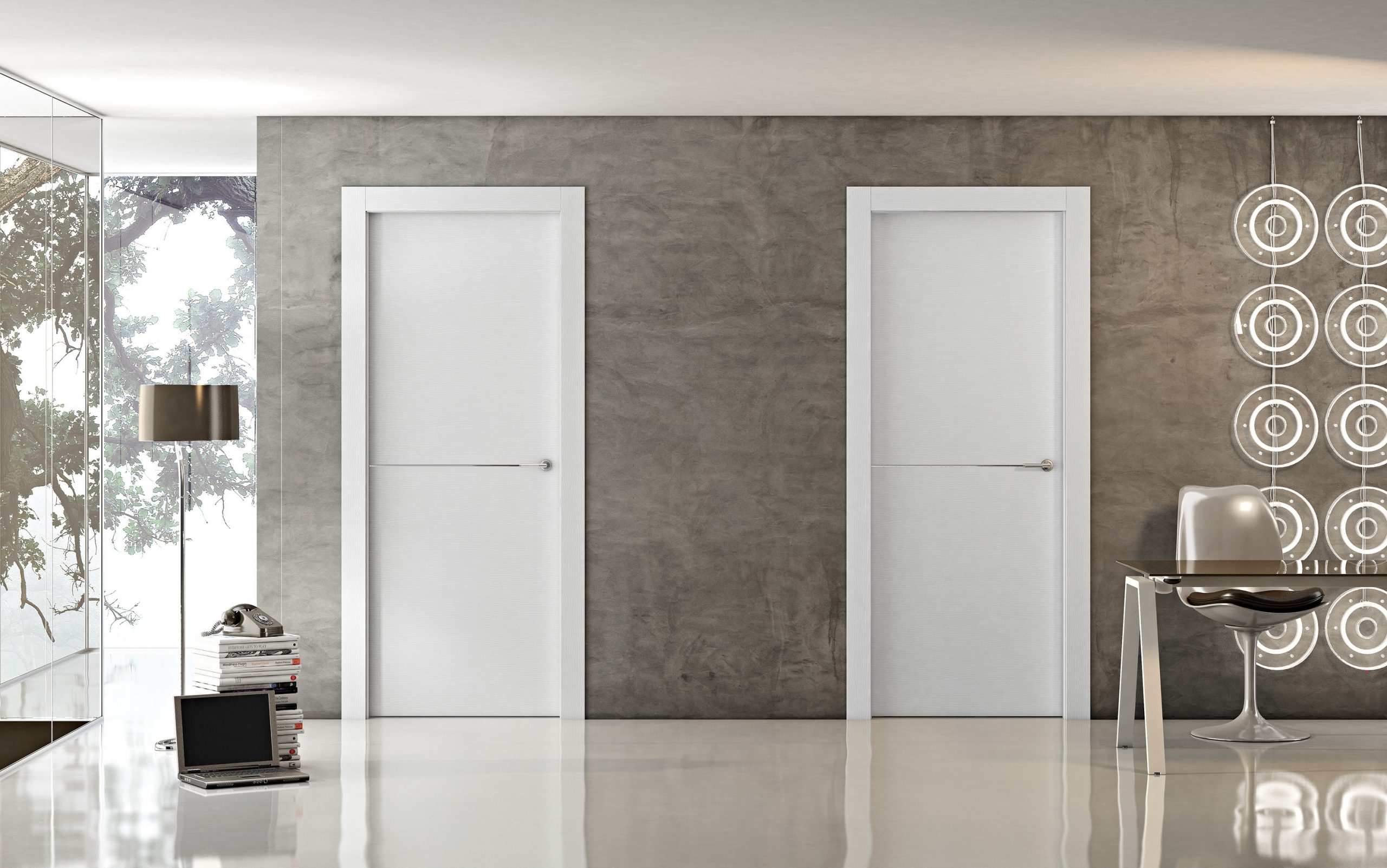
When choosing the right interior door for soundproofing, the door’s material plays a huge role in how effective it will be at blocking noise. Different materials offer different levels of sound isolation, and it’s essential to pick the one that best suits your needs.
Wood vs. MDF vs. HDF
Wood, MDF (Medium Density Fiberboard), and HDF (High Density Fiberboard) are all popular materials for interior doors, each offering varying levels of noise reduction. Here’s how they compare:
Wood:
One of the most common materials used for interior doors. Solid wood doors are naturally dense and offer better soundproofing than hollow-core doors. However, the level of sound isolation depends on the type of wood. Hardwoods like oak, maple, or cherry are denser and better at blocking noise than softwoods like pine. Solid wood doors are also more aesthetically pleasing and can enhance a room’s overall look.
Pros:
-
- Great for sound insulation, especially with hardwoods.
- Classic, natural look that complements many interior designs.
- Durable and long-lasting.
Cons:
- Expensive compared to MDF or HDF.
- Heavy, which can make installation more challenging.
- It can be prone to warping and expanding in humid environments.
MDF (Medium Density Fiberboard):
MDF is an engineered wood product made by compressing wood fibers with adhesive. It’s denser than plywood and has a smooth, uniform surface, making it an excellent choice for doors that need good soundproofing. While not as dense as solid wood, MDF doors still offer decent sound reduction. They’re also more affordable than solid wood and are easier to work with.
Pros:
- More affordable than solid wood.
- Provides solid noise reduction.
- Smooth surface, ideal for painting and finishing.
- Doesn’t expand or contract with humidity like wood.
Cons:
- Not as durable as solid wood.
- It can be heavier than some other materials, which may affect installation.
- Prone to damage from moisture unless properly sealed.
HDF (High-Density Fiberboard):
HDF is similar to MDF but denser, making it a better option for soundproofing. It is often used in high-performance doors because it blocks sound more effectively. It’s denser and harder than MDF, making it an ideal choice for those seeking superior noise reduction in interior doors.
Pros:
- Excellent soundproofing due to high density.
- Strong and durable.
- Less likely to warp or expand than solid wood.
Cons:
- More expensive than MDF.
- Still not as effective as solid wood or specialized acoustic doors for extreme noise isolation.
- Heavier and may require more robust installation support.
Installation Tips to Maximize Noise Reduction
Reducing noise in your home starts with the right interior door installation. Even the best soundproof doors can underperform if they are not installed correctly. By paying attention to the fit, seals, and hardware, you can significantly improve sound reduction.
Proper Door Frame Fit
The first step in maximizing noise reduction is ensuring your interior door fits the frame perfectly. Gaps around the door can let sound escape, reducing the effectiveness of any soundproofing effort. Make sure the door sits flush with the frame and that the top, sides, and bottom are even. You can use a simple level to check alignment.
If you notice gaps, adjust the door or frame before moving on to seals. Even a small misalignment can let a lot of sound pass through. Remember, a snug door frame makes the interior door more efficient at blocking noise.
Using Acoustic Seals
Once the door fits properly, adding acoustic seals is key. Acoustic or weatherstripping seals fill the small spaces around the door edges. These seals prevent sound from leaking through gaps and improve the overall performance of your interior door.
Install seals along the top, sides, and bottom of the door. You can choose self-adhesive strips for an easy upgrade or professional-grade seals for better durability. Make sure the seals compress slightly when the door closes. Too loose, and they won’t block sound; too tight, and the door may not close smoothly.
Hinges and Door Hardware
Even the type of hinges and door hardware can impact noise reduction. Heavy-duty hinges help the interior door stay aligned over time, preventing sagging that can create gaps. For better soundproofing, consider using three hinges instead of two for taller doors.
Also, pay attention to the door handle, lock, and any other hardware. Hollow handles or poorly fitted locks can let sound pass through. Opt for solid, high-quality hardware that keeps the door tightly closed. Every small adjustment adds up, making your interior door a strong barrier against noise.
How to Choose the Best Interior Door for Your Home?
Choosing the right interior door can make a big difference in your home. A good door not only looks great but also helps reduce noise and improves privacy. To pick the best one, consider the room, the material, and your style preferences.
Match Door Type to Room Function
Start by thinking about the room’s purpose. Bedrooms and home offices often need soundproof interior doors to block noise and ensure privacy. Bathrooms benefit from doors that resist moisture, like solid-core or moisture-resistant doors. Meanwhile, living rooms or hallways might work well with lighter doors that open easily and let in some natural light.
By matching the interior door type to the room’s function, you improve comfort and noise control. Sliding doors, French doors, or solid panel doors each work best in different spaces. Always consider how you use the room before choosing the style.
Consider STC Rating and Door Material
The STC (Sound Transmission Class) rating shows how well a door blocks sound. Higher STC numbers mean better soundproofing. For example, a solid-core interior door typically has an STC rating of 30-40, which is good for bedrooms or offices. Hollow-core doors are lighter and cheaper, but don’t block noise as well.
Materials also matter. Wood doors offer warmth and style, MDF doors are cost-effective and stable, and metal-core doors offer extra noise control. Consider both the STC rating and material to find the best interior door that fits your noise reduction needs and budget.
Style, Color, and Noise Needs
Finally, look at style and color. The interior door should blend with your home décor while meeting your noise needs. Modern homes often use clean, flat-panel doors, while classic homes may suit paneled or French doors. Lighter colors can make a room feel bigger, and darker colors add a cozy, solid feel.
Also, don’t forget practical details. If noise reduction is important, focus on solid materials and tight-fitting frames. You can pair style with function, choosing an interior door that blocks sound while enhancing your room’s look.
Relate FAQ
What type of interior door blocks the most noise?
Solid-core doors are the best choice for noise reduction. Unlike hollow-core doors, they have a dense core material, often engineered wood or composite, that effectively absorbs sound and prevents it from passing between rooms.
Are acoustic doors worth the investment for a quiet home?
Yes, acoustic doors are designed specifically for soundproofing. They feature thicker panels, sound-absorbing cores, and tight seals, making them ideal for bedrooms, home offices, or media rooms where minimizing noise is important.
Can adding seals or gaskets improve the soundproofing of an existing door?
Absolutely. Installing door sweeps, weatherstripping, or acoustic gaskets around an interior door can significantly reduce sound leakage without replacing the door. This is a cost-effective way to enhance noise reduction.
Are solid wood doors better than MDF or engineered wood for noise reduction?
Both solid wood and high-quality MDF doors provide excellent sound insulation. MDF can perform similarly to solid wood if it has a thick core and proper seals. Acoustic performance often depends more on density and door construction than on the exact material.
How much noise can I realistically block with the right interior door?
A well-installed solid-core or acoustic door can reduce noise by 20-35 decibels, depending on the thickness, seals, and room acoustics. Combined with wall and floor treatments, it can create a noticeably quieter space.
Should I prioritize door material or door installation for better noise reduction?
Both are important. Even the best solid-core or acoustic door will not perform well if it’s poorly fitted. Ensure tight seals, correct door alignment, and minimal gaps for maximum noise-blocking performance.