What are the standard sizes for interior doors in North America?
Why Interior Door Sizes Matter?
Choosing the right Interior Door size is about more than filling an opening. The correct dimensions improve how people move through a home, make installation easier, reduce future repair costs, and help meet local building codes. Whether you’re replacing an old door or planning a new home, understanding standard interior door sizes can save time, money, and frustration.
Better Room Flow And Comfort
A well-sized Interior Door makes every room feel more open and comfortable. When a door is too narrow, moving furniture, luggage, or even laundry baskets becomes more difficult. On the other hand, a properly sized door creates a smoother path and improves everyday living.
The most common standard interior door widths, such as 30, 32, and 36 inches, work well because they balance space and function. Bedrooms, living areas, and home offices all benefit from doors that are wide enough for easy access without taking up unnecessary wall space.
Comfort also matters when family members or guests move around the house. Wider interior doors reduce traffic bottlenecks and make it easier for children, seniors, and people carrying large items to pass through safely. Even small changes in door width can make a noticeable difference.
Easier Installation
Using a standard Interior Door size makes installation much simpler. Builders and contractors design most residential door frames around common dimensions, so standard doors usually fit without major adjustments. This saves both labor and installation time.
Standard-sized interior door slabs and prehung doors are also easier to find at local home improvement stores. Because these sizes are widely available, homeowners have more choices in materials, finishes, and styles without having to wait for a custom order.
In addition, fewer modifications mean fewer installation problems. You are less likely to trim the door, rebuild the frame, or adjust the rough opening. As a result, the project moves faster, and the finished door performs better for years to come.
Lower Replacement Costs
Replacing an Interior Door is much more affordable when the existing opening matches a standard size. Standard doors are mass-produced, which helps keep prices lower than custom-made options. You also have more brands and designs to choose from.
If your home already uses standard interior door dimensions, replacing a damaged or outdated door is usually a straightforward project. In many cases, you can install a new door without changing the frame, hinges, or trim, which helps reduce labor costs.
Custom-sized doors often require extra measuring, longer production times, and specialized installation. Those added steps quickly increase the total project cost. Choosing standard door sizes from the beginning can help you avoid unnecessary expenses both now and in the future.
Building Code And Accessibility Requirements
Following local building codes is another important reason to choose the correct Interior Door size. Residential building standards often specify minimum door widths for safety, emergency access, and everyday usability. Selecting the right size helps prevent costly changes later.
Accessibility is just as important. Many homeowners now choose wider interior doors, such as 32-inch or 36-inch models, because they provide easier access for wheelchairs, walkers, strollers, and future mobility needs. This approach also supports universal design principles.
Even if accessibility is not a current concern, planning is a smart investment. A properly sized Interior Door can improve resale value, make the home more welcoming, and help ensure the space remains practical as your family’s needs change over time.
Standard Interior Door Widths In North America
In North America, Interior Door widths follow a few common standards that fit most residential homes. The right width depends on the room, the available space, and how the door will be used. From compact utility rooms to spacious bedrooms and accessible living areas, understanding standard interior door widths helps you choose a door that looks right, works well, and meets future needs.
24-Inch Interior Doors
A 24-inch Interior Door is one of the smallest standard door widths used in residential homes. It works best in compact spaces where saving wall space is more important than providing a wide opening. While it is not common for main living areas, it serves a specific purpose.
Many homeowners install a 24-inch interior door in closets, small bathrooms, laundry rooms, or utility spaces. These rooms usually have low traffic, so a narrower door does not pose a major inconvenience. It also helps maximize usable floor space.
Before choosing this size, think about future accessibility. A 24-inch door can make it difficult to move large furniture or appliances. If you have enough wall space, upgrading to a wider standard interior door may provide better long-term value and convenience.
28-Inch Interior Doors
A 28-inch Interior Door offers a good balance between space savings and comfortable access. It is a popular choice in many older homes where room layouts are more compact. Today, it is still widely used in renovation projects.
You will often find 28-inch interior doors in bedrooms, guest rooms, home offices, and some bathrooms. They provide enough clearance for everyday use while fitting openings that cannot easily accommodate larger doors.
If you are replacing an existing interior door, keeping the original 28-inch width can reduce installation work and costs. However, if you are remodeling and have extra space, moving up to a 30-inch or 32-inch door may improve comfort and accessibility.
30-Inch Interior Doors
A 30-inch Interior Door is one of the most common choices for residential homes across North America. It offers a practical opening for daily use and works well in many different room types. This size combines convenience with efficient use of wall space.
Many builders install 30-inch interior doors in bedrooms, home offices, dining rooms, and other frequently used spaces. The wider opening makes it easier to carry furniture, storage bins, and household items through the doorway.
For homeowners seeking a balance between functionality and cost, a 30-inch standard interior door is often the best option. It is easy to find, available in countless styles, and compatible with most standard door frames.
32-Inch Interior Doors
A 32-inch Interior Door has become increasingly popular in modern homes because it provides extra space without feeling oversized. It creates a more open and welcoming entry while improving everyday comfort for the entire family.
This standard interior door width works especially well for primary bedrooms, larger bathrooms, and home offices. It also makes moving furniture and larger household items much easier than with narrower doors.
Many homeowners choose a 32-inch interior door as part of a universal design plan. The additional width improves accessibility for strollers, walkers, and wheelchairs, making the home more practical both now and in the future.
34-Inch Interior Doors
A 34-inch Interior Door is less common than other standard widths, but it offers additional clearance without requiring the full width of a 36-inch door. It is often selected for custom homes or renovation projects where homeowners want a wider opening.
Some designers recommend 34-inch interior doors for larger bedrooms, hobby rooms, or flexible living spaces. They create a spacious feel while maintaining a balanced look that fits many modern home designs.
Although this size is available from many manufacturers, it may not be stocked in every local store. If you choose a 34-inch Interior Door, check product availability before starting your project to avoid unnecessary delays.
36-Inch Interior Doors
A 36-inch Interior Door is the widest standard single interior door used in most North American homes. It provides generous clearance and delivers the highest level of comfort for everyday living. This size is also closely associated with accessible home design.
Many homeowners install 36-inch interior doors in master bedrooms, main hallways, home offices, and other high-traffic areas. The wider opening makes it much easier to move furniture, large appliances, and bulky items throughout the house.
In addition, a 36-inch standard interior door is often the preferred choice for wheelchair accessibility and aging-in-place design. Even if accessibility is not an immediate concern, choosing this wider door can increase your home’s long-term value and make it more comfortable for everyone.
Standard Interior Door Heights
While most homeowners focus on door width, Interior Door height is just as important. The right height affects how open a room feels, how easily a replacement door fits, and whether the door matches the home’s overall style. In North America, most standard interior door heights fall into three common categories: 80 inches, 84 inches, and 96 inches.
Why 80 Inches Is The Most Common Height?
An 80-inch Interior Door, also known as a 6-foot 8-inch interior door, is the standard height used in most North American homes. Builders have relied on this size for decades because it fits standard ceiling heights and works well in almost every room.
One reason this standard interior door height remains so popular is its wide availability. Whether you choose a hollow core door, a solid core door, or a prehung interior door, you can easily find an 80-inch model at most home improvement stores.
Another advantage is cost. Since manufacturers produce millions of 80-inch interior doors every year, they are usually the most affordable option. They are also easier to replace because they fit existing door frames without major structural changes.
When 84-Inch Doors Make Sense?
An 84-inch Interior Door, or a 7-foot interior door, adds extra height without dramatically changing the room’s layout. It creates a taller, more elegant look while maintaining the familiar proportions of a standard doorway.
This interior door height works especially well in homes with 9-foot ceilings. The added four inches help balance the room’s scale and make ceilings appear even higher. Many homeowners choose this size during renovations to create a more modern appearance.
Although 84-inch interior doors cost slightly more than standard 80-inch models, many people feel the upgraded look is worth the investment. They offer a simple way to make hallways, bedrooms, and living spaces feel brighter and more spacious.
96-Inch Interior Doors For Luxury Homes
A 96-inch Interior Door, also called an 8-foot interior door, is a popular feature in luxury homes and custom-built properties. The extra height creates a dramatic entrance and instantly gives a room a more upscale feel.
These tall interior doors pair well with high ceilings, open floor plans, and modern architectural designs. They also allow more natural light to flow between rooms, making interior spaces feel larger and more connected.
Because 96-inch interior doors require taller frames and larger rough openings, they are usually included during new construction or major remodeling projects. Even so, many homeowners consider them a worthwhile upgrade because they add style, value, and a premium finish to the home.
Can You Install Taller Interior Doors In Older Homes?
Yes, you can install a taller Interior Door in an older home, but the project often requires careful planning. Most older houses were built with 80-inch interior door openings, so upgrading to an 84-inch or 96-inch door may involve structural changes.
Before replacing your existing interior door, measure the rough opening, check the wall framing, and look for electrical wiring, plumbing, or HVAC components above the doorway. These factors can affect whether a taller door can be installed safely.
If your budget allows, installing a taller standard interior door can completely change the appearance of an older home. The larger opening creates a brighter, more open feel while giving traditional spaces a fresh and updated look. Working with an experienced contractor can help ensure the project goes smoothly and meets local building requirements.
Standard Interior Door Thickness
When choosing an Interior Door, thickness is just as important as width and height. The right interior door thickness affects durability, sound control, hardware compatibility, and overall performance. In North America, most standard interior doors come in two common thicknesses: 1-3/8 inches and 1-3/4 inches, with each option serving different needs.
1-3/8-Inch Interior Doors
A 1-3/8-inch Interior Door is the most common thickness found in residential homes across North America. It is the standard choice for bedrooms, bathrooms, closets, and other interior spaces where heavy-duty performance is not required.
Because this standard interior door thickness is widely used, homeowners can easily find matching door slabs, prehung doors, hinges, and locksets. It also comes in a wide range of styles, including traditional, modern, shaker, and panel designs.
Another advantage is affordability. A 1-3/8-inch interior door usually costs less than thicker models while still providing reliable everyday performance. For most homeowners, it offers the right balance between durability, appearance, and value.
1-3/4-Inch Interior Doors
A 1-3/8-inch Interior Door is the most common thickness found in residential homes across North America. It is the standard choice for bedrooms, bathrooms, closets, and other interior spaces where heavy-duty performance is not required.
Because this standard interior door thickness is widely used, homeowners can easily find matching door slabs, prehung doors, hinges, and locksets. It also comes in a wide range of styles, including traditional, modern, shaker, and panel designs.
Another advantage is affordability. A 1-3/8-inch interior door usually costs less than thicker models while still providing reliable everyday performance. For most homeowners, it offers the right balance between durability, appearance, and value.
Solid Core Vs Hollow Core Door Thickness
When comparing solid-core vs hollow-core interior doors, the thickness may look the same, but the construction inside is very different. Many hollow-core and solid-core doors are available in the standard 1-3/8-inch thickness, yet they perform quite differently.
A solid-core interior door features a dense engineered wood core, making it heavier, stronger, and more resistant to daily wear. It also feels more substantial when opening and closing, which many homeowners associate with higher quality.
A hollow-core interior door, by contrast, has a lightweight core with a honeycomb structure or similar support. It is easier to install, less expensive, and suitable for most bedrooms and closets. Choosing between the two depends on your budget, privacy needs, and each room’s function.
Does Door Thickness Affect Noise Reduction?
Yes, Interior Door thickness can improve noise control, but it is only one part of the equation. In general, a thicker and heavier interior door blocks more sound than a thinner, lightweight door. However, the door’s core material also plays a major role.
For example, a 1-3/4-inch solid-core interior door usually reduces sound more effectively than a 1-3/8-inch hollow-core door. The extra mass helps absorb noise and limits sound transfer between rooms. This makes solid core doors a popular choice for bedrooms, home offices, and entertainment rooms.
Even so, door thickness alone will not create a quiet room. Proper installation, tight weatherstripping, quality door seals, and a well-fitted frame all help improve sound insulation. If reducing noise is your main goal, combining a solid-core interior door with a good seal will deliver the best results.
Standard Interior Door Sizes By Room
The best Interior Door size often depends on the room and how people use it each day. A bedroom, bathroom, pantry, and laundry room may all need different door widths. By choosing the right standard interior door dimensions, you can improve room flow, make furniture easier to move, and create a more comfortable home.
Bedroom Door Size
The most common bedroom Interior Door size in North America is 30 inches wide by 80 inches high. However, many newer homes now use a 32-inch-wide bedroom door. This wider size gives people more space to enter and leave the room without making the doorway look too large.
A 30-inch interior bedroom door works well for most standard bedrooms, guest rooms, and smaller homes. It offers enough room for normal daily use and fits many common rough openings. In addition, this size is easy to find in both prehung and slab door styles.
Still, a 32-inch bedroom door can offer more comfort over time. It makes it easier to move beds, dressers, desks, and other large items through the doorway. It can also help families with young children, older adults, or people who use mobility aids.
For a primary bedroom, some homeowners choose a 34-inch or 36-inch Interior Door. These wider doors create a more open and high-end look. Before you order, measure the door frame, wall space, and swing area to make sure the larger door will fit well.
Bathroom Door Size
A common bathroom Interior Door size ranges from 28 to 32 inches wide and is usually 80 inches high. Smaller bathrooms in older homes often use a 24-inch or 28-inch door. Newer homes usually offer wider openings for greater comfort and access.
A 28-inch interior bathroom door can work well in a powder room or small half bath. It saves wall space and leaves more room for sinks, cabinets, and fixtures. However, it may feel tight when carrying laundry baskets or helping a child inside.
A 30-inch bathroom door gives most homeowners a good mix of space and function. It is wide enough for regular use and still fits many compact layouts. For better long-term access, a 32-inch bathroom doorway width is often the smarter choice.
Privacy also matters when selecting a bathroom door. A solid-core Interior Door can block more sound than a hollow-core model. In addition, choose a finish that can handle humidity, and make sure the bottom clearance allows air to move through the room.
Closet Door Size
The right closet Interior Door size depends on the closet type and the opening width. Common single closet doors measure 24, 28, or 30 inches wide. Larger closets may use double doors, sliding doors, or bi-fold doors.
A 24-inch closet door often works well for a small linen, coat, or utility closet. Since people do not often walk through these spaces, a narrow door may be enough. It also takes up less wall and floor space when open.
Bedroom closets often use bi-fold interior doors in widths such as 24, 30, or 36 inches per set. Sliding closet doors are also common for wide openings because they do not swing into the room. These styles help make better use of tight floor plans.
For a walk-in closet, a 28-inch or 30-inch Interior Door is usually more comfortable. A 32-inch door can make the space feel more open and make it easier to carry storage bins inside. Always measure the full framed opening before buying a replacement closet door.
Laundry Room Door Size
A common laundry room Interior Door size is 30 or 32 inches wide by 80 inches high. Since washers and dryers can be large and heavy, the doorway should provide enough clearance for delivery, repair, and future appliance replacement.
A 30-inch laundry room door may work for compact machines, but it can leave very little extra space. Appliance handles, control panels, and packaging can make the actual unit wider than expected. Therefore, check both the machine size and the clear door opening.
A 32-inch interior laundry door offers more practical access for most homes. It allows people to carry baskets, cleaning products, and folded clothes with less effort. It also makes the laundry room easier to use during busy parts of the day.
In larger homes, a 34-inch or 36-inch door may be a better long-term choice. Pocket doors and sliding doors can also save space when a swing door would block cabinets or appliances. No matter the style, make sure the door does not hit the washer or dryer.
Pantry Door Size
A standard pantry Interior Door size often ranges from 24 to 30 inches wide. Small reach-in pantries may only need a narrow single door, while walk-in pantries usually benefit from a wider opening. The best size depends on storage needs and kitchen layout.
A 24-inch pantry door works well for a small food closet or shallow cabinet-style pantry. It keeps the opening compact and leaves more wall space for kitchen counters or shelves. However, it may feel narrow when carrying large grocery bags.
A 28-inch or 30-inch interior pantry door gives easier access to shelves, bins, and small appliances. This width also makes it simpler to bring in bulk food packages. For a busy family kitchen, the added space can make a clear difference.
Walk-in pantries may use a 30-inch or 32-inch door to improve room flow. Glass-panel pantry doors are also popular because they add light and character. Frosted, reeded, or textured glass can hide clutter while keeping the kitchen bright.
Home Office Door Size
The most common home office Interior Door size is 30 or 32 inches wide by 80 inches high. Both sizes work well for a standard desk, office chair, and storage cabinet. However, a wider door often makes the room feel more open and professional.
A 30-inch home office door is a practical choice for smaller homes and converted bedrooms. It uses less wall space and fits most standard residential door frames. It also provides enough space for standard work equipment and everyday access.
A 32-inch interior office door makes it easier to move desks, bookshelves, printers, and meeting chairs. It also gives guests more comfortable access. If the office may later become a bedroom, the wider size can add more flexibility.
Sound control is another key factor for a home office. A solid core Interior Door can reduce voices, television noise, and other household sounds. For even better results, use a tight frame, good door seals, and a smaller gap under the door.
Basement Interior Door Size
A typical basement Interior Door size is 30, 32, or 36 inches wide. The right choice depends on whether the basement is used for storage, living space, a bedroom, or a recreation room. Wider doors often make basement access much easier.
A 30-inch basement door may be enough for a small storage room or mechanical space. Still, it can be difficult to move large boxes, furniture, or home gym equipment through a narrow opening. Think about how the area may be used in the future.
A 32-inch interior basement door gives better clearance for most finished basement rooms. It works well for a family room, office, guest room, or play area. It also helps the lower level feel more connected to the rest of the home.
For a main basement entrance or large finished space, a 36-inch door can be a smart option. It allows easier movement of sofas, appliances, and renovation materials. Before installation, check local building codes, stair width, headroom, and any rules for basement bedrooms.
Choosing The Right Interior Door Size For Your Home
Choosing the right Interior Door size is about more than filling a doorway. The right dimensions improve comfort, make installation easier, and help every room function better. Whether you’re building a new home or replacing an old door, selecting the proper standard interior door size will save time, reduce costs, and make your home feel more open and practical.
Consider Room Function
Every room has a different purpose, so the best Interior Door size will depend on how the space is used. A bedroom, bathroom, pantry, or laundry room does not require the same door width as a kitchen. Choosing the right size starts with understanding how people move through each room every day.
Bedrooms and living spaces usually benefit from a 30-inch or 32-inch Interior Door. These widths provide comfortable access while fitting most residential floor plans. Smaller spaces, such as linen closets or storage rooms, often work well with narrower interior door dimensions, such as 24 or 28 inches.
Think about how often the room is used. A busy family room or home office may need a wider doorway than a guest room used only a few times each year. Matching the Interior Door size to the room’s purpose helps improve convenience without wasting space.
It is also smart to think about privacy and noise. Bedrooms and home offices often benefit from solid-core Interior Doors, while closets and pantries usually work well with lighter hollow-core doors. The right combination of size and construction creates a space that is both functional and comfortable.
Think About Furniture Moving
One mistake many homeowners make is choosing an Interior Door based only on daily foot traffic. However, sooner or later, you will need to move furniture, appliances, or large boxes through the doorway. Planning for those moments can save a great deal of frustration.
A 32-inch Interior Door gives much more flexibility than a narrower opening. It makes moving beds, sofas, bookshelves, desks, and refrigerators much easier. Even carrying laundry baskets or large storage bins feels more comfortable with extra clearance.
If you’re remodeling your home, consider future furniture as well as your current pieces. You may eventually replace your sectional sofa or purchase larger appliances. A slightly wider standard interior door can prevent expensive changes later.
Before buying a new replacement Interior Door, measure the entire path—not just the doorway. Check hallways, staircases, corners, and ceiling height. A wider door helps, but furniture still needs enough space to reach the room.
Plan For Future Accessibility
When choosing an Interior Door, it helps to think beyond today’s needs. Your home may eventually need to accommodate young children, aging family members, or someone with limited mobility. A little planning now can make your home much easier to use in the future.
Many homeowners now choose 32-inch or 36-inch Interior Doors because they provide better accessibility. These wider openings make it easier to move wheelchairs, walkers, strollers, and medical equipment through the home without major renovations.
Even if accessibility is not a concern today, wider interior door widths improve everyday comfort. They make moving furniture easier, reduce tight spaces, and create a more open feeling throughout the house. This is one reason why newer homes often feature wider door openings than older homes.
Planning can also increase your home’s resale value. Buyers appreciate homes with practical layouts and modern interior door dimensions. Choosing a slightly larger door today may help your property appeal to more people in the future.
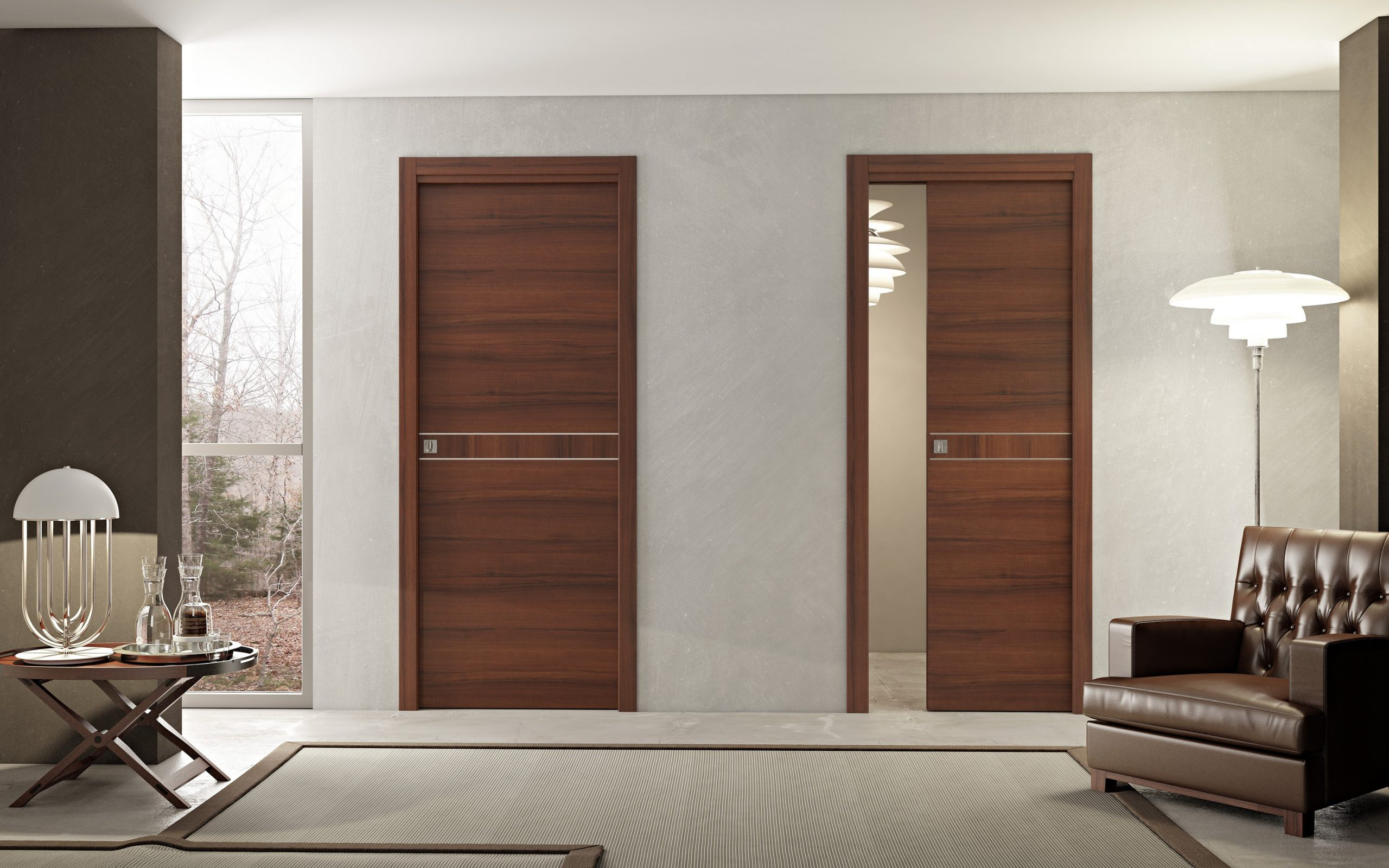
Match Existing Door Openings
Replacing an Interior Door is much easier when the new door matches the existing opening. Before ordering, measure the door width, height, thickness, and the rough opening. Taking accurate measurements helps avoid installation problems and unnecessary returns.
Do not assume every Interior Door in your home uses the same size. Older homes often have different door widths from room to room, especially if previous owners completed renovations over the years. Measuring each opening individually is always the safest approach.
If you are replacing only the door slab, make sure it matches the existing frame, hinge locations, and lockset preparation. If the frame is damaged or out of square, a prehung Interior Door may be a better option because it includes both the frame and the door.
If your measurements do not match a standard interior door size, you may need a custom-made door or minor framing adjustments. Spending a little extra time measuring now will save both money and installation time later.
Balance Style And Practical Use
Every homeowner wants an Interior Door that looks great, but appearance should never be the only deciding factor. The best door combines attractive design with the right size, smooth operation, and long-lasting performance.
Larger Interior Doors often create a brighter and more spacious appearance. A 32-inch or 36-inch Interior Door can make hallways and bedrooms feel more open, especially in homes with modern layouts and higher ceilings. However, the door should still fit comfortably within the available wall space.
Material choice also affects both style and function. Solid wood and solid-core Interior Doors offer a premium feel and better sound insulation, while hollow-core doors are lighter, easier to install, and more budget-friendly. Choosing the right material is just as important as selecting the correct dimensions.
Take time to compare door styles, finishes, hardware, and standard interior door sizes before making your final decision. A well-chosen Interior Door should not only match your home’s design but also provide years of reliable daily use. The best door is one that looks beautiful, fits perfectly, and makes every room easier to enjoy.
Relate FAQ
What is the standard size of an interior door in North America?
The most common interior door height in North America is 80 inches (6 feet 8 inches). Standard door widths typically include 24, 28, 30, 32, and 36 inches, while the standard thickness is usually 1⅜ inches.
What is the most common interior door width?
A 32-inch-wide door is one of the most popular options for bedrooms and living areas. Bathrooms often use 28-inch or 30-inch doors, while closets may have narrower openings.
Are all interior doors 80 inches tall?
No. Although 80 inches is the standard height for most residential properties, some modern and luxury homes use taller doors measuring 84 inches (7 feet), 96 inches (8 feet), or even higher.
What is the standard thickness of an interior door?
Most interior doors are 1⅜ inches thick. However, doors taller than 80 inches or those designed for enhanced sound insulation may be 1¾ inches thick.
Are interior door sizes different in Canada and the United States?
Interior door sizes in Canada and the United States are generally the same because both markets follow similar building practices and manufacturing standards.
What is the rough opening for a standard interior door?
The rough opening is typically about 2 inches wider and 2–2.5 inches taller than the actual door slab to allow space for the frame, shims, and installation.
What size interior door is recommended for accessibility?
For accessibility and aging-in-place design, a clear opening width of at least 32 inches is generally recommended. In many cases, a 36-inch door is preferred.
Can custom interior doors be made in non-standard sizes?
Yes. Custom interior doors are available in a wide range of sizes, styles, and materials, making them suitable for luxury homes, renovations, and unique architectural designs.